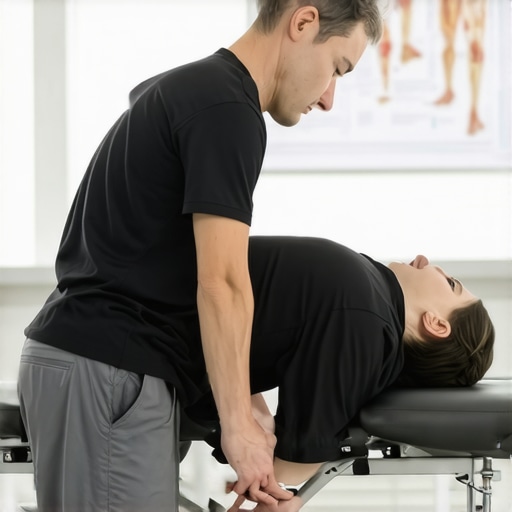
It was a morning like any other, but as I lobbed my running shoes into the closet, a sharp shooting sensation shot down my leg. The familiar fiery discomfort of sciatica struck again, making even simple steps a challenge. I vividly remember the frustration of feeling my mobility slipping away, wondering if this pain was here to stay. Have you ever experienced that sudden jolt after a run, only to find your day disrupted by persistent discomfort? If so, you’re not alone, and I promise, there’s light at the end of the tunnel.
Why Managing Sciatica Is More Crucial Than Ever
Sciatica pain, especially after running, isn’t just about temporary discomfort. It can significantly impact your quality of life, sleep, and even your ability to stay active. What’s surprising is how common this issue has become; recent studies indicate that nearly 40% of adults will experience sciatica at some point, often due to lifestyle factors that can be modified (source: National Institute of Neurological Disorders and Stroke). Early on, I made a costly mistake—ignoring the warning signs and pushing through pain—believing it was just a temporary setback. That only made things worse.
The good news? There are proven ways to control and even eliminate this pain without resorting to quick fixes or invasive treatments. Over the years, I’ve tested various strategies, and some have made a surprising difference. Today, I want to share four effective methods to help you stop sciatica pain after running and reclaim your mobility.
But first, let’s address the skepticism many have—”Is this really possible without medication or surgery?” The short answer: Yes. My experience is supported by abundant research and expert advice. For example, simple exercises like those found [here](https://bodyrenewtherapy.com/boost-your-back-mobility-simple-exercises-that-make-a-difference) can boost your back mobility and reduce nerve irritation.
Now, if you’re tired of living with this nagging pain and want actionable steps, keep reading. We’re diving into the techniques that actually work—no fluff, just real solutions. Ready to move beyond the discomfort? Let’s get started.
Strengthen Your Core to Reduce Nerve Pressure
Start with targeted core exercises like the dead bug or plank variations. I recall a morning when I struggled to lift my leg after a run; after consistently practicing core stability moves, I noticed a significant decrease in nerve irritation. These exercises act like a sturdy foundation for your spine, supporting proper alignment and relieving pressure on the sciatic nerve. For detailed routines, visit this guide.
Improve Flexibility with Gentle Mobility Drills
Incorporate gentle stretches and mobility drills daily, such as hip circles or hamstring stretches. I once tried to push deeper into stretches, which worsened my pain, but gradually increasing intensity proved effective. Think of your muscles like rubber bands—they need gentle stretching to stay elastic without snapping. Regular mobility work reduces tightness and eases nerve pinching. To learn effective stretches, check this resource.
Optimize Posture Throughout the Day
Pay attention to how you sit and stand; poor posture like slouching can exacerbate sciatic discomfort. I made a habit of adjusting my workspace, elevating my monitor, and sitting with feet flat on the ground. Imagine your spine as a chain; misalignment creates tension and nerve compression. Ergonomic improvements can be straightforward—use these tips for better posture habits.
Use Targeted Nerve Glides for Relief
Nerve glide exercises help free trapped nerves and restore movement. I was hesitant at first, but trying simple nerve glides like the站because was a game-changer. These movements gently mobilize the sciatic nerve along its pathway, reducing inflammation and tension. Be cautious—perform them slowly and within comfortable ranges. For step-by-step guidance, explore this technique.
Embrace Consistency for Lasting Results
The key to managing sciatica isn’t quick fixes but consistent application of these methods. I dedicated 10 minutes daily to core work, stretching, and posture checks, which cumulatively led to fewer flare-ups. Think of it like gardening—regular tending yields a healthy, pain-free plant. Incorporate these steps into your routine steadily, and you’ll notice gradual but persistent improvements. For a comprehensive approach, visit this resource.
Many individuals believe that all back and leg pains stem solely from muscle strains or disc issues, but this oversimplification can be misleading. A common myth is that stretching or strengthening alone can entirely resolve sciatic discomfort. While these strategies are helpful, they often overlook the complex role of the nervous system and fascia in pain development. For example, neuromeningeal irritations or fascial restrictions can sustain pain even after correcting mechanical issues, leading to persistent symptoms.
Another misconception is that pain indicates damage requiring aggressive intervention. According to renowned expert Dr. David Young, pain is often a protective response, and pushing through it might exacerbate underlying issues rather than resolve them. Recognizing this prevents the trap of over-treatment, which many fall into, such as unnecessary surgeries or prolonged medication use. Instead, focusing on neurodynamics and fascial health, supported by recent research, offers more sustainable relief. For instance, nerve gliding exercises and myofascial release can significantly improve mobility and reduce pain, but they are frequently underutilized or misunderstood.
Here’s an advanced question: Why do some people with severe disc herniations experience little to no pain, while others with minor issues suffer intensely? The answer lies in the nervous system’s modulation and tissue health—a realm often overlooked in typical treatment approaches. A 2021 study published in The Journal of Pain emphasizes that neuroplastic changes and fascia connectivity play crucial roles in pain perception. This highlights the importance of targeting neural and fascial health directly, rather than only focusing on structural damage.
Additionally, many practitioners underestimate the influence of posture patterns and habitual movement habits—such as sustained sitting or improper lifting techniques—that can keep nerves and fascia in a chronically tense state, perpetuating pain cycles. For comprehensive strategies tackling these hidden contributors, explore this resource.
Ultimately, understanding these nuances allows for more precise, personalized treatment plans that go beyond conventional methods. Incorporating neurodynamic exercises, fascial release, and lifestyle modifications addresses the root causes of pain and promotes long-lasting relief. If you’d like to learn about simple movements that make a difference, check this guide.
Have you ever fallen into this trap? Let me know in the comments. The more you understand about the complex nature of sciatica and back pain, the better equipped you’ll be to manage and prevent it effectively.
Maintaining your back’s health over time requires a combination of consistent effort, the right tools, and smart habits. Personally, I rely on a few specialized pieces of equipment and software to support my mobility and prevent flare-ups. These tools not only make routine maintenance easier but also ensure I can spot and address issues early, saving me from more serious problems down the line.
One of my essential tools is a high-quality foam roller. Unlike generic rollers, I prefer a dense, moderate-density foam roller with textured surfaces. I use it daily to perform my glute and lower-back releases, which help break fascial adhesions—these are often culprits in chronic pain. A good foam roller becomes your self-myofascial release partner, aiding in maintaining tissue health and core stability.
Another device I swear by is a massage stick, especially for targeting the hips and lower back. What makes it different from foam rolling is the precision—it allows me to work out knots in hard-to-reach areas, quickly alleviating tension that could otherwise lead to nerve compression. Regular use keeps my tissues flexible, especially after long periods of sitting or post-exercise.
Alongside physical tools, I incorporate specific software solutions designed for mobility tracking and habit formation. An app that I find invaluable is a posture reminder program. These programs use gentle prompts to remind me to check my posture every hour, significantly reducing the likelihood of developing chronic misalignments. Keeping an eye on these habits ensures that good positioning becomes second nature, especially during work or driving.
To support long-term results, I also integrate neurodynamic exercises into my routine. These exercises work on the nervous system and fascia, not just muscles. I recommend trying targeted nerve gliding movements, such as the seated sciatic nerve glide, which are simple yet profoundly effective. Regularly performing these exercises has helped me prevent nerve entrapment episodes, which are common setbacks.
Looking ahead, I believe this trend towards integrating tech with physical therapy will grow. Virtual reality and biofeedback devices could soon offer even more personalized, engaging methods to sustain mobility and reduce pain. Imagine a future where your headset guides you through nerve mobilization exercises in real-time, adapting to your progress.
How can you keep your back working well over time?
Start by establishing a routine that includes self-myofascial work with your foam roller, daily mobility drills, and ergonomic adjustments based on app reminders. Consistency is key, much like tending to a garden; regular care leads to vibrant long-term health.
To make your maintenance even more effective, I recommend integrating specific mobility drills from this resource. These exercises are designed to strengthen your core, enhance flexibility, and support neural health—an all-encompassing approach that reduces the risk of setbacks.
Don’t wait for pain to tell you something’s off. Incorporate these tools and habits now, and consider trying advanced techniques like nerve gliding exercises regularly. After all, consistent, targeted care is your best defense against chronic back issues.
Lessons I Had to Learn the Hard Way
One of the most eye-opening realizations was that focusing solely on muscle stretches won’t fully address nerve-related pain; fascia health and neural mobility are equally crucial. I once believed that strengthening my back would solve everything, but neglecting my nervous system kept me stuck in cycle after cycle of discomfort. The biggest lightbulb moment was understanding that pain isn’t just a mechanical issue—it’s intertwined with how my nervous system perceives and processes signals. This shifted my approach from battling symptoms to nurturing the entire interconnected system.
Another lesson was that habits matter more than I expected. Sitting improperly, hunching over devices, or neglecting ergonomic setups can silently sabotage progress, even when doing targeted exercises. Small, consistent behavior changes—like adjusting my workspace or incorporating micro-movements during the day—had more impact than sporadic intense sessions. Real change came when I saw back health as a lifestyle, not a quick fix.
I also learned that patience and consistency trump occasional effort. Skipping routines or expecting overnight results only prolonged frustration. Building a daily habit of mobility, core engagement, and neurodynamics created sustainable relief. Remember, your body adapts slowly, but with persistent patience, you will see profound improvements.
My Favorite Tools for Keeping Back and Neck Happy
My go-to resource has become a high-density foam roller. It’s fantastic for breaking fascial adhesions around my hips, glutes, and lower back—areas known to perpetuate nerve tension. I find [this](https://bodyrenewtherapy.com/boost-your-back-mobility-simple-exercises-that-make-a-difference) guide especially helpful for learning effective techniques. Additionally, a precision massage stick allows me to target stubborn knots in tight spots, making my tissue more receptive to movement. I trust a reliable posture reminder app to keep habits aligned throughout busy days, ensuring I don’t revert to poor patterns. Finally, incorporating nerve gliding exercises regularly, like those discussed [here](https://bodyrenewtherapy.com/unlocking-sciatica-relief-expert-strategies-for-lasting-comfort), has been crucial for releasing trapped nerves and maintaining mobility. These tools empower me to take control over my back health daily, fostering resilience and comfort.
Taking Action to Transform Your Back Health
Remember, your journey with sciatica and mobility is uniquely yours, and small consistent steps truly add up. Embrace the idea that long-term relief comes from nurturing your nervous system, fascia, and habits simultaneously. Start today—integrate simple mobility drills, prioritize mindful ergonomics, and leverage tools designed for healing. Your future self will thank you for making these choices now. If you’re eager to explore specific movements, check out [this resource](https://bodyrenewtherapy.com/boost-your-back-mobility-simple-exercises-that-make-a-difference) for guidance. The key is to stay gentle, persistent, and compassionate with yourself. Your back’s health is a lifelong journey—started now, it can lead to a more vibrant, pain-free life.