You know that sinking feeling when your lower back and hips scream during a simple morning stretch? Or the sudden jolt of pain that shoots down your leg after sitting too long? I’ve been there—believe me, I thought I was destined to live with and accept this persistent sciatic pain. It felt like my body was warning me about an inevitable breakdown, especially as I approached another flare-up that threatened my mobility and peace of mind.
But here’s the thing—after years of trial, error, and a few costly mistakes, I discovered that the habits we ignore daily can be sabotaging our efforts to find lasting relief. And more importantly, that small, intentional tweaks in how we move, sit, and stand can make a monumental difference.
Today, I want to share a game-changing approach I wish I had known earlier—seven specific hip habits that can stop sciatic flares in their tracks before they become a chronic issue. Whether you’re battling intermittent pain or a relentless flare-up, these habits are your first line of defense. Trust me, it’s worth the effort.
But first, let’s get real about why your hips and back might be the culprits behind your pain—and how breaking a few bad routines can set you on a path toward lasting relief.
Why Your Hip Habits Could Be Triggering Sciatica
Most people underestimate the power of everyday movements and postures in maintaining or sabotaging back health. Poor hip mobility or habits like prolonged sitting, incorrect lifting techniques, or neglecting movement variability can increase tension on your sciatic nerve. Interestingly, a study highlighted that poor hip flexibility is linked with a higher risk of sciatic pain episodes (source: https://bodyrenewtherapy.com/understanding-the-link-between-poor-posture-and-chronic-back-pain). This makes sense because when hips become stiff or misaligned, your body compensates elsewhere—often in ways that aggravate the sciatic nerve.
Early in my journey, I made the mistake of overlooking these habits. I thought stretching and occasional rest would suffice—that is until the pain became unbearable. It was a painful reminder that ignoring simple daily behaviors can spiral into chronic flare-ups.
Now, if you’ve faced the frustration of recurring sciatic pain, you’re not alone. But here’s where hope comes in. Small adjustments—like changing your sitting position, incorporating mobility drills, and adopting better movement habits—can dramatically reduce the severity and frequency of those flare-ups. Later in this post, I’ll walk you through these habits step by step.
So, are you ready to stop suffering from preventable sciatic episodes? Let’s dive into these habits and start rewiring the way you move today.
Prioritize Hip Mobility Each Day
Start your morning with a quick mobility drill like hip circles or leg swings. I once did these before my coffee, which felt awkward at first, but within a week, I noticed less tension in my hips and a decrease in sciatic discomfort. Consistent movement keeps your hips from stiffening up and reduces nerve pressure.
Adjust Your Sitting Habits for Better Alignment
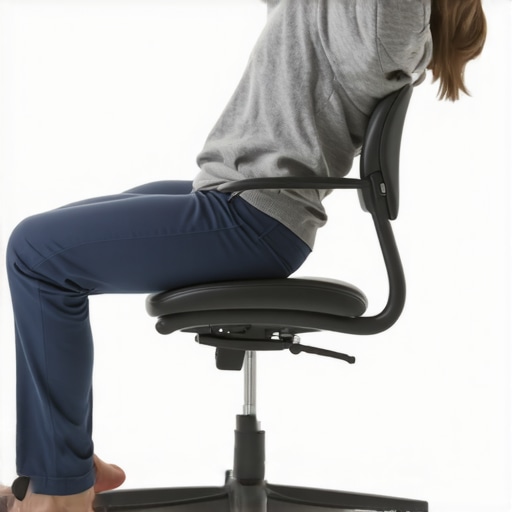
A common mistake is crossing your legs or sitting on one side for long periods. I caught myself doing this during long workdays; switching to a supportive chair with proper lumbar support and keeping feet flat on the ground made a big difference. Use ergonomic fixes like cushioning or sit-stand desks to minimize hip tilt, which can pinch nerves.
Embrace the 30-Minute Rule
Set a timer to stand and stretch every 30 minutes. When I implemented this, I found that simple hip flexor stretches reset my posture and reduced recurring pain episodes. This frequent movement prevents the hips from becoming stuck in positions that strain the sciatic nerve.
Incorporate Nerve Glides into Your Routine
Nerve glide exercises, like the leg slide movement, help keep the sciatic nerve mobile. I tried these after a particularly painful week, and the relief was noticeable after just two sessions. These drills gently promote nerve mobility, preventing the nerve from becoming irritated or trapped.

Maintain Hip Flexibility with Targeted Stretches
Stretching hip flexors daily can prevent tightening that aggravates sciatica. I found that a simple kneeling stretch held for 30 seconds twice a day slowly opened my hips. Regular stretching keeps the area pliable and reduces nerve pinching.
Strengthen Supportive Hip Muscles
Building strength in muscles like the glutes acts as a natural support for your hips. I added glute bridge exercises to my routine, which improved stability and decreased flare-ups. Strong muscles cushion the pelvis and decrease strain on the sciatic nerve.
Be Mindful of Your Movement Habits
Quick, habitual movements like twisting while lifting or reaching awkwardly can cause flare-ups. I trained myself to lift with my legs rather than my back and to avoid sudden twists. Over time, these mindful habits promoted healthier motion patterns.
Use Therapeutic Tools for Daily Relief
Foam rollers or massage balls help release tightness in hip muscles and surrounding tissues. I used a foam roller on my hip and outer thigh, which reduced muscle tension and alleviated nerve pressure. Regular self-massage is a simple yet effective habit.
Many people believe that managing neck pain, back issues, or sciatica is all about addressing obvious symptoms like stiffness or discomfort, but there’s a subtle trap many fall into that can sabotage their recovery. The common myth is that focusing solely on strengthening or stretching is enough, yet in my experience, this overlooks the critical role of neural and connective tissue health. For example, many assume that nerve issues are solely nerve-specific problems, but recent research indicates that fascial restrictions and poor joint mobility play a significant role in nerve entrapment (source: https://bodyrenewtherapy.com/unlocking-sciatica-relief-expert-strategies-for-lasting-comfort). A key nuance is understanding how small, often unnoticed movement patterns or postural habits can continuously irritate nerves, leading to persistent pain. The mistake lies in neglecting the interconnectedness of tissues and the importance of optimizing movement variability. One common oops is over-focusing on isolated exercises without addressing global biomechanical patterns, which can cause compensation and worsen symptoms over time. For advanced readers, a question arises: How do subtle fascial restrictions influence nerve gliding and mobility, and what are effective strategies to detect and release such restrictions? Addressing this requires a detailed assessment beyond standard stretching routines. Mobilization techniques that target the fascia and improve joint glide are often more effective than generic stretches. For instance, incorporating myofascial release or neural mobilization exercises like nerve glides can significantly enhance nerve mobility and reduce irritation, restoring better function. Be cautious about the trap of static treatments—like passive stretching or rest—that might temporarily relieve symptoms but fail to address underlying movement restrictions. Instead, a comprehensive approach combining mobility drills, neural glides, and posture adjustments is key. If you’re curious about practical steps, check out how simple mobility exercises can make a difference by visiting https://bodyrenewtherapy.com/boost-your-back-mobility-simple-exercises-that-make-a-difference or explore expert strategies to unlock sciatic relief. Remember, understanding these nuanced factors can accelerate your recovery and prevent recurrence. Have you ever fallen into this trap? Let me know in the comments.Maintaining your back and neck health over the long term requires more than just awareness; it demands tools and habits that support ongoing mobility and pain prevention. Personally, I rely on a combination of specialized equipment and strategic routines that keep my body aligned and resilient. One of my foundational tools is a high-quality foam roller, which I use daily to release fascial restrictions and muscle tightness around my hips, lower back, and shoulders. Regular self-myofascial release with a foam roller not only alleviates tension but also enhances circulation, facilitating injury prevention and quicker recovery. For targeted relief, I incorporate massage balls into my routine, focusing on trigger points in the glutes, hips, and upper back. They allow precise pressure application to break down adhesion and restore optimal tissue mobility, which is vital for nerve gliding and preventing sciatic flare-ups.
Another game-changer is an ergonomic sit-stand desk converter. Sitting in one position for hours can stiffen the hips and compress the lumbar spine, exacerbating pain issues. By alternating between sitting and standing, I keep my joints lubricated and reduce postural strain. I recommend setting a timer to remind yourself to change positions—this simple habit, supported by research on posture dynamics (see https://bodyrenewtherapy.com/enhance-your-back-mobility-ergonomic-tips-for-everyday-comfort), can dramatically improve spinal health over time.
For enhancing neural mobility, I use nerve glide exercise guides—especially the leg nerve glides that I learned from clinical protocols. These exercises help maintain the elasticity of your sciatic nerve and surrounding tissues, preventing entrapment and reducing flare-ups. Incorporating a dedicated neural mobility routine thrice weekly ensures that nerve tissues remain pliable, which is critical for long-term relief.
Predicting future trends, I believe wearable technology will increasingly integrate real-time feedback on posture and movement, alerting users when they deviate from healthy patterns. Devices with biofeedback capabilities could personalize interventions, making maintenance even more effective and engaging.
Curious about sustainable habits? How do I maintain my back and neck health over time? The key is consistency combined with effective tools. Whether you’re aiming for better mobility or pain mitigation, integrating equipment like foam rollers, ergonomic setups, and nerve mobilization exercises forms a comprehensive approach. For a tailored assessment and more personalized recommendations, consider reaching out through https://bodyrenewtherapy.com/contact-us. Remember, regular use of these tools and habits could be the difference between recurring pain and long-lasting relief. Now, I challenge you to incorporate a neural glide exercise into your routine this week and observe how your nerve mobility improves—it’s a small change that can have profound benefits.
What Few Discover About Staying Pain-Free
One of the hardest truths I faced was realizing that many habits we take for granted—like how we sit or move—can subtly sabotage our back health. I used to dismiss small postural tweaks, thinking they were insignificant, until I experienced a persistent flare-up that forced me to rethink everything. The lightbulb moment was understanding that consistency in small habits trumps sporadic intense workouts. I learned that slow, intentional daily movements—like nerve glides or hip stretches—shape long-term relief more than quick fixes or waiting for pain to become unmanageable.
Another lesson was appreciating the interconnectedness of tissues. Fascial restrictions and joint stiffness don’t just limit mobility—they can pinch nerves and perpetuate pain cycles. I wish I had known earlier how targeting fascia with tools like foam rollers could speed up recovery and prevent flare-ups. Sometimes, the simplest tools and routines can have profound effects, reminding me to stay humble and diligent in my approach.
Finally, I discovered the importance of mindful movement and awareness. Slipping into habitual misalignments—like crossing legs or slouching—can slowly drag you into trouble. The hardest lesson? It’s not about doing everything perfectly but catching yourself before habits set in deeply. Incorporating brief, frequent movement breaks and neural mobilizations keeps the nerve pathways healthy and keeps flare-ups at bay. These lessons transformed my journey from frustration to empowerment, and I hope they guide you too.
My Go-To Tools for Lasting Back Peace
For me, foam rollers became essential in releasing fascial tightness around hips and lower back. I trust brands with dense, durable surfaces for effective self-myofascial release—it’s a game changer. Massage balls are also invaluable for targeting trigger points, especially in glutes and lateral hips. They offer precise relief that complements broader mobility routines.
An ergonomic sit-stand desk was a revelation. Alternating positions every 30 minutes keeps joints lubricated and posture fresh, preventing the stiffness that triggers sciatic discomfort. Combining this with adjustable monitors and supportive cushions creates a workspace that promotes healthy movement.
Neural glide exercises are a cornerstone of my routine now. Regularly practicing nerve movements like leg slides keeps the sciatic nerve elastic and less prone to irritated entrapments. I’ve found that dedicating just a few minutes daily to these drills greatly reduces flare-ups, making recovery feel more manageable.
In addition, I recommend a few key reading resources that shaped my understanding:
- Simple exercises to boost back mobility — My foundation for daily movement
- Expert strategies for sciatic relief — Deep dives into proven methods
- Signs of serious back issues — How to recognize when to seek medical help
Combining these tools and knowledge keeps my back resilient, and I stay ahead of pain cycles. Remember, sustainable health isn’t about magic but about consistent, smart habits that support your body’s natural healing.
Take Action and Reclaim Your Comfort
Managing sciatic pain is a journey of continuous learning and gentle adjustments. I encourage you to experiment with neural glides, incorporate daily mobility, and create a workspace that favors movement. The key is to start small—add a few stretches or posture tweaks today—and build from there. Your body will thank you for prioritizing these habits. Recovery isn’t just possible; it’s within your control when you commit to these personalized routines.
What’s the one habit you’re willing to try today to improve your sciatic health? Share your plans below—I’d love to hear about your progress and support you on this path to lasting relief!
,