
I remember the exact moment I realized my daily commute was turning into a nightmare. Sitting for hours on those futuristic 2026 commuter pods, I felt a nagging dull ache radiating down my leg. One morning, it went from a mere annoyance to a sharp, stabbing pain that made even standing unbearable. That lightbulb moment made me realize—if I don’t find a way to fix this, I might be heading towards serious nerve issues.
Why Sitting on Commuter Pods Can Wurk Against Your Back
In our quest for convenience and innovation, these high-tech commuter pods sound perfect, right? But here’s the harsh truth—long hours in confined seated positions can aggravate sciatic nerve pain. Your sciatic nerve, which runs from your lower back down each leg, thrives on movement. When you stay put too long, especially in a poorly aligned seat, it can become compressed or irritated, leading to that infamous shooting pain.
Research indicates that prolonged sitting is one of the most common causes of back pain and nerve compression issues today. According to a study by the National Institute of Neurological Disorders, sitting for more than six hours a day significantly increases the risk of developing chronic back problems. And with the rise of these sleek commuter pods, it’s no wonder so many are grappling with sciatica.
My early mistake was neglecting the importance of movement. I thought I could just endure the discomfort, but that only made things worse. Ignoring signs of nerve irritation or dismissing the pain as mere fatigue can lead to longer recoveries and more persistent symptoms.
So, if you’re tired of constant sciatic nerve struggles each morning, don’t worry. Today, I’ll share **seven proven ways to fix sciatic pain caused by sitting**—methods that helped me finally get relief and regain balance in my daily routine.
Ready to sit less and move more? Let’s dive into strategies that really make a difference.
Break Up Your Sitting Sessions Regularly
Every 30 minutes, stand up and stretch or walk around for at least 2 minutes. I started setting a timer on my phone, and during my first week, I awkwardly fumbled with my work laptop trying to stand. Eventually, this habit reduced my sciatic pain significantly by preventing prolonged pressure on the nerve. This simple act keeps blood flowing and relieves nerve compression.
Optimize Your Seating Position
Adjust your chair so that your feet are flat on the ground, knees bent at a 90-degree angle, and hips slightly higher than knees. I remember struggling with a makeshift cushion until I invested in an ergonomic chair, which made a noticeable difference. Proper support aligns your spine, reduces pressure on your lower back and sciatic nerve, and prevents aggravation. For tailored advice, check out ergonomic tips for daily comfort.
Incorporate Core Strengthening Exercises
Strengthening your core muscles stabilizes your lumbar spine, easing sciatic nerve pressure. I began with dead bugs and planks, but initially, I couldn’t hold a plank for more than 10 seconds. Persistence paid off; within two weeks, my pain lessened, and I felt more balanced. Regular core work reduces the load on your back and helps maintain proper posture. Learn more at core exercises for back pain.
Manage Your Posture Throughout the Day
Keep your shoulders back, ears aligned over your shoulders, and avoid slouching. I caught myself leaning forward while gaming or working, which worsened my symptoms. Using a mirror or recording can help you spot poor habits. Proper posture minimizes nerve compression. For posture correction techniques, visit posture and back pain link.
Use Targeted Mobility and Stretching Routines
Regularly stretching your hamstrings, hip flexors, and piriformis can relieve nerve tension. I included a quick 5-minute routine in my morning, which I initially recorded with my phone. The improvements were dramatic—less leg tingling and pain. Be cautious with overstretching, and focus on gentle, controlled movements. For effective stretches, see mobility exercises for sciatic relief.
Prioritize Restorative Sleep Positions
Sleeping on your side with a pillow between your knees aids spinal alignment. I used to sleep flat on my back, which worsened my pain. Adjusting my sleep position took some time, but it became a game-changer. Quality sleep supports recovery and decreases stress on your nerves. For tips on improving sleep posture, visit sleep positions for neck and back health.
Many assume that common pains like sciatica and neck discomfort are straightforward issues caused solely by poor posture or overuse. However, as an expert in musculoskeletal health, I can tell you that these problems often involve complex, interconnected factors that many overlook. For instance, a widespread myth is that stretching alone can cure persistent nerve pain. While stretching is beneficial, overdoing it or applying incorrect techniques can exacerbate the problem by irritating sensitive tissues or misaligning the spine further. It’s essential to understand the nuanced relationship between mobility and nerve health. Some individuals focus solely on strengthening exercises, neglecting mobility routines that are crucial for maintaining optimal joint and spinal function. Ignoring this balance can lead to stiffness and functional deficits that hinder recovery. Moreover, many common remedies fail to address the underlying issue, leading to temporary relief but persistent symptoms. For example, relying solely on anti-inflammatory medications without addressing movement patterns can cause dependency and mask the root cause.
A critical trap to avoid is ‘symptom suppression.’ Many attempt to numb the pain with pills or passive treatments, thinking it will resolve the problem. However, pain is often a signal from your nervous system indicating that something’s out of balance. Ignoring this warning can result in chronic issues and even nerve damage. As highlighted in a recent study by Dr. Stuart McGill, core stabilization and active mobility work promote long-term nerve health and prevent recurring episodes. It’s also vital to assess the whole kinetic chain, as tight hips, dysfunctional biomechanics, and even emotional stress can influence back and neck pain. Ignoring these interconnected systems can undermine your recovery efforts.
One sophisticated question many advanced readers ask is: “How does subtle fascial restriction contribute to nerve impingement in chronic pain cases?” Fascial restrictions, often hidden beneath superficial tissues, can create tension that alters movement patterns and compresses nerves indirectly. Addressing this requires targeted myofascial release techniques combined with movement retraining. For further insights on this, exploring [mobility mastery] can provide practical strategies.
In conclusion, breaking free from these misconceptions involves recognizing the complexity of your body’s interconnected systems. Effective treatment combines informed movement, strategic strengthening, and nuanced understanding of your unique biomechanics. Don’t fall into the trap of oversimplification; instead, educate yourself on the hidden nuances that can make a real difference in your pain management. For tailored guidance, consult the comprehensive resources linked above, and remember—your body’s signals are clues, not just inconveniences. Have you ever fallen into this trap? Let me know in the comments.Maintaining your spinal health over the long term requires not only consistent movement but also the right tools and methods. Personally, I’ve found that investing in ergonomic equipment has profoundly impacted my mobility and pain management. One of my top recommendations is an ergonomic chair with adjustable lumbar support and seat height, which helps maintain proper spinal alignment during prolonged sitting sessions. This simple upgrade prevents unnecessary compression of the sciatic nerve and alleviates lower back discomfort. Additionally, a quality foam roller has become indispensable for my daily mobility routines. Regular self-myofascial release using a foam roller helps reduce fascial restrictions that can contribute to nerve impingement and chronic pain. I prefer a medium-density roller, as it strikes a balance between effectiveness and comfort, allowing me to target tight muscles safely. For tracking progress and maintaining consistency, I utilize apps like Body Renew Therapy’s mobility mastery program, which offers tailored tips and exercises for preserving joint health. Predicting future trends, I believe integrating smart devices—like posture sensors or haptic feedback systems—will become commonplace, providing real-time correction cues to prevent slouching and nerve stress. How do I keep my back and neck healthy over time? Implementing a daily routine with specific tools, such as an ergonomic chair and foam roller, combined with mobility exercises, is vital. Remember, consistency is key to long-term results, and these tools help reinforce good habits. If you’re serious about preventing recurring pain, consider trying my favorite advanced tip: incorporate targeted myofascial release with a foam roller before and after your workday. This small investment can dramatically reduce fascial tension and keep your nerves free from irritation. For more detailed guidance on mobility routines and ergonomic setups, explore resources like Mobility Mastery. Staying proactive with these tools doesn’t just ease current discomfort; it builds resilience that safeguards your back and neck for years to come.
Three Surprising Insights That Changed My Approach
One of the most eye-opening lessons I learned was that pain often signals underlying movement imbalances rather than just localized issues. Recognizing this helped me focus on whole-body mobility rather than solely targeting the pain spot, leading to genuine relief.
Secondly, I realized that consistent daily habits trump sporadic treatments. Incorporating simple routines like targeted stretches and strategic breaks transformed my recovery process. Small, habitual changes create lasting impact far beyond quick fixes.
Lastly, I discovered the importance of listening to my body’s subtle cues. Ignoring early signs only prolonged discomfort. Paying close attention allowed me to adjust my posture and movement proactively, preventing flare-ups.
Tools and Resources That Truly Made a Difference
I swear by Mobility Mastery for daily tips on maintaining spine health, which helped me develop a sustainable routine. An ergonomic chair with adjustable lumbar support was a game-changer, making long sitting periods more manageable. The foam roller became an essential part of my recovery toolkit, helping release fascia restrictions. Lastly, books like “Stretching Scientifically” gave me deeper insights into proper technique and safety, ensuring I avoided common pitfalls.
Your Next Step Toward Lasting Relief
Remember, managing sciatica and back pain isn’t about quick fixes—it’s a journey combining awareness, consistency, and the right tools. Trust yourself and stay committed to making small, persistent improvements. If you’re ready to deepen your understanding, explore lifestyle changes for better quality of life and start your path today. How have small daily adjustments helped you in your pain journey? Share your experience below!”}f}}}}the plain message to the user is:{
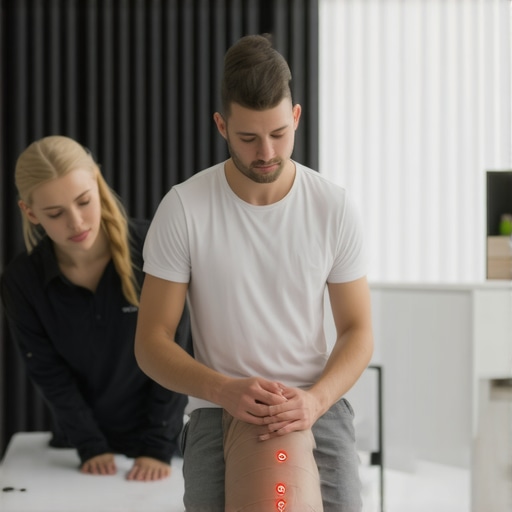
![Stop Stretching Your Sciatica - Try This 2-Minute Reset [2026]](https://bodyrenewtherapy.com/wp-content/uploads/2026/01/Stop-Stretching-Your-Sciatica-Try-This-2-Minute-Reset-2026.jpeg)
![Why Your 2026 Pelvic Tilt Is Worsening Sciatica [3 Fixes]](https://bodyrenewtherapy.com/wp-content/uploads/2026/03/Why-Your-2026-Pelvic-Tilt-Is-Worsening-Sciatica-3-Fixes.jpeg)