
The Truth About Hanging From a Pull-Up Bar for Spinal Decompression
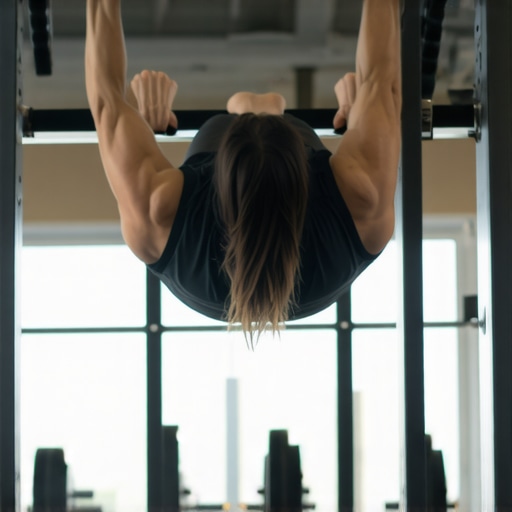
I remember the exact moment I realized my constant back pain and sciatic nerve tingles weren’t just inevitable parts of aging. I was struggling to tie my shoelaces, and a sharp pain shot down my leg, making me wonder if I’d ever feel normal again. That lightbulb moment led me down a path of unconventional solutions, one of which was hanging from a pull-up bar. At first, I was skeptical—how could hanging upside down somehow help my spine? But after trying it myself and experiencing relief, I knew I had to dig deeper into this practice.
Discovering the Power of Spinal Decompression Through Hanging
Deep down, I knew that many of us are trapped in a cycle of pain, muscle stiffness, and frustration. Conventional remedies often focus on surface-level treatments—think creams, pills, or overly gentle stretches—while the root causes of spinal discomfort remain unaddressed. That’s where hanging from a pull-up bar comes into play. This simple activity can provide **a revolutionary form of spinal decompression**, helping to ease pressure on those stubborn discs and nerve roots.
Recent studies highlight the benefits of spinal traction, including increased disc height and reduced nerve compression, which can sometimes be a game-changer for chronic back issues (source: Body Renew Therapy).
In this post, I want to share how hanging from a pull-up bar might be the missing link in your pain relief routine. This isn’t about just hanging there like a kid on a playground—it’s about strategic, safe decompression that can make a real difference. Whether you’re battling sciatica, neck pain, or stubborn back stiffness, this method could help you regain mobility faster than you think.
Is Hanging From a Bar Actually Worth the Hype?
When I first heard about it, I was just as skeptical as you might be. Isn’t hanging just for athletes or rehab specialists? But early on, I made a mistake—trying to hang too long without proper form or support, which caused more discomfort. That taught me an essential lesson: technique and moderation are key. Once I focused on safe, controlled hanging, I noticed subtle improvements in my back and neck mobility within days.
So, if you’ve ever wondered whether this simple practice could truly alleviate your pain, you’re not alone. Together, we’ll explore how hanging can be an effective part of a holistic approach to spinal health. Ready to strike that pose and see what relief feels like? Let’s dive into how this age-old method can transform your pain management routine.
Set Up Your Space Properly
Begin by ensuring you have a sturdy pull-up bar installed at a height that allows your arms to hang fully extended without your feet touching the ground. Think of it like anchoring a hammock—you want stability and comfort. Use a secure doorway or a mounted pull-up bar designed for weight bearing to avoid accidents. Before starting, check that the bar can handle your weight safely, similar to testing the load capacity of a new piece of exercise equipment.
Warm Up Before Hanging
Just like preparing for a workout, warming up your muscles helps prevent injury. Spend 5-10 minutes doing gentle stretches focusing on your neck, shoulders, and back. This primes your spine and surrounding muscles, making the decompression more effective. Remember, cold muscles are less flexible, and forcing a stretch or hang can lead to strains.
Master Proper Technique
Grip and Arm Position
Use a full grip on the bar with palms facing forward or slightly inward. Keep your hands shoulder-width apart to distribute tension evenly. Engage your shoulder blades by pulling them slightly down and back—imagine pinching them together—similar to how you prepare to hold a pencil between your shoulder blades. To avoid unnecessary strain, don’t overreach or bend your elbows excessively.
Hanging Duration and Breathing
Start with 15-30 seconds per session, especially if you’re new to hanging. Focus on relaxed, deep breaths—inhale through your nose, exhale slowly through your mouth—to help your muscles relax. Think of breathing as the anchor that keeps you calm and stable during the exercise. Avoid holding your breath, as it can increase internal pressure and risk dizziness.
Implement Controlled Decompression
Let gravity gently pull your spine apart, but don’t hang stiffly. Instead, allow your body to relax entirely, like a rag doll, with no tension in your arms or legs. Keep your neck aligned with your spine—avoid tucking or craning your head. Picture hanging a clothesline—letting gravity work without pulling excessively, which ensures safe and effective decompression.
Progress Gradually
As you become more comfortable, gradually increase your hanging time by 5-10 seconds each session. You might also add gentle swinging or side-to-side movements to mobilize the spine further. Remember, patience is key—rushing this can cause overstretching or injury. Based on my experience, consistent, moderated hanging produces noticeable relief within a week without risking setbacks.
Finish with Gentle Movements
After hanging, exit slowly by stepping down or carefully stepping away from the bar. Engage in light stretches—such as gentle cat-cow movements or neck rolls—to reinforce spinal mobility. Think of this as a cool-down, helping your muscles adapt to the decompression and preventing stiffness. To explore more techniques for lasting pain relief, visit this guide.
When it comes to back pain and sciatica, many people operate under misconceptions that can hinder proper recovery. A prevalent myth is that rest is the best remedy; however, in my experience and supported by research, *movement is often key* to healing—prolonged inactivity can actually exacerbate issues (see [this study](https://bodyrenewtherapy.com/conquering-sciatica-proven-approaches-to-end-discomfort-now)). For example, many believe that nerve pain like sciatica should be ignored or avoided altogether, but gentle, controlled movement, such as safe stretching or mobility routines, can actually promote nerve healing and reduce inflammation.
Here’s a critical nuance many overlook: **not all pain is equal**, and assuming back discomfort always signals serious damage can lead to unnecessary fear and stiffness. In fact, some pain stems from muscular imbalances or postural issues, not structural damage, meaning targeted exercises could offer relief without invasive treatments. For instance, addressing the often-overlooked connection between poor posture and chronic neck or back pain can unlock significant improvement, as explored in [this article](https://bodyrenewtherapy.com/enhance-your-back-mobility-ergonomic-tips-for-everyday-comfort).
Beware the trap of quick fixes like over-reliance on heat or ice. While temporarily soothing, they don’t tackle the root causes. Instead, integrating strategic movements and ergonomic adjustments yields more sustainable results. Moreover, many people underestimate the importance of **holistic approaches**—considering stress, sleep, and lifestyle habits—that influence musculoskeletal health. For advanced readers questioning more nuanced factors:
Why does my pain persist despite following traditional treatment protocols?
This question opens the door to exploring deeper issues like nerve sensitivity, fascia restrictions, or even psychological stress, all of which can amplify pain perception. Studies highlight that psychosocial factors significantly influence recovery outcomes, emphasizing the need for comprehensive strategies (source: [Body Renew Therapy](https://bodyrenewtherapy.com/neck-pain-solutions-innovative-strategies-for-fast-recovery)).
Finally, avoid falling into the common trap of ignoring mobility’s role. Poor mobility isn’t just about stiffness; it can be a warning sign of underlying dysfunctions that, if unaddressed, lead to chronic pain cycles. Regular, mindful movement—such as hanging from a pull-up bar with proper form—can be a game-changer in restoring both mobility and confidence in your body’s ability to heal.
Have you ever fallen into this trap? Let me know in the comments.Once you’ve integrated hanging and proper movement routines into your daily life, the key to long-term success lies in consistent maintenance and using effective tools. Personal experience has shown me that investing in quality equipment can make a significant difference in sustaining mobility and pain relief. One tool I rely on heavily is a sturdy, adjustable pull-up bar—preferably one that mounts securely into your doorway frame. This allows me to perform decompression exercises safely and effortlessly at home, without the need for costly gym memberships. Additionally, I use a foam roller with firm density to release fascia restrictions after long days, which helps prevent stiffness and sustains spinal health. For my neck, I swear by ergonomic neck pillows designed to support natural curvature, preventing strain during sleep and work sessions. As technology advances, virtual coaching platforms and apps tailored for back health are becoming more accessible. These apps provide guided routines that remind you to stretch, reinforce correct technique, and track your progress over weeks or months.
How do I maintain my mobility toolbox over time?
Regularly replacing wear-and-tear items like foam rollers or grips ensures safety and effectiveness. Setting a weekly routine—such as hanging for five minutes, using the foam roller, and practicing ergonomic adjustments—creates a sustainable habit. In the future, I foresee personalized smart devices that monitor posture and activate corrective prompts, seamlessly integrating into daily routines. Staying consistent with incremental increases in hanging duration and exercise intensity is crucial. Remember, holistic maintenance includes paying attention to lifestyle factors like sleep quality, hydration, and stress management, which profoundly impact musculoskeletal health. To dive deeper into sustaining neck health, check out this comprehensive guide. Start by adding one new tool or routine each month to your regimen—small steps, big results. And don’t forget, using a proper, supportive pillow can prevent neck pain from creeping back. As Dr. John E. Sarno emphasized, addressing subconscious tension through mindful movement and correct support can prolong your progress and avoid setbacks.
Lessons the Body Taught Me About Spinal Wisdom
One of the most profound lessons I learned is that our bodies have an incredible capacity to heal when given the right environment—sometimes, all it needs is a gentle stretch from gravity. I realized that pushing through pain without understanding the root cause only prolongs suffering, but embracing controlled decompression allowed my spine to breathe again. The simple act of hanging became a symbol of trust in my body’s natural ability to restore itself, shifting my mindset from frustration to patience.
Another insight was recognizing the importance of patience over perfection. Initially, I tried to hang for minutes straight, expecting instant results. But I soon discovered that gradual progress—listening to my body’s signals and respecting its cadence—created sustainable relief. This taught me that healing isn’t about pushing harder; it’s about aligning with your body’s rhythm.
Finally, I found that integrating this technique into a holistic routine—complemented by proper posture, movement, and stress management—amplifies its benefits. Sometimes, the simplest tools, like a sturdy pull-up bar and mindful breathing, unlock the most profound changes, proving that effective healing often resides in simplicity.
Tools That Turn My Back and Neck Recovery Into a Game
My essential toolkit includes a high-quality adjustable pull-up bar, which I trust because safety features give me peace of mind during decompression exercises. It’s a durable investment that fits seamlessly into my daily routine. Additionally, I rely on a foam roller with firm density; having used it extensively, I can attest to how my fascia and muscles respond positively, easing stiffness and preventing setbacks. For neck support, an ergonomic pillow tailored for proper cervical curvature offers nightly relief and supports my mobility goals. Lastly, I use guided app routines designed for back and neck health; these have been invaluable in providing structured, evidence-based exercises and reminders, ensuring consistency even during busy days.
Here’s to Moving Beyond Fear—Your Next Step Awaits
Remember, overcoming back and neck pain isn’t about quick fixes; it’s about trusting a process rooted in self-awareness, patience, and strategic movement. The power of hanging from a bar has the potential to transform your journey toward mobility, just as it did for me. I encourage you to take that first step—set up your space, breathe deeply, and give yourself permission to explore this gentle decompression technique. Your body is waiting to thank you for making space to heal. Are you ready to unlock a new level of comfort and freedom? Let’s do this together—start today, and watch your mobility flourish.