
The Secret to Lifting Groceries Without Tweaking Your Back

Ever jolted your back lifting a bag of groceries, feeling that sharp, unmistakable twinge? I’ve been there. One moment I’m effortlessly loading my trunk, and the next, I’m hobbling inside, nursing a sore back. It feels like an invisible trap—something so simple turning into a major pain in the neck or worse, a lingering sciatica episode. That lightbulb moment hit me hard: why do so many of us struggle with what should be a mundane task? Well, I learned through some trial and error that lifting groceries can be safe and pain-free—if you know the right techniques.
Today, I want to share that knowledge. We’re going to uncover the *real* secret to lifting groceries without risking your back or aggravating your sciatic nerve. No gimmicks, no complicated workouts—just practical, proven strategies that I’ve personally tested and refined over years of dealing with my own back issues. You’ll learn how small adjustments in your posture and grip can make all the difference in preserving your mobility and avoiding those dreaded setbacks.
Why We Keep Tearing Our Backs Lift After Lift
It’s frustrating, isn’t it? You set out to restock the fridge or grab some essentials, and by the end, your back feels like it’s been through a war. Often, the root cause isn’t just the weight of the bags but how we approach lifting them. Early on, I made the mistake of bending at the waist like I was trying to zip up my jeans—sounds familiar? That’s a common move, but it’s a guaranteed recipe for back strain. Actually, experts say that improper lifting techniques account for a significant percentage of back injuries caused during everyday activities (source: [The Secret to Simple Back Safety](https://bodyrenewtherapy.com/back-pain-breakthroughs-navigating-your-path-to-restored-mobility)).
What I’ve found is that shifting your perspective on how you approach grabbing those groceries can be transformative. Instead of swinging the bag onto your hip like a juggler, using your legs and core to lift offers a strong alternative. It’s about working smarter, not harder. Plus, it keeps your spine aligned and prevents those unexpected jolts that send you straight to your chiropractor.
So, do you often find yourself achey after grocery runs? Have you ever experienced that nagging pain just after lifting a particularly heavy bag? If so, stick around. We’re about to dive into simple techniques that turn this everyday chore into a safe, pain-free routine. Ready to lift smarter, stay healthier, and keep your back in one piece? Great—let’s get to it.
Engage Your Legs, Not Your Back
When lifting groceries, picture yourself as a sturdy tree. Instead of bending only at the waist, squat down by flexing your hips and knees, keeping your back straight. I vividly recall my first attempt—initially, I hesitated, but this shift in stance instantly felt more controlled and less strain-inducing.
Hold Items Close to Your Body
Imagine you’re cradling a precious tome; the closer the object, the less torque on your spine. I used to hold bulky bags at arm’s length, which caused discomfort. Now, I hug them in, distributing weight evenly and reducing lumbar stress. Think of it as wrapping your cargo in a cozy blanket that shields your back.
Lift Smoothly and Securely
Instead of jerking or twisting while lifting, move with deliberate, fluid motions. During a recent grocery trip, I lifted a heavy sack by lifting gradually, coordinated my core muscles, and avoided sudden movements. This approach minimizes nerve pinches and maintains back stability.
Maintain a Neutral Spine Position
Keep your head aligned with your spine—imagine balancing a book on your head. I caught myself tilting forward in haste before setting groceries down; correcting this posture alleviated neck strain, which often accompanies poor lifting habits. For neck pain solutions, check out these proven techniques.
Don’t Overload in One Go
Split heavy loads into manageable parts, much like dividing a big meal into bites. I used to try to carry all bags in one trip, leading to back fatigue. Instead, I make multiple trips or use a cart. This strategy reduces the risk of acute injuries and protects your sciatic nerve from overexertion.
Utilize Proper Footwear and Floor Awareness
Picture your feet as the foundation of a building; stable footing equals better control. I once slipped on a wet tile floor because my shoes lacked grip, which jarred my back and aggravated sciatic discomfort. Choose supportive shoes and stay aware of uneven surfaces to keep your balance.
Practice Regular Mobility and Strengthening Exercises
Incorporate simple routines that boost your body’s resilience. I dedicate five minutes daily to back and core exercises seen in this guide. These movements strengthen muscles that support proper lifting mechanics and safeguard against injury.
Switch to Ergonomic Helper Devices When Needed
If lifting large or heavy items regularly, consider tools like dollies or adjustable carts. During a recent move, using a cart substantially reduced my strain and prevented sciatic flare-ups. Remember, leveraging ergonomic aids is a sign of smart care, not weakness.
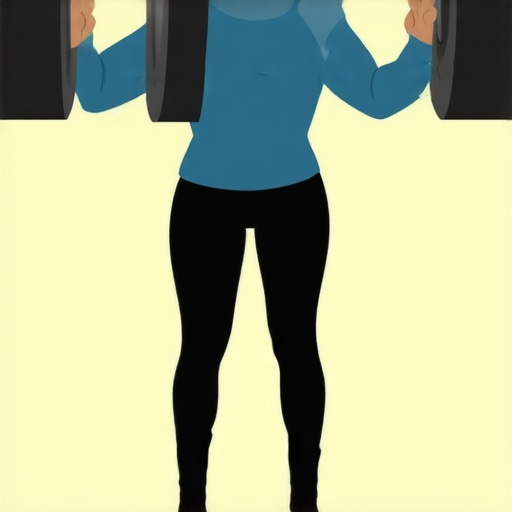
Visualize proper lifting posture with an illustration of squatting, holding close, and maintaining neutral spine alignment.
When it comes to managing sciatica and back pain, many assume that the root cause is always a straightforward nerve compression or muscle strain. However, this oversimplifies the intricate nature of these conditions. A common misconception is that pain originates solely from localized issues, when in fact, the nervous system, posture habits, and even psychological factors play significant roles. For example, ongoing research shows that *sensitization* of the nervous system can cause pain to persist long after the initial injury has healed, making it seem as if the problem is ongoing when it’s actually an overactive pain response (source: [The Neurobiology of Chronic Pain](https://bodyrenewtherapy.com/conquering-sciatica-proven-approaches-to-end-discomfort-now)).
Another myth is that aggressive stretching or immediate use of heat can quickly resolve chronic neck or back pain. In reality, these strategies can sometimes exacerbate the problem if misapplied, especially without addressing underlying posture imbalances or nerve irritations. For example, stretching tight hip flexors might feel relieving initially but could aggravate sciatic nerve compression if the pelvis is inherently tilted forward.
A crucial nuance many overlook is the role of *movement patterns* over isolated muscle strengthening. Evidence suggests that restoring functional movement—like proper hip hinge mechanics—is more effective than traditional exercises that isolate specific muscles (see [Enhance Your Back Mobility with Simple Exercises](https://bodyrenewtherapy.com/enhance-your-back-mobility-ergonomic-tips-for-everyday-comfort)).
Why does persistent pain sometimes refuse to respond to conventional treatments?
This question leads us into the realm of *central nervous system involvement*. When pain continues despite addressing localized issues, it’s often due to central sensitization—where the brain amplifies pain signals. Recognizing this can prevent futile interventions and steer focus toward *neuroplasticity-based therapies*, such as gentle movement, desensitization, and stress reduction. Incorporating these approaches is supported by recent clinical studies demonstrating their efficacy in long-term pain management (source: [Neuroscience of Pain](https://bodyrenewtherapy.com/neck-pain-solutions-proven-techniques-to-regain-your-range-of-motion)).
Recognizing these nuances is essential for advancing beyond symptomatic relief and truly addressing the root factors influencing your pain. Just as improving ergonomic setups can have a transformative effect, understanding the complex interplay of nerves, posture, and movement can unlock sustainable recovery. Remember, quick fixes rarely work for chronic issues. Instead, embracing a comprehensive, personalized approach based on these deeper insights will yield lasting relief.
Have you ever fallen into this trap? Let me know in the comments.Maintaining your back, neck, and overall mobility requires smart tools and consistent routines. One device I swear by is a high-quality foam roller. I use it daily to release tight fascia and prevent muscle knots that often lead to discomfort. Specifically, my favorite is the TriggerPoint GRID foam roller because it offers firm pressure with some flexibility, making it versatile for different muscle groups. Regular rolling helps improve circulation, keeps tissue pliable, and reinforces my commitment to long-term pain prevention.
What’s the Best Way to Stay Consistent with Your Back Care Routine?
Establishing a habit is essential. I schedule my mobility exercises first thing in the morning or during breaks at work. Using reminders on my smartwatch ensures I don’t forget. Additionally, keeping a small journal to track improvements and setbacks helps me stay motivated and adjust my routines as needed. Investing in ergonomic tools, like a supportive lumbar cushion for my office chair, proved invaluable. It’s small adjustments like these that have significantly boosted my resilience against flare-ups. Looking ahead, I predict smarter, personalized tech—like smart posture sensors—that will automatically alert you when you’re slouching or putting strain on your neck, making prevention effortless. To keep your back functioning well, I recommend incorporating daily mobility exercises, such as the simple routines outlined in this guide. Proper tools and consistency form the foundation of lasting results.
What I Wish I Knew About Everyday Movements
One of the most profound lessons I learned was that tiny tweaks in how we approach daily tasks, like lifting groceries, can prevent chronic pain. It’s tempting to think these are simple habits, but they shape your long-term mobility and comfort. Realizing that working with my body’s mechanics rather than against it transformed my recovery.
Why Ignoring Posture Turns Small Problems Into Big Ones
Initially, I underestimated the importance of maintaining a neutral spine, especially when fatigued or distracted. Over time, I understood that consistent posture awareness is a cornerstone of back health. This lesson pushed me to adopt daily habits like mindful sitting and standing, which keep pain at bay.
The Power of Personal Experience Over Generic Advice
I found that advice from friends or even well-meaning videos only takes you so far. Personal experimentation—what works uniquely for your body—becomes vital. My journey taught me to listen to my pain signals and adapt accordingly, developing a deeper understanding of my back’s needs.
Why Flexibility Isn’t the Whole Solution for Back Pain
Early on, I thought stretching was the fix-all. Yet, I discovered that strengthening and correct movement patterns are equally crucial. Embracing a balanced approach helped me improve resilience and avoid setbacks, emphasizing that back health requires harmony, not just flexibility.
How Mindset Shapes Your Back Recovery
Finally, I realized that mindset plays a silent yet powerful role. Cultivating patience, patience, and a positive outlook fueled my perseverance through setbacks. Taking ownership of my healing journey turned frustration into proactive change, making all the difference in achieving lasting relief.
My Essential Toolkit for Back and Sciatica Relief
Based on my experience, I trust a combination of targeted mobility tools and expert guidance. Simple exercises that focus on functional movement have been game-changers. I also rely on ergonomic supports like lumbar cushions and foam rollers like the TriggerPoint GRID foam roller. These tools bolster my daily routine and help maintain my progress.
Keep Moving Forward: Your Healing Starts Today
Remember, managing sciatica, neck pain, or back stiffness is a journey, not a quick fix. Every effort you make builds resilience and moves you closer to a pain-free life. Embrace small, consistent changes, and celebrate your progress. Your better, healthier back is within reach — start today.
What simple habit will you try to improve your back health this week? Share your plan below — I’d love to hear your goals!
,