
Why your workout might be causing your pelvic tilt

I spent three years chasing a ‘strong’ back only to realize I was actually building a bridge to chronic discomfort. I’d finish a heavy leg day, feeling like a champion, only to find that standing in the grocery line ten minutes later felt like a slow-motion car crash in my lumbar spine. I was doing everything by the book—or so I thought. The reality? My obsession with ‘glute gains’ and ‘perfect’ posture was actually reinforcing an anterior pelvic tilt that left me feeling stiff, brittle, and frustrated. I remember staring at the gym mirror, puffing out my chest after a set of heavy squats, thinking I looked like an athlete. But every time I walked away from the rack, my lower back felt like it was being compressed by a hydraulic press. I was ‘strengthening my core,’ while actually training my pelvis to dump forward like a bucket of spilled water. That ‘gym-bro’ arch wasn’t power; it was a disaster waiting to happen.
Why Your Squat Rack Sessions Are Sabotaging Your Spine
It sounds backward, right? You go to the gym to get stronger, yet you walk out feeling like your hips are locked in a cage. The truth is, many of our favorite ‘functional’ movements—like deep squats or heavy deadlifts—can actually worsen a tilted pelvis if your recruitment patterns are off. I made the classic mistake of thinking I just had tight hamstrings. I spent hours stretching my hamstrings, not realizing that the hidden reason your hamstrings always feel tight is often because they are overstretched and screaming for help from a tilted pelvis. When your pelvis dumps forward, it pulls those muscles taut like a guitar string. Stretching them further is like trying to loosen a knot by pulling both ends. It’s a cycle of frustration that I lived for far too long.
Can a ‘Correct’ Workout Really Be Bad for Your Alignment?
You might be skeptical. After all, isn’t exercise the cure for everything? Not if you’re reinforcing the ‘Donald Duck’ posture under load. According to a study in the Journal of Physical Therapy Science, roughly 85% of men and 75% of women exhibit some level of anterior pelvic tilt even without pain symptoms. The danger is when we add weight to that misalignment. I found out the hard way that your core strength won’t fix your back if your hips are locked in a forward tilt. Today, we are going to dive into why this happens and how you can reclaim your range of motion without sacrificing your fitness goals. Have you ever noticed your lower back arching excessively during a plank or a squat, no matter how hard you try to keep it flat?
Reversing the Tilt Before Your Back Screams
Understanding the link between poor posture and chronic back pain starts with realizing that your pelvis is the foundation of your entire skeleton. If the foundation is slanted, the whole house is crooked. I used to ignore the slight ‘pinch’ in my hips, thinking it was just part of getting older. It wasn’t. It was my body telling me that my hip flexors were so short they were literally yanking my spine out of place. We need to stop fighting the symptoms and start addressing the ‘why’ behind the tilt. My early workouts were based on the idea that more intensity equaled better health, but I was just building a stronger version of a broken machine. Have you ever felt that weird, sharp pinch in your hip when you’re just trying to do a simple lunge? If so, you’re not alone, and it’s likely your workout—not your age—that’s the culprit.
The solution isn’t to stop moving; it’s to change how your muscles negotiate for space. Think of your pelvis as a seesaw. On one side, you have your hip flexors and lower back muscles pulling it up; on the other, your glutes and abs pulling it down. When the front side is too tight, the seesaw stays stuck in the air. To level the playing field, you don’t just need ‘strength’—you need to stop the constant tension that is dragging your spine out of alignment.
Stop Fighting the Pull with a Five Minute Release
The first mistake I made was trying to strengthen my way out of a tight situation. If your quads are pulling your pelvis forward, no amount of abdominal crunches will fix it. You have to let the tension go first. I started incorporating the 5-minute hip flexor release for desk workers into my daily routine, especially after long drives or hours at the computer. This isn’t just about ‘stretching’; it’s about signaling to your nervous system that it’s safe to let those muscles relax. When I first tried this, I felt an immediate ‘opening’ in the front of my hips that I hadn’t felt in years. It was like finally letting the air out of a balloon that was about to pop. You can even use tools at home to help; learning how to use a foam roller on quads to relieve back pressure is a game-changer for someone who spends all day in a chair.
Wake Up Your Glutes to Anchor Your Pelvis
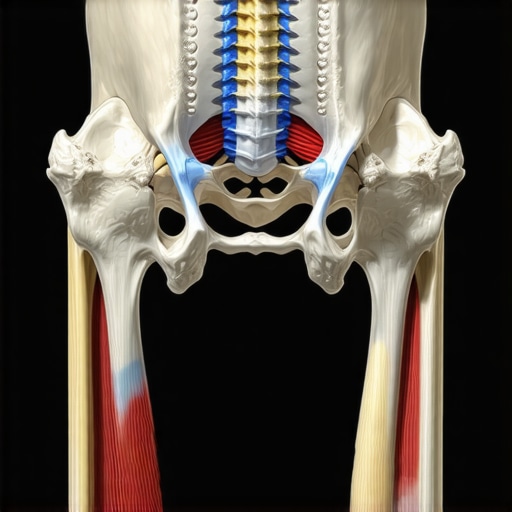
Once you’ve released the front, you have to activate the back. If your hip flexors are tight, your brain actually sends a signal to your glutes to stay ‘off.’ It’s a biological phenomenon called reciprocal inhibition. This is why your glutes are falling asleep and why your lower back is doing all the work during your workouts. I remember a specific Tuesday at the grocery store. I was standing in a long line, my back starting to throb, and I decided to try the 3-second pelvic reset you can do while waiting in line. I gently tucked my tailbone and squeezed my glutes just enough to feel them engage. For the first time in months, that sharp ‘compression’ feeling in my lumbar spine vanished. It felt messy and awkward at first, like I was trying to learn a new dance move in public, but the relief was undeniable.
Why Sucking in Your Gut Isn’t Bracing
Most people think ‘core strength’ means sucking their belly button toward their spine. I did this for years, and it only made me stiffer. Real stability comes from creating internal pressure that supports the spine from all sides. If you don’t master this, you’ll continue to struggle with your alignment every time you do chores. Understanding the correct way to use your core when lifting heavy groceries is the difference between a productive day and a week on the heating pad. You want to breathe into your sides and back, creating a solid ‘shield’ of muscle that keeps the pelvis neutral. When you combine this bracing with a neutral pelvis, you stop being a ‘broken machine’ and start moving like the athlete you were meant to be.
But here is the nuance that most fitness gurus miss: there is a massive difference between active stability and rigid stiffness. Many people who strive for that perfect, upright alignment end up over-correcting. I have seen countless movers realize that why your perfect sitting posture is making you stiffer is because they have essentially turned their spine into a frozen pillar. This constant high-tension state prevents your discs from getting the nutrients they need through natural movement. If you do not allow for a little give in your posture, you are just waiting for something to snap under pressure. Let us talk about the most common oops factor—the trap that almost everyone falls into when their back starts to ache. Your first instinct is probably to curl up and pull your knees to your chest. It feels like an immediate release, right? But if your pain is coming from a disc issue, you need to stop pulling your knees to your chest for back relief immediately. This movement can actually increase the posterior pressure on your lumbar discs, potentially turning a minor ache into a full-blown crisis. If you are not sure, it is worth checking is your back pain a sign of something more serious before you double down on the wrong stretches.
Is Your Yoga Routine Secretly Flaring Your Sciatic Nerve?
Many advanced movers assume that if they are flexible, they are safe. This is a dangerous myth. In fact, if you have underlying nerve sensitivity, traditional forward-folding yoga poses can act like a cheese wire on an irritated nerve. A study published in the Journal of Orthopaedic & Sports Physical Therapy notes that neural sensitivity often requires gliding rather than aggressive stretching. This explains why your favorite yoga pose might be making your sciatica worse. Instead of chasing the deepest stretch, you should focus on targeted decompression, such as the one hip stretch that relieves pressure on the l5-s1 disc. 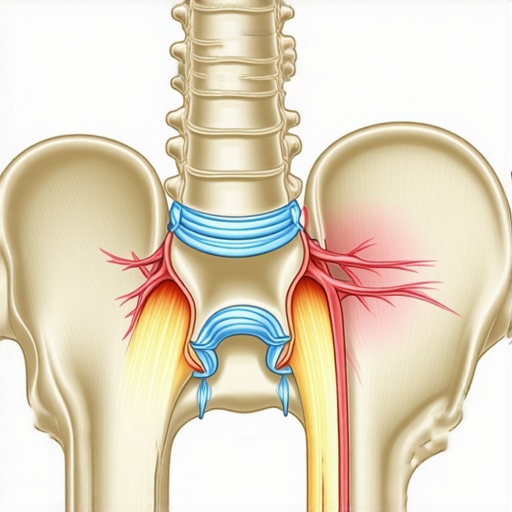 We also have to address the pain-tension cycle. When we expect pain, our muscles guard our spine before we even move. This guarding is a neurobiological reflex, but it becomes a maladaptive habit that leads to chronic tightness. The advanced mistake is treating the muscle as the enemy when it is really the messenger. If your brain does not feel safe in a movement pattern, no amount of foam rolling will provide long-term relief. Ultimately, your recovery is not about doing more—it is about doing the right things in the correct order. Releasing tension first, then gently restoring movement, and finally building functional stability is the only way to break the cycle. Have you ever fallen into this trap where a healthy exercise made your pain worse? Let me know in the comments.
Maintaining a healthy back isn’t a finish line you cross; it is a series of small, intentional upgrades to your daily environment. Once I realized that why maintenance care is better than waiting for a spinal crisis was the missing piece of my recovery, my entire approach shifted from ‘fixing’ to ‘preserving.’ I stopped looking for the next magic stretch and started looking at the surfaces I touched every day. For example, I realized my desk setup was a slow-motion injury. I learned that how to pick a chair that actually supports your lumbar curve is worth more than ten massage sessions. I personally use a chair with a mesh back and adjustable depth because it prevents my pelvis from sliding into that dreaded posterior tilt during long writing sessions.
The Gear That Keeps My Lower Back From Locking Up
I don’t believe in expensive, flashy gadgets that gather dust. My ‘toolkit’ is surprisingly low-tech. My most used tool? A simple tennis ball. I’ve found that how a simple tennis ball can fix deep glute tension is the most effective way to address those ‘blind spots’ in my hips that my hands can’t reach. I place it right against the gluteus medius while leaning against a wall and breathe into the pressure. It’s an aggressive, specific release that resets my pelvis after a long day. If I’m at my standing desk, I’ve mastered the best way to transition from sitting to standing with a disc bulge to ensure I’m not shock-loading my spine every time I change positions. This isn’t just about ‘standing more’; it’s about the mechanics of the transition itself.

How do I maintain my mobility without spending hours at the gym?
Maintenance is about ‘spine hygiene.’ Dr. Stuart McGill, a leading expert in spine biomechanics, emphasizes the concept of ‘sparing’ the spine during daily tasks to allow tissues to heal and stay resilient. This means mobility mastery daily tips to keep your spine and joints healthy should be woven into your chores. When I’m at the office, I use the 30-second wall slide for instant shoulder blade relief every time I get up for water. It resets my thoracic spine and prevents that ‘tech neck’ slump from setting in. To keep my upper body in check, I also focus on revitalize your neck effective techniques for lasting pain relief, ensuring my cervical spine isn’t bearing the brunt of my concentration.
What the Next Decade of Mobility Looks Like
Looking ahead, I predict we are moving toward ‘Bio-Responsive Environments.’ We are already seeing the start of this with haptic feedback wearables that buzz when your posture slumps, but the future is likely integrated sensors in our clothing and furniture that adjust support in real-time. We are moving away from ‘static’ ergonomics toward ‘dynamic’ support that understands our unique spinal curvatures. Until then, the best defense is a proactive offense. If you want to see an immediate difference, I challenge you to try the tennis ball release I mentioned above tonight before bed. Your glutes—and your lower back—will thank you tomorrow morning. Consistency in these small habits is the only way to ensure you aren’t just ‘pain-free’ today, but mobile for the next twenty years.
The Hardest Lessons I Learned About My Own Body
After years of trial and error, I finally realized that my body wasn’t ‘broken’—it was just speaking a language I hadn’t learned yet. One major breakthrough was understanding that how chronic stress manifests as physical back tension is a real, biological process, not just ‘all in my head.’ I had to stop treating my spine like a structural problem and start treating it like a living system. Another lightbulb moment? Realizing that the fix for that constant burning sensation between your shoulder blades often starts at the hips. When I fixed the tilt, the upper body tension often followed suit.
The Practical Tools in My Recovery Kit
I don’t believe in magic pills, but I do believe in the right equipment. To keep my progress on track, I rely on a few non-negotiables. First, the mobility mastery daily tips to keep your spine and joints healthy serve as my North Star for movement. For targeted relief, I always have a tennis ball nearby; learning how to use a tennis ball to relieve glute tension was arguably the cheapest and most effective therapy I ever found. I also recommend checking out Dr. Stuart McGill’s work on spine hygiene if you want the gold standard in biomechanics. Lastly, never underestimate the power of a simple adjustment—I’ve seen how professional adjustments improve your balance and coordination first-hand when self-care hit a plateau.
Take the First Small Step Today
Healing from chronic back pain is rarely a straight line, but it is entirely possible once you stop fighting against your own anatomy. You don’t need to spend hours in the gym or buy a thousand-dollar gadget. You just need to commit to the small, intentional habits we’ve discussed. Whether it’s a quick pelvic reset or a 5-minute hip release, the cumulative effect of these choices will be your greatest asset. Don’t be afraid to start small; even the longest journey begins with a single, mindful breath and a better-aligned pelvis.
What is your biggest hurdle right now?
Have you ever noticed your back pain flaring up after a specific workout or a long day at the office? Let me know in the comments below, and let’s figure out how to get you moving freely again!