
The secret to pain-free gardening for people over fifty
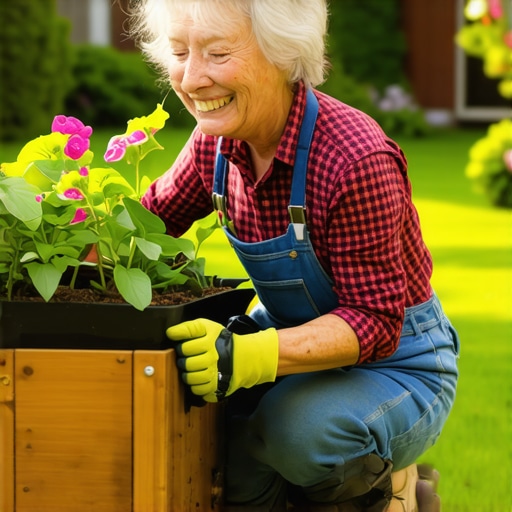
I remember the exact moment I realized my relationship with my rosebushes had turned toxic. It was a gorgeous Saturday morning, and I was determined to get all thirty bushes pruned before lunch. I spent four hours hunched over, hacking away at rogue stems, feeling like a champion of the suburbs. But when the clock struck noon and I tried to stand up, my body simply said ‘no.’ I ended up crawling—literally crawling—across the lawn because a sharp, electric zip of pain shot down my leg every time I tried to straighten my spine. That ‘lightbulb moment’ wasn’t a flash of inspiration; it was a bolt of sciatica that forced me to admit my old gardening habits weren’t going to fly anymore. Today, I want to show you exactly how I flipped the script so you can keep your hands in the dirt without spending the rest of the weekend on a heating pad. We are going to tackle the body mechanics, the tools, and the pacing strategies that make the difference between a productive afternoon and a week of misery.
Stop Treating Your Spine Like a Rusty Shovel
The biggest mistake I made early on was thinking that ‘gardening’ didn’t count as a workout. I would roll out of bed, grab my trowel, and start hauling 40-pound bags of topsoil without even a simple warm-up. I treated my lower back like an unbreakable lever rather than a delicate system of discs and nerves. According to research published by the University of Florida, gardening is officially categorized as a ‘high-intensity’ activity for seniors, yet we rarely treat it with the same respect as a gym session. My stubbornness led to a season where I couldn’t even reach for my pruning shears without a grimace. I eventually learned that daily tips to keep your spine healthy are non-negotiable once you hit fifty. If you’re constantly bending at the waist instead of the hips, you’re just asking for trouble.
Is a beautiful yard worth the constant physical toll?
It’s a question I asked myself every time I had to cancel dinner plans because my back was in spasms. Many of us worry that the pain is just ‘part of getting older’ and that eventually, we’ll have to trade our garden gloves for a TV remote. But here is the secret: it is usually our technique, not our age, that is the problem. I used to think I was saving time by twisting my torso to reach a weed instead of moving my whole body, but that rotation is exactly how I ended up needing expert strategies for lasting comfort. You have to learn how to do a proper squat to protect your knees and back, especially when you are working at ground level. Ignoring these small adjustments is a recipe for disaster. Have you ever felt that terrifying ‘twinge’ while reaching for a bag of mulch and wondered if your back pain was a sign of something more serious? I’ve been there, and I can tell you that the solution starts with changing how you move before you even pick up a shovel. We are going to look at the ‘hip-hinge’ and why locked hips are the real enemy of your core. This isn’t about working less; it’s about working in a way that lets you enjoy your harvest without the limp.
Master the Hip Hinge to Save Your L5-S1
Think of your spine as a delicate stack of plates. If you lean forward and round your back while digging, you are basically tipping that stack over and hoping gravity doesn’t win. The ‘hip hinge’ is your insurance policy. Instead of folding at your belly button, you need to push your hips back toward the fence behind you, keeping your back as flat as a tabletop. It is exactly how to do a proper squat to protect your knees and back. When I first tried this while planting my tulip bulbs last spring, I felt slightly ridiculous—like I was sticking my rear end out for the whole neighborhood to see. But for the first time in years, I stood up after an hour of digging without that sickening ‘crunch’ in my lumbar. If your hips are tight, this move is going to feel impossible, which is why your core strength won’t fix your back if your hips are locked. You have to unlock that range of motion first to let your glutes do the heavy lifting instead of your small spinal muscles. 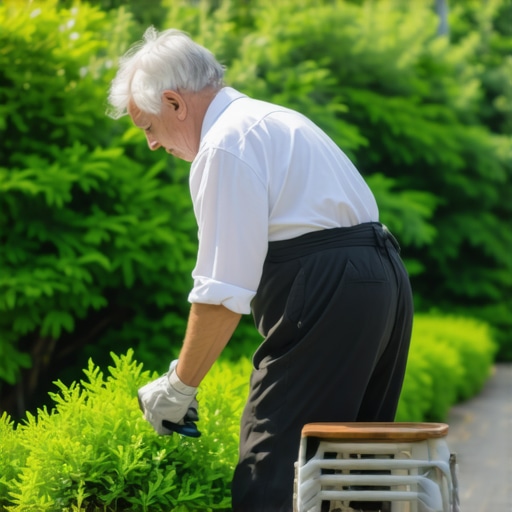
Stop Reaching and Start Walking to the Weed
There is a ‘danger zone’ in gardening—it is anything more than eighteen inches away from your belt buckle. I call it the ‘Bowling Ball Effect.’ Imagine holding a ten-pound bowling ball; if you hold it against your chest, it is easy. If you hold it at arm’s length, it feels like fifty pounds and pulls your shoulders and neck out of alignment. Every time you reach for a stubborn weed instead of moving your feet, you are turning your torso into a long, stressed-out lever. Last summer, I ignored this rule while deadheading my hydrangeas. I reached just a few inches too far to snip a spent bloom, and *pop*—my back went into a protective spasm. I had to learn the hard way that simple exercises that make a difference aren’t just for the gym; they prepare your body for these reach-heavy tasks. Now, I make it a point to shuffle my feet every time I move my shears more than a foot. It sounds tedious, but it is better than wondering if your back pain is a sign of something more serious later that night.
Get Low Without the Glow of a Back Spasm
If you are still bending over from a standing position to pull weeds, you are fighting a losing battle against physics. You need to get your center of gravity down. Using a garden kneeler or a low rolling stool is a game-changer for ergonomic tips for everyday comfort. I used to think these tools were for ‘old people,’ but after a particularly nasty bout of leg pain, I realized that expert strategies for lasting comfort always involve reducing the mechanical load on the spine. When you sit on a low stool, you can keep your back neutral while your hands do the work. It is very similar to how to use a step stool to save your lower back in other parts of your life, like the kitchen or garage. By bringing the work to you, rather than diving down into it, you preserve those spinal discs for the long haul. Remember, the goal is to finish the garden, not to finish your back.I used to be a ‘stretching addict.’ Every time my back felt tight after a day in the garden, I would drop to the floor and reach for my toes, thinking I was helping myself. But here is the nuance most people miss: if you have sciatica, stretching your hamstrings can actually be the worst thing you do. When your sciatic nerve is irritated, it is like a frayed electrical wire. Pulling on it doesn’t ‘loosen’ it; it just creates more inflammation. This is why stretching your hamstrings often makes your sciatica worse. You think you are targeting a tight muscle, but you are actually yanking on a sensitive nerve.
Stop Yanking Your Hamstrings to Fix Your Back
Instead of long, static holds, you need to look at whether you’re dealing with a muscle issue or a nerve issue. You can use the toe-touch test that reveals your actual back injury risk to see how your body handles tension. A study published in the Journal of Orthopaedic & Sports Physical Therapy found that ‘nerve gliding’—a gentle, rhythmic movement—is significantly more effective at reducing pain than traditional stretching for people with nerve-related back issues. 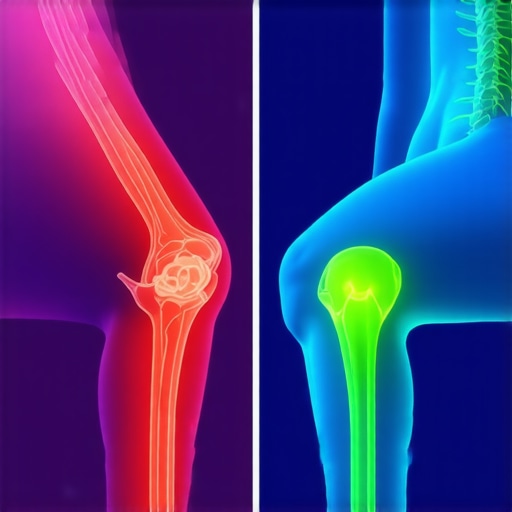
Why does my sciatica flare up even when I am just sitting still?
It is incredibly frustrating to feel that lightning bolt of pain when you aren’t even moving. The hidden culprit is often your ‘static load.’ I found out the hard way that why your favorite recliner might be the cause of your sciatica flares is because it puts your spine in a subtle, rounded position for hours. This constant pressure on the discs is actually more taxing than a short burst of heavy lifting. If you’re trying to figure out the source of the fire, you have to know how to tell if your sciatica is a disc or muscle issue.
The C-Shape Stretch Trap
Another common mistake is the classic ‘knees-to-chest’ stretch when your back is in an acute spasm. While it feels good for about thirty seconds, you are actually stretching your back into a C-shape, which can increase the outward pressure on your spinal discs. It is a ‘trap’ that keeps you in a cycle of temporary relief followed by more pain. Have you ever fallen into this trap? Let me know in the comments. I used to do this every night before bed, wondering why I was still stiff in the morning, only to realize I was essentially poking a bruise. We need to shift toward back pain breakthroughs that prioritize stability over raw flexibility. I also discovered that how we sit after gardening matters just as much as how we move in the dirt. Most of us finish our yard work and collapse onto the sofa. But why your couch is the secret cause of your morning back stiffness is because it allows your pelvis to tilt backward, putting your lumbar spine in a vulnerable ‘slump.’ It’s the subtle, hidden habits that differentiate the pros from the people who end up in a waiting room. You have to be proactive and understand that why maintenance care is better than waiting for a spinal crisis. It’s about building a lifestyle that protects your progress.
Trade Your Trowel for Long-Handled Leverage
I used to think that to get a job done right, you had to be nose-to-nose with the weeds. I was wrong. I’ve spent the last two years replacing my hand tools with long-handled versions, specifically a Dutch hoe and a long-reach grabber. The reason is simple mechanical advantage: these tools allow me to maintain a vertical posture while working. If you are constantly leaning, you are putting a massive load on your lumbar discs. I now swear by an ergonomic trowel with a curved handle that keeps my wrist in a neutral position. This isn’t just about comfort; it prevents the compensatory shoulder shrugging that leads to tension. I even learned how to use a step stool to save your lower back when I’m working in my raised beds to keep my hips at the right level. By using tools that extend your reach, you remove the ‘Bowling Ball Effect’ I mentioned earlier. I also highly recommend the ‘CobraHead’ weeder because it requires a pulling motion rather than a twisting one, which is vital for anyone who has struggled with sciatica relief secrets. 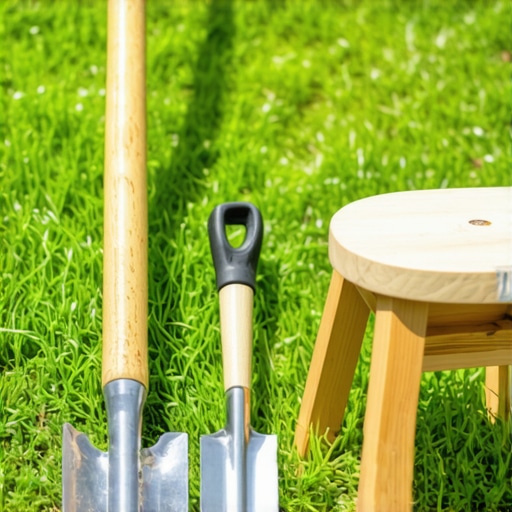
How can I maintain my gardening stamina as I get older?
The secret is what I call ‘The 15-Minute Rule.’ I set a vibrating timer on my watch for fifteen minutes. When it goes off, I stop, stand up straight, and do the 10-second hip reset for relief after sitting or kneeling. I don’t care if I’m in the middle of planting a prize-winning peony; I stop. This prevents the cumulative ‘creep’ of soft tissue deformation. According to the late Dr. Thomas Waters, a lead researcher for NIOSH, the way we handle repeated small loads (like pulling weeds) can be just as damaging as one big lift if we don’t allow the tissues to recover. This type of proactive approach is exactly why maintenance care is better than waiting for a spinal crisis. You should also incorporate simple exercises that make a difference into your morning routine before you even step outside. If you wait until you feel the twinge to stop, you’ve already lost the battle.
Smart Sensors in the Soil and on Your Spine
Looking ahead to the next few years, I predict we are going to see a massive surge in ‘smart’ gardening gear. We’re already seeing wearable biofeedback devices that vibrate when your lumbar spine enters a high-risk flexion zone. Imagine a pair of garden gloves that track your grip force and warn you before you flare up your carpal tunnel or neck. Until that tech becomes mainstream, we have to be our own sensors. You have to be able to tell if your back pain is a sign of something more serious by listening to the subtle signals of fatigue. I’ve found that my ‘recovery’ time has dropped from three days to zero just by switching to a rolling garden cart instead of a heavy bag. If you are struggling to find a rhythm that doesn’t hurt, I strongly encourage you to contact us to discuss a personalized mobility plan. My challenge for you this weekend: set a timer for 15 minutes during your next yard session and perform three slow hip hinges every time it rings. Your spine will thank you on Monday morning.
Lessons From the Dirt That No Manual Mentions
I used to think ‘pushing through’ was a badge of honor. It isn’t; it’s a fast track to a physical therapist’s office. The most important tool in your shed isn’t your pruners, it’s your awareness of how poor posture leads to chronic back pain. Another lightbulb moment? Realizing that ‘resting’ isn’t quitting. It’s actually part of the work. If you don’t take a break, your body will eventually take one for you, and usually at the least convenient time possible.
- The ground hasn’t moved, but your reach has limits. I stopped trying to be a hero and started bringing the ground to me using raised beds or specialized platforms.
- Soreness shouldn’t feel electric. If you feel a ‘zip’ or ‘zing,’ that is nerve talk. Stop immediately and reassess your position.
- The 15-minute timer is non-negotiable. It’s the difference between a productive weekend and a Monday morning spent in bed.
My Personal ‘Back-Saver’ Checklist
#IMAGE_PLACEHOLDER_E#
If you’re serious about longevity in the garden, you need more than just a green thumb. I swear by my long-handled Dutch hoe; it lets me weed without that dangerous forward lean. I also never step outside without a thick, high-density foam kneeling pad that has sturdy side handles to help me stand back up—this is crucial for managing back pain in 2025. Finally, I always keep a tennis ball in my pocket. It sounds weird, but I’ve learned how a simple tennis ball can fix deep glute tension while I’m taking my water break.
Keep Your Hands Dirty and Your Spine Happy
Gardening is supposed to be a sanctuary, not a source of dread. You don’t have to give up the roses just because your lower back is acting up. By shifting your mechanics and respecting your body’s limits, you can continue to find peace in the soil. If you ever feel like you’re losing the battle against chronic aches, don’t wait for a crisis; explore these back pain breakthroughs or reach out to contact us for a plan tailored to your needs. You’ve got many more seasons ahead of you, so let’s make sure they are pain-free.
Which part of your garden usually gives your back the most trouble—the weeding, the mulching, or the planting? Let me know in the comments below!