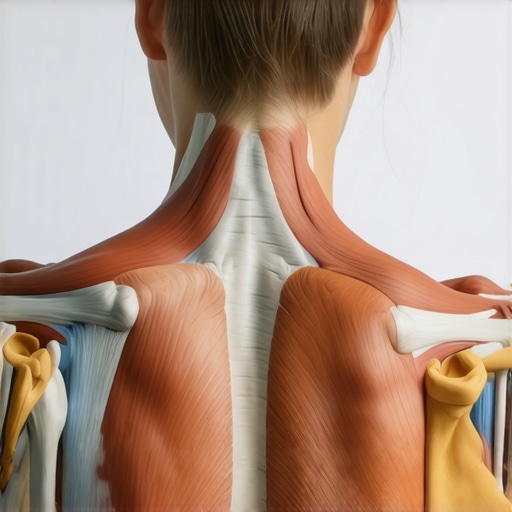
Have you ever woken up with that dull, nagging ache in your neck, only to realize later that it’s not really your neck at all? I remember countless mornings when I felt that tightness creeping up, convinced I needed a new pillow or a quick cortisone shot. But after a series of missteps, I had a lightbulb moment that changed everything: sometimes, what feels like neck pain is actually coming from your shoulder blades. It sounds simple, but it was a game-changer for me—and it might be for you, too.
How Shoulder Blades Could Be the Hidden Culprit Behind Neck Pain
This realization dawned after much trial and error, and honestly, a lot of frustration. I used to think, “My neck just hurts because I sit too long” or “Maybe I need a better mattress.” Those might be partial truths, but they’re often missing the bigger picture. What I didn’t understand then was how interconnected our upper back, especially the shoulder blades, are with neck health. When your shoulder blades aren’t moving or aligning properly, they can strain your neck muscles, leading to persistent pain that seems to have no clear source.
Research shows that imbalances or restrictions in shoulder blade mobility can cause or worsen neck discomfort. In fact, a study published in the Journal of Physical Therapy highlights how overlooked shoulder mechanics often masquerade as neck pain. So, if you’re tired of chasing temporary fixes—like hot packs or neck braces—that barely scratch the surface, it might be time to look beyond the neck itself.
Are you tired of waking up with a stiff, sore neck that sticks around longer than it should? Believe me, I’ve been there. And I promise, the solution often lies in understanding the full picture—especially the role of your shoulder blades and upper back. Before diving into exercises or routines, I want to share a quick story about a mistake I made early on that could make all the difference for you, too.
Is It Worth the Effort, or Just a Fad?
I once convinced myself that I could stretch my neck muscles endlessly and that would solve the problem. Turns out, I was missing the fundamentals—like addressing shoulder blade mobility and posture. It’s common to get trapped in quick fixes, but I learned that lasting relief comes from a holistic approach. For tips on how to boost your back mobility and prevent this lingering pain, check out some of the practical strategies on Simple Exercises for Better Mobility. Ready to take back control? Let’s explore how you can identify and fix this sneaky issue.
Assess Your Posture and Movement Habits
Identify patterns that strain your shoulders and neck. I once caught myself slouching at my desk, which over time worsened my discomfort. To start, observe how you sit and move daily. Are your shoulders rolled forward? Do you crane your neck to view your screen? Making small adjustments, like sitting with your back straight and shoulders relaxed, can lessen strain. Consider setting up ergonomic your workspace using tips from ergonomic adjustments.
Implement Targeted Shoulder Blade Mobilization
Mobilizing your shoulder blades improves stability and relieves tension. I began incorporating gentle scapular squeezes—pinching my shoulder blades together for 5 seconds, then releasing. At first, it felt awkward, like trying to lift a heavy weight with shaky arms. Persisting, I noticed decreased tightness in my upper back and less neck discomfort. Simple exercises like wall angels or doorway stretches, described in mobility drills, can enhance shoulder mobility. Perform these daily, keeping movements deliberate and controlled.
Do this to unlock shoulder movement:
- Squeeze shoulder blades together, hold for 5 seconds.
- Circle shoulders forward and backward slowly.
- Stretch upper chest to counteract rounded shoulders.
Strengthen Supporting Muscles
Weak upper back muscles often contribute to poor posture. I added rows and reverse flys into my routine, focusing on controlled reps. At first, my arms trembled, and I doubted effectiveness. But over weeks, I built better muscular support, which kept my shoulders aligned and reduced neck pain. Incorporate exercises like band pull-aparts or TRX rows, available in strengthening routines. Consistency is key; aim for 3 sessions weekly to see notable improvements.
Stretch and Release Tension Regularly
Stretching keeps muscles pliable and prevents tightening. I dedicated 10 minutes each evening to gentle neck stretches, like inclining my head side to side and slow circles. It’s akin to loosening a stiff hinge so it swings freely. Using heat or warm showers before stretching enhances elasticity. Incorporate stretches from stretching guides for best results. Remember, avoid bouncing—gentle, sustained holds are most effective.
Practice Mindful Movements and Breaks
Long periods of static posture cause muscular fatigue. I set timers to remind myself to stand, stretch, and shift positions every 30 minutes. Think of your muscles like rubber bands—keeping tension evenly distributed prevents fatigue. Utilize ergonomic tools like adjustable desks or footrests, as detailed in ergonomic tips. Incorporation of these habits fosters better alignment, reducing the likelihood of shoulder blade and neck pain over time.
Address Underlying Conditions for Lasting Relief
If pain persists despite these steps, it may signal an underlying issue like nerve compression or joint dysfunction. In such cases, consulting a professional is critical. Resources like symptom checkers can guide you. Remember, self-care is valuable, but professional assessment helps tailor effective treatment plans for lasting relief.
Many assume that neck pain and back discomfort stem solely from poor posture or injury, but in my experience, there’s a hidden layer that often gets overlooked: the role of subtle movement patterns and misunderstood myths. A common misconception is that doing endless stretching will resolve chronic pain; however, overextending without addressing underlying mobility restrictions can worsen the issue. For instance, aggressive stretching of tight muscles might lead to micro-tears or nerve irritation, especially if you don’t first assess shoulder blade mobility and joint health, as emphasized in expert research.
How can advanced mobility awareness prevent recurring pain?
Understanding the nuanced connection between joint stability, neural tension, and muscular balance is crucial. For example, working on scapular stabilization and nerve gliding techniques often provides more sustainable relief than repetitive passive stretches. Remember, a persistent misconception is that pain always signifies damage. Modern studies show that pain may instead be a protective response caused by nerve sensitization or movement dysfunction—a point supported by leading health authorities. Don’t fall into the trap of just patching symptoms with quick fixes; instead, investigate how your movement quality contributes to or alleviates your discomfort and consider consulting a professional for tailored strategies. For deeper insights, check out resources on the link between posture and pain and learn how subtle movement corrections can lead to lasting improvements. Remember, mastery of mobility isn’t about pushing through pain—it’s about precision, consistency, and understanding your body’s nuanced responses. Have you ever fallen into this trap? Let me know in the comments.
Maintaining your progress in alleviating neck, back pain, and improving mobility requires more than just sporadic exercises. Over the years, I’ve fine-tuned my toolkit to include specific equipment, software, and methods that make long-term maintenance effective and manageable. Investing in the right tools isn’t just about convenience—it’s about creating sustainable habits that stand the test of time.
Smart Equipment for Daily Alignment and Support
One of my go-to devices is a high-quality foam roller like the Meglio Foam Roller. I personally use it daily to release tension in my upper back and shoulders. Regular self-myofascial release with a roller helps maintain muscle elasticity and prevents tightness that can contribute to neck and back discomfort.
Another essential is an ergonomic chair or a sit-stand desk converter. I prefer the ErgoLift Sit-Stand Desk, which allows me to alternate between sitting and standing throughout the day. This movement variability reduces the strain on my shoulder blades and neck, helping me sustain mobility improvements over the long haul. Proper posture and position are critical, as highlighted in advanced posture tips.
Digital Tools to Track and Remind
Consistency is the backbone of symptom management. I rely heavily on apps like MobilityMaster, which send me timed reminders to perform quick mobilization drills, stretches, or posture checks. These alerts serve as digital accountability buddies, helping me avoid slouching or sitting too long—issues that can undo improvements.
Furthermore, my favorite software is a movement journal like PosturePro Tracker. Logging daily habits, discomfort levels, and mobility exercises gives me a clear picture of what works and where I need to focus more. Tracking progress over months helps reinforce habits and highlights areas needing more attention.
Guided Content and Educational Resources
Education plays a vital role in sustained success. I subscribe to exclusive online courses from experts in back health, like those offered by Body Renew Therapy. They provide advanced techniques, such as nerve gliding exercises and scapular stabilization routines, which I incorporate into my regular regimen. Knowledge of these methods empowers me to tweak my practice and adapt as I progress.
Looking ahead, I predict a rise in personalized movement platforms that integrate AI for real-time feedback—making adjustments more precise and accessible than ever. Tools that combine wearable tech with virtual coaching will likely become mainstream, offering tailored routines that evolve with your body’s needs.
Ready to cement your mobility gains? Start by integrating a simple mobility drill into your daily routine today and watch your progress stick. Don’t wait for pain to remind you—take control now!
Looking back, I realize that much of my struggle with chronic neck and back discomfort stemmed from misconceptions I held about mobility and posture. A crucial lesson I learned is that the real cause was often lurking beneath the surface—like my shoulder blade mobility—and not just in the neck or lower back alone. Recognizing this shifted my entire approach, giving me confidence that genuine relief is achievable through targeted, holistic strategies. Embracing this mindset empowered me to integrate smarter exercises, better ergonomic habits, and timely professional guidance, transforming my journey from frustration to freedom. If you’ve been chasing quick fixes without lasting results, remember: understanding the nuanced role of your body’s interconnected parts is the key to enduring relief and renewed mobility.