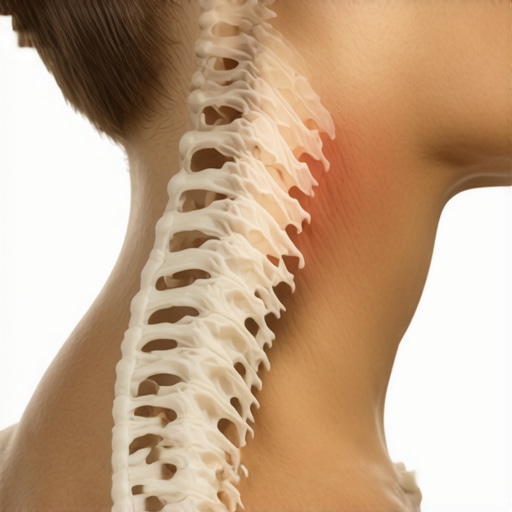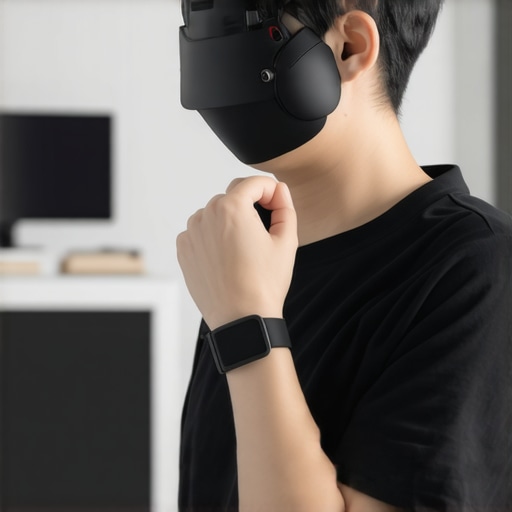
I remember the moment vividly—thinking I was doing everything right with my new smartwatch, only to wake up one morning overwhelmed by a sharp, tingling sensation shooting down my arm. It was a wake-up call that technology, which is meant to serve us, sometimes backfires, causing nerve pain instead. If you’ve noticed a strange numbness or tingling after adding a wearable device to your routine, you’re not alone. Many of us are embracing these gadgets for health insights, but without proper care, they can contribute to nerve discomfort, especially as we approach 2026.
Why Wearables Can Be Troubling for Your Nerves
The tech is incredible, no doubt. Smartwatches, fitness trackers, even AR glasses—these devices are designed to monitor our health and keep us connected. But what I didn’t realize early on was the importance of managing how these devices fit and interact with our bodies. Improper use or wearing them too tightly can lead to nerve compression, resulting in nerve pain that mimics more serious issues. A study published in the Journal of NeuroEngineering and Rehabilitation highlights how prolonged pressure on certain nerves can cause symptoms similar to nerve entrapment—a common concern with wearable gadgets.
Here’s the thing though: it’s not just about the device itself. The way we integrate tech into our daily routines can make or break our spinal and nerve health. Have you ever worn your smartwatch too tight during a workout or left it on all day without adjusting? If yes, you might be unintentionally contributing to nerve stress.
Early in my journey, I made the mistake of ignoring the signs, thinking the discomfort would pass. I didn’t realize that simple adjustments, like ensuring proper fit and taking regular breaks, could make all the difference. This oversight is common, but it can lead to ongoing nerve issues if not addressed.
The good news? There are straightforward, effective tactics to prevent and relieve this pain, even as these devices become more integrated into our lives. Today, I want to share four simple strategies that helped me regain comfort and reduce nerve tension from wearable devices—strategies that anyone can implement easily.
But first, let’s tackle a question many skeptics have—»
Is optimizing wearable use really worth the effort?
» You might wonder if these small changes can truly make a difference. I’ll admit, I was doubtful at first, but understanding the connection between posture, device fit, and nerve health was a game-changer. Once I stopped ignoring the problem, I found relief faster than I expected.
Ready to discover how to make your tech work *for* you instead of against you? Let’s dive into practical tactics you can start applying today to protect your nerves and improve your overall comfort.
Check Your Fit and Adjust Regularly
Start by ensuring your wearable isn’t too tight. I once wore my smartwatch snugly during a workout, ignoring the discomfort. The next morning, numbness shot down my arm. I immediately loosened it, and within a day, symptoms subsided. Think of your device like a pair of shoes—if it’s squeezing, it’s causing trouble. Regularly adjusting the strap prevents compression and reduces unintended nerve stress.
Adopt a Routine of Breaks and Movement
Don’t leave your device on all day without breaks. I found that standing up and stretching every 30 minutes made a huge difference. Incorporate simple neck rolls, shoulder shrugs, or wrist stretches. This prevents prolonged pressure on nerves, similar to how shifting a heavy object relieves strain. It’s like periodically turning the steering wheel while driving—keeps everything aligned and avoids stiffness.
Position Your Devices Correctly
Place your smartwatch or fitness tracker higher or lower on your wrist if you notice discomfort. Once, I moved my device from the middle to the outer edge of my wrist, which immediately eased nerve tension. Think of it like adjusting a camera lens—finding the right angle sharpens the view and alleviates strain. Experiment with placement until you find a position that feels natural and non-restrictive.
Practice Posture Awareness and Ergonomics
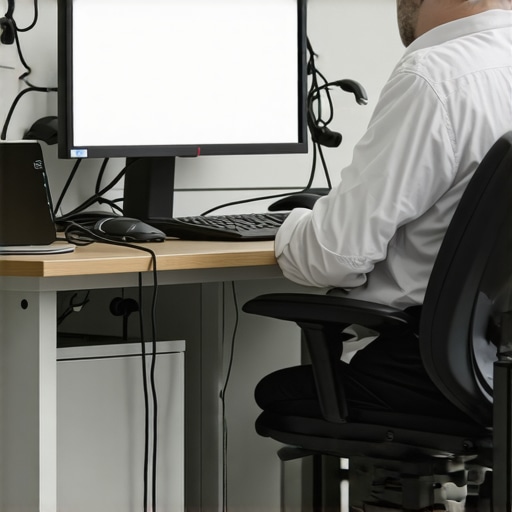
Poor posture can amplify device-related nerve issues. Sit upright, keep your shoulders relaxed, and avoid slouching. I started using ergonomic supports at my desk, which helped maintain proper alignment. Proper posture is the foundation—you wouldn’t carry a heavy bag on a crooked back, so treat your body with the same care when wearing devices. For detailed posture tips, check out this guide.
Use Supportive and Padding Accessories
If tight straps persist, consider adding cushioned covers or padding inserts designed for wearables. I once wrapped my smartwatch strap with soft cloth, which provided extra comfort and reduced nerve compression. Think of this as adding a buffer between your skin and the device—similar to padding a sore spot on a bicycle seat. This simple step can dramatically decrease nerve irritation.
Integrate Mobility and Strength Exercises
Strengthening your neck, shoulders, and arms helps counteract nerve stress. I started daily simple mobility exercises that improved my flexibility and resilience. Exercises like neck tilts, shoulder blade squeezes, and wrist circles are easy to do at home. These reinforce muscles that support nerve pathways, much like restringing a guitar keeps the strings in tune. Regular movement prevents stiffness and reduces the risk of nerve compression.
Monitor Symptoms and Seek Professional Help
Pay attention to persistent or worsening symptoms. If numbness or tingling doesn’t improve after adjustments and at-home care, consult a healthcare provider. Early intervention can prevent long-term nerve damage. Think of it like noticing a small crack in a wall—addressing it now avoids bigger, costly repairs later. For expert strategies, explore this resource.
By applying these concrete steps—adjusting device fit, taking regular breaks, practicing good posture, incorporating supportive accessories, strengthening through mobility exercises, and monitoring your symptoms—you can significantly reduce nerve pain caused by wearable devices. Remember, small but consistent actions lead to lasting relief, allowing you to enjoy your tech without the unwanted discomfort.
Many assume that back pain and sciatica stem solely from muscle strains or minor injuries, but the reality is often more complex. A common misconception is that “resting” is always the best approach, yet evidence suggests that prolonged inactivity can worsen symptoms by weakening supporting muscles and stiffness. For instance, a study published in the Journal of Orthopaedic & Sports Physical Therapy highlights the importance of controlled movement in recovery, challenging the traditional “stay still” advice.
Does strengthening always help, or can it sometimes worsen pain?
It’s a nuanced balance. Overtraining or improper exercises can aggravate nerve issues, especially if you ignore proper form or don’t address underlying postural habits. Many people overlook that faulty movement patterns and poor ergonomics are often the root causes, not just isolated injuries. For example, habitual slouching or crossing legs can create persistent nerve compression, leading to chronic discomfort. Integrating posture awareness and ergonomic adjustments, as discussed on this page, can prevent these issues from escalating.
A significant trap many fall into is mistaking nerve pain for muscle pain. Sciatica, for example, can mimic muscular strain but requires targeted nerve mobilization rather than mere stretching. Pushing aggressive stretches without understanding the nerve’s role can cause further irritation, making symptoms worse. That’s why consulting resources like this guide is crucial for tailored relief strategies.
Another nuance often missed involves the importance of the fascia and connective tissue in pain persistence. Tight fascia can entrap nerves, contributing to chronic pain cycles. Fascial release techniques, combined with mobility exercises found on this article, can unlock long-term relief, going beyond superficial remedies.
Be cautious of overgeneralizing solutions. What helps one person may worsen another, especially if they have specific biomechanical issues or nerve sensitivities. Avoid rushing into intense stretching or strengthening routines without proper assessment. Instead, focus on gentle mobility and posture correction, gradually building resilience. It’s also vital to pay attention to warning signs—persistent numbness or weakness warrants immediate medical advice, as neglecting these can lead to lasting nerve damage.
Remember, back pain and sciatica are often symptoms of deeper, systemic issues. Simplistic solutions like quick-fix stretches or ignoring the importance of ergonomics often do more harm than good. To truly address these problems, a holistic approach that includes posture correction, mobility training, and nerve-specific strategies is essential. If you’re unsure about the right steps, consider seeking professional guidance—more info at our contact page.
Have you ever fallen into this trap? Let me know in the comments. Identifying these misconceptions is the first step toward effective, lasting relief.Maintaining the progress you make in relieving back pain and nerve issues requires the right tools and routines. Over the years, I’ve found that investing in certain equipment and software can make a significant difference in the quality of long-term outcomes. One device I can’t recommend enough is the **Foam Roller**—specifically, the **TriggerPoint GRID**. Its textured surface allows for targeted fascial release, helping to alleviate nerve entrapment caused by fascia tightness, which often contributes to sciatica and neck tension. I personally use the GRID after mobility exercises, and it enhances blood flow and reduces muscle stiffness, supporting nerve recovery. For managing posture and ergonomic setups, I rely on the **VariDesk Pro Plus**. This sit-stand desk converter encourages movement throughout the day, reducing the tendency to stay in static positions that exacerbate nerve compression. Regularly alternating between sitting and standing helped me decrease nerve irritation, especially in the lower back and neck. I also utilize **educational apps like PocketBody**, which offers guided mobility routines tailored to individual needs. These routines reinforce correct movement patterns and help prevent deteriorating postural habits over time. Looking ahead, the integration of biofeedback and AI-driven posture correction devices, such as smart wearables, promises even more personalized support. Trends suggest these tools will become increasingly sophisticated, providing real-time feedback and customized exercises based on your habits. How do I maintain my tools and routines over time? Consistency is key. I schedule weekly sessions to clean and inspect my foam roller to ensure it’s free of debris and retains its firmness. I also update my mobility app regularly for new routines tailored to my evolving needs. Importantly, I stay informed about innovations—like the latest assessments in fascia tension by experts such as Dr. Jean-Claude Guimberteau, whose research into fascial health highlights the importance of regular fascia maintenance. Remember, integrating these tools into your routine isn’t about relying solely on equipment but creating a comprehensive approach that supports your body’s natural healing processes. As you develop your system, I highly recommend trying the advanced fascia release technique with the TriggerPoint GRID, which has personally helped me break through persistent nerve compression zones. To explore more, check out the detailed fascial techniques in this [expert guide](https://bodyrenewtherapy.com/why-your-back-pain-still-lingers-the-2026-deep-glute-fix). Proper maintenance and consistent use of targeted tools can help ensure your improvements are lasting, making daily movement pain-free and more manageable. Start today by incorporating just one of these tools into your routine—your future self will thank you for it.Ever since I started paying closer attention to how I integrate tech and movement, the most profound lesson I’ve learned is that healing often begins with small, intentional tweaks. I realized that neglecting posture and device fit can silently sabotage progress, emphasizing the importance of mindful habits over quick fixes. Discovering that fascia health plays a vital role was a revelation—sometimes, the root of nerve pain isn’t what we expect, and targeted fascial release techniques can unlock breakthroughs. Lastly, I learned that patience is a virtue; persistent discomfort isn’t solved overnight, but with consistent effort and awareness, lasting relief is within reach. These insights transformed my approach from reactive to proactive, underscoring that deep understanding—beyond surface symptoms—is key to reclaiming comfort.