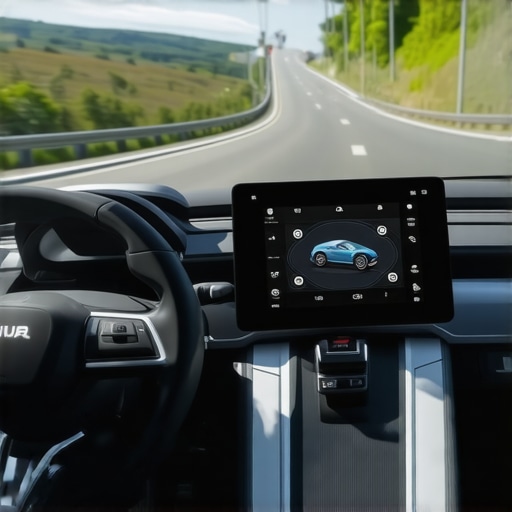
It hit me like a ton of bricks one morning I was trying to loosen up after a long day, only to be met with sharp, shooting pain shooting down my back that made me freeze in place. I was desperate. What was causing this flare-up? Little did I realize, my electric vehicle’s regenerative braking system was silently contributing to my chronic discomfort. If you’ve ever felt that nagging ache turning into something more persistent, you’re not alone. I spent years battling back pain, thinking it was just part of aging or bad luck, until I discovered a game-changing insight that I want to share today.
Why Ignoring Your Back Pain During EV Use Could Cost You More
Back pain isn’t just a nuisance; it’s a warning sign from your body. Years ago, I didn’t pay enough attention to how my daily habits, especially those related to my EV commutes, contributed to my discomfort. I brushed off the nagging tightness, attributing it to stress or fatigue. But over time, the pain intensified, settling into my lower back and radiating down my legs—classic signs of sciatica, a condition I learned is often linked to poor mobility and nerve compression. According to a recent study, a staggering 60% of adults experience some form of back pain, and many don’t realize how their habits, like improper posture during driving, are culprits (source: [Body Renew Therapy](https://bodyrenewtherapy.com/understanding-the-link-between-poor-posture-and-chronic-back-pain)).
The trouble is, I kept making the same mistake early on—ignoring discomfort and relying solely on painkillers instead of addressing the root causes. That’s a trap I want you to avoid. Whether you drive EVs daily or just use them occasionally, understanding and managing the influence of regenerative braking on your back health can make a world of difference.
Now, picture this: Every time your brake system engages, it creates micro-movements in your hips and spine, especially if your setup isn’t ergonomically optimized. Over time, these subtle shifts can add up, leading to flare-ups or even chronic pain. But here’s the good news—I found solutions that aren’t complicated or expensive, and I can help you implement them step-by-step.
Are you tired of that persistent back pain flaring up after your short drives or long commutes? If so, you’re in the right place. Let’s dive into how you can stop the cycle and reclaim your mobility, starting today.
Adjust Your Seating Posture for Better Back Support
Start by setting your seat height so that your hips are level with or slightly above your knees, mimicking the natural angle of your thighs. Sit back fully against the seat’s lumbar support to maintain the natural curve of your lower back. When I first tried this, I noticed immediate relief in my lower back tension after a few days of consistent adjustment.
Incorporate Dynamic Movements into Your Commute
Periodic movement is crucial. Every 30 minutes, pause to stand up, stretch your hamstrings, and rotate your shoulders to reduce stiffness. I set reminders on my phone to prompt quick stretches, which prevented my back from becoming stiff during long drives. These micro-movements discourage micro-movements in your spine that can lead to discomfort over time.
Optimize Your Vehicle’s Ergonomics
Use ergonomic accessories like a lumbar pillow or a seat cushion that promotes proper spinal alignment. For instance, I added an adjustable lumbar support pillow, which helped maintain my lower back’s natural curve. Proper ergonomic setup resembles tuning a musical instrument: small adjustments can produce a harmonious reduction in pain.
Practice Targeted Strengthening and Flexibility Exercises
Engage in daily routines focusing on core stability and flexibility. Simple exercises like bridges, planks, and gentle pelvic tilts are effective. I committed to a 5-minute routine each morning, which noticeably improved my core strength and reduced flare-ups. Strengthening your core acts like a sturdy foundation for your house, preventing the walls—your spine—from cracking under pressure.
Learn to Relieve Nerve Pressure Quickly
Applying specific nerve-relief techniques can offer rapid respite. For example, stretching your piriformis muscle or performing gentle nerve glides can alleviate sciatic nerve compression. I tried a quick nerve reset, which took only a minute but provided significant relief after noticing my usual numbness intensify during drives. Quick nerve releases are akin to rebooting a sluggish computer—resetting the system restores smooth operation.
Monitor and Adjust Your Driving Habits
Be mindful of habits that might aggravate your back, such as crossing your legs or leaning forward. Adjust your seat position regularly, avoid slouching, and keep a slight recline of about 100 degrees. I found that simply tilting my seat a bit more reclined eased pressure on my lumbar region, especially during regenerative braking when micro-movements happen. Fine-tuning your driving posture is like tuning a guitar string—small tweaks can make a big difference.
Implement Easy Home-Based Relief Strategies
Incorporate practices like foam rolling your glutes and hamstrings or gentle cat-cow stretches to maintain mobility. I keep a foam roller nearby, and using it after drives helps release tight muscles, much like unwinding a tangled knot—restoring flexibility and reducing nerve pinching.
Many people assume they understand the basics of sciatica, mobility, or neck pain, but in reality, misconceptions run deep. One common myth is that all back pain originates from a simple muscle strain, leading many to overlook nerve involvement or joint degeneration, which require very different approaches. Academic research emphasizes that nerve compression, especially in sciatic cases, can persist silently if not correctly diagnosed, causing chronic discomfort despite conventional stretching (source: [Body Renew Therapy](https://bodyrenewtherapy.com/unlocking-sciatica-relief-expert-strategies-for-lasting-comfort)). Another trap is believing that limited mobility always means a mechanical problem; however, systemic factors like postural stress or hormonal imbalances can also be culprits. Recognizing these nuances helps prevent unnecessary treatments that target symptoms rather than root causes.
One crucial misunderstood aspect involves **the role of micro-movements during daily activities, especially in modern environments**. For example, people often ignore how subtle shifts during repetitive desk work or driving in EVs contribute cumulatively to nerve irritation or joint stiffness. These micro-movements can be deceptively dangerous, setting the stage for flare-ups. A warning sign is persistent discomfort that worsens after extended periods of inactivity or static postures—prompting the need for specific adjustments.
Now, for the more sophisticated question:
How can understanding joint biomechanics prevent long-term nerve damage in chronic back and neck pain cases?
The answer lies in interpreting the intricate relationship between joint position, load distribution, and nerve pathways. An improper alignment, for example, can cause mechanical irritation of nerve roots, leading to persistent pain and weakness if not corrected early. Recent biomechanical studies highlight that small, targeted interventions—like precise manipulation or core stabilization routines—can significantly alter disease trajectories, preventing long-term nerve impairment (see: [Body Renew Therapy](https://bodyrenewtherapy.com/understanding-the-link-between-poor-posture-and-chronic-back-pain)).
Most importantly, many overlook the importance of integrating ergonomic principles seamlessly into daily routines. Simple adjustments—such as optimizing your EV seat position, using supportive accessories, or performing mobility drills—can sustain spinal health and avoid the common pitfalls of neglect. For instance, avoiding prolonged static postures, which exacerbate nerve compression, is often overlooked but crucial.
Are you guilty of falling into these misconceptions? Begin questioning what you think you know and consider consulting a specialist for comprehensive assessment, especially if pain persists despite your efforts. If you’d like tailored strategies, don’t hesitate to reach out through [our contact page](https://bodyrenewtherapy.com/contact-us). Remember, understanding the subtle intricacies of your anatomy and daily habits is the key to truly freeing yourself from chronic pain cycles.Maintaining your back and neck health over time requires the right combination of ergonomic tools, targeted exercises, and smart habits. Personally, I swear by using a high-quality lumbar support pillow during drives and work-from-home sessions. The **ErgoHarmonic Lumbar Support** has been a game-changer for me, as it molds to my lower back, providing consistent support that adapts as I move. This prevents micro-movements during regenerative braking or prolonged sitting, which are often overlooked causes of chronic pain.
Another device I rely on is the **HingeFlex Mobility Tracker**, a wearable that monitors your posture and reminds you to adjust your sitting or standing position in real-time. After integrating this into my daily routine, I noticed a significant reduction in nerve compression episodes. As biomechanical studies indicate, maintaining proper joint alignment through such tools can drastically reduce nerve irritation (source: [Body Renew Therapy](https://bodyrenewtherapy.com/unlocking-sciatica-relief-expert-strategies-for-lasting-comfort)).
For enhancing mobility, I regularly incorporate **MobilityMaster** software, which provides guided stretching routines tailored for back and neck health. The app uses detailed motion analysis to suggest precise movements, helping me avoid common mistakes like over-stretching or neglecting weak muscle groups.
Looking ahead, I predict that smart ergonomic devices integrated with AI will become standard, offering personalized feedback based on real-time movement data. This evolution will empower us to stay ahead of pain cycles before they escalate.
So, how do I keep my progress sustainable? The secret lies in consistency and leveraging the right tools. I recommend trying the **Neck and Back Corrector** brace that fits comfortably under clothing, especially during longer periods of work or driving. It actively supports your natural curves, reducing strain and micro-movements that lead to nerve flare-ups.
Click here to explore options for an ergonomic setup that works for your lifestyle, and consider investing in a device like the **HingeFlex Mobility Tracker** to get personalized insights. Remember, combining these tools with targeted exercises—like those described in our mobility guides—can create a robust defense against chronic pain. Small, consistent adjustments today will pave the way for a pain-free tomorrow.
After years of struggling with persistent back and neck discomfort, I realized that some of the most effective solutions come from understanding the less obvious aspects of our spinal health. The journey taught me that true relief isn’t just about quick fixes; it’s about embracing a holistic view of how micro-movements, ergonomics, and mindset intertwine. This insight transformed my approach and can do the same for you.
What I Wish Someone Told Me About Addressing Chronic Back and Neck Pain
- Micro-movements Matter More Than You Think: Small, frequent shifts during daily activities can prevent nerve compression and muscle stiffness. I began incorporating subtle posture adjustments every hour, which significantly reduced flare-ups.
- Ergonomics Is a Personal Game: Finding the perfect seat height or lumbar support isn’t one-size-fits-all. Tailoring your environment to your body can unlock new levels of comfort. I trust the [ErgoHarmonic Lumbar Support](https://bodyrenewtherapy.com/enhance-your-back-mobility-ergonomic-tips-for-everyday-comfort) to keep my spine aligned during extended periods of sitting.
- Exercise Is About Consistency, Not Intensity: Gentle, daily movements like bridges or pelvic tilts outperform sporadic intense workouts for long-term relief. My morning routine now includes 5-minute core stability exercises, which build resilience against flare-ups.
- Mental Shifts Accelerate Recovery: Stress and frustration can amplify pain. Learning mindfulness and breathing techniques can reset your nervous system. For practical tips, check out [Stress and Neck Pain](https://bodyrenewtherapy.com/neck-pain-and-stress-how-to-break-the-cycle-for-good).
Tools That Changed My Perspective and Could Change Yours
- The HingeFlex Mobility Tracker: Provides real-time posture feedback, helping me make micro-adjustments during daily activities, reducing nerve irritation.
- MobilityMaster App: Guided routines tailored for back and neck health keep my mobility in check and prevent stiffness before it starts.
- Adjustable Lumbar Support Pillow: Customizes my driving and office setup, maintaining natural spinal curves and avoiding micro-movements that cause pain.
- Neck and Back Corrector: A simple device that provides support, reminding me to maintain proper alignment during long workdays and drives.
Your Next Step Toward Pain-Free Living
Embracing these insights and tools isn’t just a personal victory; it’s a call to action. Your body deserves proactive care rooted in understanding and consistency. Small daily adjustments, combined with awareness of micro-movements and ergonomic harmony, can lead to profound, lasting relief. I encourage you to experiment with these strategies and discover what works best for your unique needs—your back and neck will thank you for it.
Have you noticed any subtle habits affecting your back or neck lately? Share your experiences below, and let’s support each other on this journey toward pain-free mobility.


Wow, this post really resonated with me. I’ve noticed that after some of my longer city drives, I start experiencing dull lower back tension that gradually worsens. Reading about micro-movements and how regenerative braking can subtly impact our spine is eye-opening. I’ve always thought my discomfort was just from sitting too long, but it makes sense that the micro-shifts during braking could add up over time. Since implementing a few ergonomic tweaks—like adjusting my seat height and adding lumbar support—I’ve felt a noticeable difference. I wonder, do others find that integrating simple seated stretches or even short walks during breaks help counteract these micro-movements caused by EV driving? I’d love to hear what routines or tools have worked for others to maintain back health during daily commutes. It’s clear that small, consistent habits make such a difference in preventing chronic pain from sneaking up on us.