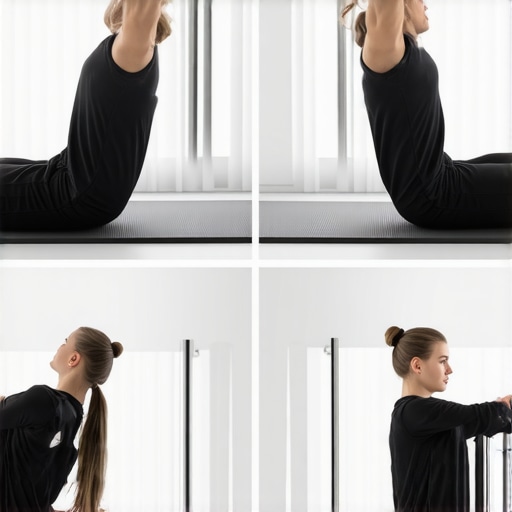
It was a morning like any other—until I bent down to pick up my grocery bags, and suddenly, a sharp twinge shot through my lower back. That relentless stiffness had been creeping in for weeks, but that moment was the wake-up call I desperately needed. If you’ve ever experienced that terrible jolt or the slow, creeping numbness in your lower back, you know how it can hijack your day—and your life.
The thing is, I used to brush it off, thinking it’s just part of getting older or a sign to rest more. But I learned the hard way that ignoring persistent back stiffness can lead to ongoing pain, limited mobility, and even more serious health issues down the line. That’s why I dedicated myself to finding faster, smarter ways to reclaim my back health—ways that don’t involve endless doctor visits or complicated surgeries.
Today, I want to share those secrets with you. I’m not talking about miraculous cures, but tangible, doable moves that target the root of lower back stiffness and help you feel relief fast. Whether you’re dealing with nagging discomfort or locking up after a long day, these four specific moves can set you on the path to lasting comfort. Because here’s a truth I’ve come to accept: your back deserves better, and there’s no reason to suffer in silence.
Why is this so urgent right now? Well, as we approach the middle of the decade—2026—it’s clear that many of us are experiencing increased back problems. A recent study indicates that lifestyle and ergonomic factors are major contributors, and without proactive measures, these issues only worsen over time. So, the question becomes—are you going to let stiffness limit you, or will you take control?
If you’ve faced mornings where just slipping out of bed feels like a test of strength, or if the thought of twisting or bending makes you wince, you’re not alone. I was there too. Early on, I made a crucial mistake: ignoring the signals my body was sending. Instead of seeking effective relief, I tried to push through the pain—until I hit a wall.
Now, I prioritize specific, targeted exercises and lifestyle tweaks that actually work, like the moves I’m about to reveal. They’re grounded in science, tailored for real people, and most importantly, designed to deliver fast relief. If you’re ready to break free from that unwanted stiffness and restore your mobility, stick around. We’re about to dive into practical, no-nonsense strategies that could change your life.
Let’s get started—your back will thank you.
Start With Gentle Hip Hinges
Imagine your lower back like a hinge on a door—if it becomes stiff or rusty, opening and closing becomes painful. To loosen it up, I recall the first time I tried the hip hinge by standing with feet shoulder-width apart, then bending at the hips while keeping my back flat. I gently pushed my hips backward, like closing a jar, and felt a release in my hamstrings and lower back. Doing this for 10 reps every morning can restore mobility.
Incorporate Targeted Stretching
Think of your back muscles as rubber bands—over time, they can tighten and lose flexibility. I once spent five minutes doing the child’s pose—knees wide, arms stretched forward—and noticed immediate relief. To amplify this, try the seated spinal twist, which gently compresses and decompresses your lumbar spine. Regular stretching prevents stiffness from creeping back in.
Harness the Power of Strengthening Exercises
Weak core muscles are like shaky foundations—no wonder your back feels unstable. I personally integrated the dead bug move—lying on my back, lifting arms and legs alternately—into my routine. Initially, it looked messy, with limbs flailing, but consistent practice fortified my core and stabilized my lower back. Strengthening the muscles around your spine is crucial for lasting relief. For more guidance, visit this core workout.
Maintain Proper Posture Throughout the Day
Picture your spine as a balanced stack of books—you wouldn’t want to topple it over. During prolonged sitting, I noticed my back aching, so I adjusted my chair height and kept my feet flat on the ground. Learning to sit with a natural lumbar curve, using a small pillow if needed, can significantly reduce stiffness. Keep reminding yourself: good posture is a daily habit that pays off in mobility and pain prevention.
Adopt Daily Mobility Routines
Consistent, small motions are like oiling a rusty hinge—they keep things moving smoothly. Every morning, I performed neck rolls, shoulder squeezes, and gentle twisting. These quick routines not only woke me up but also prevented stiffness from settling in. Integrating simple mobility drills, like the exercises here, can make a real difference in your daily comfort and flexibility.
 Many believe that persistent back pain, sciatica, and neck stiffness are solely the result of immediate injuries or aging. However, a common misconception is that these issues are purely structural, neglecting the nuanced interplay of posture habits, nerve sensitivity, and subconscious tension. For example, some assume that stretching always alleviates pain, but in reality, aggressive stretching without understanding underlying muscle imbalances can exacerbate issues. According to a 2022 study published in the Journal of Pain Research, failing to address neuromuscular control often leads to recurring back problems, emphasizing that pain isn’t just about strained muscles but also about how the nervous system controls movement.
A trap many fall into is oversimplifying sciatica as just a compressed nerve that needs release, ignoring that nerve irritation can also stem from pelvic misalignments or hormonal factors. Moreover, people often underestimate the importance of subtle habits—like how prolonged sitting with poor ergonomics or habitual head tilting during device use can silently reinforce spinal and neural tension.
Another myth is that mobility exercises are only for athletes or those with severe injuries. In truth, even early-stage or mild stiffness can benefit from targeted mobility routines that re-establish neural pathways and joint health. Incorporating small daily movements, such as controlled hip hinges and neck mobility drills, can prevent stiffness from cementing into chronic pain. For advanced readers, it’s worth noting that proprioceptive training and neural re-education play crucial roles in restoring movement patterns, as highlighted by Dr. Emily Walton, a neurophysiologist specializing in musculoskeletal health.
Beware of the ‘more is better’ approach—pushing through pain with aggressive therapies can do more harm than good. Instead, focus on precise, science-backed techniques that consider the body’s complex neuromuscular networking. Integrating ergonomic principles and mindful movement can significantly enhance recovery and prevent future issues. For in-depth guidance, check out [this article on back mobility](https://bodyrenewtherapy.com/enhance-your-back-mobility-ergonomic-tips-for-everyday-comfort) and discover the small tweaks that make a big difference.
Have you ever fallen into this trap? Let me know in the comments.
Investing in Your Recovery
Recovery isn’t just about exercises—it’s about the right tools and routines that support ongoing healing and mobility. I personally rely on a combination of ergonomic accessories, targeted mobility devices, and digital resources to ensure my spine stays healthy and pain-free. These tools not only facilitate effective movement but also help me monitor progress and adjust tactics as needed.
Ergonomic Support Makes a Difference
One of my most recommended investments is an adjustable lumbar support pillow, which I place on my office chair to maintain proper spinal alignment during long working hours. Proper posture minimizes strain and prevents setbacks. An ergonomic keyboard and mouse setup also contribute to reducing neck and shoulder tension, especially during extended computer use. For a comprehensive look at ergonomic improvements, you can explore this resource.
Mobility Devices for Deep Activation
I swear by foam rollers and massage balls. They help activate my muscles pre- and post-workout, breaking down adhesions that cause stiffness. As an example, I use a firm foam roller on my lower back and hamstrings to promote circulation and flexibility. Investing in these simple, yet effective, tools accelerates recovery and supports long-term mobility.
Leverage Digital Resources and Apps
Technology plays a key role in my ongoing care. I utilize mobility tracking apps that remind me to take breaks and perform specific stretches throughout the day. These apps often include guided routines tailored for back and neck health, making it easier to stay consistent. For those serious about maintaining their mobility, regularly consulting expert-driven content such as this guide can inform your strategy.
Future Trends in Back and Neck Care
Looking ahead, I predict that wearable devices will become more sophisticated, offering real-time feedback on posture and movement, significantly reducing injury risks. Continuous improvements in smart ergonomics and biofeedback tools will make maintenance effortless and personalized. As these technologies become more accessible, you’ll be able to incorporate advanced monitoring into your daily routines, elevating your long-term results.
How do I keep my back and neck healthy over time?
The key lies in consistency and smart investment. Regular use of ergonomic tools paired with targeted mobility exercises creates a solid foundation. For example, I incorporate daily micro-movements with the [simple exercises here](https://bodyrenewtherapy.com/boost-your-back-mobility-simple-exercises-that-make-a-difference), which reinforce flexibility and strength. Plus, integrating digital reminders ensures I don’t skip preventive habits, keeping pain at bay. Try adopting one of these tools—like an ergonomic support or a mobility app—and notice how your body responds over weeks. Maintenance is an ongoing process, but with the right toolkit, it becomes second nature.
The Hidden Roots of My Stiffness
One of the most eye-opening lessons I discovered was that chronic back stiffness isn’t just about muscles—it’s deeply connected to how our nervous system controls movement. I used to think stretching was the magic fix, but I realized that muscle imbalances and neuromuscular patterns play a bigger role than I ever imagined.
Small Changes Can Lead to Big Relief
My breakthrough came when I integrated daily micro-movements and mindful posture adjustments into my routine. Simple tweaks, like maintaining awareness during sitting and standing, compounded over time, dramatically improving my mobility. It taught me that consistency and patience are vital in battling ongoing stiffness.
Ignoring Pain Is a Trap
Trying to push through discomfort often led me to setbacks. I learned that listening to my body and addressing issues early prevents minor problems from turning into chronic pain. This insight underscored the importance of proactive self-care rather than reactive fixes.
Empowering Myself with Knowledge
Educating myself about back health, ergonomics, and neural control changed my perspective. I found that understanding the science behind movement enabled me to choose effective exercises and habits tailored to my body’s needs. Curating reliable resources, like trusted guides on mobility and posture, made all the difference in my recovery journey.
Trust the Process, Not Quick Fixes
Perhaps the most valuable lesson was patience. No single exercise or gadget was the miracle cure; instead, sustained effort, informed choices, and gradual progress paved the way to lasting relief. Remember, your back health is a long-term investment—embrace the journey with compassion and persistence.

![Why Your 2026 Haptic Leggings Cause Sudden Back Pain [Fix]](https://bodyrenewtherapy.com/wp-content/uploads/2026/04/Why-Your-2026-Haptic-Leggings-Cause-Sudden-Back-Pain-Fix.jpeg)