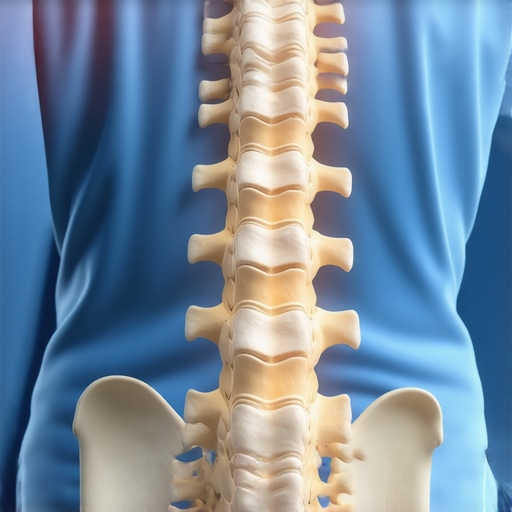
It was the moment I feared most—wrapping up a long day and realizing my leg still betrayed me with that dull, persistent ache. I’d been told recovery from sciatica could take months, even years, but I secretly hoped I’d be the exception. Yet here I was, months after starting my treatment, feeling no closer to relief. That sinking feeling crept in—was I just wasting time?
Why Your Sciatica Progress Might Not Be What You Think
Ever since I began my journey to banish sciatic pain, I’ve learned a lot of hard lessons. One of the most eye-opening? Progress isn’t always linear. In fact, sometimes, the biggest signs that your recovery is stuck are subtle and easy to overlook. I once believed that if I kept doing my stretches and exercises, relief was inevitable. But I ignored a few warning signs that my recovery had hit a pause. Recognizing these signs early can make all the difference.
Did you know that a significant percentage of people with chronic back issues actually plateau despite their efforts? According to recent studies, up to 30% of those recovering from sciatic nerve issues see little to no improvement after a certain point, which suggests the recovery process can stall without obvious reasons. If that sounds familiar, don’t worry—you’re not alone.
Before I dive into the key signs to watch for, let me be honest. Early in my own experience, I made a crucial mistake—I thought that pain or stiffness meant I wasn’t doing enough, so I pushed harder, risking further setbacks. That misconception almost set me back months. Building awareness about when your body signals a true stall versus normal setbacks is essential.
Now, let’s explore how to identify if your recovery is actually stuck and what steps you can take to get back on track. If you’ve been feeling like you’re treading water, stay tuned—help is within reach, and understanding these signs is your first step.
Identify Warning Signs of Recovery Stall
Start by tracking your symptoms daily, noting any persistent pain, stiffness, or numbness that doesn’t improve over a week. Use a simple journal or app to record how your pain responds to various activities and rest. Notice patterns—are certain movements worsening your symptoms or producing no change? Recognizing these signs early helps you avoid unnecessary setbacks and informs your next steps.
Assess Your Posture and Movement Habits
Often, poor posture or habitual movement patterns reinforce nerve compression, hindering recovery. For example, sitting for prolonged periods with a slouched back can maintain sciatic nerve irritation. Consider reviewing your daily ergonomics by visiting this guide to optimize your setup. I once spent an afternoon adjusting my workstation, which immediately reduced my lower back tension and improved my mobility.
Incorporate Targeted Mobility Exercises
Stagnation can occur if you’re not actively promoting joint flexibility. Incorporate specific exercises aimed at restoring movement—such as gentle hip circles, pelvic tilts, or the glute bridge—found at this resource. For example, I added a 5-minute morning routine of hip mobility drills, which gradually loosened my tight areas and boosted my confidence in moving freely again.
Refine Your Exercise Technique and Intensity
Overdoing core or back strengthening without proper form can stall progress. Focus on quality, controlled movements—think of your spine as a delicate balance rather than a set of weights to lift. Record yourself or work with a professional to correct subtle faults. I learned this the hard way by pushing through a set of crunches, only to feel increased pain afterward. Adjusting my form and slowing down made a noticeable difference.
Adjust Your Daily Habits to Support Recovery
Small lifestyle adjustments can accelerate healing. For instance, avoiding prolonged sitting, taking frequent movement breaks, and ensuring your sleep position doesn’t stress your lower back. Use ergonomic principles discussed at this article to fine-tune your environment. I find that standing up every hour and stretching my hips and lower back keeps stiffness at bay.
Seek Expert Feedback When Necessary
If progress remains elusive, consulting a specialist is crucial. Therapy sessions or assessments can reveal hidden issues like pelvic misalignments or neural adhesions that hinder recovery. Personally, after trying multiple home routines without success, a professional identified a subtle pelvic tilt misalignment. Correcting it led to consistent improvements and renewed confidence in my rehabilitation journey.
Many assume back pain and sciatica are straightforward issues rooted solely in muscle strain or nerve compression, but the reality is far more complex. A common misconception is that pain always correlates directly with injury severity; however, research shows that psychological factors, such as stress and anxiety, can amplify pain perception even when tissue damage is minimal. This misunderstanding leads many to focus solely on physical fixes, ignoring the role of mental health and perception.
Why do some patients experience persistent pain despite clear evidence of healing?
Studies suggest that neural plasticity and central sensitization can cause the nervous system to remain hypersensitive long after the initial injury has healed, making pain linger unnecessarily. Experts like Dr. Lorimer Moseley emphasize that addressing these neural adaptations through education and cognitive behavioral approaches is essential for lasting relief, rather than symptom-focused treatments alone. Beware of the trap of over-mobilizing or stretching without proper guidance. It’s a myth that more movement always means better recovery. In fact, aggressive stretching or exercises performed improperly can worsen nerve irritation or create new imbalances, prolonging the pain cycle. For example, I once tried a DIY yoga routine without professional input, and it flared my sciatica symptoms. Recognizing the importance of personalized movement plans is crucial, as outlined in expert resources like this guide. Active recovery isn’t just about moving more; it’s about moving smarter. When addressing mobility issues, focus on high-quality, controlled movements that respect your body’s limits. Simple but effective techniques, such as gentle hip rolls or pelvic tilts, can make significant differences. Understanding the nuances of joint and nerve interactions helps prevent advanced mistakes, such as over-reliance on passive treatments or neglecting foundational postural corrections. For instance, poor ergonomics are often seen as a minor issue but can significantly impede progress. A study published in the Journal of Back and Musculoskeletal Rehabilitation highlights that correcting postural habits yields more sustainable improvements than treatments focused solely on symptom relief. To optimize your efforts, review your daily habits through a comprehensive lens. Ergonomic adjustments, targeted mobility drills, and mindful movement form the cornerstone of effective recovery. If you’re unsure whether your efforts align with your body’s actual needs, seeking professional guidance is a wise step. Regular assessments can reveal subtle biomechanical issues, such as pelvic misalignments, that perpetuate pain cycles, as discussed in this resource. The key takeaway? Pain management isn’t just about treating symptoms—it’s about understanding the complex interplay of biomechanics, neural factors, and mindset. When I shifted my approach to incorporate education about my nervous system’s role, my recovery timeline shortened significantly. Remember, knowing the hidden nuances can transform your journey from frustration to success. Have you ever fallen into this trap? Let me know in the comments.Maintaining a healthy back and ongoing mobility requires the right tools and consistent habits. One of my favorite investments has been a high-quality ergonomic chair—specifically one that offers adjustable lumbar support and a dynamic seat. I personally use the Herman Miller Aeron because it encourages active sitting, which prevents stiffening and promotes better posture throughout the day. Regularly adjusting your workspace, as detailed here, can make a significant difference in preventing relapse or new issues.
Another essential tool I recommend is a foam roller. I keep a RumbleRoller in my office and use it daily to perform gentle myofascial releases on tight areas like the glutes, piriformis, and lower back. This simple method helps maintain my mobility and reduces nerve compression risk. I’ve found that incorporating 5-minute foam rolling sessions into my morning routine keeps stiffness at bay.
For tracking progress, I rely on mobility and posture apps such as TreatingYourself or Stand Tall—they remind me to correct my posture and perform targeted exercises throughout the day. In the future, I predict wearable biosensors will become more sophisticated, providing real-time feedback and even automatic posture corrections.
A crucial aspect of long-term back health involves strengthening core muscles without overloading the spine. I personally use resistance bands, especially the TheraBand, for safe, controlled engagement. Exercises like bird-dogs, dead bugs, and pelvic tilts, when done consistently, form the foundation for resilient spinal stability.
Are you wondering how to keep your progress consistent over years? The key lies in a layered approach: ergonomic setups, mobility tools, mindful movement, and regular assessment. Remember, static routines tend to plateau; instead, integrate varied exercises and tools to challenge your body and prevent complacency.
Lastly, I suggest scheduling regular check-ins with a physiotherapist or chiropractor—professional assessments can uncover subtle misalignments or movement patterns that sabotage your efforts. For example, periodic spine assessments can identify issues like pelvic tilt, as discussed here. This proactive step ensures your efforts are sustainable.
To get started right now, pick one tool I’ve mentioned—perhaps a foam roller or ergonomic accessory—and incorporate it into your daily routine. Stick with it for a week, and observe how your mobility and pain levels respond. Small, consistent investments in your tools and habits can lead to long-term relief and strength.
What I Wish I Knew About Recovery Speed
One of the most humbling insights was realizing that healing isn’t a race. Expecting rapid results set me up for frustration, but embracing patience and focusing on consistent, mindful movements created genuine progress. It taught me that slow and steady truly wins the race, especially with nerve-related issues.
Why My Body Had Silent Signals I Ignored
I overlooked subtle cues like lingering stiffness or slight numbness. These quiet signs were telling me my recovery had stalled. Listening carefully to such indicators, instead of pushing through discomfort, saved me from setbacks and guided my adjustments, reinforcing the importance of body awareness.
The Myth of Miracle Fixes—Persistence Over Quick Tricks
Searching for instant relief led me astray. I learned that sustainable healing demands ongoing effort—consistent mobility exercises, posture improvements, and lifestyle tweaks—rather than relying on fleeting remedies. Trusting the process became my greatest lesson.
How Small Changes Amplify Long-Term Relief
Simple adjustments like ergonomic workspace tweaks or daily foam rolling made a big difference over time. These habits compound, gradually reducing nerve compression and pain, and empowering me to maintain progress beyond initial recovery phases.
My Journey Confirmed That Mindset Matters
Embracing patience, celebrating small victories, and staying optimistic transformed my outlook. Recognizing that recovery includes mental resilience helped me overcome setbacks and stay motivated—an essential component often overlooked in back pain journeys.


![Why Hamstring Stretches Flare Your 2026 Sciatica [Fix]](https://bodyrenewtherapy.com/wp-content/uploads/2026/02/Why-Hamstring-Stretches-Flare-Your-2026-Sciatica-Fix.jpeg)