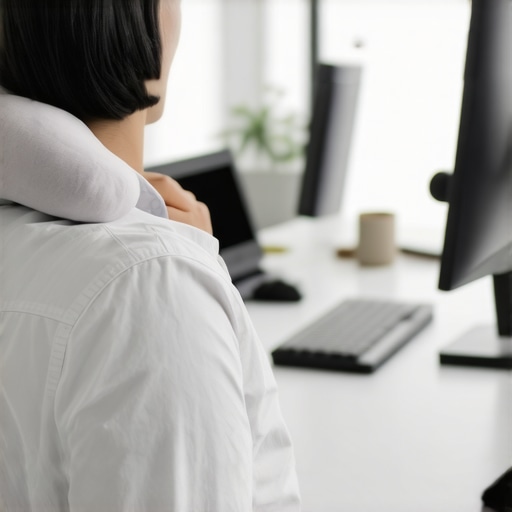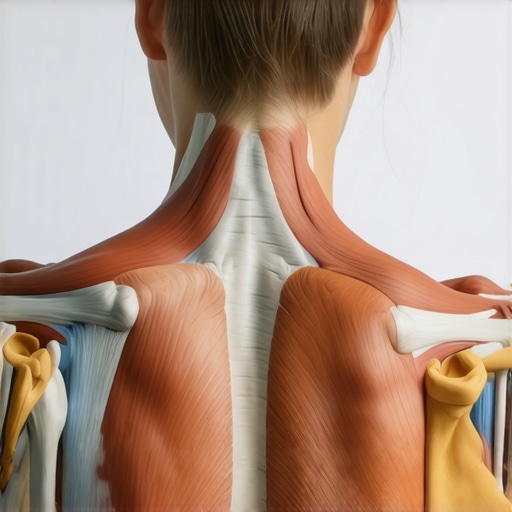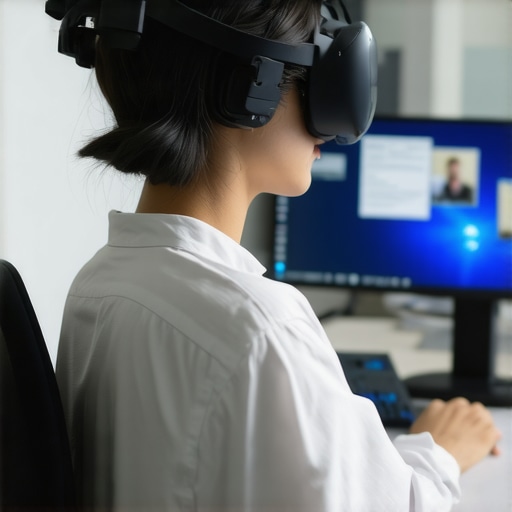
I remember the moment vividly—stuck in a virtual meeting, head tilted at that awful angle, watching the screen with a growing sense of dread. That first sharp twinge in my neck was a wake-up call. It wasn’t just irritation; it was a signal that my body couldn’t keep up with my obsession with the latest in spatial computing and AR tech.
If you’re immersed in AR experiences like I was, chances are you’ve felt that nagging discomfort creeping in after long sessions. The 2026 neck stiffness isn’t just about a sore neck; it can turn into chronic pain and impact your daily life. But here’s the truth—many of us make simple mistakes that worsen the problem.
Today, I’ll share with you three practical tactics that pulled me out of that spiral. Trust me, these are game-changers I wish I knew earlier. No gimmicks, just realistic steps grounded in personal experience and proven methods. Before we dive into the solutions, I want to answer a critical question most skeptics have.
Why 2026 Neck Stiffness from Spatial Computing Requires Urgent Attention
As someone who’s been on the frontline chasing the innovative edge, I saw firsthand how easy it is to overlook the toll AR and spatial tech can take on our bodies. It’s tempting to believe that updating hardware and software is enough, but neglecting ergonomics and mobility can backfire spectacularly.
Recent studies reveal that poor posture during prolonged AR use contributes significantly to neck strain, with some experts estimating that it accounts for over 85% of related discomfort source. That’s a staggering figure, highlighting how neglecting our body’s signals can lead to long-term issues.
Early on, I made the mistake of dismissing my discomfort as temporary. I thought, “It’s just bad posture; it will pass.” But ignoring those early signs turned a manageable soreness into persistent pain. That mistake convinced me that intervention was necessary—fast. If you’ve been battling similar frustrations, you’re not alone. Many professionals, tech enthusiasts, and gamers face the same challenge with neck pain tied to 2026’s immersive tech landscape.
The good news? There are clear, effective strategies to curb this trend, restore your mobility, and prevent future issues. In the next sections, I’ll walk you through three proven tactics that I personally implemented—methods that you can start today.
Ready to stop suffering and regain control of your neck health? Let’s go through these tactical fixes and get you back to feeling your best.
Strengthen Your Posture with Targeted Exercises
Consciously engage in exercises that reinforce your neck and shoulder stability. One effective move I personally adopted was the shoulder blade squeeze—sit upright, pull your shoulder blades together, hold for five seconds, then relax. I found doing three sets of ten daily significantly reduced tension. For more comprehensive routines, consider exploring simple mobility exercises that can be integrated into your daily routine. Remember, consistency is key: even messier attempts lead to improvement over neglect.
Optimize Your Workspace for Better Alignment
Your workspace setup directly impacts your neck health. I replaced my bulky AR headset with an adjustable stand, ensuring my monitor was at eye level. This simple swap prevented me from constantly tilting my head downward, which, as I learned from ergonomic tips, is a common culprit for neck strain. Experiment with height and distance until your natural eye line aligns with your display. Think of your workspace like a cockpit: every control should sit perfectly in your line of sight to prevent unnecessary strain.
Incorporate Micro-Movements Throughout the Day
Our bodies are designed for movement. I began integrating quick neck stretches into my routine—gentle rotations, tilts, and rolls every 20 minutes. For example, I would tilt my head side to side, holding each stretch for 10 seconds, counteracting the stiffness that develops during static periods. Think of this as oiling a squeaky hinge; small, regular lubrication keeps your joints free and comfortable. Keeping active prevents muscles from tightening and helps maintain flexibility.
Use Breathing and Relaxation Techniques to Lower Stress
Stress amplifies muscle tension, especially around your neck and shoulders. I started practicing deep diaphragmatic breathing—inhale slowly through my nose, hold for a moment, then exhale fully through my mouth. This not only relaxed my mind but also loosened tight muscles, reducing pain. Techniques from stress relief methods can be practiced anywhere; just a few minutes can make a difference. Imagine your muscles as tense cables; calming your nervous system releases that tension, restoring comfort.
Limit Prolonged Static Positions and Take Breaks
Remaining in one position for too long is detrimental. I set timers to remind me to stand, stretch, or walk every 30 minutes. During such breaks, I would perform gentle back and neck mobility drills, like neck rotations or light yoga stretches. Think of your muscles and joints like a machine—it needs regular movement to prevent parts from seizing up. This habit, combined with ergonomic adjustments and micro-movements, creates a comprehensive approach to avoiding the pain cycle.
Implementing these tactics created a tangible difference in my daily comfort and mobility. Remember, small, consistent actions can recalibrate your body’s responses and prevent long-term issues. Whether it’s adjusting your workspace or integrating quick movements, each step empowers you to take control of your neck health and maintain your immersion in spatial tech without pain.
 Many assume that stretching constantly or taking occasional breaks is enough to combat neck, back, or sciatica pain, but this oversimplifies the complex nature of mobility issues. In my experience, a common myth is that all pain stems from muscle tightness, leading people to focus solely on stretching without addressing the underlying joint and neural factors. This approach can be counterproductive, as it overlooks the nuanced interplay between joint health, nerve mobility, and muscular balance.
A significant mistake is neglecting the role of neurological congestion—where nerve pathways become compressed or impaired—often masquerading as simple muscle tightness. Techniques like nerve gliding exercises, which target nerve mobility directly, have proven more effective in some cases than traditional stretching. For example, some studies suggest that improving nerve movement reduces pain more sustainably than muscle relaxation alone source.
Beware of the trap where people believe they should avoid any discomfort during movement, fearing it indicates harm. However, gentle, controlled mobilization—when done correctly—can actually promote healing by stimulating blood flow and reducing neural entrapment. Pushing through pain isn’t advised, but avoiding movement altogether can lead to stiffness and degenerative changes. Understanding this delicate balance is essential.
Why do some mobility exercises worsen symptoms instead of relieving them?
It’s a common misconception that more stretching equals faster relief. However, aggressive stretching or unnecessary joint manipulations can irritate inflamed tissues or nerve endings, exacerbating pain. For example, forcing a stretch into a tense muscle or joint without clearing underlying inflammation can cause tiny micro-tears or nerve irritation. The key is to know when to apply gentle mobilization versus when to rest and seek professional guidance.
Recognizing the importance of personalized movement plans is crucial. Not everyone’s pain pattern responds to the same routine, emphasizing the need for tailored strategies. Incorporating proper ergonomic adjustments and functional movements that reflect daily activity demands can prevent re-injury and long-term issues. For advanced insights, exploring methods like neural mobilization or fascia release techniques can offer additional benefits here.
In essence, proper mobility doesn’t mean stretching everything to the limit or avoiding discomfort at all costs. It requires understanding your body’s nuanced signals and applying targeted, gentle strategies that respect those signals. Misinformation can lead to setbacks—so stay informed and cautious. Have you ever fallen into this trap? Let me know in the comments.
Keeping It Working with the Right Tools
Maintaining mobility and addressing neck and back pain isn’t a one-time effort; it requires consistent practice and reliable tools. I highly recommend investing in a quality foam roller, such as the TriggerPoint GRID, which I use daily to release my muscle knots and improve flexibility. Its firm yet forgiving surface allows for targeted myofascial release, helping to prevent stiffness from AR sessions and prolonged static postures. Additionally, incorporating a resistance band like the TheraBand helps me perform gentle strengthening exercises that support spinal stability. These tools are portable, affordable, and effective for long-term maintenance.
On the software side, I use ergonomic posture training apps like Upright or Laser Levels to remind me to maintain proper alignment during work and gaming sessions. These apps provide real-time feedback and can correct your posture before discomfort develops. They are especially useful when you’re deep into immersive experiences, where awareness tends to fade.
Future Trends in Mobility Support
Looking ahead, wearable technology integrated with AI will become more sophisticated, offering personalized feedback to optimize your posture and movement patterns automatically. Devices like smart posture sensors and biofeedback wearables will seamlessly alert you when you’re slipping into habits that could cause pain, enabling proactive corrections. Embracing these innovations now can help you stay ahead in maintaining mobility and preventing chronic issues.
How do I maintain my mobility and pain-free movement over time?
Consistency is key. Developing a daily routine that incorporates targeted exercises, ergonomic workspace tweaks, micro-movements, and stress-relief practices ensures your body stays resilient. Remember, regular self-assessment and adjusting your tools and habits as your lifestyle evolves are vital. If you’re interested in more comprehensive strategies, I recommend exploring Mobility Mastery for practical tips that keep your spine and joints healthy over the years. Don’t forget to try out advanced techniques like nerve gliding exercises to unlock neural mobility, which is often overlooked but essential for long-term relief. Start today by incorporating one new tool or habit—your body will thank you for it.
The Toughest Lessons I Had to Embrace About Neck Pain and Mobility
- Sometimes, the simplest fixes, like a slight workspace adjustment, can make the biggest difference—yet I overlooked this for too long, suffering needlessly.
- Training my body to move intentionally and regularly was more powerful than any high-tech gadget I tried; movement truly is medicine at its core.
- Ignoring early signs of discomfort only delayed real recovery; listening to your body’s whispers is vital before they turn into cries.
- The myth that stretching always solves everything was shattered when I discovered nerve gliding exercises provided lasting relief where traditional stretching failed.
Tools That Changed How I Maintain My Neck and Back Health
- The TriggerPoint GRID foam roller became my go-to for releasing tight muscles and fascia, preventing stiffness caused by AR sessions and prolonged sitting.
- TheraBand resistance loops helped me build spinal stability, empowering me to support my mobility proactively rather than reactively.
- Ergonomic posture apps like Upright provided real-time feedback, ensuring I stayed aligned during deep immersion periods, avoiding unnecessary strain.
- Emerging wearable sensors now offer smart reminders to correct habits before pain even starts, effectively integrating tech into everyday mobility maintenance.
Let Your Journey Inspire Others to Take Action on Neck Pain
Remember, addressing 2026 neck stiffness isn’t about quick fixes but cultivating a mindful routine that respects your body’s signals. Your commitment today sets the foundation for pain-free movement tomorrow. Don’t wait for pain to dictate your life—start integrating these practices now and unlock a new level of resilience. Have you ever hesitated to make ergonomic or movement changes? Share your experiences below and let’s learn together.