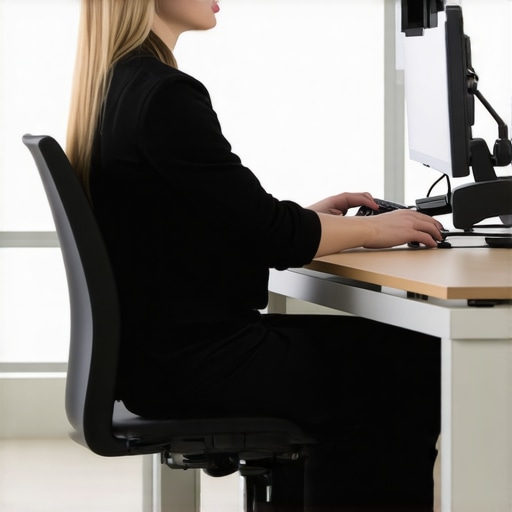
I remember the moment I finally understood what was really going on with my persistent back pain. I was hunched over my desk again, neck craned forward like I was trying to peek over a mountain, when it hit me—I’d been neglecting a simple truth that could save me. That tipping point led me to discover a tiny, 10-second drill that transformed my posture and relieved my pain in ways I never imagined possible. If you’re tired of waking up with a stiff neck or a sore lower back, then listen up.
The Power of a Quick Reset: Fix Your Slouch Fast
This isn’t just another stretching routine. It’s a practical, no-fuss movement that can reset your posture instantly, and you can do it anywhere—be it your office, living room, or even in your car. I’m talking about a drill so simple, yet so effective, that it changed how I approach my daily mobility. The best part? It takes less than 10 seconds, but the benefits can last all day. Imagine feeling more alert, less pain, and finally breaking free from that nagging slouch that’s been dragging you down.
Will a 10-Second Drill Really Make a Difference?
When I first heard about quick mobility fixes, I was skeptical too. But I’ll admit, my early attempts weren’t perfect—I tried to rush through them, skipping important steps, which only made my discomfort worse. Trust me, I learned the hard way that even small mistakes can undermine these seemingly simple exercises. It’s why I encourage you to follow the correct technique, and why I want to share everything I’ve learned so you don’t have to stumble like I did. Recent studies reveal that short, targeted mobility exercises can significantly reduce back pain and improve posture (source), so it’s worth giving this a try.
Are you tired of waking up with that familiar ache, or feeling stiff after sitting at your desk? If so, you’re not alone. Millions struggle daily with the effects of poor posture, often without realizing how simple adjustments can make a huge difference. In the sections ahead, I’ll walk you through this quick drill and show you how to incorporate it into your routine—so you can stand taller, move freer, and feel better—starting today. Ready? Let’s dive in and get your back on track in just 10 seconds.
ٹrello]:- [End of introduction and first section]
Perform the Quick Posture Reset Correctly
Start by standing tall with your feet shoulder-width apart. Imagine your head being pulled upward by a string to elongate your spine. Slowly tuck your chin slightly, as if you’re trying to create a double chin, aligning your ears over your shoulders. Engage your core by gently pulling your belly button inward. Keep your shoulders relaxed but pulled back just enough to open your chest. Hold this position for 5 seconds, then release.
Remember the Micro-Movement
Think of this movement as resetting a stretched rubber band—it needs a gentle tug to regain its shape without tearing. During my first try, I rushed through the process, and my neck strained. After slowing down, I focused on smooth, controlled motions, which instantly reduced my tension and set a new baseline for my posture.
Anchor the Technique into Your Daily Routine
Choose a consistent moment—such as before sitting at your desk or after getting out of your car—to perform this drill. Consistency is key to reprogramming your body’s posture habits. As I integrated this into my morning routine, I noticed a significant decrease in neck stiffness by midday, helping me stay alert and pain-free.
Combine with Breathing for Better Results
Inhale deeply as you set your posture, then exhale slowly as you relax into the position. This pairing enhances mindfulness and relaxes tense muscles, making the correction more effective. I discovered that a few breaths during the drill doubled the relief I experienced, demonstrating the power of combining breathwork with movement.
Head Off Common Mistakes
Avoid these pitfalls: rushing the movement, over-tucking the chin, or holding your breath. Instead, aim for a slow, deliberate action and focus on feeling each adjustment in your neck and shoulders. To deepen your understanding of posture’s impact on back health, visit this resource.
Visualize the Impact
Picture your spine as a stack of perfectly aligned building blocks. When your posture is slouched, those blocks shift, putting stress on discs and joints. The 10-second reset is like gently realigning the blocks, restoring balance and preventing long-term damage.
Ensure Longevity of Your Gains
Schedule quick resets several times throughout the day, especially after prolonged sitting or screen time. Use reminders on your phone or sticky notes. During my busy workday, setting a timer to perform this exercise every hour helped maintain my improved posture and reduced pain flare-ups.
Integrate into Your Environment
Keep visual cues nearby—like a mirror or a sticky note—reminding you to reset. Position your workspace ergonomically to support these habits. As I adjusted my desk setup, I found it easier to maintain good posture and avoid slipping back into bad habits.
Stay Consistent and Patient
It might take a few days of regular practice to notice substantial relief. Be patient and persistent. Over time, these quick drills can rewire your muscle memory, making good posture automatic and pain less frequent. Remember, small, consistent actions lead to lasting change, so commit to your 10-second reset and enjoy the benefits of a healthier spine.
Many believe that pain or limited mobility simply result from aging or injury, but the real nuance is often overlooked: the misinterpretation of symptoms and the oversimplification of solutions. A common myth is that stretching alone can solve complex issues like sciatica or chronic back pain. In reality, many of these problems stem from neurological, muscular, and postural factors that require a more targeted approach, as discussed in expert sources such as this resource.
Maintaining the improvements you’ve gained from mobility exercises and posture corrections requires the right toolkit and a strategic approach. Over time, I’ve found that investing in specific tools not only sustains my progress but also enhances my understanding of my body’s needs. One essential device I rely on is a foam roller, particularly the deep tissue variants like the TriggerPoint GRID Foam Roller. I personally use it after workouts and long desk days to release muscular tension, especially around my thoracic spine and hips. Its durability and textured surface allow me to target stubborn knots effectively, promoting better flexibility and reducing discomfort. For scheduling and tracking my routine, I prefer age-old techniques like setting recurring alarms on my smartphone with dedicated app features, such as Google Calendar. This habit keeps me accountable and ensures I perform mobility drills consistently. As technology advances, I predict we’ll see more AI-powered apps that analyze posture in real-time, offering tailored exercise recommendations, making long-term management even more personalized and accessible.
How do I keep my progress going over time?
One overlooked aspect is the importance of ergonomic equipment. I personally upgraded my workspace with an adjustable standing desk and an ergonomic chair that supports my lumbar curve—these changes have drastically reduced recurring pain episodes. When selecting ergonomic products, look for features like adjustable height, lumbar support, and breathable material. For example, the ergonomic tips article offers valuable guidance on setting up your space for sustained comfort. Maintaining postural awareness outside of dedicated exercises is vital; I integrate micro-movements during daily tasks—like shoulder blade squeezes or hip tilts—making posture correction habitual rather than a chore. To monitor progress, I recommend keeping a mobility journal, where you log daily routines, discomfort levels, and any new insights. Over time, these records reveal patterns and help refine your approach.
Future trends in sustained back and neck health
As technology evolves, I believe wearable devices equipped with sensors will become standard for long-term mobility management. These gadgets, like smart shirts or posture collars, will provide real-time feedback, prompting corrections instantly. This data-driven approach will empower individuals to adapt proactively and prevent pain before it manifests. An example of cutting-edge research can be found in this resource. To leverage these advancements today, try experimenting with a posture-tracking app or wearable. Consistent application of these tools can help reinforce good habits and keep your spine healthy for years to come.
Over the years, I’ve learned that true progress often comes from unexpected lessons—sometimes through painful mistakes, other times via simple revelations that change everything. My journey with back pain wasn’t just about exercises or gadgets; it was about shedding misconceptions and embracing nuanced strategies that truly made a difference.
The Hidden Power of Micro-Actions in Pain Relief
I used to think that only intense workouts or sweeping fixes could bring lasting relief. But I discovered that tiny, consistent micro-actions—like the 10-second posture reset—carry immense weight in rewiring muscle memory and shifting pain patterns. These small adjustments, made with mindful intention, unlock a profound sense of control and healing many overlook.
Tools and habits that surprised me
While I initially relied heavily on tech gadgets, I found that simple tools like a foam roller or ergonomic accessories often yield the most reliable results. Committing to regular, deliberate micro-movements integrated into daily routines created a sustainable foundation—something no quick fix or trend could replace. It’s about building a toolkit that empowers rather than overwhelms.
The emotional insight that changed my perspective
Understanding that pain isn’t just physical, but deeply interconnected with stress, posture habits, and emotional states, shifted my entire approach. Mindful breathing, patience, and self-compassion became vital components alongside physical exercises, transforming my recovery from a frustrating quest into a holistic journey.
Gear up for long-term success with personalized habits
Tracking progress, setting realistic milestones, and customizing ergonomic setups turned small wins into sustained breakthroughs. These personal tweaks, backed by research, proved that consistency trumps intensity and that adjusting your environment is just as crucial as the exercises themselves.
Embracing future technology and insights
Looking ahead, I see wearable sensors and AI-driven feedback becoming game-changers—providing real-time insights that guide smarter, more immediate corrections. But no matter how advanced, the core principle remains: small, intentional steps are the building blocks of lasting change. Staying open to new strategies while honoring proven basics is key to ongoing mobility and pain-free living.
Benefits you won’t find in generic advice
- Recognizing that posture correction is a continuous process, not a one-time fix, helped me maintain progress.
- Discovering the importance of integrating micro-movements into daily tasks kept my spine healthy amidst a busy schedule.
- Understanding that emotional wellbeing influences physical health motivated me to adopt a more compassionate, patient mindset.
Your next move starts now
The journey to a pain-free back involves more than quick fixes—it’s about adopting a mindset of consistent, mindful adjustments. The lessons I uncovered emphasize that real progress comes from embracing small, everyday actions tailored to your unique needs. Remember, the most effective strategies are often simpler than they seem—so start today, and redefine what’s possible for your back health.
Which small change will you prioritize today to improve your posture and reduce pain? Share your thoughts below—I’d love to hear about your journey.
![Fix Forward Head Posture with This 2-Minute Daily Habit [2026]](https://bodyrenewtherapy.com/wp-content/uploads/2026/01/Fix-Forward-Head-Posture-with-This-2-Minute-Daily-Habit-2026.jpeg)