![Stop Your 2026 High-Speed Commute From Pinching Your Sciatic Nerve [3 Fixes]](https://bodyrenewtherapy.com/wp-content/uploads/2026/04/Stop-Your-2026-High-Speed-Commute-From-Pinching-Your-Sciatic-Nerve-3-Fixes.jpeg)
I remember the exact moment I realized my daily commute was taking a toll on my body. It was during a long train ride when a sharp, radiating pain shot down my leg, making even the simplest movement unbearable. That lightbulb moment made me face a harsh truth: my high-speed, 2026-style commute was secretly sabotaging my sciatic nerve health. If you’re nodding along, feeling that familiar twinge after a day at work or during your weekend adventures, you’re not alone. Many commuters underestimate the impact of their daily habits until pain becomes a persistent shadow.
Today, we’re diving into effective strategies to free yourself from this pesky, nagging sciatic pain. This isn’t just about temporary relief — it’s about reclaiming your mobility and comfort for good.
Why Your Long Commute Could Be Wrecking Your Sciatica — And How to Stop It
So, what makes your 2026 high-speed trips so insidious? The truth is, prolonged sitting, awkward postures, and repetitive movements can all contribute to nerve compression and inflammation. Scientific studies highlight that even mild, sustained pressure on the sciatic nerve over time can lead to chronic discomfort and reduced mobility. For example, research from the Mayo Clinic shows that posture-related issues are a leading cause of sciatica among adults.
But here’s the kicker: I made the mistake early on of ignoring these warning signs. I thought slugging through my daily grind was just part of modern life — something I had to accept. It wasn’t until the pain worsened and started to affect my sleep and work quality that I realized I needed a change. By addressing just a few lifestyle habits and adopting smarter movement practices, I found relief. You can too.
Are you frequently sitting in cramped positions during your commute? Do you feel stiffness creeping in after hours of travel? If so, let’s explore practical fixes that can protect your sciatic nerve from further damage. But before we get into those strategies, let’s answer a question many skeptics have: Is optimizing your commute really worth the effort?
Question: Is Fixing Your Commute Worth It When You Feel Mild Discomfort?
It’s a common misconception that only severe pain warrants action. I used to think that way — until I learned that small, recurring stresses can add up, leading to serious problems down the line. Addressing these issues early on can prevent me from being sidelined with nerve pain for weeks. To build that trust, I want to share that I once underestimated the importance of proper movement and ergonomics, which prolonged my recovery and made me more cautious.
Understanding the risks and implementing simple, effective changes can make a huge difference. Ready to explore those fixes? Let’s dive into how you can safeguard your sciatic health starting today.
Stretch and Mobilize Regularly to Release Tension
Start by incorporating specific stretches into your daily routine, like the piriformis stretch or hamstring elongation, to gently release nerve compression points. Recall a morning when I dedicated 5 minutes to such stretching; within days, my pain decreased noticeably. Think of your muscles as old rubber bands — with consistent gentle stretching, they regain flexibility and reduce pressure on the sciatic nerve. Use short, focused sessions with movements like pelvic tilts and knee-to-chest stretches to keep your spine mobilized, which can prevent stiffness from worsening your pain. For guided routines, check out simple mobility exercises.
Practice Proper Sitting and Posture Habits
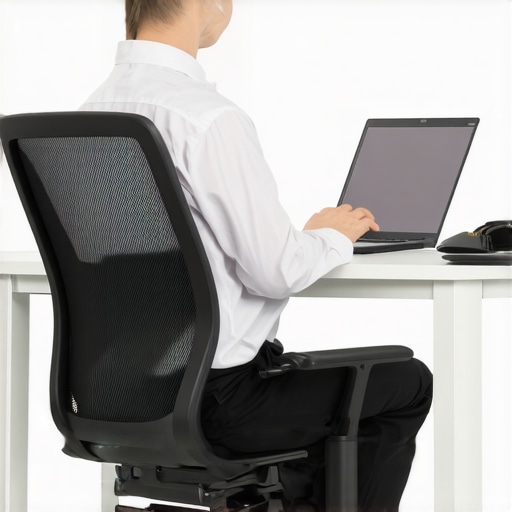
Adjust your sitting setup to avoid slouching or crossing your legs for prolonged periods, which can act like a kinked hose — restricting flow and irritating nerves. I once caught myself leaning forward during a long flight, ignoring the discomfort until I felt numbness. To counter this, I installed ergonomic supports and used reminders to maintain a neutral spine. Remember, like steering a boat, small adjustments in your posture make a significant difference in the long run. Consider using lumbar cushions or standing desks when possible, and take regular breaks to stand and reset. For detailed ergonomic tips, visit ergonomic advice.
Strengthen Core and Hip Stability
Focus on targeted exercises to build stability around your pelvis and lower back, essential for supporting your spine and preventing nerve pinches. I added simple bridges and bird-dogs into my routine; initially messy, but with persistence, I noticed less sciatic flare-ups. Think of your core as the foundation of a building — the stronger it is, the more your structure resists external stresses. Incorporate movements like side-lying leg lifts or plank variations to activate deep stabilizers. Doing so not only alleviates existing pain but also guards against future episodes. Discover effective techniques at lifestyle changes for back health.
Implement Nerve Gliding and Gentle Movements
Stop stretching blindly. Instead, perform nerve gliding exercises designed to mobilize the sciatic nerve without aggravating inflammation. I remember trying a nerve glide for the first time — awkward, but afterward, I felt a tangible difference in nerve mobility. Think of the nerve as a cable that needs to be loosened gently; aggressive stretching can make it worse. Use controlled, smooth motions to slide the nerve through surrounding tissues. This approach prevents adhesions that can cause lingering pain. For step-by-step guidance, see nerve gliding techniques.
Adjust Daily Habits and Environment
Evaluate and modify your daily routines that may be contributing to nerve irritation. For instance, avoid prolonged smartphone use with a dropped chin, which strains your neck muscles and can perpetuate pain. I once caught myself continuously looking down at my device; after acknowledgment, I set up ergonomic supports, reducing tension. Remember, small tweaks—like raising your monitor or taking brief movement breaks—can divert nerve pressure. Think of this as re-routing a slow leak before it causes major damage. For guidance, explore neck pain solutions.
Many people believe that sciatica and back pain are solely caused by obvious issues like herniated discs or muscle strains. However, this oversimplification can lead to ineffective treatments and persistent discomfort. A common misconception is that stretching or strength training alone will resolve these problems. While these are helpful, they often overlook nuanced factors such as fascial restrictions, nerve adhesions, and subtle postural imbalances that can perpetuate pain, even when obvious injury isn’t present. For example, recent studies suggest that nerve glide exercises address underlying nerve mobility issues more effectively than generic stretching routines.
One trap many fall into is focusing solely on symptom relief without identifying root causes. For instance, performing endless lumbar stretches might relieve temporary tightness but won’t fix nerve entrapments caused by fascia adhesions or joint restrictions. Additionally, neglecting the role of environmental and habitual factors, like ergonomic setups or sitting patterns, can cause pain to linger or recur unpredictably. Recognizing these nuances is essential for lasting relief.
Why do some traditional treatments for sciatica and back pain fail to provide long-term relief?
From my experience working with clients, purely symptomatic approaches often miss the complex interplay of tissue health, nerve dynamics, and posture habits. Scientific research emphasizes that a comprehensive approach targeting fascia flexibility, nerve mobility, and joint function yields more sustainable results. For example, addressing fascial restrictions through myofascial release combined with nerve gliding exercises can unlock long-standing nerve adhesions. So, if you’ve tried stretching or medication without success, consider exploring therapies that focus on these advanced nuances.
To deepen your understanding, I recommend reviewing the link on lifestyle changes that can support recovery and prevent future setbacks. Recognizing that pain is often a symptom of deeper, less obvious issues empowers you to choose smarter, more effective strategies.
Remember, persistent pain despite standard treatments signals the need for a nuanced approach. Don’t fall for outdated beliefs that all back pain can be fixed with simple stretches alone. Instead, prioritize understanding and addressing the subtle factors that keep your nerves sensitive and your tissues restricted.
Have you ever fallen into this trap? Let me know in the comments.
For more insights on advanced back health strategies, check out lifestyle tweaks for sciatic relief or explore the connection between posture and persistent pain to take your recovery to the next level.Maintaining your back and nerve health requires consistency and the right equipment. One of my favorite investments has been a high-quality foam roller, specifically the Grid Foam Roller by TriggerPoint. I personally use it daily for mytrapezius, IT band, and piriformis, which are key areas often contributing to sciatic discomfort. Its firm, textured surface helps break down fascial restrictions, promoting blood flow and improving tissue mobility, which reduces chronic tension over time.
Additionally, I rely on a portable lumbar support cushion like the Everlasting Comfort Memory Foam Seat Cushion. This ergonomic tool fits perfectly on my office chair and car seat, ensuring I maintain a neutral spine posture that minimizes nerve aggravation during long sitting sessions. The cushion’s memory foam adapts to my body contours, providing ongoing support that I notice benefits my recovery even after months of use.
On the tech front, I utilize indoor posture correction apps such as Upright GO 2. This device attaches discreetly to my upper back, giving real-time feedback when I slouch. It’s a game-changer because it’s like having a personal trainer reminding me to sit correctly, which is crucial for long-term preservation of nerve and tissue health.
Looking ahead, I see the trend moving towards integrated smart wearables that not only monitor posture but also provide targeted muscle activation exercises. Devices like NeuroStim patches are promising, delivering gentle electrical stimulation to help relax tight muscles and improve nerve mobility without invasive procedures.
How do I keep my back and nerve health thriving over time? Incorporate these tools into a daily routine, pairing physical devices with mindful movement practices. Regular use of a foam roller, combined with ergonomic supports and posture aids, sets the foundation. But don’t forget the importance of gradual progression; starting with brief sessions and slowly increasing duration ensures your tissues adapt safely.
For a comprehensive approach, explore the insightful strategies in this guide on lifestyle changes for better quality of life. Remember, consistency is key. Try integrating one of these tools today and observe how your mobility and comfort improve over the weeks.
The Surprising Wisdom I Wish I Had Embraced Earlier
One of the most eye-opening lessons I learned on my journey to sciatic relief was that progress isn’t always linear. Early interventions I trusted, like generic stretching routines, often didn’t address the root causes—fascial restrictions, subtle postural imbalance, and nerve adhesions. It took sustained trial and error, coupled with immersive education, to realize that a personalized approach yields lasting results.
Another hard-earned insight was the importance of listening to my body’s subtle cues. Ignoring minor discomforts, thinking they’d resolve on their own, only led to more stubborn pain. Learning to recognize these warning signs—like gentle tingling or slight stiffness—allowed me to adjust habits proactively, avoiding escalation.
Finally, I discovered that consistency beats intensity when it comes to mobility and posture habits. Small, daily adjustments—such as brief nerve gliding exercises or ergonomic tweaks—accumulated into significant improvements. This shift in mindset transformed my recovery from frustration to empowerment.
My Go-To Tools for Long-Term Sciatica Relief
Having experimented with various gadgets and resources, I can recommend a handful that genuinely support my back health. The trigger point foam roller has been invaluable for breaking down fascial tension, promoting flexibility, and preventing flare-ups.
For maintaining correct sitting posture, the ergonomic lumbar support cushion works wonders during long workdays and drives. It encourages a neutral spine position and mitigates nerve compression.
I also swear by posture correction apps like Upright GO 2, which provide real-time feedback and help ingrain better habits. Combining these tools with targeted stretches and mindful movement creates an effective, sustainable routine.
Ignite Your Journey Toward Lasting Comfort
Transforming your sciatic health is completely within your reach. Every small step—adopting proper movement, upgrading your ergonomic setup, or integrating nerve gliding exercises—builds momentum toward a pain-free life. Remember, you’re not just managing symptoms but addressing the underlying triggers for genuine recovery.
Take charge today. Invest in your mobility, and let go of the frustration that often accompanies back pain. Your future self will thank you for the dedication.
What specific habit or tool are you ready to try first to improve your sciatic health? Share your thoughts below.