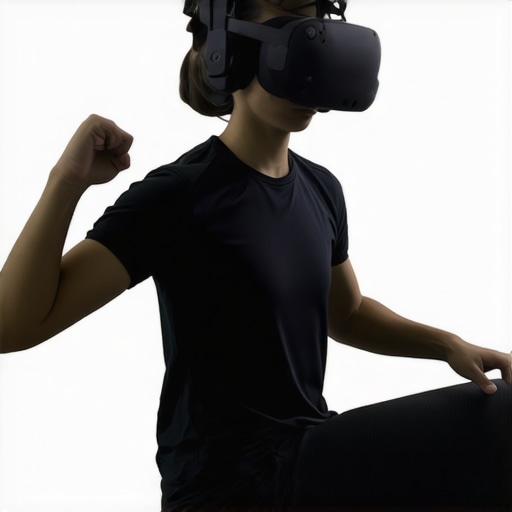
Ever had that jarring moment during your VR workout where suddenly a sharp, shooting pain radiates down your leg and you realize you’ve just pinched your sciatic nerve? I remember vividly the first time it happened to me. I was deep into a virtual adventure, feeling unstoppable, only to be halted by an unrelenting numbness and tingling that made me pause and question everything. It was a wake-up call—my body was warning me, loud and clear, that something was off.
Why Your VR Workout Might Be Doing More Harm Than Good
What I uncovered is that many of us get so caught up in pushing ourselves, especially in the immersive world of VR, that we ignore the signals our bodies send. It turns out that improper posture, combined with the wrong movements, can easily lead to nerve compression, particularly in the sciatic area. And with the rise of VR workouts aimed at staying active indoors, the risk has only increased. Trust me, I fell into this trap early on, assuming that as long as I was moving, I was doing good. But I made a crucial mistake: I overlooked my posture and positioning, which caused unnecessary strain.
Recent studies support this concern—research indicates that repetitive poor posture during desk jobs or active routines like VR workouts significantly contributes to nerve issues and chronic pain (source: Body Renew Therapy).
Have you experienced that sharp nerve pinch during your VR sessions or workouts?
If yes, you’re not alone. But here’s the good news: recognizing the problem is the first step towards fixing it. In the following sections, I’ll share the practical, proven strategies I personally used to prevent my sciatic nerve from getting pinched during my fitness routines—and how you can do the same to enjoy your VR workouts safely and comfortably.
Adjust Your Posture Before Starting
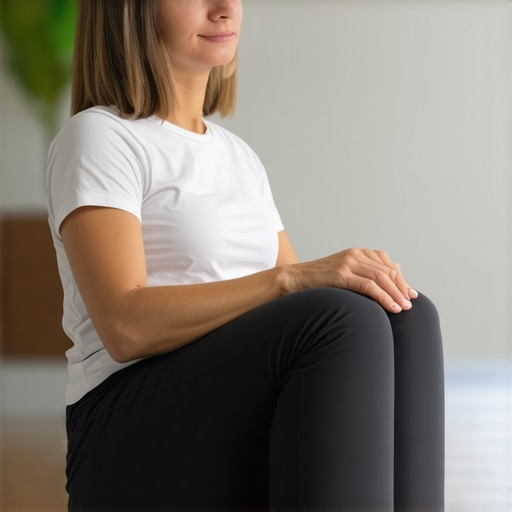
Remember how I once jumped into a VR session without checking my stance? I ended up with a sharp pain down my leg that sidelined my entire day. To avoid this, always set up your environment correctly. Sit or stand with your back straight, shoulders relaxed, and feet flat on the ground. Think of your spine as a puppet string—you want it to be aligned, not pulled in awkward directions. Taking a couple of minutes to correct your posture can make all the difference in preventing nerve pinches.
Prioritize ergonomic setup
Ensure your VR headset is at eye level to prevent neck strain. Use adjustable stands or supports to keep your head in a neutral position. For added safety, consider using ergonomic chairs or mats that promote healthy sitting habits. Regularly check your alignment during breaks.
Incorporate Mobility Drills into Your Routine
During my early VR experiences, I neglected mobility exercises, which led to stiff joints and increased nerve tension. Integrate simple movements like hip circles, spinal twists, and leg swings into your warm-up. These activate blood flow, lubricate joints, and release tight muscles, acting like a lubricant for your nervous system. I found that doing a quick 5-minute mobility warm-up before each session reduced my sciatic flare-ups significantly.
Target key areas that influence nerve health
Focus on hip flexors, hamstrings, and lower back muscles. Tightness here often causes nerve compression. Use foam rollers or stretching routines to loosen these areas. For guided exercises, check out [Boost Your Back Mobility](https://bodyrenewtherapy.com/boost-your-back-mobility-simple-exercises-that-make-a-difference), which provides effective strategies.
Practice Dynamic Movements During Exercise
In my experience, holding static positions during VR workouts can increase nerve compression risk. Instead, incorporate dynamic movements—such as lunges, side bends, and gentle twists—that promote continuous movement and reduce stiffness. These help your muscles adapt to motion, decreasing the likelihood of pinching the sciatic nerve. Starting with just five minutes of varied movement during your session can have a long-term impact.
Be mindful of your movement patterns
Avoid sudden, jerky motions or overextending your legs. Maintain smooth, controlled actions. If you notice any discomfort, pause and adjust your posture or movement.
Monitor and Reinforce Good Habits
Regularly checking in with your body is crucial. I set timers to remind myself to pause every 15-20 minutes, reassess my posture, and perform light stretches. These pauses act like reset buttons, preventing cumulative strain. Over time, these habits strengthen your body’s resilience against nerve pinches.
Use supportive accessories
Consider lumbar cushions, knee supports, or ankle braces if you notice persistent tightness or pain. They can help maintain proper alignment during long sessions. Explore more tips on enhancing mobility and comfort through [Ergonomic Tips for Everyday Comfort](https://bodyrenewtherapy.com/enhance-your-back-mobility-ergonomic-tips-for-everyday-co…)
Many assume that all nerve pain, especially sciatica, stems solely from straightforward causes like slipped discs or pinched nerves. However, advanced insights reveal nuanced factors often overlooked. For example, a common myth is that static stretching always relieves nerve tension; in reality, overstretching or improper techniques can exacerbate pain, leading to longer recovery times. It’s crucial to differentiate between beneficial mobility work and movements that might inadvertently worsen nerve compression.
A particular trap many fall into is ignoring the **underlying postural habits** that subtly contribute to nerve irritation. Persistent poor alignment during daily activities or workouts can cause cumulative nerve stress, which isn’t always immediately apparent. Recognizing and correcting these habits is vital, and experts suggest that addressing these root causes can lead to lasting relief. For instance, incorporating ergonomic adjustments and targeted mobility routines are proven strategies supported by research (see https://bodyrenewtherapy.com/understanding-the-link-between-poor-posture-and-chronic-back-pain).
A key misconception among advanced practitioners is the belief that pain is solely a mechanical problem that must be fixed physically. While physical adjustments are essential, neuroscience studies emphasize that **mind-body interactions** significantly influence pain perception. Techniques like neuroplasticity exercises and mindful movement can accelerate recovery and reduce chronic discomfort. Learn more about these approaches at https://bodyrenewtherapy.com/unlocking-sciatica-relief-expert-strategies-for-lasting-comfort.
What many overlook is how **subtle lifestyle factors**—such as sleep positions, ergonomic setups, or wearable tech—can quietly aggravate nerve issues over time. Without awareness, these small habits become silent contributors to persistent pain. Vigilance in monitoring and adjusting these factors can make a considerable difference.
Finally, advanced mobility isn’t just about stretching or strengthening; it requires understanding the **complex interplay** between muscles, fascia, joint integrity, and nervous system health. Regularly updating your approach with evidence-based strategies ensures progress and prevents setbacks. Explore expert-recommended routines here: https://bodyrenewtherapy.com/boost-your-back-mobility-simple-exercises-that-make-a-difference.
Have you ever fallen into this trap? Let me know in the comments!
Maintaining relief from sciatica, neck discomfort, or back pain isn’t a one-and-done task. It requires a combination of consistent routines, quality tools, and strategic adjustments. Over the years, I’ve found that investing in specific equipment and mastering accessible techniques can make a significant difference in long-term outcomes.
Choosing the Right Mobility Tools
My personal go-to for improving mobility and preventing nerve pinches is the foam roller. I prefer a medium-density roller because it provides enough pressure to release tight fascia without causing unnecessary pain. Using it regularly—especially targeting the hips, hamstrings, and lower back—helps maintain tissue elasticity and reduces nerve compression risk. For instance, regularly rolling the piriformis muscle can alleviate sciatic nerve irritation and improve overall mobility. I recommend following a guided routine from this resource to ensure proper technique.
How do I keep mobility tools effective over time?
Consistency is key. I integrate 5-10 minutes of foam rolling into my daily routine and combine it with gentle stretches. Also, replacing foam rollers periodically—every 6 to 12 months—ensures the foam remains effective and hygienic. Don’t hesitate to explore alternative tools like massage sticks or vibration rollers, which can provide deeper tissue relief. Incorporating these into your regimen prevents stagnation and promotes ongoing tissue health.
Investing in Ergonomic Equipment
Beyond physical tools, ergonomic setups are crucial for long-term relief. I upgraded my workspace with an adjustable standing desk and ergonomic chair, which have drastically reduced my neck and back tension. Proper alignment prevents nerve pinches from repetitive strain. For example, adjusting my monitor to eye level eliminated strain on my cervical spine. This aligns with expert recommendations found here. Small tweaks—like supportive lumbar cushions or footrests—can have outsized benefits over time.
How do I keep ergonomic habits consistent?
I set regular reminders and perform micro-movements throughout the day—standing up, stretching, and adjusting my posture. Using ergonomic accessories with adjustable features helps me maintain proper alignment quickly. Remember, the goal is to make good posture effortless, turning it into a natural habit rather than a chore. This proactive approach diminishes long-term deterioration risk and supports nerve health.
Embracing Self-Monitoring and Advanced Techniques
Technology can be a game changer. I utilize smartphone apps that prompt me to check my posture and suggest mobility exercises based on my activity patterns. Additionally, recent research underscores the benefits of neuroplasticity exercises combined with physical routines for lasting relief (source). Incorporating mindfulness and body awareness during workouts amplifies these benefits.
One advanced tip I recommend trying is the hip reset exercise, a quick movement that can instantly alleviate nerve pressure and reset your posture during the day. Simple tools like a bolster or small pillow can assist in supporting proper positioning. Making this a daily habit can prevent minor tweaks from escalating into chronic issues.
Where should you focus your efforts to keep your back healthy long-term?
Invest in a combination of mobility tools, ergonomic adjustments, and mindful monitoring. Regularly review your routines and stay adaptable. These strategies will aid in maintaining your progress for years to come. For ongoing guidance, I encourage you to explore more tips on daily mobility routines.
Ready to take the next step? Try incorporating the hip reset exercise into your daily routine today and experience immediate relief. Small, consistent efforts lead to lasting results—your back will thank you over the years.
Odds Are You Missed These Key Lessons in Your Journey
- My biggest lightbulb moment was realizing that nerve health isn’t just about stretching—it’s about consistency and posture awareness in daily life, not just during workouts.
- I learned that the most effective mobility routines are deeply personal; what works for one person might not suit another, emphasizing the need for tailored strategies supported by expert guidance.
- An unexpected insight was how small ergonomic adjustments, like monitor height or seating posture, can profoundly impact sciatic nerve health over time, proving that prevention often starts with simple changes.
Tools and Resources That Made a Difference for Me
- Foam Rollers: I trust medium-density rollers because they provide effective fascia release without excessive pain. Regular rolling—targeting hips, hamstrings, and lower back—keeps tissues healthy and prevents nerve compression. Check out these mobility exercises for proper technique.
- Ergonomic Workspace Setup: Upgrading my desk with an adjustable standing desk and supportive chair reduced tension and improved alignment. Small ergonomic tweaks, like monitor height, make a lasting difference—see this guide for more tips.
- Mobile Apps for Posture Monitoring: Using reminder apps helps me reassess posture regularly, preventing strain accumulation. Incorporate micro-movements throughout the day to reinforce good habits and reinforce spinal health.
Keep Moving Forward with Confidence and Care
Embarking on a journey to overcome sciatic discomfort and improve mobility is both achievable and rewarding. Remember, the key is consistency, curiosity, and compassion towards your body’s signals. Small, deliberate changes—like incorporating targeted exercises or adjusting your workspace—can lead to lasting relief and a more vibrant life. Stay proactive, stay curious, and embrace the process of healing and strengthening. Your back and nerves will thank you for it.