
Why your heavy backpack is shifting your pelvic tilt

Have you ever carried a heavy backpack and suddenly felt a strange tug in your lower back or noticed your pelvis tilting uncomfortably? I remember the first time I experienced this—immediately, I felt a mix of frustration and curiosity. Why would a simple load on my shoulders cause such a shift in my body? Turns out, that heavy pack was more influential than I realized, subtly altering my pelvic alignment and setting off a chain reaction of discomfort. If you’re nodding along, you’re not alone. Many people underestimate how everyday habits, like carrying heavy bags, can impact their posture and long-term health.
Understanding the Connection Between Heavy Loads and Pelvic Tilt
When I first started noticing persistent lower back pain and uneven hips, I thought maybe I needed better chairs or more stretches. But the real culprit was something I had been doing unconsciously: consistently carrying heavy backpacks or shoulder bags that were imbalanced. The weight distribution and the way I carried my bag caused my pelvis to tilt, creating muscle imbalances that led to pain and limited mobility. This happens because the body compensates for uneven weight by adjusting posture, which in turn can stress muscles, ligaments, and discs over time. Recognizing this common but often overlooked cause was a game changer for me—and it might be for you too.
So, what exactly happens when a heavy backpack shifts your pelvic tilt? Essentially, the added weight unbalances your pelvis, pulling it forward or to one side. This affects the lumbar spine and causes a ripple effect throughout your lower body. Over time, this imbalance can become chronic, leading to pain, sciatica, and even changes in gait. A study published in the Journal of Body Mechanics highlights that improper load carriage can significantly alter pelvic positioning, increasing the risk of back issues.
But here’s the good news: once you understand the mechanics, there are straightforward ways to correct this imbalance. I’ll walk you through practical steps to prevent your backpack from sabotaging your pelvic alignment, helping you regain comfort and mobility.
Have you noticed these sneaky signs—like one hip higher than the other or persistent aches after carrying your bag? If so, keep reading. We’ve got solutions that work—and they’re backed by science.
Early on, I made the mistake of ignoring my body’s signals. I thought strengthening exercises alone would fix my back pain, but neglecting the root cause—my uneven load habits—only made things worse. Trust me, addressing the source rather than just the symptoms makes all the difference. For more insights on how posture impacts your back, check out this article.
Now, let’s get into actionable strategies to prevent your backpack from throwing your pelvis off balance—starting with proper load management and posture awareness.
,
Adjust Your Load Distribution Immediately
First, evaluate how you carry your backpack or bag. Ensure weights are evenly distributed; use two straps instead of one to prevent uneven pull, which can tilt your pelvis. I remember switching to padded, ergonomic straps during a camping trip; instantly, my lower back felt less strained the next day. Use luggage with waist straps that transfer some weight to your hips, reducing pelvic imbalance. For more detailed guidance, you can visit this resource.
Enhance Your Posture When Carrying Loads
Keep your shoulders back and chest open. Imagine steadying a tray of drinks—balanced and upright. Avoid slouching or leaning to one side. I once caught myself leaning forward with a heavy laptop bag; correcting my posture, I felt relief within minutes. Practice this by consciously aligning your ears over your shoulders and hips. Incorporate reminders or posture-cuff exercises to reinforce this habit. Visit this page for effective exercises.
Strengthen Core and Hip Muscles
Weak core muscles exacerbate pelvic tilt caused by uneven loading. Engage in targeted exercises like planks and bird-dogs daily. I added 30-second planks to my routine, and within a week, my pelvis felt more stable. Focus on engaging your transverse abdominis and glutes simultaneously during movement for better pelvic control. Regular strengthening prevents compensatory tilts and improves overall alignment. Check this guide for step-by-step routines.
Incorporate Pelvic Stability Drills
Try the pelvic tilt exercise: lying on your back, gently flatten your lower back against the floor by engaging abdominal muscles, then release. Do 10 reps, gradually increasing over time. I discovered that doing this after heavy hikes prevented lingering discomfort. Consistent practice trains your muscles to maintain proper alignment during daily activities. For more advanced drills, visit this tutorial.
Be Mindful of Your Daily Habits
Limit carrying heavy everyday items in one hand or pocket. Swap to backpacks with adjustable straps and waist belts. Incorporate regular breaks if you carry loads for extended periods, shifting weight from one side to the other. I initially ignored these habits, which worsened my posture; after making small adjustments, I noticed significant relief. Always compare your habits against ergonomic principles to prevent pelvic misalignment. For detailed ergonomic tips, see this resource.
Monitor and Address Early Signs of Imbalance
Keep an eye out for uneven hips, persistent aches, or a tilted pelvis—signs your habits are causing imbalance. Use a mirror or ask a partner to check your posture regularly. If you notice issues, act immediately by adjusting your carrying methods and strengthening exercises. Addressing these signs early, as I did after noticing a slight limp, prevents long-term discomfort. More info can be found at this article.
Many people believe that stretching more or taking painkillers is the ultimate fix for spine-related issues, but this approach often overlooks critical nuances that could be making things worse. One common myth is that pain always equals injury needing rest, but in reality, pain can be a sign of your nervous system overreacting to unresolved biomechanical imbalances. For example, some studies, like those summarized in the expert analysis, suggest that persistent discomfort often involves central sensitization—a heightened state of nerve responsiveness—not just tissue damage.
Beware of the trap of relying solely on passive treatments such as massages or chiropractic adjustments without addressing the root cause. While these can offer temporary relief, they may unintentionally reinforce flawed movement patterns if not complemented with proper strengthening and posture correction. This is where many get caught in a cycle of short-lived relief and recurring pain, believing they need increasingly invasive solutions.
One advanced mistake involves misdiagnosing the source of sciatic or neck pain as a disc herniation when it might be a muscular or fascial restriction, which can be effectively addressed with targeted mobility work. For instance, certain movements focusing on holistic neuromuscular control—like deep core stabilization—have shown promising results in research, such as the latest studies.
**Why do so many treatments fall short despite their popularity?** The key lies in understanding that the nervous system and the musculoskeletal system are intricately linked; ignoring this connection can lead to advanced pitfalls. Overlooking subtle signs like asymmetrical muscle tension or habitual postures can result in chronic issues that stubbornly resist conventional therapies.
This is where expert insight becomes invaluable. Instead of merely masking symptoms, **focusing on retraining movement patterns, restoring proper load management, and activating deep stabilizers** can radically alter your recovery trajectory. For example, practicing specific mobility exercises, like the ones outlined in this routine, can unlock long-term improvements.
Ready to go beyond the myths? Remember, acknowledging the complexity of your back or neck health and engaging in comprehensive, scientifically grounded strategies is essential for lasting relief. Have you ever fallen into this trap? Let me know in the comments.
Once you’ve addressed the immediate causes of neck pain, sciatica, or back discomfort, the next step is establishing reliable tools and routines that support sustained health. Personally, I rely on a combination of ergonomic equipment, targeted mobility routines, and digital resources to keep my spine at its best. These tools are not just practical; they have become part of my daily discipline, ensuring that I prevent issues before they escalate.
Investing in Quality Ergonomic Equipment
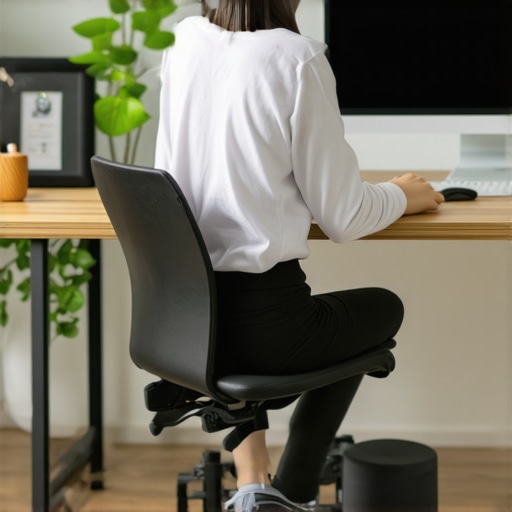
My go-to for maintaining proper posture is a supportive, adjustable chair that promotes lumbar support and allows for dynamic movement throughout the day. Modified workstation setups that prioritize neutral spine alignment significantly reduce strain. For example, I use an ergonomic keyboard and mouse, which minimize wrist and shoulder tension, indirectly alleviating neck and lower back stress. I also recommend using an adjustable standing desk, but with awareness — as improper standing can be as harmful as sitting. Regularly incorporating standing intervals, coupled with movement break reminders, helps maintain mobility and reduce stiffness.
Applying Targeted Mobility Tools
Foam rollers and massage balls are invaluable for releasing muscular tightness that often contributes to long-term pain. I personally use a firm foam roller on my thoracic spine and hips to prevent rigidity. Incorporating simple mobility drills, like the exercises highlighted here, trains your body to maintain joint health and resilience. Regularly practicing these routines, even a few minutes daily, can prevent chronic tightness and improve overall movement quality.
Leveraging Digital Resources for Progress Tracking
Apps that monitor posture and provide reminders—such as posture correction software—are increasingly valuable. I use a smartphone app that alerts me if I slouch or lean to one side, reinforcing good habits. Educational platforms offering videos and tutorials help deepen understanding and support consistent practice of mobility routines. Consistent engagement with these digital tools creates a feedback loop that anchors healthy habits over time.
Looking ahead, emerging trends point toward integrating AI-driven posture analysis and biofeedback devices, offering real-time corrections and personalized routines. The future of back health maintenance looks promising, with technology making it easier to adapt habits and tools seamlessly into daily life.
How do I keep my back in shape over time?
Key to sustaining improvements is a combination of smart ergonomic investments, routine mobility work, and continuous education. Regularly revisiting your setup—adjusting your workspace ergonomics as your needs evolve—and integrating new mobility exercises ensures your body adapts and stays resilient. Scientific insights, like those from this resource, emphasize the importance of ongoing maintenance strategies rather than sporadic fixes.
To truly solidify your progress, I recommend adopting one advanced tip today: incorporate daily gentle thoracic foam rolling sessions. This simple practice has personally helped me maintain mobility and prevent recurring tightness. Ready to take your back health further? Try this routine consistently for a week, and notice how your posture and comfort improve.
What I Wish I Knew When Starting My Back Journey
One of the hardest lessons I learned was realizing that my daily habits—like how I carried my bag—could silently sabotage my progress. I used to think targeted exercises alone would fix my back pain, but neglecting load management and posture was a trap I fell into repeatedly. Now, I understand that often the biggest breakthroughs come from tiny adjustments in how we treat our bodies every day. If I could go back, I’d tell myself to pay more attention to those subtle signs, because catching imbalances early can save years of discomfort.
Curated Tools That Made a Difference
My essential toolkit includes a high-quality ergonomic backpack that distributes weight evenly—trust me, the difference in my pelvic alignment was immediate. Foam rollers became my best friends, especially for releasing tension in the hips and thoracic spine, which are critical parts of maintaining proper posture. I also rely on a posture correction app that provides real-time feedback, helping me build healthier habits over time. These resources have helped me turn knowledge into consistent practice, which is key to lasting relief and mobility.
The Heartfelt Push to Keep Moving Forward
If you’re tired of battling persistent back or neck pain, remember that every small step counts. Your journey toward better mobility and less discomfort is uniquely yours, and embracing these changes can lead to a more vibrant, pain-free life. I’ve seen firsthand how simple adjustments—like strengthening your core, managing load properly, and staying mindful—can transform your health. So, take that first step today; your future self will thank you. Ever wondered how much difference a few minutes of daily mobility work can make? Let me know below!