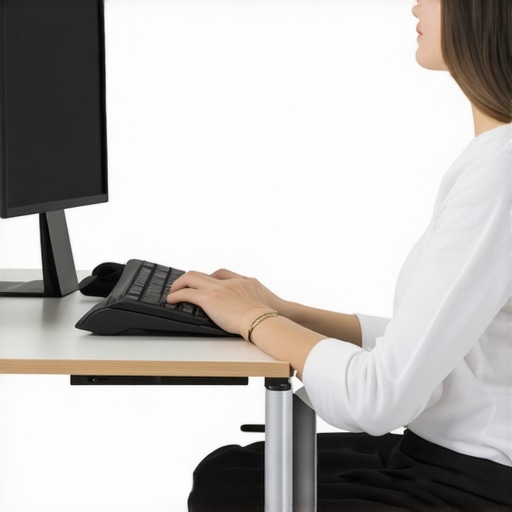
I remember the first time I experienced that sharp, stabbing pain in my neck while scrolling through my foldable tablet on the subway. It hit me like a ton of bricks—this wasn’t just a minor discomfort. It was a wake-up call. As someone who spends hours testing the latest tech, I realized my own habits were contributing to a problem many are about to face more frequently in 2026. Have you noticed your neck aching after a long day gazing at those sleek foldable screens? Trust me, you’re not alone.
Why Neck Pain from Foldable Screens Is Fast Becoming a Major Issue
Foldable screens and portable gadgets are designed to make our lives more convenient. But the reality is, they often encourage a poor posture—shrugged shoulders, forward head positions, and a constant downward gaze. Over time, these habits can lead to chronic neck pain, sometimes mistaken for more serious issues like nerve compression or even disc problems.
Recent studies reveal that prolonged tech use could be responsible for up to 60% of neck discomfort among adults. In fact, the American Chiropractic Association reports that poor ergonomics and posture are the top culprits behind increasing neck complaints. But here’s the kicker: many of us don’t realize we’re making things worse early on.
Early mistakes I made, like ignoring the importance of regular movement or neglecting ergonomic setups, only prolonged my pain. It wasn’t until I began incorporating simple, intentional habits that relief became more consistent. This is why I want to share my insights—so you don’t spend years battling preventable pain.
In the next sections, I’ll walk you through three quick, effective fixes you can implement today—yes, today—to combat the neck tension caused by those new foldable screens. Ready to reclaim your comfort? Let’s dive in.
Adopt a Daily Movement Routine
Start by integrating simple mobility exercises into your day. For example, set a timer every hour to perform a quick neck rotation—gently turning your head side to side. I once set a reminder on my phone, and initially, I was all over the place—sometimes forgetting or rushing through it—but over a week, it became a habit. This consistent movement prevents stiffness and maintains flexibility, reducing tension accumulation. To deepen your understanding, explore mobility mastery tips.
Many believe that treating symptoms is enough, but the real nuance lies in understanding the root causes and common misconceptions that hinder recovery. For instance, many assume that stretching alone can resolve sciatic pain, but in my experience, neglecting the underlying mobility limitations often leads to recurrent issues. There’s a widespread myth that rest speeds up healing; however, evidence suggests that gentle movement is far more effective in promoting nerve and tissue health.
Why do so many advanced patients still struggle despite following standard advice?
The answer often lies in overlooking subtle biomechanical imbalances and compensations that develop over time. For example, poor hip mobility can place extra strain on the lower back and sciatic nerve without obvious symptoms, making targeted mobility exercises essential. Many practitioners recommend generic stretches, but personalized movement assessments reveal that specific joints or muscles are often overlooked, leading to the infamous “oops” moment where pain persists despite diligent aiming at the problem. Avoid trapping yourself into habitual stretching routines that don’t address your unique biomechanics—this can reinforce incorrect movement patterns and delay full recovery. For advanced insights, I recommend exploring these back mobility drills or expert strategies for sciatica relief. Recognizing that mobility isn’t just about flexibility but joint health and strength shifts the approach from passive stretching to active stabilization. Many get this wrong by focusing solely on soft tissue work and ignoring the importance of joint-specific exercises, which often results in flare-ups or incomplete recovery. Remember, improving mobility requires a holistic view—integrating strength, stability, and movement patterns. So, before you jump into another set of stretches, consider assessing what your body truly needs. Have you ever fallen into this trap? Let me know in the comments.Maintaining your progress beyond initial relief is crucial for lasting results. One of the most effective strategies is leveraging reliable tools and technology tailored for mobility and pain management. Personally, I swear by the MyoStorm Theragun Elite, which delivers targeted percussive therapy. It’s become a staple in my routine to break up persistent muscle tension around the neck and back, especially after long testing sessions or prolonged sitting. Using this device regularly helps maintain tissue pliability and prevents stiffness from creeping back, enabling me to sustain mobility gains over time. Additionally, incorporating ergonomic assessments into your daily setup can make a significant difference. I rely on the flexibility of the VariDesk ProPlus adjustable desk converter, allowing me to switch between sitting and standing seamlessly, reducing strain associated with static postures. Regularly evaluating and adjusting your workspace ensures you don’t revert to harmful positions that reignite pain. For tracking progress, I use apps like PainDiary, which help monitor symptoms and identify patterns linked to specific activities or postures. Keeping a detailed log allows for targeted adjustments and keeps motivation high as you see tangible improvements. Predicting where this approach is headed, I believe personalized biofeedback devices will soon become mainstream, offering real-time posture corrections and muscle tension alerts tailored specifically to individual needs. When considering long-term maintenance, ask yourself: “How do I ensure my mobility and pain prevention tools stay effective over the years?” Regular use of recommended devices, combined with periodic ergonomic reviews, forms the backbone of sustainable back and neck health. And don’t shy away from exploring innovative solutions—advanced foam rollers like the Rollga, featured in this article, introduce a new dimension of deep tissue release, helping prevent the re-emergence of pain. For an added boost, I suggest trying the 2-minute hip reset discussed in this guide. It takes just a moment but can significantly contribute to your ongoing mobility health. Make it a habit to regularly evaluate your tools and routines—your future self will thank you for the effort.
Why I No Longer Fall for Quick Fixes
Early in my journey, I believed that stretching and pain pills could solve everything. It took persistent setbacks to realize that deep-rooted habits and biomechanics need more than surface treatment. This realization pushed me to seek holistic solutions, integrating movement, ergonomics, and mindful habits for sustainable relief.
The Power of Personalization Over Generic Advice
Discovering that every body has unique needs was a game-changer. It’s tempting to follow popular routines, but tailored assessments and exercises resonate more and produce better results. That’s why I trust resources like these back mobility drills to guide my personalized approach.
Small Habits Can Make a Big Difference
Implementing just a minute of mobility in my daily routine transformed my experience with pain. From neck rotations to hip resets, these micro-habits prevent stiffness and re-injury. Honestly, the most profound change was realizing that consistency beats intensity. Your body responds best when you treat it gently over time.
Curated Recommendations for Lasting Change
- MyoStorm Theragun Elite: Trusted for targeting muscle tension, it keeps tissues pliable and pain-free. Regular use became my secret weapon.
- VariDesk ProPlus: Switching between sitting and standing with this ergonomic stand-up desk helps reduce static postures that aggravate discomfort.
- PainDiary app: Monitoring symptoms helped me identify patterns, ensuring my routines stay effective and focused.
- Rollga foam roller: Deep tissue release that complements mobility work, especially useful after long testing days.
Embrace the Future of Movement and Pain Prevention
As technology advances, personalized biofeedback devices and smart posture guides will become more accessible, making proactive care easier than ever. The key is to stay curious and adaptable—your body’s longevity depends on it. Keep exploring, adjusting, and celebrating small wins—your future mobility is worth the effort. Which small daily habit has made the biggest difference for your neck or back? Share below and let’s learn from each other!