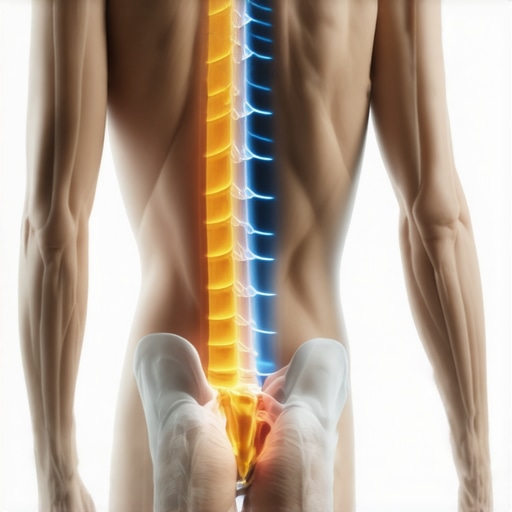
It might seem like your back pain is stubbornly unchanging, stubborn enough to make you wonder if you’ll ever find lasting relief. I remember a moment when I was so frustrated after yet another day of stiffness and discomfort that I almost gave up. But then I realized—there are hidden core mistakes I was making, unknowingly anchoring my problems in place. If you’re tired of feeling like your back is a ticking clock, waiting for relief that keeps slipping away, you’re not alone.
Why Your Back Pain Might Still Be Stuck in 2026
The truth is, many of us fall into common traps when trying to heal back pain. These aren’t just benign missteps; they actively prevent progress. I’ve seen this in my own experience—and in many clients I’ve worked with—where simple overlooked errors keep us from moving forward. The good news? Recognizing and fixing these hidden mistakes can fast-track your recovery and set you up for a pain-free future.
Is Your Approach Really Worth the Effort?
Early on, I believed that pushing through pain or sticking strictly to a certain exercise was enough. Turns out, I was ignoring subtle cues from my body—signs that I needed different strategies. This mistake, among others, kept my progress stagnant. I want you to learn from my oversight and avoid wasting months on ineffective routines. We’ve all had moments where we thought, “Does this really work?” and felt disheartened. The key is to question and adapt. Understanding the link between poor posture and chronic back pain can be transformative in your healing journey.
Did you know that according to the CDC, nearly 80% of adults will experience back pain at some point, yet many keep repeating the same faulty habits that keep the pain lingering? Recognizing these pitfalls is the first step toward breaking free and finally achieving relief.
Let’s explore these common mistakes and how you can avoid them, starting today. Because when it comes to back health, awareness is your greatest ally.
Get Moving, But Smarter
First, replace guesswork with targeted actions. I vividly remember a day when I haphazardly stretched my hamstrings after feeling a twinge—only to worsen the pain. Instead, I learned to identify which muscles truly needed attention. Use ergonomic tips from this guide to optimize your workspace and prevent unnecessary strain. Incorporate simple mobility exercises daily—think of your spine as a hinge that needs lubrication, not just any movement will do. Try the back-friendly stretches to keep this hinge flexible.
Prioritize Posture the Right Way
Poor posture is akin to a crooked bridge—over time, it weakens, leading to back pain. I used to slouch at my desk, which exacerbated my discomfort, until I realized that consistent correction is vital. Focus on aligning your ears, shoulders, and hips while sitting, and set reminders to check your posture throughout the day. Consider ergonomic chairs and monitor heights that support natural alignment—avoid tech traps like tech-neck issues. Small adjustments can make a big difference—know that a quick posture reset can prevent a pain flare-up.
Break the Pain-Promoting Habits
Habits like crossing legs for hours or staying in one position are tiny yet impactful. I caught myself slumping after long hours at the computer—then I set timers to stand, stretch, or walk every 30 minutes. These micro-movements activate muscles that support your spine, preventing stiffness. Replace passive positions with active ones: sit actively by engaging core muscles, or try easy stretches on the couch. Think of your back as a bank account—you need to deposit regular ‘movement’ interest to keep it healthy.
Address Sciatica and Other Specific Issues
If nerve pain flares up, don’t ignore it. I found relief by applying targeted strategies, like gentle nerve gliding moves, instead of stubbornly forcing traditional stretches. Use quick home remedies to soothe irritated nerves—see these proven techniques. Remember, persistent sciatic pain often signals deeper issues; visiting a professional can help diagnose underlying problems and tailor your recovery plan effectively. This isn’t just about temporary relief—it’s about resetting your entire approach.
Implement Daily Mobility Rituals
Consistency beats intensity. I adopted a daily routine of light stretches and posture checks, much like watering a plant—regular care ensures growth and health. Use simple exercises found here to build resilience. Focus on movements that promote spinal flexion, extension, and rotation—think of your spine as a wayward ship needing gentle steering, not aggressive maneuvers. Over time, this routine reduces tension and increases your back’s adaptability.
Stay Informed and Responsive
Finally, monitor your symptoms. Be alert to signs like numbness, weakness, or persistent pain—these could indicate a more serious condition. Use resources such as this checklist to stay vigilant. When in doubt, consult a specialist—early intervention prevents minor issues from becoming chronic. Remember, healing is a journey filled with small, deliberate choices that correct hidden mistakes and build lasting resilience.
Contrary to popular belief, not all back pain stems from muscle strains or obvious injuries. Many assume that if they stretch or strengthen their back muscles, relief is inevitable, but this oversimplification overlooks critical nuances. One common myth is that pain directly correlates with tissue damage; however, in many chronic cases, pain persistence is due to neural sensitization or maladaptive habits (source). Recognizing this shifts the focus from merely treating symptoms to addressing underlying neural and behavioral factors.
Are You Overlooking the Role of Neural Sensitization?
Many practitioners and patients alike underestimate how the nervous system amplifies pain signals over time, creating a persistent pain cycle (study). This neural sensitization means that even minor stimuli can trigger significant discomfort, making simple movements seem daunting. Most believe that pain indicates ongoing tissue damage, but in reality, it often reflects neural processing intensities rather than structural issues. Addressing this requires more than just physical therapy; it involves retraining the nervous system through graded exposure and mindfulness techniques.
Another widespread mistake is considering mobility exercises as purely physical—neglecting their impact on neural pathways. For instance, gentle nerve gliding movements help desensitize hyperactive neural components, restoring normal function and significantly reducing pain (expert advice). Incorporating these advanced techniques ensures that rehabilitation is comprehensive, targeting both musculoskeletal and neurological contributors to pain.
Furthermore, many overlook how habitual postures and movement patterns perpetuate back pain. The unconscious habit of slouching or micro-adjusting in awkward positions can lead to a maladaptive neural map, which reinforces pain signals (insight). Breaking this cycle demands mindfulness and deliberate ergonomic adjustments—simple changes like sitting upright or switching sitting positions frequently can significantly influence neural feedback loops.
” alt=”Person practicing nerve gliding exercises for sciatica relief” title=”Nerve gliding exercises for sciatic and back pain relief”/>
It’s also a trap to assume that advanced pain is purely structural or that surgery is the inevitable solution. Numerous clinical trials demonstrate that conservative, neural-focused approaches can yield lasting relief, often outperforming invasive procedures when applied correctly (research). Recognizing the neuroplastic aspect of pain pushes us to adopt a more nuanced, patient-centered treatment plan, emphasizing neural desensitization and habit correction over surgery or short-term fixes.
So, next time back pain seems unresponsive to your efforts, consider whether you’ve addressed the neural aspects. Are your routines targeting just muscles, or are you also reprogramming your nervous system? An integrated approach can transform your recovery journey.
Have you ever fallen into this trap? Let me know in the comments, and share your experiences with neural-focused pain management strategies!
Keep It Working: Tools I Recommend
Maintaining your back, neck, and mobility over time requires more than just occasional stretches or posture checks; it demands reliable tools and consistent habits. As someone deeply invested in restoring and preserving spinal health, I’ve identified specific equipment and methods that deliver measurable results and make daily maintenance manageable. Incorporating these into your routine can prevent setbacks and enhance your long-term progress.
One of my go-to tools is the ergonomic standing desk converter. Unlike fixed desks, adjustable converters enable seamless transitions between sitting and standing, reducing tension and promoting blood flow. I personally use the variably adjustable models, which have helped me avoid the micro-stresses that come from static postures. Regularly changing your position with such tools is critical, especially considering research from OSHA highlights that static postures significantly contribute to musculoskeletal disorders.
Another essential component is a set of mobility aids, particularly foam rollers and massage balls. I emphasize foam rolling for the hips, glutes, and thoracolumbar fascia because these areas influence sciatic and low back pain. The routine I follow involves daily rolling sessions, which not only improve flexibility but also reset neural pathways, preventing chronic stiffness. Equipment quality matters—invest in dense, durable rollers to avoid wear and maximize effectiveness.
Plus, I recommend using apps and software that facilitate posture and movement tracking. Devices like the Upright Go or Lumo Lift attach discreetly and alert you when slouching or poor posture occurs. For instance, I rely on the customized feedback to correct habits throughout my day. This real-time accountability encourages consistency and awareness, often preventing pain before it begins.
Looking ahead, I see the future of back health tools gravitating toward biofeedback technology integrated with AI, offering personalized movement cues and progress tracking. Elon Musk’s Neuralink mentions that neural interfaces could in the future monitor muscle activation patterns directly, guiding users to optimal movement patterns effortlessly. While that’s still emerging, current tech like smart posture monitors already demonstrate promising results.
How do I maintain long-term mobility and pain prevention?
Consistency is key. Use tools like ergonomic desks, foam rollers, and posture apps daily. Schedule regular check-ins to examine your habits, just like I do with my physical therapist. Incorporate smart tech to get immediate feedback—this helps reinforce good habits and prevent regressions. Remember, small but regular interventions prevent big problems later. Invest in quality gear, stay informed, and adapt your routines as your needs change for sustained results.
One advanced tip: Try a targeted nerve gliding routine using a foam roller or massage ball to desensitize neural pathways that might be contributing to chronic pain. This technique, supported by the expert guide, can unlock better mobility and reduce nerve tension over time. Give it a try and see how your pain levels respond—it’s a practical step toward lasting relief and resilience.
” alt=”Person using ergonomic desk with sit-stand converter” title=”Ergonomic sit-stand desk converter for back health”/>
The Power of Small Wins You Might Overlook
One of the most impactful lessons I learned is that consistency in small daily habits often trumps sporadic intense efforts. Early on, I underestimated how much tiny adjustments—like setting a timer to remind myself to stand and stretch—can cumulatively create a significant difference in back health. Recognizing and celebrating these micro-progresses fueled my motivation and kept setbacks at bay.
Why Listening to Your Body Is the Real Game Changer
Initially, I thought I knew best—pushing through pain or ignoring subtle signals. But I soon realized that tuning into my body’s cues was essential for tailoring my recovery. This personalized approach, whether it meant modifying a stretch or adjusting my workstation, made all the difference in avoiding reinjury and moving towards lasting relief. It’s a reminder that your own sensations are valuable guides on your healing journey.
The Hidden Role of Neural Desensitization That No One Talks About
While many focus solely on strengthening muscles, I uncovered that addressing neural pathways is equally important. Techniques like gentle nerve gliding and mindful movement reprogram the nervous system, reducing chronic pain fueled by neural sensitization. Embracing this neuro-centric view transformed my approach from purely physical to holistic, emphasizing the importance of retraining the nervous system to sustain mobility and comfort.
Curated Toolkit That Accelerates My Progress
From ergonomic essentials like adjustable sit-stand desks to mobility aids such as foam rollers, my selection of tools has been pivotal. I trust these because they’ve provided tangible, measurable benefits and fit seamlessly into daily routines. Combining reliable gear with expert-recommended routines, I’ve built a resilient spine and a sustainable motion habit. Invest in quality tools—they’re an investment in your long-term back health.
Your Next Step Could Be the Most Empowering Yet
Remember, recovering from back pain isn’t about quick fixes; it’s about embracing small, consistent actions that reprogram habits and neural pathways. Your journey is unique, but your commitment to embracing smarter movement, better posture, and neural re-education can unlock a future where pain no longer dictates your days. Dare to start today—your back will thank you.
What small habit are you ready to change that could have a big impact on your back health? Share your thoughts below—I’d love to hear your story!