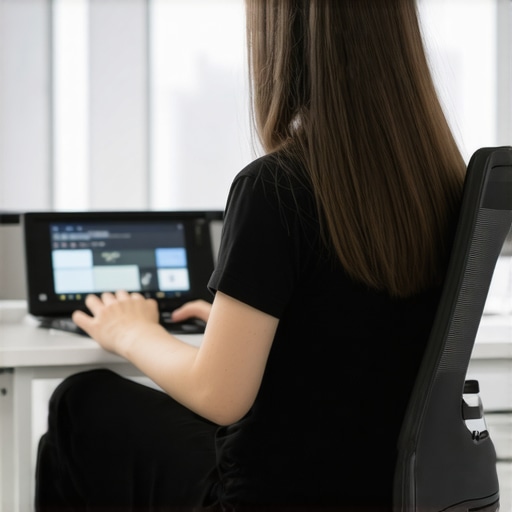
It was late one evening when I finally realized what was happening every time I looked down at my phone—my neck was screaming for help. The sneaky pain started as a mild twinge, then grew into a persistent ache that haunted my every move. I had been habitually leaning into my screen, convinced I was just ‘too busy’ to worry. But deep down, I knew I was heading down a dangerous path. That lightbulb moment hit me hard—my daily habits were trashing my neck, and I had to do something about it.
Why I Can’t Ignore the Neck Pain Any Longer
Neck pain is more than just an annoyance; it affects your mood, your sleep, and your overall quality of life. If you’re like me, you might think it’s just a temporary discomfort, but in reality, ignoring it can lead to more serious issues, such as chronic sciatica or reduced mobility. Early on, I made the mistake of assuming a quick painkiller would fix the problem—that was a costly oversight. Instead, I learned that understanding the root cause and making deliberate changes made all the difference. Interestingly, recent studies show that poor posture and prolonged screen time can increase the risk of neck and back problems by up to 60% (source: [Body Renew Therapy](https://bodyrenewtherapy.com/understanding-the-link-between-poor-posture-and-chronic-back-pain)). If you’ve been facing these issues, you’re not alone, and it’s not just in your head. We’re all caught in the trap of modern living habits that silently chip away at our spinal health. My promise today is this: I’ll share practical, proven strategies I’ve tested myself, to help you stop trashing your neck and start regaining your mobility. Want to avoid ending up like I nearly did? Keep reading.
Is Neck Pain Really Worth the Hype?
Now, I know what some skeptics might think—”Is this really that serious?” Honestly, I’ve been there. I used to dismiss my neck pain as a minor nuisance. But every time I ignored it, the pain worsened, and my daily life suffered. Trust me, the mistake I made early on was thinking pain was just part of aging or too minor to address immediately. If you’re wondering whether this is worth your time, ask yourself—are you willing to accept ongoing discomfort or worse, chronic issues that limit your movement and independence? I’ve found that small changes, when done consistently, can prevent big problems. That’s what I want for you too. If you’re tired of that nagging ache turning into something more serious, let’s explore how to take control of your neck health, starting today.
Master Your Posture and Ergonomics
Start by setting up your workspace correctly—adjust your chair, monitor, and keyboard to promote natural alignment. For example, position your computer screen at eye level to prevent your neck from tilting forward. I once spent an entire afternoon fiddling with my desk height, which initially left me frustrated, but soon I noticed a significant decrease in neck strain. Remember, a well-ergonomic setup acts like a sturdy foundation for your neck’s health. Learn more about ergonomic tips at this guide. 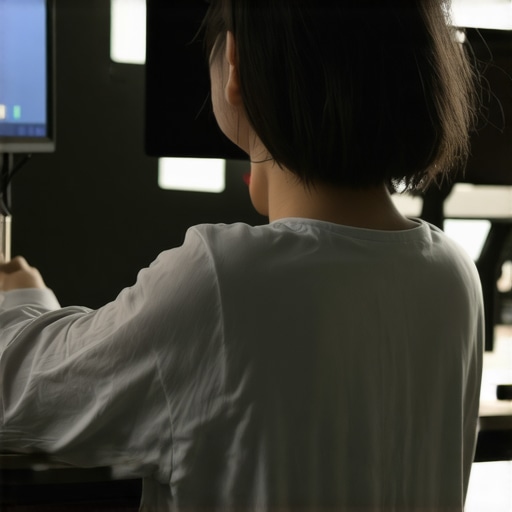
Incorporate Targeted Mobility Exercises
Daily mobility drills can restore flexibility and reduce stiffness—think of your neck as a hinge that needs regular lubrication. I recommend starting with gentle neck circles: slowly rotate your head clockwise and then counterclockwise, 10 reps each way. This simple movement was messy at first as I struggled to keep my balance, but consistency paid off with improved range of motion. Use small, controlled motions, and avoid forcing through pain. For more structured routines, check out this technique. Consistency here is your best friend—soon, your neck will feel more liberated and pain-free.
Manage Stress to Reduce Tension
High stress levels often translate into muscle tightness, especially in the neck and shoulders. I discovered this firsthand when extra tension from work caused my pain to spike. Breathing exercises, like diaphragmatic breathing, act as a release valve—think of stress as a balloon that needs deflating. Sit comfortably, place one hand on your belly, and take slow, deep breaths, focusing on expanding your diaphragm. Practicing this for five minutes daily can markedly decrease muscle tension and improve your overall comfort. Learn more about stress management techniques at this resource. Managing stress is like maintenance—preventative and essential for long-term relief.
Practice Strengthening Drills
Building muscle support around your neck and back enhances stability and prevents pain recurrence. I integrated simple isometric exercises where I gently press my hand against my forehead for front neck strength, holding for 10 seconds, then relaxing. Initially, I wobbled and felt awkward, but over weeks, my neck felt sturdier. Incorporate exercises targeting your upper back and shoulder blades—like scapular squeezes—to create a muscular brace that supports good posture. For detailed routines, visit this article. Remember, consistent strengthening is like building a fence—keeping pain out and mobility in.
Adopt Smart Movement Habits
Small, habitual changes can significantly impact your neck health. For example, avoid cradling your phone between your shoulder and ear; instead, use a headset or speaker. I caught myself slouching during long drives and made a conscious effort to sit upright with a supported lumbar curve; this small adjustment was uncomfortable at first, but it prevented nagging neck stiffness. Think of these habits as daily investments—each positive move compounds to reduce pain and enhance function. Explore more tips at this guide. Small, consistent adjustments are your secret weapon against persistent discomfort.Many people believe that neck pain, sciatica, and back problems are simply inevitable parts of aging or lifestyle. However, understanding the nuances and myths can dramatically improve treatment outcomes. One common misconception is that solely extending or stretching the affected area is always beneficial. In reality, over-reliance on stretching without addressing underlying postural habits can exacerbate issues, leading to longer recovery times. For instance, aggressive stretching of tight muscles may seem logical, but if poor posture or movement patterns persist, the pain often returns. It’s vital to focus on correcting root causes, such as ergonomic misalignments—check out ergonomic tips to ensure your daily environment supports spinal health.
Are Painkillers Just Covering Up Problems?
Many think that over-the-counter pain medications can permanently resolve issues, but this is a dangerous illusion. While drugs may reduce discomfort temporarily, they don’t address the underlying causes like joint misalignments, poor movement habits, or muscle imbalances. Relying solely on medication can delay seeking effective therapies, turning acute pain into chronic problems. Research supports this—long-term medication use can mask symptoms without improving function, potentially worsening recovery prospects. Instead, focus on physiologically targeted strategies, including mobility exercises and load management, as suggested in lifestyle modifications for sciatic relief. Have you ever fallen into this trap? Let me know in the comments.Maintaining your spine’s health over the long term requires not just good habits but also the right tools and consistent routines. Personally, I swear by specific equipment and software that help me stay aligned and monitor progress. One essential tool is a high-quality ergonomic chair with adjustable lumbar support and seat height, which I set precisely for my body dimensions. I use a sit-stand desk converter, allowing me to alternate between sitting and standing every 30 minutes. This variation prevents stiffness and encourages proper posture. Regularly, I employ posture-crompting devices like the Upright GO, a small sensor that attaches to your upper back and provides real-time feedback on your posture, helping me correct it proactively. For mobility tracking, I utilize smartphone apps such as PocketNeck, which prompts daily neck stretches and records progress, making consistency easier to maintain. In addition to physical tools, I recommend engaging with online programs that provide guided mobility routines tailored for neck and back issues, like those found on Body Renew Therapy. These digital resources serve as a kind of personal coach, ensuring you don’t slip into old habits. Looking ahead, I believe the future of spinal health management will incorporate AI-driven posture analyzers and wearable sensors that provide instant feedback and personalized routines. To keep your progress sustainable, practice weekly maintenance routines—like the 2-minute neck reset or daily mobility drills—and review your technique regularly. Remember, the key to long-term success is consistency, so integrate these tools into your daily schedule. How do I maintain neck and back health over time? By setting up my environment optimally, investing in reliable tools, and tracking my habits with technology, I ensure ongoing support for my mobility. For example, I upgraded my workspace with a height-adjustable desk and a lumbar-supporting chair, which made a noticeable difference in my daily comfort. I encourage you to try integrating a posture feedback device like the Upright GO into your routine—many users report significant improvements within weeks. Explore guided routines and tools on trusted platforms, and stay vigilant about small adjustments. Remember, prevention is always better than cure, and these tools make that easier and more effective. Ready to take your neck and back health to the next level? Start by using a posture sensor for a week and observe how even small corrections can have a lasting impact.Throughout my journey dealing with neck pain, I learned that small, persistent habits often hide the biggest risks—like how a tiny shift in my workstation setup or neglecting daily mobility exercises could set back my progress. One lightbulb moment was realizing that my subconscious stress responses—clenching my jaw or tensing my shoulders—played a significant role in ongoing discomfort, emphasizing the importance of integrating stress management into my routine. I also discovered that patience beats quick fixes; stability and relief come from consistent, deliberate actions, not overnight miracles. These lessons underscored that understanding your body’s signals and respecting your limits are crucial, transforming frustration into empowerment. For those committed to lasting change, I recommend exploring tools and routines that foster mindfulness and ergonomic awareness, as they can be game-changers in your spinal health journey.



This article really hits home for me because I started noticing neck discomfort a few months ago, mainly from long hours at my desk and constant phone use. I’ve already incorporated some of the tips, like adjusting my workspace and doing daily neck stretches, and I can honestly say I feel a lot better. What I found particularly interesting was the emphasis on stress management—sometimes I didn’t realize how much tension I was holding in my shoulders and neck until I made a conscious effort to relax through breathing exercises. That said, I’m curious about your thoughts on incorporating regular movement breaks during the workday—do you think they could make a significant difference in preventing pain, or is a good ergonomic setup enough? I’d love to hear others’ experiences with stopping neck pain before it becomes chronic.
This post really resonates with me because I’ve been dealing with similar issues due to prolonged screen time and poor posture. I started implementing ergonomic adjustments and daily stretching routines, which definitely helped, but I’ve also found that integrating brief movement breaks throughout the day makes a huge difference. For instance, setting a timer to remind myself to stand up and walk around every 30 minutes keeps my muscles from becoming stiff and reduces the overall strain on my neck. I believe combining ergonomic setup with active breaks addresses both the root cause and the habits that contribute to neck pain. Do others recommend specific stretching or movement sequences during work hours to maximize relief? I’m curious if anyone has found particular routines especially effective that could fit seamlessly into a busy schedule.