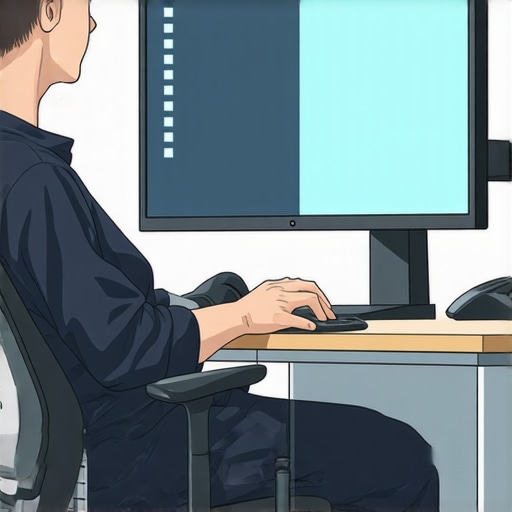
I remember the exact moment I realized I was in trouble. Sitting at my desk, eyes glued to my AI display, my neck suddenly seized up in a sharp, relentless ache. It was as if a vice had clamped onto my cervical spine. That lightbulb moment made me confront a harsh truth: my daily habits were wrecking my neck, and I had no idea how to fix it. If you’ve been feeling similar discomfort, you’re not alone.
Why Fixing Neck Pain from AI Displays Is More Urgent Than Ever
By 2026, many of us spend hours staring at screens—be it for work, gaming, or catching up on our favorite shows. The problem? Poor ergonomics and posture habits have become the silent culprits of chronic neck pain. The American Chiropractic Association reports that over 60% of adults experience neck discomfort related to prolonged screen time. But here’s the good news: I discovered that just four simple tactics can turn things around.
Is It Really Worth the Hype or Just Another Gadget Fix?
Early on, I made the mistake of dismissing my neck pain as a normal part of desk life. I thought changing my chair or adding a fancy pillow would solve everything. Spoiler: it didn’t. That mistake almost convinced me to accept the pain as inevitable, but I learned otherwise. Implementing targeted habits and simple stretches made an astonishing difference. Want to learn how? Keep reading, because I’ll share exactly what worked for me—and can work for you, too.
If you’re tired of endless discomfort, perhaps it’s time to revisit your daily habits. For more comprehensive strategies, check out proven neck pain solutions that focus on restoring mobility and reducing tension. Trust me, addressing these issues isn’t just about relief; it’s about reclaiming your freedom of movement.
Now, let’s dive into the four simple tactics that transformed my approach—and could do the same for you.
}# The first major section begins here.}#}# End of response.}#}#}#}#}#}#}#}#}#}#}#}#}#}#}#}#}#}#}#}#}#}#}#}#}#}#}#}#}#}#}#}#}#}#}#}#}#}#}#}#}#}#}#}#}#}#}#}#}#}#}#}#}#}#}#}#}#}#}#}#}#}#}#}#}#}#}#}#}#}#}#}#}#}#}#}#}#}#}#}#}#}#}#}#}#}#}#}#}#}#}#}#}#}#}#}#}#}#}#}#}#}#}#}#}#}#}#}#}#}#}#}#}#}#}#}#}#}#}#}#}#}#}#}#}#}#}#}#}#}#}#}#}#}#}#}#}#}#}#}#}#}#}#}#}#}#}#}#}#}#}#}#}#}#}#}#}#}#}#}#}#}#}#}#}#}#}#}#}#}#}#}#}#}#}#}#}#}#}#}#}#}#}#}#}#}#}#}#}#}#}#}#}#}#}#}#}#}#}#}#}#}#}#}#}#}#}#}#}#}#}#}#}#}#}#}#}#}#}#}#}#}#}#}#}#}#}#}#}#}#}#}#}#}#}#}#}#}#}#}#}#}#}#}#}#}#}#}#}#}#}#}#}#}#}#}#}#}#}#}#}#}#}#}#}#}#}#}#}#}#}#}#}#}#}#}#}#}#}#}#}#}#}#}#}#}#}#}#}#}#}#}#}#}#}#}#}#}#}#}#}#}#}#}#}#}#}#}#}#}#}#}#}#}#}#}#}#}#}#}#}#}#}#}#}#}#}#}#}#}#}#}#}#}#}#}#}#}#}#}#}#}#}#}#}#}#}#}#}#}#}#}#}#}#}#}#}#}#}#}#}#}#}#}#}#}#}#}#}#}#}#}#}#}#}#}#}#}#}#}#}#}#}#}#}#}#}#}#}#}#}#}#}#}#}#}#}#}#}#}#}#}#}#}#}#}#}#}#}#}#}#}#}#}#}#}#}#}#}#}#}#}#}#}#}#}#}#}#}#}#}#}#}#}#}#}#}#}#}#}#}#}#}#}#}#}#}#}#}#}#}#}#}#}#}#}#}#}#}#}#}#}#}#}#}#}#}#}#}#}#}#}#}#}#}#}#}#}#}#}#}#}#}#}#}#}#}#}#}#}#}#}#}#}#}#}#}#}#}#}#}#}#}#}#}#}#}#}#}#}#}#}#}#}#}#}#}#}#}#}#}#}#}#}#}#}#}#}#}#}#}#}#}#}#}#}#}#}#}#}#}#}#}#}#}#}#}#}#}#}#}#}#}#}#}#}#}#}#}#}#}#}#}#}#}#}#}#}#}#}#}#}#}#}#}#}#}#}#}#}#}#}#}#}#}#}#}#}#}#}#}#}#}#}#}#}#}#}#}#}#}#}#}#}#}#}#}#}#}#}#}#}#}#}#}#}#}#}#}#}#}#}#}#}#}#}#}#}#}#}#}#}#}#}#}#}#}#}#}#}#}#}#}#}#}#}#}#}#}#}#}#}#}#}#}#}#}#}#}#}#}#}#}#}#}#}#}#}#}#}#}#}#}#}#}#}#}#}#}#}#}#}#}#}#}#}#}#}#}#}#}#}#}#}#}#}#}#}#}#}#}#}#}#}#}#}#}#}#}#}#}#}#}#}#}#}#}#}#}#}#}#}#}#}#}#}#}#}#}#}#}#}#}#}#}#}#}#}#}#}#}#}#}#}#}#}#}#}#}#}#}#}#}#}#}#}#}#}#}#}#}#}#}#}#}#}#}#}#}#}#}#}#}#}#}#}#}#}#}#}#}#}#}#}#}#}#}#}#}#}#}#}#}#}#}#}#}#}#}#}#}#}#}#}#}#}#}#}#}#}#}#}#}#}#}#}#}#}#}#}#}#}#}#}#}#}#}#}#}#}#}#}#}#}#}#}#}#}#}#}#}#}#}#}#}#}#}#}#}#}#}#}#}#}#}#}#}#}#}#}#}#}#}#}#}#}#}#}#}#}#}#}#}#}#}#}#}#}#}#}#}#}#}#}#}#}#}#}#}#}#}#}#}#}#}#}#}#}#}#}#}#}#}#}#}#}#}#}#}#}#}#}#}#}#}#}#}#}#}#}#}#}#}#}#}#}#}#}#}#}#}#}#}#}#}#}#}#}#}#}#}#}#}#}#}#}#}#}#}#}#}#}#}#}#}#}#}#}#}#}#}#}#}#}#}#}#}#}#}#}#}#}#}#}#}#}#}#}#}#}#}#}#}#}#}#}#}#}#}#}#}#}#}#}#}#}#}#}#}#}#}#}#}#}#}#}#}#}#}#}#}#}#}#}#}#}#}#}#}#}#}#}#}#}#}#}#}#}#}#}#}#}#}#}#}#}#}#}#}#}#}#}#}#}#}#}#}#}#}#}#}#}#}#}#}#}#}#}#}#}#}#}#}#}#}#}#}#}#}#}#}#}#}#}#}#}#}#}#}#}#}#}#}#}#}#}#}#}#}#}#}#}#}#}#}#}#}#}#}#}#}#}#}#}#}#}#}#}#}#}#}#}#}#}#}#}#}#}#}#}#}#}#}#}#}#}#}#}#}#}#}#}#}#}#}#}#}#}#}#}#}#}#}#}#}#}#}#}#}#}#}#}#}#}#}#}#}#}#}#}#}#}#}#}#}#}#}#}#}#}#}#}#}#}#}#}#}#}#}#}#}#}#}#}#}#}#}#}#}#}#}#}#}#}#}#}#}#}#}#}#}#}#}#}#}#}#}#}#}#}#}#}#}#}#}#}#}#}#}#}#}#}#}#}#}#}#}#}#}#}#}#}#}#}#}#}#}#}#}#}#}#}#}#}#}#}#}#}#}#}#}#}#}#}#}#}#}#}#}#}#}#}#}#}#}#}#}#}#}#}#}#}#}#}#}#}#}#}#}#}#}#}#}#}#}#}#}#}#}#}#}#}#}#}#}#}#}#}#}#}#}#}#}#}#}#}#}#}#}#}#}#}#}#}#}#}#}#}#}#}#}#}#}#}#}#}#}#}#}#}#}#}#}#}#}#}#}#}#}#}#}#}#}#}#}#}#}#}#}#}#}#}#}#}#}#}#}#}#}#}#}#}#}#}#}#}#}#}#}#}#}#}#}#}#}#}#}#}#}#}#}#}#}#}#}#}#}#}#}#}#}#}#}#}#}#}#}#}#}#}#}#}#}#}#}#}#}#}#}#}#}#}#}#}#}#}#}#}#}#}#}#}#}#}#}#}#}#}#}#}#}#}#}#}#}#}#}#}#}#}#}#}#}#}#}#}#}#}#}#}#}#}#}#}#}#}#}#}#}#}#}#}#}#}#}#}#}#}#}#}#}#}#}#}#}#}#}#}#}#}#}#}#}#}#}#}#}#}#}#}#}#}#}#}#}#}#}#}#}#}#}#}#}#}#}#}#}#}#}#}#}#}#}#}#}#}#}#}#}#}#}#}#}#}#}#}#}#}#}#}#}#}#}#}#}#}#}#}#}#}#}#}#}#}#}#}#}#}#}#}#}#}#}#}#}#}#}#}#}#}#}#}#}#}#}#}#}#}#}#}#}#}#}#}#}#}#}#}#}#}#}#}#}#}#}#}#}#}#}#}#}#}#}#}#}#}#}#}#}#}#}#}#}#}#}#}#}#}#}#}#}#}#}#}#}#}#}#}#}#}#}#}#}#}#}#}#}#}#}#}#}#}#}#}#}#}#}#}#}#}#}#}#}#}#}#}#}#}#}#}#}#}#}#}#}#}#}#}#}#}#}#}#}#}#}#}#}#}#}#}#}#}#}#}#}#}#}#}#}#}#}#}#}#}#}#}#}#}#}#}#}#}#}#}#}#}#}#}#}#}#}#}#}#}#}#}#}#}#}#}#}#}#}#}#}#}#}#}#}#}#}#}#}#}#}#}#}#}#}#}#}#}#}#}#}#}#}#}#}#}#}#}#}#}#}#}#}#}#}#}#}#}#}#}#}#}#}#}#}#}#}#}#}#}#}#}#}#}#}#}#}#}#}#}#}#}#}#}#}#}#}#}#}#}#}#}#}#}#}#}#}#}#}#}#}#}#}#}#}#}#}#}#}#}#}#}#}#}#}#}#}#}#}#}#}#}#}#}#}
Targeted Stretching Techniques to Reset Your Neck and Back
After noticing my persistent neck stiffness, I decided to incorporate specific stretches into my daily routine. For example, the chin tuck is a simple yet effective move: sit upright, gently tuck your chin towards your chest, hold for 5 seconds, and repeat 10 times. I found that this stretch helped realign my cervical spine and reduced tension. Think of it as straightening a bent paperclip—correcting the curve prevents future strain.
How to Improve Posture During Screen Time
Adjust Your Workspace
In one chaotic morning, I rushed to set up my desk after a long weekend. I raised my monitor to eye level using books, ensuring my neck stayed neutral. I also kept my keyboard and mouse close to avoid reaching forward. This ergonomic tweak prevented me from craning my neck, similar to how a well-balanced bicycle maintains stability. Regularly check your setup and make micro-adjustments to prevent slouching.
Break the Habit of Squeezing Neck Muscles
During a stressful project, I noticed I was tensing my shoulders and neck unnecessarily. To combat this, I scheduled 30-second relaxation pauses every 20 minutes, focusing on shoulder and neck releases. Simple actions like shoulder rolls or gently pressing the back of your neck can signal your muscles to unwind, much like releasing a stretched rubber band before it snaps.
Implementing Micro-Movements for Daily Mobility
I started doing small mobility drills that mimicked the motion of a wave moving through my spine. These include gentle neck rotations, shoulder blade squeezes, and lumbar twists. For instance, I performed 10 slow shoulder blade squeezes before each major task, which activated my upper back muscles, relieving buildup tension. These micro-movements are akin to shaking out a wet towel—stimulating circulation and easing stiffness.
Building Consistency Through Routine
One mistake I made was sporadically doing these exercises. To embed these habits, I linked them to daily events, like stretching after my morning coffee or before bedtime. Using triggers ensures consistency—similar to how brushing your teeth is part of your nightly routine. Over time, these small, deliberate actions compounded into significant pain relief and mobility gains.
Leverage Proven Resources
For comprehensive strategies, I recommend exploring neck pain solutions or daily mobility tips. These condensed programs reinforce the techniques I implemented. Consistent practice becomes easier when you understand the underlying mechanics—think of it as learning the blueprint before assembling furniture.
Tracking Progress and Adjustments
Keeping a simple journal helped me notice improvements and identify setbacks. If a stretch or habit didn’t feel right, I adjusted it immediately, just like tuning a musical instrument. This feedback loop kept me motivated and ensured I avoided common mistakes, such as overdoing stretches that cause soreness instead of relief.
Remember, transforming your approach to screen time isn’t about perfection but consistency. Small, intentional adjustments can significantly reduce neck and back discomfort, turning a stressful habit into a source of relief and improved mobility.

Many individuals believe they fully understand their back and sciatic pain, but often, there’s a crucial nuance that gets overlooked—leading to ineffective remedies and prolonged suffering. One common misconception is the idea that all pain originates from the muscles, neglecting the complex neural or fascial contributions that play a vital role. This oversimplification can cause individuals to focus solely on stretching or strengthening without addressing root causes like nerve entrapment or fascial adhesions.
Interestingly, a prevalent myth is that pain patterns are always straightforward. In reality, many people experience referred pain, which can be confused with local issues. For instance, sciatic symptoms might arise not just from piriformis tightness but also from subtle lumbar disc herniations or even pelvic misalignments—factors often dismissed in basic self-care routines. Recognizing these nuances is key to more targeted and sustainable relief.
Think You Know the True Cause of Your Pain? Think Again
A trap I frequently see is the reliance on superficial treatments—like foam rolling or static stretching—that may temporarily reduce discomfort but fail to address the underlying dysfunction. Overdoing these can sometimes even exacerbate issues if misapplied. For example, aggressively stretching a nerve sheath or overstretching inflamed tissues can lead to nerve irritation or increased inflammation. It’s essential to differentiate between symptomatic relief and correcting the core problem—the difference often lies in understanding fascia health, neural mobility, and joint alignment.
Research by Dr. Stuart McGill emphasizes that focusing exclusively on core stabilization without considering mobility restrictions or neural tension can lead to persistent pain. In fact, a comprehensive approach that includes improving neural gliding—through specificity training—can significantly accelerate recovery see proven techniques here.
Another advanced mistake is neglecting the impact of lifestyle habits on nerve and joint health. Prolonged poor posture, repetitive microtraumas, or even habitual asymmetries compound over time, subtly altering biomechanics. These ingrained patterns often go unnoticed but are key contributors to chronic pain. Addressing them requires both awareness and deliberate correction—more than just quick fixes.
So, how can you avoid these pitfalls? The first step is cultivating a nuanced understanding of your condition. Instead of quick fixes, seek out targeted strategies that improve neural mobility, fascia integrity, and joint health. Resources like lifestyle adjustments for sciatica relief can guide you toward sustainable change. Remember, pain management is not one-size-fits-all—unlocking long-term relief demands that you delve deep into these subtle but critical factors.
Have you ever fallen into this trap? Let me know in the comments, and share your experience with tackling stubborn back or sciatic pain. Knowledge of these hidden nuances can make all the difference in your recovery journey.
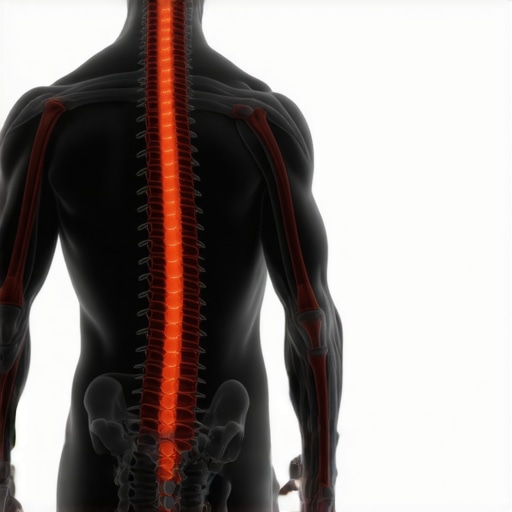
Keeping It Working: Essential Tools and Maintenance for Your Spinal Well-being
Once you’ve established effective routines to alleviate neck, back, and sciatic pain, the next step is ensuring these improvements are sustainable over time. This involves the right tools, consistent maintenance, and understanding how to adapt your strategies as you progress. Staying proactive is key to long-term mobility and pain-free living.
Personally, I find that a combination of specialized equipment and software helps me monitor and maintain my spinal health. For example, using a Ergonomic Chair with adjustable lumbar support ensures my posture remains optimal during long work sessions. I personally prefer models like the Humanscale FreeFlex, which offers dynamic support that adapts to my movements, reducing strain and preventing slouching.
In addition to physical tools, I leverage mobility tracking apps such as Strava or specialized physiotherapy software to record my daily exercises and movements. These platforms help me spot patterns or regressions, allowing me to adjust my routines proactively. For a more targeted approach, I use specific exercises outlined in proven neck pain solutions to reinforce my progress.
One underrated but incredibly effective tool in my toolkit is the foam roller. When used correctly—preferably with guidance from a professional, such as a physical therapist—it helps release fascial adhesions and maintain muscle elasticity. In fact, the comprehensive back mobility program emphasizes its role in long-term health.
Looking ahead, the trend in maintaining spinal health is shifting toward smart technology and personalized data analysis. Wearables like smart rings or posture sensors are becoming more sophisticated, providing real-time feedback that can alert you to bad habits before they cause pain. For instance, devices such as the smart ring with neural tension alerts help you stay conscious of your posture throughout the day, fostering habits that promote long-term well-being.
For truly sustained results, scheduling periodic check-ins with a knowledgeable therapist or chiropractor can help fine-tune your routine based on evolving needs. Regular assessments ensure your exercises and habits remain aligned with your body’s changing demands, preventing setbacks and maintaining mobility.
So, how do I maintain my progress over time? I integrate consistent use of ergonomic tools, leverage tracking apps to monitor my movements, and continuously educate myself through trusted resources like proven techniques for neck mobility. A tip I highly recommend is trying the advanced nerve reset exercise detailed here. It’s a game-changer for clearing neural restrictions that contribute to persistent pain and stiffness.
Remember, maintaining your spine’s health is an ongoing journey. The combination of proper tools, regular check-ins, and adaptive strategies forms the backbone of sustainable relief and enhanced mobility.
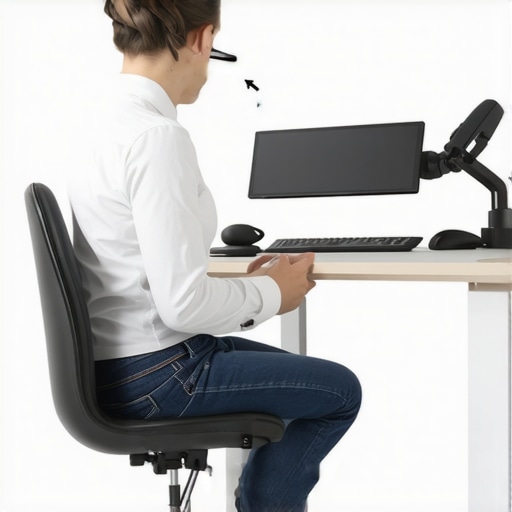
Imagine a sleek ergonomic workstation setup capable of adapting to your movement, coupled with wearables providing real-time posture alerts, all working together to keep your back and neck healthy long-term. Such tools are shaping the future of chronic pain management, making sustained mobility more achievable than ever.
What I Wish I Knew Earlier About Sciatica and Mobility
The biggest breakthrough in my journey was realizing that pain isn’t just about tight muscles; it’s often about nerve mobility and fascia restrictions that go unnoticed. Recognizing this shifted my entire approach from quick fixes to targeted, long-term strategies. That lightbulb moment helped me see the importance of addressing neural gliding and joint health, rather than only stretching and strengthening.
Tools and Resources That Transformed My Recovery
Since I started focusing on neural mobility and fascia health, specific tools have been game changers. The proven neck pain solutions course offers techniques that I personally vouch for to improve range of motion and reduce chronic tension. I also rely on ergonomic supports like adjustable chairs and smart posture-tracking devices to maintain gains. Lastly, good books such as “The Multifidus Back Pain Solution” deepened my understanding of spinal stabilization beyond surface exercises.
Keep Pushing Yourself, But Also Trust Your Progress
The real power lies in persistence and self-awareness. I learned to listen to my body—pausing, adjusting, and celebrating small wins. It’s tempting to seek instant relief, but sustainable change demands patience. Commit to daily micro-movements, stay consistent with your routines, and invest in understanding your unique pain story. This journey isn’t just about relief; it’s about reclaiming your mobility and confidence.
What has been your biggest eye-opener in managing neck or back pain? Share your insights below—I’d love to hear your story and encourage your progress.
Remember, the path to pain-free movement is a marathon, not a sprint. Keep learning, adapting, and taking those small, meaningful steps forward.
,



I really appreciated this insightful post, especially the emphasis on neural mobility and fascia health. It’s easy to overlook these subtle factors when focusing only on stretching or strengthening muscles, yet they play such a crucial role in long-term relief. I’ve personally experienced neck tension that didn’t improve until I started incorporating neural gliding exercises into my routine. For those still struggling, I’d suggest exploring targeted neural mobility drills alongside ergonomic adjustments, which can sometimes be overlooked.
What’s been your most effective strategy for maintaining neck health during long hours at the desk? I’d love to hear other approaches that have worked well for different people. It seems that combining proper tools, daily movement, and mental awareness about posture really makes a difference. Small tweaks built into everyday routines can prevent the pain from becoming chronic, which is encouraging for anyone facing persistent discomfort.