
Why Reaching for Your Toes Is the Worst Move for Disc Bulges
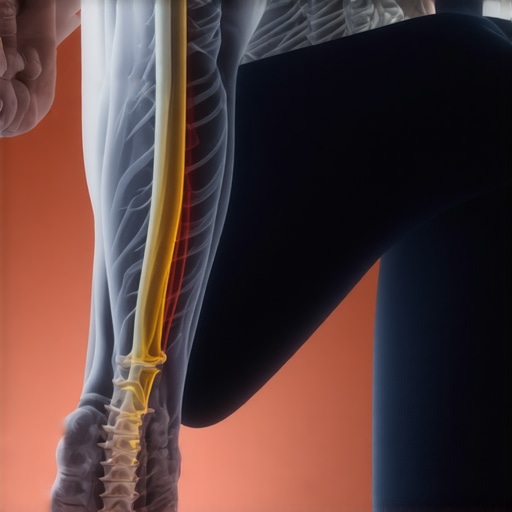
Have you ever bent down to grab something, only to be hit with a sharp twinge in your lower back or a dull ache that lingers for days? I remember those moments vividly—feeling the strain, wondering if I’d done some irreversible damage, and desperately searching for that quick fix. One day, I realized that my go-to stretch—reaching for my toes—might actually be the worst thing I could do if I had a disc bulge. It was a lightbulb moment that changed how I approached my mobility and pain management.
The Real Reason Reaching for Your Toes Can Worsen Disc Issues
I’ll be upfront—I’ve made the mistake early on of trying to
Prioritize Gentle Mobility Exercises
Start with simple, controlled movements like pelvic tilts or the cat-cow stretch. For example, I once incorporated the 90-90 hip drill into my daily routine. Initially, it felt awkward, but after a week, my lower back felt more flexible, and discomfort diminished. Consistency is key—aim for 10-minute sessions each morning to gradually loosen stiff joints and improve your spine’s range of motion.
Adjust Your Posture Throughout the Day
Monitor your sitting habits, especially if you spend hours at a desk. Use ergonomic principles like keeping your feet flat and hips at a 90-degree angle. For instance, I once noticed that slouching in my chair caused immediate lower back soreness. After adjusting my chair height and using a lumbar support, I experienced significant relief. To reinforce good posture, consider occasional pauses to stand, stretch, or perform ergonomic tips for daily comfort. Proper alignment reduces undue stress on discs and muscles.
Incorporate Targeted Stretching Carefully
Stretching can help, but it must be done correctly. Avoid aggressive toe touches if you suspect a disc issue—this can aggravate your condition. Instead, try gentle hamstring stretches or hip openers, like the Pigeon pose, but be cautious. I once caused more pain trying to push too hard into a stretch, highlighting the importance of listening to your body. Hold stretches for 20-30 seconds, breathe deeply, and stop if you feel sharp pain. Proper stretching releases tight muscles that pull your spine out of alignment, alleviating pressure on discs.
Strengthen Core Stability
A weak core allows your back to work overtime, leading to strain. Focus on exercises that build muscular support without overloading your spine. I found that doing simple planks and dead bugs helped stabilize my lower back. Visiting a professional to learn correct form, or exploring deep core strategies, can accelerate progress. Strengthening these muscles provides a natural brace, protecting discs from undue stress during daily activities.
Manage Stress and Breathing Patterns
Stress causes muscle tightness, especially around the neck and shoulders, which can cascade into back pain. I noticed that practicing diaphragmatic breathing sessions, like those described here, significantly reduced my tension. Regular relaxation techniques, such as deep breathing, help keep muscles relaxed and reduce the likelihood of strain. When your nervous system isn’t overactive, your muscles can recover faster, and pain episodes lessen.
Monitor and Improve Your Daily Habits
Assess habits like how you lift objects, carry bags, or get in/out of your car. For example, I used to twist awkwardly to grab my groceries, causing sudden back pain. Now, I square my hips and bend my knees when lifting, which prevents injury. For car rides, placing a rolled towel behind your lumbar spine can support your lower back during long drives. Small tweaks in daily routines can prevent setbacks and promote healthier spine mechanics.
Remember, improving back mobility and reducing disc pain isn’t instant. Implementing these actionable steps steadily can make a measurable difference over time. Consistency and awareness are your best tools on this journey.

Most people believe that stretching commonly tight muscles, like hamstrings or neck muscles, will always alleviate back and neck pain. However, this oversimplification can lead to ineffective or even harmful outcomes. The truth is, many individuals fall prey to the misconception that more stretching equals more relief, but in reality, overdoing it without proper guidance can exacerbate underlying issues, especially in cases of disc herniation or nerve impingement. An advanced nuance many overlook is that tightness in certain muscles may be a protective mechanism rather than a problem itself, and loosening these muscles indiscriminately can destabilize the spine further. Research by the National Institute of Neurological Disorders and Stroke emphasizes that tailored approaches, including strengthening stabilizers and improving joint mechanics, are more effective than just targeting muscle flexibility alone. Let’s dig deeper into this misconception and what you can do differently.
Is Stretching Always the Answer for Persistent Pain?
Many assume that persistent back or neck pain is purely due to muscle tightness and thus focus solely on stretching. While flexibility is important, the key lies in understanding the root cause—be it joint restriction, nerve irritation, or muscular imbalance. In some cases, stretching a hamstring too aggressively can increase tension on the lower back and worsen symptoms, especially if the cause is disc-related. Instead, a balanced approach that includes mobility, stabilization, and posture correction yields better results. For example, working on joint mobility through controlled movements can help improve overall function. To get comprehensive relief, consider strategies beyond traditional stretching by exploring targeted mobility and strengthening exercises. Check out effective neck techniques for more insights.
And don’t forget—consulting a skilled professional can prevent you from falling into common pitfalls. If you’re unsure whether your pain is serious or just a muscle knot, visit this contact page to get expert guidance. Have you ever fallen into this trap? Let me know in the comments.
Keeping It Working with the Right Tools
Over the years, I’ve learned that maintaining mobility and managing pain isn’t just about exercises and posture adjustments; it’s equally about having the right tools at your disposal. One device I swear by is a high-quality foam roller. Specifically, I use the lumbar-specific foam roller because it helps release tight muscles that pull on my spine, preventing chronic stiffness and discomfort. Personally, I integrate rolling sessions into my routine two to three times weekly to keep my muscles relaxed and improve circulation.
Another essential tool is a posture-crompting device like the smart posture reminder. It gently vibrates to alert me if I start slouching during work sessions, which is crucial for long-term spinal health. I’ve noticed that consistent use reduces habitual poor posture, especially during lengthy desk hours.
Investing in ergonomic equipment, such as an adjustable standing desk, has transformed my daily routine. I recommend models that facilitate seamless switching between sitting and standing positions. According to research, alternating postures reduces strain and enhances spinal recovery. I personally use a desk that has programmable height settings, allowing me to customize for optimal neck and back angles, which aligns with neck health techniques.
To address sciatic discomfort more specifically, I turn to a lumbar support cushion during long drives or sitting periods. I’ve found that maintaining lumbar lordosis— the natural curve of the lower back— prevents nerve impingement and reduces flare-ups. It’s a simple addition but highly effective when combined with regular movement.
Looking ahead, I see a trend toward smart, connected devices that monitor posture and movement Patience is key—these tools don’t provide instant fixes but create a sustained environment conducive to mobility, stress reduction, and pain management. Learning to use apps that track your habits or wearing posture sensors can give you real-time feedback, essential for cultivating mindful movement patterns.
One advanced tip you might want to try today is incorporating targeted trigger point therapy with a massage ball. When I experience persistent tightness, I knead knots in my glutes and piriformis muscles, which often refer pain to my back. This method is backed by expert like scientists studying myofascial release. Spend 5-10 minutes applying gentle pressure on tender spots—it’s a game-changer.
Experience shows that consistency is the secret. Equip yourself with these tools, and integrate them into your daily routine to build sustainable, long-term spinal health. Curious about more innovative approaches? Explore comprehensive strategies at Mobility Mastery and elevate your routine.
Throughout my journey dealing with back discomfort, I uncovered subtle lessons that transformed my approach far beyond basic stretching or posture tweaks. These insights, often overlooked, became pivotal in my recovery and ongoing maintenance of spinal health.
The Hardest Lesson I Discovered About Back Recovery
- Not all tight muscles are enemies. Sometimes, muscle tightness is a protective response rather than a problem needing immediate relief. Pushing to loosen every knot without understanding the root can do more harm than good.
- Consistency beats intensity. Small, daily habits—be it mindful stretches or ergonomic adjustments—compound over time to produce sustainable results, more so than sporadic aggressive efforts.
- Listening is key. Your body communicates through pain and discomfort. Recognizing signals and adjusting activity accordingly prevents setbacks and cultivates trust in your recovery process.
Tools That Became My Secret Allies
- The lumbar-specific foam roller. Regular rolling on this device releases accumulated tension and maintains muscle elasticity, preventing chronic stiffness.
- Posture reminder devices. Gentle vibrations help me stay aware of slouching during long desk hours, reinforcing good habits effortlessly.
- Ergonomic workspace setup. An adjustable standing desk allows me to switch postures, reducing strain and encouraging movement.
- Trigger point therapy balls. Targeted kneading of knots in hips and glutes alleviates referred pain and enhances mobility, especially after long periods of sitting.
Your Next Step to Freedom from Back Discomfort
Addressing back pain and disc concerns is a personalized journey that benefits from patience, persistence, and smart strategies. Equip yourself with trusted tools, adopt consistent habits, and listen keenly to your body’s signals. Remember, real progress comes from small, deliberate actions taken daily—this is the path to lasting relief and improved mobility. Want to explore more personalized techniques or share your own experiences? Drop a comment below and join the conversation about reclaiming your back health.