
Why your lumbar support might be making your back stiffer
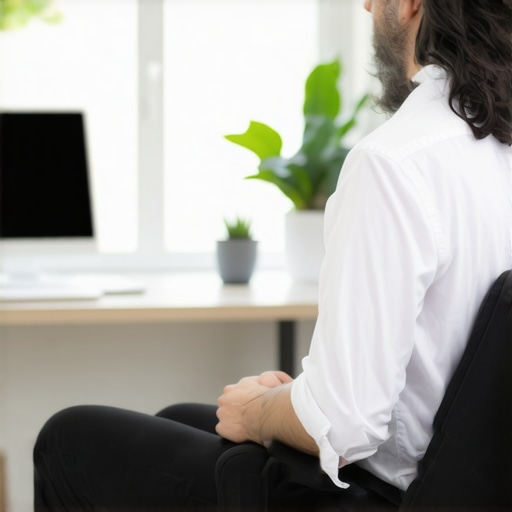
I’ll never forget the day I finally caved and bought that “ultra-ergonomic” office chair with the aggressive lumbar bulge. I thought I was doing my spine a favor. Instead, after three days, I felt like a rusty gate. My lower back wasn’t just tired; it was locked. I couldn’t even bend over to tie my shoes without a sharp twinge. I realized then that my quest for the “perfect” posture was actually paralyzing my muscles.
Your Back Craves Movement Not a Cage
We’ve been told for years that a big cushion in the small of our back is the holy grail of spinal health. But here’s the truth: if that support is too firm or placed incorrectly, it’s basically a splint. It stops your vertebrae from moving naturally. I used to think picking a chair that actually supports your lumbar curve meant finding the biggest bump possible, but that was my first big mistake. I was shoving my spine into an artificial arch that my muscles had to fight against all day long.
Is more support actually worth the extra stiffness?
When you jam a hard foam roll behind you, your body reacts. It’s not relaxing; it’s bracing. This constant tension is often why your perfect sitting posture is making you stiffer. According to a study published in the journal Applied Ergonomics, static sitting—even in “ideal” positions—leads to significantly higher muscle fatigue than frequent micro-movements.
The Static Posture Trap is Real
The real problem is that we’ve turned lumbar support into a static prison. I spent months trying to use a lumbar roll to prevent mid-day back fatigue, only to find that my hips were getting tighter by the hour. If you’re feeling that familiar “stuck” sensation, it’s time to rethink the setup. We need to focus on ergonomic tips for everyday comfort that allow for shifting and breathing, not just rigid propping. Have you ever felt like your expensive chair was actually your worst enemy? We need to talk about how the link between poor posture and chronic back pain isn’t always about slouching, but often about trying too hard to sit “right.” [image placeholder]
Stop Treating Your Chair Like a Cast
Think of your spine as a high-performance suspension bridge rather than a concrete skyscraper. A bridge needs to sway and distribute weight; if you weld it into place, it snaps during the first storm. When I first tried to fix my slouch, I used a lumbar roll so thick I felt like I was performing a constant yoga backbend while typing emails. Within two hours, my hamstrings felt like overtightened guitar strings. This happened because I was trying to force a ‘perfect’ curve rather than encouraging natural movement. To break out of this cycle, you need to transition from rigid bracing to dynamic support.
Dial Back the Aggressive Support
The first move is to stop using that massive foam block. If your chair has an adjustable lumbar pump, deflate it by half. You want to feel a gentle reminder of your curve, not a fist pushing into your kidneys. I found that when I decreased the intensity of the support, my core muscles actually had to do their job. If you are still struggling with the right setup, learning how to use a lumbar roll to prevent mid-day back fatigue is about placement—keeping it at the top of your pelvis, not in the middle of your back. This allows your upper torso to stack naturally without forcing your ribs to flare out.
Fix Your Seat Height to Save Your Hips
Most people focus so much on the backrest that they ignore the foundation. I realized my chair was too low, which tucked my pelvis and flattened my lower back. This is exactly why your desk chair height is wrecking your hips and causing that deep, achy tension. Raise your seat until your hips are slightly higher than your knees. This simple change opens the hip angle and makes it almost impossible to slump into that dreaded C-shape. 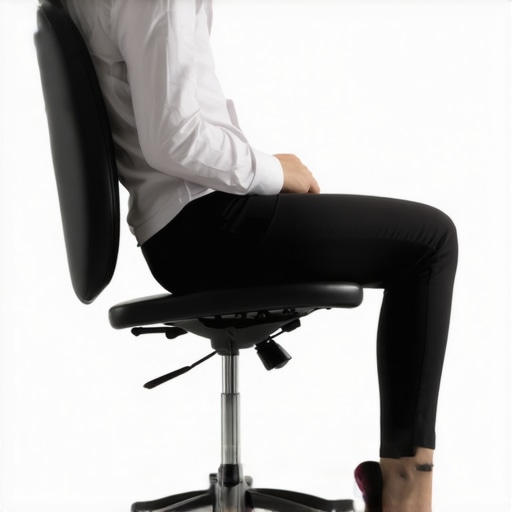
Kill the Constant Hamstring Stretch
When our backs feel tight, our first instinct is to touch our toes. I did this for weeks, thinking my ‘tight’ hamstrings were the problem. But here’s the kicker: why stretching your hamstrings can actually flare up sciatica is because those muscles are often already over-lengthened from sitting. Instead of stretching them further, you need to reset the pelvis. I started using the 10-second hip reset for relief after sitting every time I stood up to grab water. This isn’t a long workout; it’s a quick neural ‘ping’ that tells your brain your hips are allowed to move again.
Integrate Micro-Movements Every Hour
You can have the best chair in the world, but if you don’t move, you will eventually hurt. I now set a silent vibrate alarm on my phone every 50 minutes. I don’t just stand up; I do a few air squats or a quick wall stretch. Following mobility mastery daily tips to keep your spine and joints healthy is less about an hour-long gym session and more about these tiny ‘movement snacks’ throughout the day. When I stopped trying to find the one perfect position and started hunting for ten different ‘good’ positions, my chronic stiffness finally began to fade. It turns out, the best posture is your next posture.But simply moving more is only half the battle if you’re moving with the wrong ‘software’ in your brain. One of the biggest lies I swallowed early on was that my back pain was due to a ‘weak core.’ I spent hours doing crunches and planks, thinking I was building a shield for my spine. But here is the nuance: most chronic back pain sufferers don’t actually have weak muscles; they have muscles that don’t know how to turn off. By constantly ‘bracing’ your abs to protect your back, you’re actually increasing the intra-abdominal pressure and crushing your discs from the inside out. This is exactly why your core strength won’t fix your back if your hips are locked. When your hips can’t move, your spine has to pick up the slack, and no amount of ‘ab work’ can compensate for a lack of joint mobility at the foundation.
Why Your Abs Won’t Save Your Spine
If you’ve been doing planks until you’re blue in the face, you might be frustrated that your back still aches. The ‘Oops’ factor here is the classic morning stretch or the ‘stomach vacuum’ trend. Most of us wake up and immediately try to touch our toes or stop pulling your knees to your chest for back relief. In reality, your discs are most hydrated and sensitive first thing in the morning. Forcing them into a deep ‘C-shape’ curve right out of bed is like bending a frozen garden hose; it’s the perfect recipe for a flare-up. I learned this the hard way after a week of ‘gentle’ morning yoga left me unable to stand up straight.
Is your ‘protective’ bracing actually causing more damage?
Research is starting to show that the ‘stiff’ core we’ve been chasing is a double-edged sword. A study published in the journal Spine highlights that excessive trunk stiffness—the kind we create when we ‘over-brace’ during everyday tasks like lifting a laundry basket—actually increases spinal load significantly. This can accelerate wear and tear on your facets and discs. We need to shift our focus from rigid ‘stiffness’ to dynamic ‘stability.’ 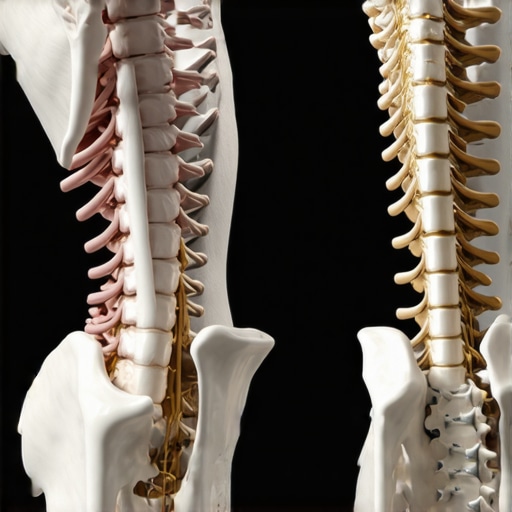
Stop Guessing if It’s a Disc or a Muscle
Everyone tells you to stretch what’s tight. But if you have shooting leg pain, stretching that ‘tight’ hamstring is often the worst thing you can do. You first need to understand how to tell if your sciatica is a disc or muscle issue. If it’s a nerve being pinched by a disc, pulling on it with a long-hold hamstring stretch just irritates the nerve sheath further. Instead of static stretching, try the nerve glide exercise that calms burning leg pain. Nerve glides are like flossing a string through a straw; they help the nerve slide through the tissue rather than pulling on it like a tight rope. This is the kind of unlocking mobility expert tips on managing back pain in 2025 that moves you beyond beginner advice and into real recovery. Have you ever fallen into this trap? Let me know in the comments.
The Tools That Actually Earned a Spot in My Kit
After spending thousands on gadgets, I’ve whittled my recovery kit down to three things: a firm lacrosse ball, a specific lumbar roll, and a high-quality monitor arm. I don’t use a tennis ball anymore; it’s too squishy for deep tissue work. A lacrosse ball is dense enough to actually pin down the piriformis muscle. If you want to know how a simple tennis ball can fix deep glute tension, imagine that effect doubled with a firmer tool. I also swapped my stack of books for a proper monitor arm. If your screen is even two inches too low, you’re inviting that ‘tech neck’ hump. You need to know how to adjust your monitor to stop that burning neck pain because your eyes dictate your posture more than your willpower ever will.
How do I keep my spine feeling young long-term?
The answer isn’t a new chair; it’s consistency. I follow what Dr. Stuart McGill, a world-renowned spine biomechanics expert and author of Back Mechanic, calls the ‘Virtual Surgery’ mindset—treat your back as if you’ve already had surgery and must protect it through smart movement. This doesn’t mean living in fear, but having respect for the mechanics of your vertebrae. This is why maintenance care is better than waiting for a spinal crisis. I predict that in the next few years, we’ll see wearable haptic sensors become mainstream, vibrating our collarbones the second we deviate from a neutral spine. But until then, you are the sensor. 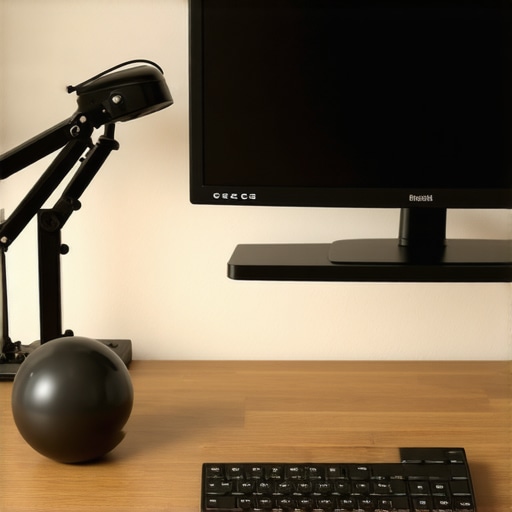
Standing Desks Are Not Magic Bullets
I see people buy an expensive standing desk and think they’re cured, only to end up with swollen ankles and lower back fatigue. If you don’t learn how to transition to a standing desk without leg pain, you’re just trading one set of problems for another. The secret is the ‘sit-stand-kneel’ rotation. I spend 40 minutes sitting, 20 standing, and occasionally 5 minutes in a tall kneel on a foam pad. This variety is the core of mobility mastery daily tips to keep your spine and joints healthy. If you’re standing all day, you might find why your standing desk is giving you lower back pain is simply because you’re locking your knees and dumping your weight into your lower back joints. My advanced tip for today: Check your pillow. Not the brand, but the height. If you’re a back sleeper, the specific pillow height for back sleepers should keep your nose level with your breastbone. Most pillows are too thick, pushing your chin to your chest and stretching the nerves in your neck all night long. Grab a towel, fold it to the height of your neck curve, and try sleeping on that tonight. It’s a game-changer for morning stiffness.
The Hardest Lessons My Lower Back Taught Me
Looking back at my journey through chronic stiffness, the biggest mistake I made was searching for a permanent fix in a product rather than a habit. I spent thousands on lumbar chairs when a simple five-minute walk every hour would have done more for my discs than any foam cushion. I also had to accept that stretching isn’t always the solution. In fact, understanding why stretching your hamstrings often makes your sciatica worse was a lesson my nerves taught me through literal fire and electricity. Don’t fall for the ‘no pain, no gain’ mantra when it comes to your spinal health; sometimes, doing less is exactly what your body needs to heal.
The Essential Tools I Actually Use Every Day
My recovery kit has been stripped down to the essentials that actually produce results. I swear by a dense lacrosse ball for deep glute release; while many start with a tennis ball, learning how a simple tennis ball can fix deep glute tension is usually just the gateway to the firmer relief a lacrosse ball provides. I also keep a copy of Back Mechanic by Dr. Stuart McGill on my desk as a manual for my spine. Finally, a high-quality monitor arm is non-negotiable if you want to find the fix for that constant burning sensation between your shoulder blades caused by hours of ‘tech neck.’
Start Your Journey Toward Lasting Mobility
You don’t need to be an ergonomics expert to start feeling better today. You just need to be consistent with mobility mastery daily tips to keep your spine and joints healthy. Real progress happens in the quiet moments between meetings where you choose to reset your posture instead of pushing through the pain. If you are looking for back pain breakthroughs navigating your path to restored mobility, start with the simple habit of standing up twice as often as you think you should. Your spine wasn’t built to be a statue; it was built to move. Have you found a specific chair or lumbar tool that actually lived up to the hype for you? Let me know in the comments below!