
The Single Best Way to Sit on a Flight to Avoid Sciatica Flare-Ups
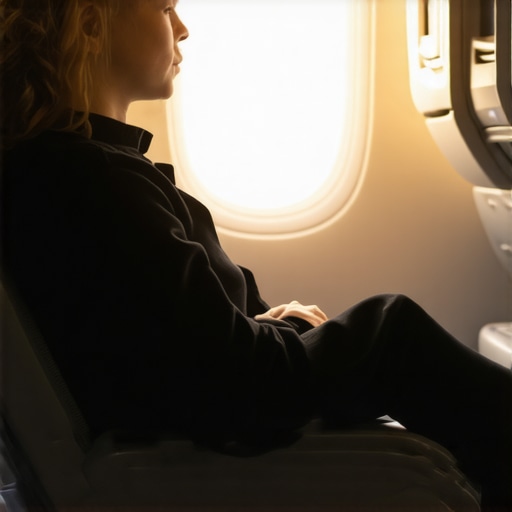
I will never forget the flight from Chicago to London in 2022. Somewhere over the Atlantic, my left leg started screaming. It wasn’t just a dull ache; it was a white-hot, electric jolt shooting straight down to my ankle. By the time the seatbelt sign finally chimed at Heathrow, I could barely stand up to retrieve my carry-on. It was incredibly embarrassing, and worse, my long-awaited vacation was instantly derailed by excruciating pain. I spent my first three days in England huddled in a hotel room, frantically researching sciatica relief secrets instead of exploring the city.
That miserable trip taught me a brutal lesson. If you struggle with sciatic nerve pain, a standard airline seat is basically a torture device designed to aggravate your spine. But after trial, error, and some serious anatomical research, I discovered that you do not have to be at the mercy of poor cabin design. Today, I am going to share the exact, highly specific way to position your body in that cramped coach seat so you can walk off your next flight completely pain-free.
My Biggest Early Mistake and Why Cabin Seats Hate Your Spine
When I first started trying to prevent in-flight flare-ups, I did what most people do: I brought a massive, fluffy pillow and shoved it right behind my lower back. I thought more cushioning would solve everything. In reality, that extra bulk pushed my entire pelvis forward while forcing my upper body to slouch, putting even more direct pressure on my irritated nerve root. It was a classic rookie error that actually made the nerve pinch worse. Many of us unknowingly aggravate our bodies this way, similar to why your favorite recliner is the worst place for your sciatica because it encourages that same destructive, rounded posture.
Is this travel hack actually worth the effort?
You might be skeptical. After all, how much can a slight shift in seating posture really do when you are squeezed into a tiny metal tube for five hours? The truth is, even a tiny adjustment in your pelvic angle completely changes how gravity forces load through your lumbar discs. According to a study published in the Journal of Biomechanics, sitting under normal conditions increases intradiscal pressure by up to 40% compared to standing. When you add the vibration of an airplane and a slumped spine, that pressure spikes even higher, directly pinching the sciatic nerve. By mastering how a slight change in your sitting angle stops leg numbness, you actively decompress the nerve path in real-time. Have you ever had to stand up in the galley mid-flight just to stop your leg from going completely numb? Tell me your worst travel stories in the comments below. Let’s dive into the physical mechanics of how we can fix this before your next boarding pass is scanned.
Think of your spine as a stacked tower of blocks with soft, fluid-filled cushions between them. When you sit in a standard economy seat, the seat pan tilts backward, forcing your tailbone to tuck under. This posture bends the tower, squeezing the front of the cushions and pushing the fluid backward, right onto your sensitive sciatic nerve. To stop this, you have to reverse the tilt of your pelvis. It is not about adding generic cushioning; it is about changing the structural angle of your seat.
The Three Steps to Reclaiming Your Seat
When I flew to Boston last fall, I forgot my usual gear. I had to improvise with a thin, stiff sweater and an empty plastic water bottle. Despite the scramble, the setup worked beautifully because I followed the exact mechanical principles of pelvic alignment. You can do the same thing using items already in your carry-on.
Create a Wedge with a Tight Towel Roll
First, ignore the lumbar support. Instead, focus entirely on your sit bones. Take a firm jacket, a travel blanket, or a towel, and fold it into a wedge shape that is thicker at the back and tapers toward the front. Place this wedge on the back half of your seat cushion. When you sit down, your hips should be slightly higher than your knees. This simple change stops your pelvis from rolling backward and immediately reduces the strain on your lower lumbar discs. If you want to understand how this works in other settings, you can read about the specific way to use a lumbar roll for maximum relief which operates on the exact same mechanical principle.
Secure the Lumbar Arch Without Overcrowding
Once your pelvis is tilted slightly forward, you will notice a natural curve forms in your lower back. This is where you place a very small, firm support—not a massive pillow. Roll up a thin scarf or use a small inflatable lumbar roll and place it directly behind your belly button, just above the beltline. The goal here is to preserve the natural curve of your spine, not to push your entire torso forward. If your support is too thick, it will force your muscles to tense up, leading to the same stiffness you get from the specific way to sit on a couch that protects your discs when your posture is misaligned.
Use Your Carry-On as a Footrest
The final piece of the puzzle is your feet. If your legs hang down or your knees are lower than your hips, your psoas muscle pulls on your lower spine, creating tension. Slide your personal item or a small backpack under the seat in front of you and use it as a footrest. Elevating your feet by just three to four inches takes the tension off your hip flexors and allows your lower back to relax completely. This is highly effective, similar to utilizing the simple footstool trick to stop lower back pain while sitting at a desk. By raising your knees slightly relative to your tilted pelvis, you create a neutral, stress-free zone for your lower back.
When you are dealing with spinal issues, the internet is flooded with standard advice that often does more harm than good. Everyone tells you to stretch your hamstrings and pull your knees to your chest during flight layovers to relieve tension. However, in my experience, aggressively stretching a highly sensitized nerve is the fastest way to trigger an acute inflammatory response. When a nerve root is compressed by a bulging lumbar disc, stretching the nerve simply pulls it taut against the physical obstruction, like sawing a tight rope over a sharp rock.
Why are you still hurting after trying every popular travel stretch?
The answer lies in the difference between structural tension and protective muscular guarding. A study published in the Archives of Physical Medicine and Rehabilitation demonstrates that aggressive hamstring stretching in patients with lumbar radiculopathy can actually increase neural mechanosensitivity. Instead of yanking on your leg, you should focus on gentle neural mobilization or nerve flossing, which slides the nerve gently through its pathway without putting it under tension. If you are struggling with persistent leg discomfort, learning why some sciatica stretches actually pinch the nerve further will save you from making this painful mistake during your travels.
Another dangerous trap is relying on the classic airplane seat slump-and-twist when trying to find a comfortable sleeping position. People often tilt their hips to one side to relieve pressure on the painful leg, which feels better for about ten minutes. In reality, this asymmetric loading forces your spine into a lateral bend combined with rotation—the exact mechanical recipe for a disc herniation. This posture also turns off your core muscles completely. To understand this muscle deactivation, you can read about why your glutes turn off when you sit for over an hour, which explains how prolonged static sitting leaves your lower back entirely unsupported.
Instead of seeking temporary relief through awkward angles, focus on maintaining pelvic neutrality. If you find yourself constantly shifting to one side, use a small folded jacket under the opposite hip to level your pelvis. Have you ever fallen into this trap of twisting your body just to escape the ache, only to find you could barely walk when the plane landed? Let me know in the comments below. By making these highly specific mechanical adjustments, you can stop fighting the cabin design and finally start enjoying your destination.
While understanding spatial dynamics and physical mechanics helps immensely on single flights, long-term spinal health for frequent fliers requires a dedicated routine and a few specialized tools. I spent years trying to rely solely on airline-provided blankets, but the lack of consistency was ruinous. Now, I never board a plane without my trusted travel kit. My absolute go-to tool is a high-density, inflatable dynamic lumbar cushion. Unlike standard foam pillows that deflate under body heat, a high-density air bladder allows you to adjust the firmness in real-time as cabin pressure changes during the climb to cruising altitude. I pair this with a ultra-lightweight, folding footrest strap that hooks over the tray table arms, giving my lower limbs a slight elevation even if my under-seat baggage space is packed tight.
How do I maintain spinal mobility over time?
To keep your joints and discs healthy between trips, consistency is far more valuable than any quick fix. You must commit to a daily ritual that reverses the compression of sitting. Every single morning, before I check my email or pour coffee, I perform a specific movement sequence designed to restore pelvic balance. If you are struggling to find a starting point, trying the simple morning move to prime your spine for the day is the single best way to prepare your body for hours of sitting. Additionally, after landing, I immediately perform a standing decompression sequence. According to physical therapist and mobility expert Dr. Kelly Starrett, author of Becoming a Supple Leopard, resetting your hip extension after prolonged flexion is critical to preventing adaptive shortening of the psoas. I use the single movement that resets your posture after a flight right in the terminal to disengage the protective guarding that builds up during turbulence.
Looking ahead, the future of travel comfort is shifting toward active, responsive cabin ergonomics. I predict that over the next decade, we will see major commercial airlines integrating smart, pneumatic cell technology directly into economy seating. These seats will automatically adjust their inflation levels to subtly shift your pelvic tilt every thirty minutes, preventing the static muscle ischemia that causes so many back flare-ups. Until then, the responsibility of spinal preservation rests entirely in your hands. I highly encourage you to try my favorite advanced strategy on your next trip: during the flight, focus on lateral diaphragmatic breathing. By learning how to breathe into your lower back to release deep muscle tension, you can use your own lungs to gently expand your lower rib cage, providing an internal decompression lift that no external pillow can ever match.
When you are preparing to board a plane, the anxiety of potential sciatic pain can easily overshadow the excitement of your destination. Over my years of traveling and researching, I have realized that standard ergonomic advice often misses the real physical triggers that happen in an airplane cabin. By using highly targeted mechanical shifts, you can protect your spine and ensure a comfortable journey.
The Hardest Lessons I Learned on the Road to Pain-Free Travel
For the longest time, I fell victim to common misconceptions about managing my spinal health on flights. I used to believe that more cushioning always equated to more comfort, which only led to worse flare-ups. Here are the three most important insights I discovered through trial and error:
- The padding trap: Soft, generic travel pillows often compress under body weight, creating a slouched pelvic tilt that directly pinches the sciatic nerve.
- Active positioning beats passive resting: Relying entirely on the design of the seat to support you is a losing battle; you have to actively modify the seat’s structural angle.
- Gentle movement reigns supreme: Aggressive stretching while in a pressurized cabin does more harm than good, whereas micro-movements keep the joints lubricated without nerve irritation.
My Essential Toolkit for Spinal Preservation
I never pack my bags without a few specific items that make a massive difference in maintaining my physical alignment. These are the tools I rely on to prevent pain during long journeys:
- An adjustable inflatable lumbar roll: This allows me to adapt to changing cabin pressure and maintain the perfect lower back curve.
- A compact footrest strap: Easily hung over the tray table arms, this keeps my knees slightly elevated to release tension in my deep hip flexors.
- A high-density foam wedge: This is essential for maintaining a slight forward pelvic tilt on flat or bucket-style seats. If you struggle with sitting in other environments, understanding enhance your back mobility ergonomic tips for everyday comfort can help you apply these same setup principles to your daily routine.
Your Next Flight Does Not Have to Hurt
It is time to take control of your travel experience and stop letting the fear of a sciatica flare-up dictate your itinerary. By implementing these simple, highly strategic mechanical adjustments, you can step off the plane feeling refreshed, energized, and ready to explore. For those looking to build a foundation of spinal resilience before their next big trip, committing to mobility mastery daily tips to keep your spine and joints healthy will ensure your body is fully prepared for the demands of modern travel. Safe travels, and here is to your next pain-free adventure!
Have you ever struggled with severe leg numbness during a long flight? Let me know in the comments below what tricks you have tried to find relief!