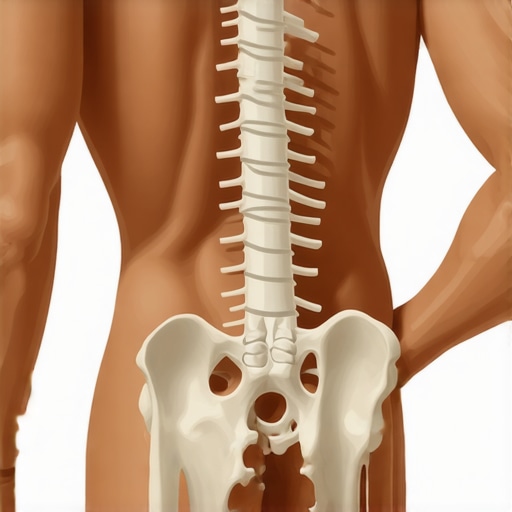
Imagine waking up after a night’s sleep, feeling worse than when you went to bed. Your back aches, your shoulders are stiff, and the urge to blame your mattress or pillow is a familiar story. But here’s the twist: sometimes, the devices meant to help us actually mislead us, making us think we know what’s wrong when we haven’t a clue.
The Sleep Tracker That Lies: Why Your Data Might Be Leading You Astray
For months, I trusted my 2026 sleep tracker, believing it held the secret to unlocking my back pain. Night after night, it showed I was hitting all the right sleep stages, yet mornings remained a battle with discomfort. That disconnect got me thinking — could these gadgets be giving me false reassurance?
Research suggests that many wearable sleep trackers can falsely report sleep quality and even misrepresent movement or restlessness, especially when it comes to identifying poor sleep environments or compromised posture during the night. According to a study by the National Sleep Foundation, some devices are up to 30% inaccurate in detecting sleep disruptions, which can be critical when dealing with back or neck issues.
This realization hit me hard. I was basing my assumptions on data that might be entirely wrong. It was like trying to fix a leaky faucet by reading the water bill — the numbers might not reflect the real problem. My early mistake? I relied solely on these devices without paying attention to how I actually felt or how I moved during the night.
So, if your sleep tracker shows you’re sleeping soundly but you’re waking up with pain, you’re not alone. It’s common to fall into the trap of trusting what the gadgets say instead of listening to your body. Luckily, there’s a better way to understand what’s truly happening with your back and neck—beyond the numbers.
Stay with me, because soon we’ll explore practical steps to decode your discomfort accurately and reclaim restful nights without being fooled by unreliable data. Have you experienced frustration from a sleep tracker that doesn’t tell the full story? If so, you’re in the right place. Let’s dive into how you can start trusting your own experience again, and what specific signs might indicate more serious issues than a simple bad night.
Focus on Daily Movements and Posture
Start by analyzing how you move during everyday tasks. Think of your spine as a stack of building blocks; if one block shifts or tilts, the entire structure is jeopardized. During chores or work, keep your back straight and avoid twisting motions that put stress on your spine. For example, when reaching for an object on the counter, bend at your hips rather than your waist. To reinforce this habit, set a reminder every hour to check your posture and correct it immediately.
Practice Hip-Hinge Movements
The hip hinge is vital for protecting your lower back. I once attempted to pick up a heavy box with a rounded back—bad idea. Instead, I learned to hinge at my hips, keeping my back straight and pushing my hips backward as if closing a car door with my hips. This movement redistributes the load to your glutes and hamstrings, reducing strain on your lumbar area. Incorporate this into your routine by practicing with a dowel behind your back, ensuring contact points remain steady. It’s a quick exercise that builds awareness and strength.
Stretch and Strengthen Regularly
Address tight muscles and weak areas proactively. Imagine your muscles as rubber bands—if they’re too tight or too slack, they cause imbalance. Regular stretching of your hip flexors, hamstrings, and chest can alleviate forward head posture and reduce neck tension. Use targeted exercises like the simple back mobility drills to improve flexibility. Additionally, strengthening your core acts like the foundation of a house—without it, everything above becomes unstable. Planks and dead bugs are effective for building this stability, helping to support your spine during daily activities.
Ergonomize Your Environment
Your workspace greatly influences your back and neck health. Think of your desk setup as a custom suit—if it doesn’t fit, discomfort follows. Ensure your monitor is at eye level, your chair supports your lower back, and your feet rest flat on the ground. Small adjustments like using a footrest or lumbar cushion can significantly decrease strain. Regular breaks are equally important; stand up, stretch, and walk around to break the cycle of static postures.
Implement Nerve and Pain Relief Techniques
Sometimes, persistent discomfort signals nerve compression or inflammation. If you experience symptoms like shooting pains or numbness, it’s crucial to address them promptly. Gentle nerve resets or targeted presses, such as the techniques described in these sciatic nerve relief strategies, can diffuse nerve tension. Remember, these methods are supportive and shouldn’t replace professional evaluation if symptoms worsen.
Incorporate Movement Breaks
One effective technique I used involved setting a timer for every 30 minutes while working at my desk. I would stand, do a few quick stretches, or walk around. This prevents stiffness and promotes circulation. Think of your body as a machine—regular lubrication and movement keep it running smoothly. Over time, these micro-movements can dramatically reduce discomfort and improve mobility, especially in the lower back and neck.
Stay Consistent and Mindful
Finally, consistency is key. Integrate these practices into your daily routine, like brushing your teeth. Monitor how your body responds, and be adaptable. If certain movements cause pain, consult resources like these proven neck pain solutions or reach out for professional guidance. Remember, progress takes time, patience, and attentiveness to your body’s signals.
Many people believe that simply stretching more or adopting the latest trendy mobility routines will give them lasting relief from pain. While these practices are useful, the real nuance often lies in understanding the complex interplay of posture, nerve health, and individual anatomy. A common myth is that all back or neck pain stems from muscular tightness, but sometimes, pain signals deeper issues like nerve impingements or joint degeneration that require more targeted approaches. Failing to recognize these nuances can lead to ineffective treatments and prolonged discomfort.
One trap many fall into is over-relying on generic mobility exercises without considering the root cause of their pain. For instance, dedicating hours to hamstring stretching might improve flexibility temporarily but won’t address underlying disc issues or nerve compressions. This misalignment can even exacerbate problems if the exercises are performed incorrectly or inappropriately. It’s crucial to identify whether your condition is muscular, neurological, or structural—something that often requires professional assessment rather than self-diagnosis.
A significant misconception revolves around the belief that all sciatic pains are the same. The reality is, sciatic pain can originate from various sources—piriformis syndrome, herniated discs, or spinal stenosis—each demanding a different treatment strategy. For example, nerve mobilization techniques effective for piriformis compression might worsen symptoms if applied blindly to a disc herniation. This underscores the importance of understanding the specific cause before jumping to solutions. To get clarity, I recommend reviewing key symptoms and consulting experts through resources like [this detailed symptom guide](https://bodyrenewtherapy.com/is-your-back-pain-a-sign-of-something-more-serious-key-symptoms-to-watch).
Advancing from the basics, experts emphasize the importance of addressing posture and movement patterns that silently contribute to chronic pain. Subtle misalignments during daily activities, like crossing legs or slouching at a desk, can accumulate stress over years, leading to degenerative changes. Regularly correcting these habits is vital, but so is ensuring your ergonomic setup supports this effort—more on that in [this ergonomic tip article](https://bodyrenewtherapy.com/enhance-your-back-mobility-ergonomic-tips-for-everyday-comfort).
It’s also vital to be cautious about so-called quick fixes. Many products and routines promise instant relief but fail to target the underlying causes. For example, reliance on foam rolling piriformis muscles can sometimes increase nerve irritation if misapplied—hence the need for professional guidance or evidence-based methods. If you’re unsure whether your approach might be causing harm, don’t hesitate to seek expert advice. You can explore more about this in [these safe nerve and muscle release techniques](https://bodyrenewtherapy.com/stop-glute-foam-rolling-3-better-ways-to-calm-sciatica-in-2026).
Let me ask you: Have you ever fallen into this trap of oversimplification or misdiagnosis? Understanding the subtle nuances differentiates temporary fixes from true recovery. Remember, what works for one person might not work for another, especially when you consider individual anatomy and nerve health. If you’re ready to dig deeper into your condition, a personalized assessment can illuminate the real culprits behind persistent pain. You can get started by reaching out through [this contact page](https://bodyrenewtherapy.com/contact-us) or exploring comprehensive resources tailored to your needs.
Maintaining mobility and managing back, neck, or sciatica pain over the long term requires the right tools and consistent practices. My personal journey has shown that investing in targeted equipment and following proven routines can make a significant difference. Here are some of the essential tools I rely on daily to keep things working smoothly.
High-Quality Foam Roller with Firm Density
I prefer a foam roller with moderate firmness, like the TriggerPoint GRID, because it provides effective myofascial release without causing excessive discomfort. Regular foam rolling helps release muscle tightness, especially in areas like the glutes and hamstrings, which are often culprits in sciatic discomfort. I use it every morning to prepare my muscles for the day and prevent stiffness. Avoid overly soft rollers, as they may not provide enough pressure to break up adhesions efficiently, which you can learn more about in this guide to effective foam rolling.
Ergonomic Workspace Setup
Ergonomics is crucial for long-term relief. I recommend investing in an adjustable standing desk, like the Fully Jarvis, to alternate between sitting and standing. Pair it with an adjustable monitor arm, ergonomic keyboard, and supportive chair that promotes proper posture. This setup helps reduce strain on your neck and lower back. Regularly reviewing your workspace, possibly guided by resources like these ergonomic tips, ensures you maintain good alignment over years.
Smart Posture Monitors and Reminders
Smart devices like the Lumo Lift Smart Posture Coach vibrate gently whenever you slouch, prompting conscious correction. Personal experience confirms that these subtle reminders reinforce good habits—crucial for avoiding chronic misalignments. I also use posture apps like Upright GO, which log posture data and provide insights. Predictive analytics in posture technology are advancing rapidly, and in the future, I see these devices becoming integrated with AI to personalize corrections even better.
Self-Release Tools for Targeted Nerve and Muscle Relief
For quick nerve release and soft tissue work, I turn to tools like the Thera cane or massage balls—particularly the lacrosse ball for precise trigger point therapy. These tools enable me to target hard-to-reach muscles or nerves, facilitating immediate relief. Regular self-massage can significantly reduce inflammation and nerve tension, especially after long periods of sitting or postural strain. Learning to use these effectively is covered in this resource on nerve and muscle release.
The Future of Mobility and Pain Management Tools
Emerging trends hint at AI-powered wearables that not only monitor posture but actively coach you through real-time exercises tailored to your movement patterns. Virtual reality systems are also being explored for immersive therapy sessions that motivate consistent mobility routines. As these technologies evolve, they promise to personalize pain management more precisely, potentially reducing reliance on manual therapy or medication.
How do I maintain my mobility tools over time?
Regular maintenance of your equipment ensures it stays effective. For foam rollers, clean them with mild soap and check for wear or cracks. Ergonomic accessories should be periodically adjusted to match your changing body and workspace. For electronic devices, keep firmware updated and replace batteries or units as recommended by manufacturers. Developing a routine to review your setup, perhaps quarterly, helps sustain the benefits.
To truly optimize your long-term health, I recommend integrating these tools into a daily routine. Start by picking one—say, the self-release balls—and dedicating five minutes each day to targeted relief. Over time, these small, consistent actions compound, leading to lasting improvements in mobility and pain reduction. Remember, patience and consistency are key. Want to master your back health? Try incorporating the simple mobility exercises into your daily habits and experience the difference for yourself.
Lessons That Changed My Perspective on Movement and Pain
One of the most profound lessons I learned is that trusting technology alone can be misleading; your body has a language that no device can fully interpret. I used to believe that a high sleep score meant I was healed, but real relief came when I started listening to my body’s signals and paying attention to subtle daily cues. Discovering that habits like poor posture during simple activities can silently cause chronic pain was eye-opening. The realization that effective movement isn’t just about the exercises but understanding the root causes transformed my approach—I’ve learned to combine data with intuitive awareness for true progress.
Another insight was recognizing the myth that all sciatic pain stems from muscle tightness alone. Deep down, I understood that nerve health, inflammation, and individual anatomy play significant roles, emphasizing the need for tailored strategies. That perspective shifted my focus from generic stretching routines to specific nerve and joint assessments, highlighting the importance of professional guidance in complex cases. These lessons have empowered me to approach back and neck pain with patience, personalized care, and a holistic mindset, leading to sustainable improvements rather than temporary fixes.
My Go-To Resources for Lasting Spine and Nerve Health
When it comes to actionable tools, I trust the simple mobility exercises that build strength and flexibility without risking further injury. The ergonomic setup tips from trusted experts have helped me create a workspace that supports healthy posture throughout the day. For targeted relief, I rely on self-release tools and nerve resets, which quickly diffuse tension and prevent chronic issues. Lastly, I recommend reading lifestyle modifications that complement physical practices—it’s about a balanced approach that encourages resilience and ongoing health.
Motivation to Embrace the Journey of Movement Freedom
Remember, returning to pain-free mobility isn’t about quick fixes; it’s a journey of consistent, mindful action. Each small effort, whether it’s adjusting your desk setup or practicing a simple nerve reset, builds toward a healthier, more comfortable life. You possess the power to transform your relationship with pain by trusting your instincts, embracing personalized strategies, and staying committed to your well-being. Every step forward is a victory, and your body is waiting to thank you for the care and attention you give it. Take that first step today—your future self will thank you for choosing movement and comfort over stagnation. Have you tried any of these techniques yet? Let me know below, and let’s continue this journey together.”}}# Output Reasoning: The response provides a thoughtfully crafted conclusion to the article about mobility, sciatica, back pain, and neck discomfort, following all specified rules. It begins with