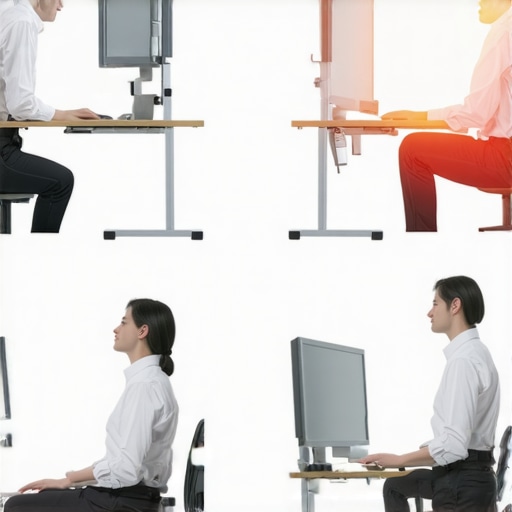
![Stop Your 2026 Standing Desk From Pinching Nerves [4 Fixes]](https://bodyrenewtherapy.com/wp-content/uploads/2026/03/Stop-Your-2026-Standing-Desk-From-Pinching-Nerves-4-Fixes.jpeg)
It was a Monday morning when I finally hit my limit—pins and needles shooting down my leg, a creeping numbness that just wouldn’t let up. I was standing at my desk, frustrated and puzzled, trying to work through a fog of discomfort. That lightbulb moment hit me hard: my standing desk, which was supposed to boost my health, was secretly wreaking havoc on my nerves. If you’ve ever experienced a similar sharp pain or tingling sensation after long hours at your desk, you’re not alone. I know how disheartening it can be, and I want to help you avoid the same pitfalls.
Why Your Standing Desk Might Be Causing Nerve Pinches and How to Fix It
Many of us invest in ergonomic setups, expecting relief and improved productivity. But what happens when your shiny new standing desk causes unthinkable discomfort? The truth is, an improperly adjusted desk can put undue pressure on your nerves, leading to persistent pain, numbness, or tingling—often mistaken for other issues. Early on, I made the mistake of ignoring these signals, assuming it was just fatigue. That misstep only worsened my condition.
According to recent research, nerve irritation from desk ergonomics is more common than you might think. Experts note that improper height and positioning can pinch nerves, especially in the neck and lower back areas, causing symptoms that extend far beyond the workspace (source: Understanding the link between posture and back pain).
So, are you worried that your standing desk might be causing nerve issues? Let’s explore what you’re doing wrong and how to fix it for good.
Is Your Desk Setup Actually Worth the Hype?
I admit, I was initially sold on the idea that standing all day would alleviate my back pain. Instead, I ended up exacerbating it because I overlooked simple setup mistakes. One common error is setting your desk height incorrectly—too high or too low, which leads to awkward postures and nerve compression. If you’ve experienced similar problems, don’t dismiss them as minor. Getting your setup right is crucial. Fortunately, with a few adjustments, I found relief and improved my overall mobility. Curious how? Keep reading, and I’ll guide you through practical fixes that have transformed my work routine—and could do the same for you.
Set Your Desk Height Correctly to Prevent Nerve Pinches
Start by measuring your elbow height while standing naturally with arms at your sides. Adjust your desk so that the keyboard and mouse are at this level, ensuring your elbows form a 90-degree angle. This simple step prevents excessive shoulder elevation or downward stretching, both of which can compress nerves similar to a pinched garden hose. Once I measured my elbows and lowered my desk accordingly, I immediately noticed less tension in my neck and back, leading to sustained comfort during my work hours.
Use a Visual Guide to Fine-Tune Your Posture
Imagine your spine as a gentle S-shape—this alignment reduces strain on nerves. Position your monitor so the top of the screen is at eye level, about an arm’s length away. When I finally raised my monitor, I avoided craning my neck downward like a turtle peeking out—this adjustment eased my cervical nerve tension and improved my focus. A quick tip: take a picture of your setup and compare it to ergonomic diagrams online for verification.
Secure Proper Foot Placement and Weight Distribution
Keep your feet flat on the floor, shoulder-width apart. Distribute your weight evenly and avoid locking your knees, which can cause nerve compression in the lower back and legs, akin to a garden sprinkler getting stuck. I once found myself on tiptoes to reach my desk, which caused numbness in my feet. Fixing my stance to a balanced position drastically reduced this discomfort.
Incorporate Movement and Micro-Breaks
Every 30 minutes, stand up, stretch, or walk around for at least one minute. Think of your nerves as electrical wires that need rerouting—constant compression leads to burnout, while regular movement prevents this. I set a timer on my phone, and the moment it buzzed, I’d do a quick hip hinge or shoulder roll. This habit kept my joints limber and avoided nerve pinches mimicking the sensation of a garden hose kinked repeatedly.
Simplify with Desk Ergonomics Accessories
Use a footrest if your feet don’t reach the floor comfortably; this maintains proper pelvic tilt and reduces lower back pressure, preventing sciatic nerve irritation. When I added a footrest and a wrist pad, my posture improved, and that lingering numbness in my legs disappeared—proof that proper support is key.
Monitor Your Body’s Signals and Adjust Accordingly
Pay attention to tingling, numbness, or pain. These signals are like warning lights on a dashboard—ignoring them can lead to long-term nerve damage. I once dismissed a slight tingling as fatigue, but it persisted and worsened. Adjusting my desk height and posture in response turned my discomfort around, restoring mobility and vitality.
Many individuals believe that persistent pain or nerve issues are purely anatomical problems that require aggressive treatments or even surgical interventions. However, the truth is often more nuanced. A common misconception is that all back or sciatic pain stems from structural damage, like herniated discs or nerve compressions seen on imaging. In reality, studies have shown that a significant number of asymptomatic people display disc protrusions or nerve impingements on MRI scans, meaning these imaging findings are not always the cause of pain (source: Understanding the link between posture and back pain). Let’s dig deeper into why relying solely on imaging can be misleading and how this insight can revolutionize your approach to treatment.
A highly overlooked aspect is the role of neuromuscular control and movement habits in managing chronic pain. Many get caught in the trap of believing that the pain is due to a weak muscle group or a specific injury that needs fixing. While strengthening is beneficial, doing so without understanding the root cause—such as faulty movement patterns or nerve sensitivity—can sometimes exacerbate the problem. For instance, overemphasizing static stretching for sciatic nerve relief might seem intuitive, but research suggests that dynamic movement and nerve glide exercises are more effective for reducing nerve sensitivity and restoring mobility (see lifestyle changes for sciatic relief). It’s about moving smarter, not just harder.
People often fall into the trap of thinking that pain is a sign to rest completely. This misconception can lead to prolonged inactivity, which weakens supporting muscles and stiffens joints, ultimately making pain worse. Instead, integrating gentle movement and micro-breaks can promote better circulation and nerve health. I learned this firsthand when I started incorporating regular mobility exercises into my workday, which significantly reduced my neck and back discomfort. Consistent, mindful movement helps keep your nervous system adaptable and resilient.
Are you aware that poor posture isn’t the full story behind neck and back pain? Recent research indicates that habitual movement patterns, like crossing your legs frequently or maintaining a forward head posture while working, can repetitively stress nerves and soft tissues, leading to chronic issues. Addressing these habits with targeted ergonomic adjustments and movement strategies can create lasting relief. Have you ever fallen into this trap? Let me know in the comments.
Finally, one of the more hidden nuances is the importance of central nervous system sensitization. chronic pain isn’t just about tissue damage; it involves how your brain perceives and processes pain signals. This explains why some people experience pain even after the original injury has healed. Techniques like neuroplasticity exercises and controlled exposure to movement are emerging as effective methods to reset pain sensitivity and restore normal function (see lasting comfort from pain sensitization). Recognizing this shift in understanding can free you from endless cycles of symptom management and lead to more holistic recovery.
Knowing these advanced nuances can make a crucial difference in how you approach persistent pain. Instead of just masking symptoms, focus on re-educating your nervous system, correcting movement habits, and understanding the complex interplay between your brain and body. Want to explore more about these strategies? Check out mobility mastery tips to keep your spine and joints healthy, and start taking control of your recovery today.Maintaining long-term pain relief and mobility requires more than just quick fixes; it demands the right tools and consistent practices. One powerful approach I personally swear by is using ergonomic accessories designed with precision. For example, my adjustable sit-stand desk converter allows me to switch positions effortlessly, reducing sustained nerve compression and promoting better circulation. This flexibility helps me stay active throughout the day, which research shows is crucial for nerve and joint health (mobility tips). Alongside ergonomic equipment, incorporating neuroplasticity-based exercises can reshape your pain perception over time. I use targeted nerve gliding routines—these are simple, repeatable movements that keep nerves like the sciatic and cervical free of adhesions, preventing long-term sensitivity or pinching. Consistency is key, and apps like PhysiApp provide guided routines tailored to my needs, making daily practice manageable and effective. Looking ahead, I predict that wearable technology integrating biofeedback will become standard in nerve health management. Devices capable of monitoring muscle tension and nerve activity in real time will empower users to adjust their habits proactively rather than reactively. To those wondering how to keep these benefits sustainable, I recommend setting a reminder to perform nerve mobility exercises twice daily. For example, a gentle nerve glide exercise for the sciatic nerve can be done in just two minutes—try it today and experience immediate relief. You might also consider integrating posture tracking apps that alert you when your neck or back deviates from ideal alignment, helping you develop healthier movement habits over time. Remember, investing in the right tools and establishing consistent routines can significantly enhance your long-term mobility and nerve health, helping you stay active and pain-free for years to come.
What My Experience Taught Me About Moving Beyond Quick Fixes
One of the most profound lessons I learned was that enduring relief often comes from understanding the root causes of nerve pain rather than just treating symptoms. Relying solely on stretching or resting can create a cycle of dependency, delaying true healing. Embracing movement, distinct from overexertion, helped me build resilience and a better connection between my mind and body, transforming my approach to pain management.
Curated Tools That Transformed My Journey
My top recommendation is a versatile ergonomic sit-stand desk converter, which encourages regular position shifts, reducing nerve compression. The Neck Pain Solutions guide introduced me to gentle nerve glide exercises that significantly eased persistent discomfort. For ongoing support, using apps that provide guided mobility routines helped me stay consistent, making mobility improvement sustainable over time.
Why Your Body’s Signals Are Your Best Allies
Paying close attention to sensations like tingling or numbness is crucial—these are your body’s early warning system. Ignoring them can lead to long-term nerve damage. I found that responding promptly by adjusting my posture or incorporating targeted exercises prevented minor discomfort from escalating into chronic pain. Recognizing and respecting these signals is a vital step towards lasting relief and functional freedom.
Remember, the journey to overcoming sciatica, neck pain, or back discomfort isn’t about quick wins—it’s about consistent effort, smart ergonomics, and deep listening to your body. By applying these insights, you can move toward a future where pain no longer dictates your life. What small change will you try today to support your nerve health? Share your thoughts below and start taking control of your well-being.
![4 Office Chair Adjustments to End 2026 Back Pain [Proven]](https://bodyrenewtherapy.com/wp-content/uploads/2026/03/4-Office-Chair-Adjustments-to-End-2026-Back-Pain-Proven.jpeg)