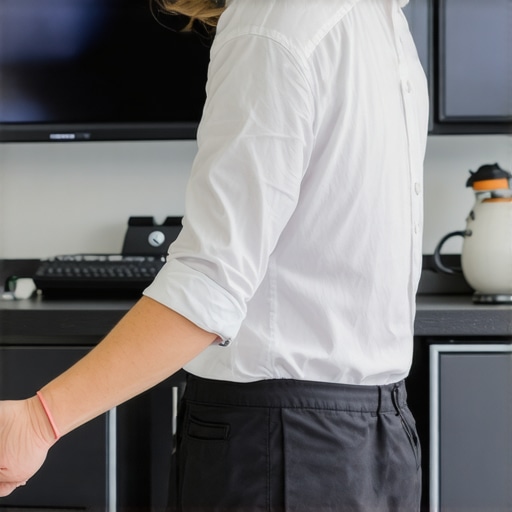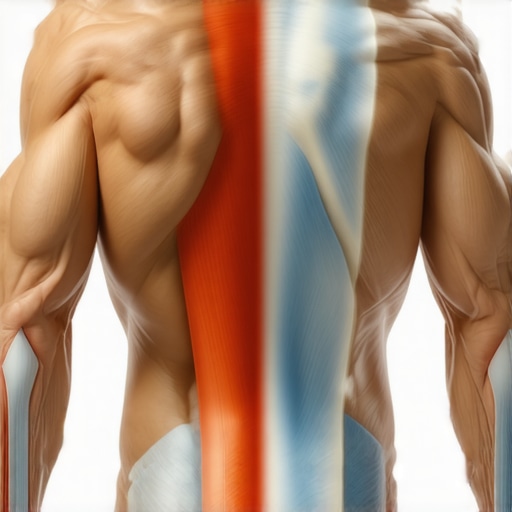
You know that sinking feeling when your back tightens up during dishwashing, and suddenly every movement feels like a chore? I’ve been there—stuck bent over the sink, fighting off a dull ache that refuses to go away. One day, after a particularly long dish session, I finally had my lightbulb moment: not all back pain deals with complex therapies or endless pills. Sometimes, it’s the little daily habits, like washing dishes, that secretly wear down your mobility and set off painful bobs and weaves in your spine.
One Unexpected Culprit in Our Daily Routine
Getting through the daily grind, it’s easy to overlook how mere tasks can take a toll on our body. Like me, many folks don’t realize that repeatedly leaning forward, twisting, or holding awkward postures during something as simple as washing dishes can strain the lumbar spine and trigger painful nerve symptoms. Over time, these small habits stack up—leading to back pain that sticks around long after the dishes are done.
But here’s the good news—small, targeted changes can make a world of difference. I’ve personally discovered how easy mobility fixes can prevent or even reverse this discomfort, turning my kitchen into a pain-free zone. Today, I want to share these simple strategies that helped me clear up my back pain for good, and I believe they’ll do the same for you.
**Have you ever experienced persistent back pain after everyday chores? If so, you’re not alone, and there’s a good chance you’re making a common mistake early on that I want to help you avoid.**
Before we dive into the solutions, it’s crucial to understand why this pain sneaks in—so you can outsmart it. According to health experts, maintaining proper spinal mobility and avoiding repetitive awkward positions significantly reduce the risk of chronic back issues. A study published by the National Institute of Neurological Disorders and Stroke even highlights that most lower back pain stems from poor movement habits and posture, not just injury or heavy lifting.
Now that we recognize the problem, let’s explore the easy fixes that turned my daily discomfort into comfort—solutions you can implement today to protect your back while doing chores. From ergonomic tweaks to simple stretch routines, my goal is to help you regain your mobility and keep that annoying pain at bay.
Are you ready to take control of your back health with just a few minutes a day? Let’s jump into the practical steps that may save you from suffering through another round of back pain—especially during those routine household chores.
Adjust Your Workspace for Better Spine Support
Start by aligning your work and kitchen setups to minimize bending and twisting. Sit close to your work or sink, so you don’t have to reach or lean forward excessively. Use ergonomic chairs or stools that support your lower back, and keep items within easy reach to avoid unnecessary stretching. I once reconfigured my kitchen workspace, placing frequently used items at waist level, which immediately reduced my need to bend forward and eased my lower back tension.
Practice Proper Posture and Movement Habits
Think of your spine as a flexible bridge; it needs support and alignment. When washing dishes, stand with feet shoulder-width apart, engage your core muscles lightly, and avoid locking your knees. Keep your back straight and bend at the hips rather than the waist. During my own routine, I made a habit of placing a foot on a small stool, shifting my weight smoothly, which prevented me from overloading my lower back and improved my mobility over time.
Incorporate Targeted Stretching and Strengthening
Regularly stretching your hip flexors, hamstrings, and lower back muscles can keep your spine mobile and resilient. For example, a quick hip hinge stretch mimics the movement of bending but emphasizes proper form, preventing strain. I include this daily stretch after noting how it loosened my hips and reduced back stiffness. For more comprehensive routines, I recommend visiting this collection of simple exercises.
Break Up Long Tasks with Movement
Repetitive static positions are a culprit in back pain, much like a garden hose that kinks when kept in one position. Set a timer to remind you to stand, stretch, or walk briefly every 20-30 minutes. During my long cleaning sessions, I paused to do gentle torso twists and shoulder rolls, which kept my spine active and prevented stiffness. Small movements distribute fluid and nutrients across spinal discs, supporting long-term health.
Use Proper Lifting and Bending Techniques
If you need to lift heavy objects or bend frequently, wield the power of your hips, not your back. Imagine your body as a hinge—bend at the hips with a slight squat, keep your back flat, and lift using your leg muscles. I learned this the hard way when I accidentally strained my lower back trying to lift a heavy box. Practicing this technique consistently can reduce the risk of nerve compression and sciatica flare-ups. For detailed guidance, see this article on proper lifting.
Practice Consistent Mobility Routines
Mobility is like oil in a machine—without it, parts seize up and cause damage. Dedicate five minutes daily to gentle spinal twists, hip openers, and pelvic tilts. I found that even a quick sequence of these movements in the morning helped prevent stiffening and maintained my back’s flexibility. Consistency in these routines ensures your spine remains resilient against daily wear and tear.
Many individuals believe that sciatica and back pain are solely caused by injury or heavy lifting, but in reality, the common myths surrounding these issues can hinder effective treatment. For instance, the misconception that rest is always the best solution can actually prolong discomfort, as evidenced by research indicating that gentle movement promotes nerve healing and reduces stiffness. Additionally, some think that stretching is universally beneficial, yet overdoing certain stretches, like hamstring exercises, may exacerbate sciatica symptoms if performed improperly or at the wrong stage of recovery.
Furthermore, there’s a dangerous trap in trying to suppress pain with medication alone without addressing underlying movement habits. This approach often masks symptoms rather than solves them, leading to recurrence or chronic issues. Instead, a nuanced understanding of mobility, such as recognizing the importance of pelvic stability and lumbar support in daily activities, can transform your approach.
In terms of the neck and spine, many overlook the significance of maintaining proper ergonomic setups. For example, even minor misalignments in your workspace, like a monitor placed too high or chair lacking lumbar support, can contribute to persistent neck and back pain over time. An advanced mistake many make is neglecting specific nerve pathways involved in sciatica. You might think that general stretching or strengthening is enough, but recent studies suggest that targeted nerve mobilization techniques effectively reduce pain and improve function by addressing nerve entrapment issues directly.
A critical nuance often missed is how lifestyle factors influence nerve health. Sedentary habits, poor posture, and even tight hip flexors can create a chain reaction leading to nerve compression. For example, tight hips can pull on the pelvis, tilting it and increasing pressure on the sciatic nerve. This is where detailed assessments and tailored mobility routines play a vital role. Exploring these deeper nuances can be game-changers, as detailed in expert analyses available at [this resource](https://bodyrenewtherapy.com/understanding-the-link-between-poor-posture-and-chronic-back-pain).
Moreover, many overlook the importance of integrating mobility work into daily routines, such as simple pelvic tilts or diaphragmatic breathing, which can not only alleviate existing pain but also fortify your body against future flare-ups. Remember, effective pain management isn’t just about quick fixes but understanding the complex interplay of movement, posture, and nerve health.
Have you ever fallen into this trap of oversimplifying your pain or relying solely on medication? Let me know in the comments, and I can help guide you toward more effective, evidence-based strategies to reclaim your mobility.
How Do I Keep My Mobility Tools Effective Over Time?
Staying consistent with your mobility tools is crucial. Personally, I rely on a foam roller and resistance bands, which I use daily to maintain flexibility and strength. I prefer a dense foam roller because it effectively targets tight muscles without breaking down quickly, ensuring long-term use. Resistance bands are versatile for strengthening core and back muscles, which support proper posture. I make sure to replace or upgrade my tools every 6-12 months to prevent wear and ensure effectiveness. For detailed guidance on maintaining your mobility equipment, visit this resource.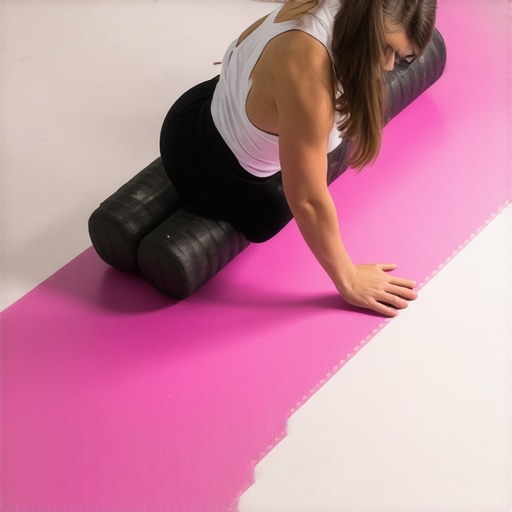
Recommended Software and Apps for Tracking Progress
I use a simple habit-tracking app to log daily stretches, strength exercises, and posture checks. Apps like MyFitnessPal or dedicated mobility trackers help me stay accountable and notice trends over time. Tracking your activities reveals patterns and areas needing improvement, preventing regress. I’ve found that setting reminders within these apps ensures I don’t forget vital routines, especially during busy days. Looking ahead, integrating AI-driven progress analytics is poised to personalize program adjustments even further, making long-term management more efficient.
Why Regular Check-Ups Matter for Long-Term Results
Consistency is key, but periodic professional assessments help catch issues early. I schedule a quarterly visit with my physiotherapist, who evaluates my mobility and adjusts my routine. This proactive approach prevents minor issues from turning into chronic problems. When dealing with nerve-related pain or persistent discomfort, expert intervention is invaluable. As I’ve learned from this comprehensive guide, ongoing professional support ensures that my techniques stay effective and aligned with my evolving needs.
Future of Mobility and Pain Management
The trend is moving toward personalized, tech-enabled solutions. Wearable devices will soon offer real-time posture correction cues and muscle activation feedback. Virtual reality-based therapy is another frontier, providing immersive exercises tailored to individual needs. Staying updated with these innovations will help you maintain your progress effectively and avoid setbacks.
How Do I Maintain Consistent Mobility and Pain Relief?
Set specific goals, schedule routine assessments, and keep your tools updated. Incorporate daily stretches and strength routines supported by digital tracking to monitor progress. Regularly evaluating your setup and habits ensures lasting results. For targeted expert strategies, explore this resource on lifestyle changes. Try integrating a new mobility drill from this collection of exercises into your routine today — small steps lead to big improvements!During my journey to manage chronic back pain, I uncovered some eye-opening truths that changed everything. One of the most profound was realizing how often I underestimated the power of small, consistent habits over quick fixes. I learned that true mobility isn’t achieved just through sporadic stretching but by integrating mindful movement practices into daily routines. Additionally, I discovered that addressing nerve health, especially in sciatica, requires targeted approaches, not just general exercises. Lastly, understanding the intricate link between posture, lifestyle, and spinal health has been a game-changer, proving that prevention and proactive care surpass reactive treatments. These lessons remind us that in the pursuit of pain relief, patience and informed actions forge real progress.