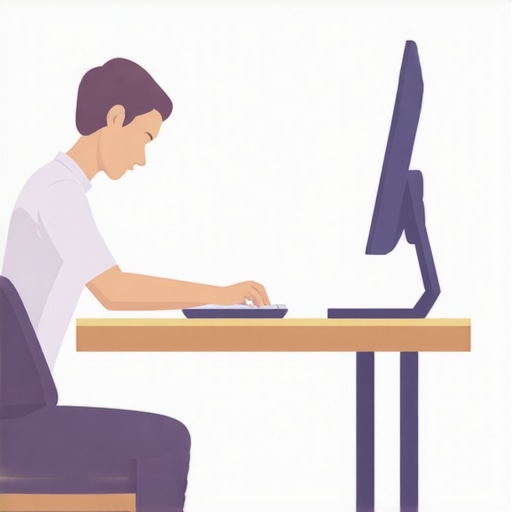
It was a typical Tuesday evening when I suddenly felt a sharp twinge in my neck that wouldn’t go away. I was just adjusting my smart-mirror, thinking it was a quick fix. But as days passed, the discomfort grew, and I realized something alarming: my latest gadget obsession might be secretly wreaking havoc on my neck and posture. This lightbulb moment made me wonder—could your sleek 2026 smart-mirror be silently causing this hidden tension?
The Surprising Connection Between Tech and Neck Strain
Is Your 2026 Smart-Mirror Causing This Hidden Neck Tension?
Many of us are eager to embrace the latest technology for convenience and style, but we often overlook how these gadgets impact our bodies. When I first got my smart-mirror, I loved how it integrated seamlessly into my daily routine. However, I didn’t notice the subtle shifts in my posture, especially during long sessions of tweaking settings or posing in front of it.
Early on, I made a common mistake—assuming that I could use the device without adjusting my habits. I was guilty of craning my neck forward, looking down at the mirror’s interface, and holding tense positions for extended periods. I didn’t realize that these small, repeated actions could add up, leading to chronic neck tension and discomfort. Did you know that poor posture and prolonged screen time are major contributors to tech neck, which can cause pain and limit mobility? According to a study published in the Journal of Physical Therapy Science, sustained poor posture can lead to muscle strain and nerve compression, often with delayed symptoms.
If you’re experiencing persistent neck tension, you’re not alone, and there’s good news. By recognizing these habits and making simple adjustments, you can alleviate the pain and prevent future problems. Today, we’ll explore actionable strategies to combat this sneaky issue—so you can enjoy your smart technology without the nagging discomfort.
Are you questioning whether your gadgets might be behind your neck pain? If so, you’re in the right place. Many people underestimate how even the sleekest devices can contribute to posture problems, but with the right approach, relief is within reach. For more insights on improving mobility and reducing tension, check out [this simple exercise routine](https://bodyrenewtherapy.com/boost-your-back-mobility-simple-exercises-that-make-a-difference) or [these proven neck pain solutions](https://bodyrenewtherapy.com/neck-pain-solutions-proven-techniques-to-regain-your-range-of-motion). Now, let’s dive into practical steps to protect your neck and restore comfort.
Assess Your Posture and Workspace Setup
Begin by inspecting your current posture, especially during prolonged gadget use. Imagine your neck as a fragile stack of blocks; leaning forward or looking down adds unnecessary stress, like pressing down on the top block.
I once caught myself craning towards my smart-mirror, causing immediate tension. To fix this, adjust your screen height so the top of the monitor or mirror sits at eye level, reducing forward tilt. Use ergonomic accessories, like adjustable stands or supports, to maintain this position consistently.
Implement Targeted Mobility and Strengthening Exercises
Next, incorporate specific movements that counteract the stiffness caused by tech use. Think of your neck muscles as elastic bands; they need gentle stretching and strengthening to stay flexible and resilient.
I tried a quick set of neck rolls and shoulder blade squeezes after noticing discomfort. Repeat these daily, aiming for 10 reps each session. For comprehensive routines, visit this resource to learn effective techniques that restore mobility fast.
Practice the ‘Chin Tuck’
Improve Posture Instantly
This simple move is akin to pulling your head back onto a shelf, aligning your spine. To do it, gently tuck your chin inward, as if signaling ‘no,’ and hold for five seconds. Repeat 10 times per session. It’s a quick fix that prevents your head from jutting forward and strains your neck muscles.
Develop Habits That Support Long-Term Relief
Changing habits around your device use can prevent recurring tension. Think of your habits as daily maintenance for your car; small, consistent actions keep everything running smoothly.
Set reminders to take breaks every 20 minutes during screen time, similar to every meal or coffee break. During breaks, perform quick stretches or walk around, engaging muscles to prevent stiffness. Read this guide for stress-relief techniques that also aid posture recovery.
Optimize Your Environment Continuously
Finally, review and update your workspace regularly. Like tuning a guitar, small adjustments can significantly improve comfort and reduce strain. Swap out your chair if necessary, or adjust your desk height to maintain proper alignment.
Remember, integrating these steps consistently will build resilience against tech-induced neck issues. For more detailed adjustments, check out ergonomic tips that make daily settling into a healthy posture effortless.
Many assume that back pain, neck tension, and sciatica stem solely from obvious injuries or overexertion, but the real culprits often lie beneath the surface. A common misconception is that pain always signals damage needing rest or surgery, yet studies, such as those summarized in the Journal of Orthopaedic & Sports Physical Therapy, show that pain can sometimes persist due to maladaptive neural responses rather than tissue damage. This leads many to focus only on strengthening or stretching without addressing underlying nervous system sensitivities, which can trap individuals in a cycle of chronic discomfort.
Another widespread mistake is ignoring the importance of movement variability. Many people think that sticking to one type of exercise or movement pattern is safest, but it can actually reinforce faulty movement habits, leading to inflexibility and joint degeneration over time. Incorporating a variety of mobility exercises—such as those detailed in this routine—ensures balanced joint function and reduces strain.
Beware the myth that sticking to minimal activity will heal everything. In reality, complete inactivity can cause muscle atrophy and stiffness, exacerbating pain. Instead, targeted movement and early, controlled loading promote tissue healing and neural desensitization. For advanced strategies, exploring mobility mastery tips can be transformative.
A nuance often overlooked concerns sciatica and nerve pain: some believe nerve compression is purely mechanical and only relievable through surgery. However, evidence suggests that nerve health is also significantly influenced by posture, movement habits, and nerve mobility exercises. Improving nerve glide, as described in this guide, can dramatically reduce symptoms without invasive procedures.
Moreover, many individuals fall into the trap of misidentifying their pain sources. Back pain isn’t always from lumbar disc issues; sometimes, pelvic misalignment or hip mobility restrictions are the real culprits. Addressing these requires nuanced assessment, which is why consulting with experts who understand these interconnected systems is crucial.
Are you aware of how your habits might be contributing to persistent pain? Often, the little things — like poor ergonomics or repetitive movements — can cumulatively worsen symptoms. The key is recognizing these patterns early and incorporating comprehensive, movement-based solutions. Have you ever fallen into this trap? Let me know in the comments.
Remember, effective pain management involves more than just generic stretches or rest. By understanding and addressing the hidden nuances—like neural sensitivities, movement variability, and lifestyle habits—you can achieve lasting relief. For a deeper dive into your specific case, explore this article and start transforming your approach today.Maintaining your progress in alleviating back and neck pain requires the right tools and consistent routines. One of my favorite equipment pieces is an ergonomic foam roller, which I use daily to release tension in my muscles and improve mobility. Unlike generic rollers, I prefer those with a textured surface, like the TriggerPoint GRID, because it provides targeted pressure that helps break up fascial adhesions, essential for long-term relief. Additionally, incorporating a gentle massage gun, such as the Theragun Mini, allows for quick, effective muscle stimulation, especially after intense mobility sessions or prolonged sitting.
Software tools also play a crucial role. I recommend using a posture tracking app like LUMO Lift or Upright to provide real-time feedback on your sitting and standing habits. These apps gently remind you to adjust your posture throughout the day, which is vital for preventing recurring issues. Regularly reviewing your data helps identify patterns that might be causing strain, allowing for targeted corrections.
When it comes to mobility routines, I advocate a structured approach. The routine outlined in this resource offers simple yet effective exercises that can be seamlessly integrated into daily life to maintain spine health. As posture and movement are dynamic, supplement your routine with strategic stretches and strength exercises that challenge your muscles in different planes of motion.
Looking ahead, the trend is towards personalized tech solutions, such as wearable neurostimulators and AI-driven posture correction systems, that adapt to your specific needs over time. These innovations hold promise for enhancing the consistency and effectiveness of maintenance routines.
### How do I keep my improvements sustainable over time?
An effective way is to set up a dedicated space with ergonomic tools like adjustable desks and monitor stands. This creates an environment that naturally supports healthy posture, reducing reliance on conscious effort alone. Regularly revisiting comprehensive mobility routines, such as those in this guide, ensures your muscles and joints stay resilient.
To optimize your ongoing efforts, I suggest trying a targeted mobility drill like the Dead Bug exercise from this post. It challenges your core and lumbar stability, helping to prevent deep-seated pain before it starts. Consistently integrating these tools and routines will help maintain your progress and prevent setbacks. Remember, the key is consistency and adapting your strategies as your body’s needs evolve. Stay committed, and if you’re curious about advanced methods, explore the detailed strategies in this comprehensive article.
What I Wish I Knew About Hidden Traps in Back and Neck Healing
One of the most valuable lessons I learned on my journey to relief was that progress often comes from questioning what isn’t working and daring to challenge common beliefs. Embracing the idea that pain isn’t always a sign of damage transformed my approach, leading me to focus on neural sensitivities and movement variability rather than just stretching or resting. Realizing that habit patterns and lifestyle choices play a crucial role reminded me that recovery is a holistic process—not just targeted exercises.
The importance of listening to your body’s subtle signals cannot be overstated. Ignoring early discomfort often results in more persistent issues, but paying close attention and making small adjustments accelerates healing. I uncovered the power of integrating ergonomic setups and daily mobility routines, which seemed simple at first but proved revolutionary in maintaining long-term comfort.
Another insight was that techniques like neural gliding and movement diversity prevent repetitive strain and keep tissues responsive. It’s tempting to rely solely on passive remedies, but active movement and mindfulness of habits truly propel lasting change. Trust me, the subtle shifts—like proper pillow height or mindful posture—can make all the difference, once recognized and habitually practiced.
Tools that Shaped My Recovery Path
Having a set of reliable tools made a profound difference. I especially value ergonomic accessories, such as adjustable desks and monitor stands, which promote natural posture. My foam roller, particularly textured ones like the TriggerPoint GRID, helps release fascia and keeps muscles supple—making flexibility exercises more effective.
Additionally, posture tracking apps like Upright serve as gentle reminders and motivators to maintain good habits throughout the day. These tech aids keep me accountable without being intrusive, and their feedback helps tailor my routines for optimal results.
Lastly, investing time in curated exercises—like those found in this simple mobility routine—ensures I stay proactive. Combining these tools with consistent practice cultivates resilience and reduces the chance of setbacks.
Embrace the Journey—Your Turn Begins Now
Remember, healing isn’t a straight line—it’s a cycle of learning, adjusting, and persisting. The real breakthrough lies in your willingness to explore what works uniquely for your body. Small, deliberate actions, supported by the right tools and mindset, will help you reclaim comfort and mobility. Trust the process and be patient with yourself—you’re capable of transforming your back and neck health from within.
What unexpected habit or realization has helped you move closer to relief? Share your story below—I’d love to hear about your journey and what inspired change in your approach!