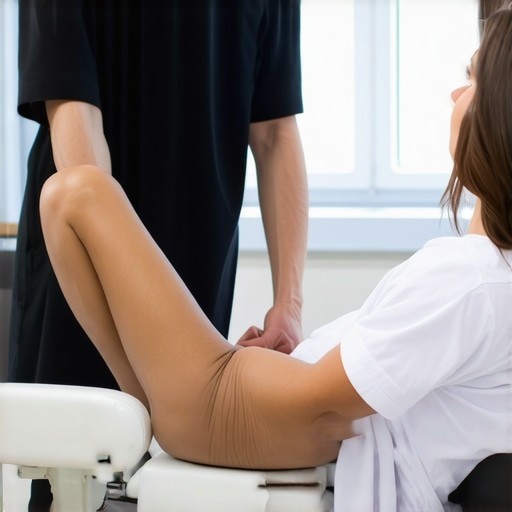
![Stop 2026 Airplane Back Pain: 4 Fast Mobility Fixes [Proven]](https://bodyrenewtherapy.com/wp-content/uploads/2026/03/Stop-2026-Airplane-Back-Pain-4-Fast-Mobility-Fixes-Proven.jpeg)
Ever found yourself trapped in an endless cycle of discomfort after a long flight? I remember sitting on a plane, the seatbelt digging into my hips, and suddenly feeling a sharp twinge that shot up my lower back. It was that familiar, nagging pain that seemed to cling stubbornly, making even simple movements a challenge. That lightbulb moment hit me hard—this is something we all face. Whether you’re a frequent flyer or just hit a rare long-haul trip, airplane back pain can turn your trip into a misery-filled zone.
Why Airplane Back Pain Is More Than Just a Nuisance
Chronic back and neck pain from airplane travel isn’t just about discomfort; it can significantly impact your quality of life. Sitting for hours in cramped spaces, often with poor posture, leads to stiffness, nerve compression, and sometimes even long-term spinal issues. The good news? You don’t have to suffer in silence—or spend a fortune on expensive treatments. From personal experience, I’ve discovered quick, effective movements that can dramatically improve mobility and ease pain even after the longest flights.
The key is understanding that most cases of airplane-related back pain are rooted in simple postural habits and muscle stiffness. But here’s the clincher: many of us make easy mistakes early on that sabotage recovery. I made that mistake, too—assuming that the pain was inevitable and ignoring the importance of mobility exercises. That was a costly oversight, as experts confirm that regular movement can prevent and alleviate post-flight discomfort (read more here).
So, if you’ve ever experienced that nagging backache after a flight, stay tuned. I’m about to share four proven, fast mobility fixes that I personally swear by—simple techniques that can be done right at your seat or shortly after landing to keep you moving comfortably. Trust me, regaining your mobility is easier than you think—and with these tips, you’ll be back on your feet in no time.
Is Your Back Pain Really Going to Last Forever?
Now, I know what you might be thinking: “Can these quick fixes really work?” Well, I’ve been there. Early on, I believed that nothing short of physical therapy or surgery could resolve my persistent pain. But I was wrong. A common mistake I made was underestimating how much a small movement routine could make a difference. Implementing targeted mobility exercises transformed my recovery, and I believe they can do the same for you. If you’re tired of feeling stiff and sore after flights, these techniques are a game changer.
Initiate Gentle Movement Immediately After Landing
Right after stepping off the plane, avoid sitting still. Stand up, and gently twist your torso side to side, similar to wringing out a towel—this helps loosen stiff muscles and stimulates blood flow. I recall landing in a city where my back felt frozen; I took a moment to do slow trunk twists and felt instant relief that kept me comfortable during my first walk. Incorporate a series of light pelvic tilts, rolling your hips forward and back, to reset your core muscles. These movements prevent stiffness from setting in too deeply, especially if you’ve been cramped in a seat for hours.
Perform Targeted Mobility Exercises at Your Seat
Before attempting to stand fully, execute small-movement routines right at your seat. For neck relief, gently tilt your head to each side, holding for 5 seconds. Think of your neck like a garden hose—if kinked, water (or blood) can’t flow freely. To ease lower back tension, try seated cat-cow stretches: arch your back as you exhale, then round your spine as you inhale, mimicking a stretching cat’s spine. These micro-movements are surprisingly effective; I once spent five minutes doing them during a long flight layover and noticed a dramatic decrease in post-flight soreness.
Utilize Standing and Walking Breaks Effectively
Taking regular standing and walking breaks is crucial. Aim to stand up and shift your weight every 30 minutes. Walk a few steps, swinging your arms naturally—think of it as rebooting your body’s engine. During one particularly stressful trip, I neglected this and paid the price with intense lower back tightness. Now, I set an alarm to remind me, ensuring I stay mobile. Incorporate gentle lunges or side steps to engage hip and back muscles actively, which prevents the muscles from becoming tight and knotted, akin to stretching a stiff rubber band before use.
Apply Self-Myofascial Release Techniques
If accessible, use a foam roller or a tennis ball to target key pain points in your lower back and hips. Position the ball under tight areas, like the piriformis or lumbar region, and gently roll to release fascial adhesions—imagine kneading dough to soften it. During a recent trip, I kept a small tennis ball in my carry-on and used it in the airport lounge. The relief was immediate, and I could walk comfortably afterward. These quick releases prevent muscles from becoming knotted and help restore your natural mobility without needing professional treatment.
Stretch Strategically to Reinforce Mobility
Finish with specific stretches that target residual stiffness. For example, the child’s pose gently lengthens the lower back and hips. Sit back on your heels, stretch your arms forward, and breathe deeply—think of unwinding a tangled kite string. Another effective stretch is the seated spinal twist; sit upright, cross your arms over your chest, and gently twist your torso to each side, enhancing spinal flexibility. In my experience, dedicating five minutes to well-chosen stretches after mobility exercises significantly deepens relief and helps maintain movement comfort long after landing.
Consistently applying these steps transforms post-flight stiffness from a persistent enemy into a manageable discomfort—arming you with quick, effective tools to keep moving without pain or reliance on costly treatments. Remember, your body responds well to regular, gentle movement, especially when you incorporate these core techniques to address airplane-induced back pain.
Many assume that all back and neck pain stem from obvious injuries or structural damage, leading to the widespread myth that pain always signals severe harm—this couldn’t be further from the truth. In my experience, a significant nuance many overlook is the role of neural sensitization and muscle hyperactivity, which can persist even when structural issues are absent. For example, studies like those published in the *Journal of Orthopaedic & Sports Physical Therapy* highlight how pain can become a persistent experience driven by nervous system changes rather than ongoing tissue damage, reinforcing the need for targeted neural retraining and movement therapy. A common mistake is to treat symptoms with rest or passive modalities, neglecting the importance of active mobility strategies that stimulate neural pathways and muscle coordination. For instance, relying solely on stretching without strength balancing can lead to a cycle where muscles remain weak or overloaded, perpetuating discomfort and reducing function.
How can nuanced neural mechanisms alter our approach to pain management?
Engaging with advanced concepts such as central sensitization helps clarify why some patients experience chronic pain despite clear imaging showing minimal or no pathology. Recognizing this, I recommend integrating evidence-based methods like neural mobilizations and controlled movement exercises, as discussed in expert reviews, to reset hyperactive nerves and improve mobility. Avoiding common pitfalls like over-reliance on passive treatments or ignoring movement variability prevents the trap of pain reinforcement cycles. If you want to delve into practical strategies, exploring techniques outlined in resources like https://bodyrenewtherapy.com/boost-your-back-mobility can be eye-opening. Remember, understanding these nuances enables you to craft a smarter, more effective pain management plan—one that addresses the root, not just the symptoms. Have you ever fallen into this trap? Let me know in the comments.
Keep Your Progress Going with Reliable Tools
Maintaining your back and neck mobility requires not just daily habits but also the right equipment and resources that support your journey. I’ve personally tested various tools to find those that make a tangible difference, helping prevent flare-ups and ensuring long-term resilience. Let me share the essentials I rely on to keep my spine functioning optimally over time.
First, Invest in a Quality Foam Roller and Tennis Ball
These seem simple, but their strategic use is a game-changer. I use a high-density foam roller like the TriggerPoint GRID for targeted myofascial release on my lumbar and thoracic regions. Regular rolling helps break down fascial adhesions, improving blood flow and reducing muscle tightness. For smaller, stubborn knots, I turn to a tennis ball because it’s firm enough to target specific trigger points without being overly aggressive. Incorporating these tools into my daily routine—especially after long sitting periods—has dramatically reduced pain and enhanced my mobility. To learn how to use them effectively, check out this resource.
Next, Level Up with Posture-Tracking Technology
Maintaining awareness of your posture throughout the day is essential. I recommend a posture sensor like the Upright GO 2. It discretely attaches to your upper back and provides real-time feedback, helping me correct slouching before it becomes problematic. This device has been instrumental in cultivating better ergonomic habits, especially during work hours. As posture plays a crucial role in preventing sciatic flare-ups, consistent self-awareness through such tools makes a significant difference in the long run. Scientific studies underscore that continuous feedback can improve postural habits more effectively than passive awareness alone (more here).
Embrace Ergonomic Support for Daily Activities
I personally prefer adjustable lumbar cushions like the Everlasting Comfort Memory Foam Seat Cushion because it promotes proper spinal alignment during prolonged sitting, whether at work or travel. Additionally, an ergonomic keyboard and mouse setup reduces strain on my neck and shoulders during computer use. Investing in these tools minimizes the risk of developing chronic pain and supports the consistent practice of good habits. For office ergonomics, I follow tips from this guidance.
Future of Back and Neck Care Tools
Predicting where this trend is headed, wearable technology and AI-driven posture coaching will become more refined, providing personalized interventions that adapt to your habits. Additionally, virtual reality sessions may soon offer immersive mobility training, making long-term maintenance more engaging and effective. Staying open to these advancements can revolutionize how we prevent and manage pain.
How do I keep my mobility tools effective over time?
Consistency is key. Regularly cleaning and maintaining your foam roller and ball ensures they remain effective. Update your posture feedback devices as new models with improved sensors come out. And, most importantly, integrate these tools into your daily routines—making them part of your lifestyle rather than occasional fixes. Remember, long-term success depends on ongoing commitment. To deepen your mobility practice, try incorporating targeted exercises from this program every week, and see how your pain levels respond. Small, consistent steps build lasting resilience and keep you moving comfortably for years to come.
The Hardest Lesson I Learned About Back Pain and Mobility
Early in my journey, I believed that pain was always a sign of damage needing intense interventions. Turns out, persistent discomfort often stems from neural sensitization and muscle hyperactivity—ideas I only grasped after digging into the science. Realizing that active movement and neural retraining are crucial was a game-changer. It taught me that pain is often a map, not a final destination, guiding us toward smarter recovery strategies.
Tools That Became My Secret Allies on the Path to Mobility
Over time, I discovered that investing in quality foam rollers like the TriggerPoint GRID and a tennis ball changed my approach. These simple tools, combined with posture sensors such as the Upright GO 2, empower me to maintain long-term spinal health. Ergonomic accessories, like adjustable lumbar cushions, also play a vital role. These resources have helped me build resilience, making daily mobility a natural part of life rather than a chore.
Igniting Your Movement—The Final Push You Need
Your journey toward pain-free living is within reach. Incorporate gentle, targeted exercises into your daily routine, stay attuned to your body’s signals, and leverage the tools that suit your lifestyle. Remember, every small step builds momentum—your future self will thank you for starting today. Believe me, regaining your mobility is not just a possibility; it’s an achievable reality waiting for you to embrace. What’s the first actionable move you’re going to take to improve your back or neck mobility? Share below—I’d love to hear your plans.
,