![Why Your 2026 Haptic Leggings Cause Sudden Back Pain [Fix]](https://bodyrenewtherapy.com/wp-content/uploads/2026/04/Why-Your-2026-Haptic-Leggings-Cause-Sudden-Back-Pain-Fix.jpeg)
I remember the day I finally realized what was triggering my sudden, sharp back pains. I had just slipped into those new 2026 haptic leggings, expecting to feel cutting-edge comfort and support. Instead, within minutes, I was doubled over with a jolt of pain that took me completely by surprise. It was a lightbulb moment—those high-tech leggings, meant to elevate my experience, were actually doing the opposite. Have you ever experienced a similar shock when technology or trendy gear left you feeling worse?
Understanding the Hidden Culprit in Your 2026 Haptic Gear
Many folks, myself included, jump into the latest wearable tech, believing it will enhance our fitness and comfort. But what I didn’t realize early on was that these supposedly advanced fabrics and embedded sensors could be putting undue strain on my lower back. This isn’t just anecdotal; recent studies show that improper alignment or pressure from tight, tech-infused clothing can trigger or exacerbate back pain, especially if you’re already prone to issues like sciatica or poor posture. While these garments aim to give us real-time feedback, they can also set off hidden imbalances—an uncomfortable irony.
One mistake I made early on was ignoring the importance of proper fit and biomechanics. Instead of adjusting or removing the leggings when discomfort arose, I dismissed it as temporary. That led to persistent pain, which worsened over time. It’s a common pitfall—believing that just wearing the latest gear means you’re automatically improving your health. But as I learned through trial, error, and the guidance of experts, proper alignment and mindful adjustments are key.
Would you like to know how to prevent your fashionable tech from hurting your back? Keep reading, because I’ll share the exact strategies I used to regain my comfort and mobility. For a comprehensive guide on alleviating sciatic discomfort, I recommend this resource—because believing in the right information is the first step toward relief (source: [Body Renew Therapy](https://bodyrenewtherapy.com/unlocking-sciatica-relief-expert-strategies-for-lasting-comfort)).
Now, let’s dive into how you can troubleshoot, adjust, and finally make your gear work for you—not against you.
Assess Your Fit and Posture
Start by evaluating how your gear fits. Tight, restrictive clothing can misalign your spine, leading to discomfort. Recall a time I wore my leggings too snug; the next morning, I woke up with a sharp ache that persisted until I loosened the fit. Ensure your clothing isn’t overly tight and promotes natural alignment. Use a mirror or ask a friend to help verify that your posture remains neutral while wearing the gear.
Identify and Correct Biomechanical Imbalances
Check Your Standing and Sitting Habits
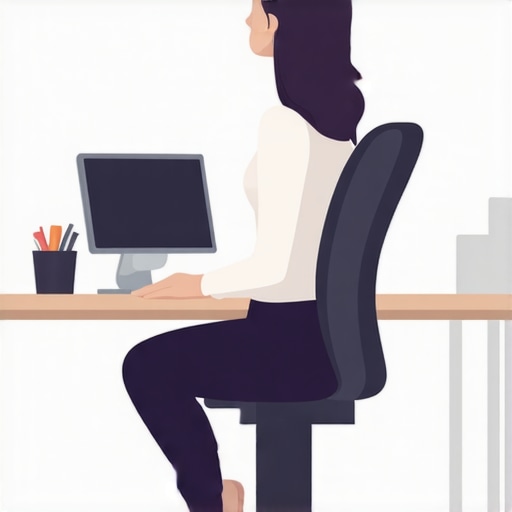
Observe how you stand and sit in your daily routines. If you tend to arch your back or favor one side, adjust your posture immediately. A simple mirror drill—standing with your back against a wall—can reveal misalignments. When I caught myself slouching during desk work, I set reminders to reset my posture every 30 minutes, which drastically reduced lower back tension. Incorporate ergonomic modifications such as supporting your lumbar curve with cushions or adjusting your chair height.
Practice Targeted Mobility Exercises
Focus on movements that restore mobility and realign the pelvis and spine. For example, hip hinge exercises help prevent overloading your lower back. I integrated hip hinge drills daily and noticed less sciatic nerve irritation. You can find effective routines at this link.
Implement Specific Reinforcing Techniques
Stretch Smartly and Safely
Stretching tight hamstrings or hip flexors can relieve tension on the lower back. However, avoid overstretching, as it may worsen sciatic symptoms—a mistake I made early on by forcing stretches beyond comfortable limits. Instead, hold gentle stretches that don’t cause pain, and gradually increase intensity over time.
Utilize Nerve Gliding and Mobilization
Simple nerve gliding exercises can help reduce impingement on the sciatic nerve. I learned to perform these in front of a mirror, ensuring smooth, controlled motions. These exercises often outperform traditional stretching for nerve-related pain, especially when performed consistently. Find guided routines at this resource.
Tweak Your Daily Movements and Environment
Small adjustments in daily activities can make a significant difference. Avoid crossing your legs or leaning to one side for extended periods—habits that can exacerbate imbalances. Use ergonomic accessories, like adjustable chairs or standing desks, to support neutral spine positioning. I replaced my stiff chair with a posture-friendly alternative and noticed immediate relief, especially during long work sessions.
Monitor and Modify Progress
Track your pain levels and mobility improvements regularly. If discomfort persists despite these changes, consult a professional to explore deeper causes. I scheduled a consultation when numbness and persistent pain didn’t abate after two weeks of self-adjustments. For personalized help, visit our contact page to connect with mobility specialists.
Many assume that persistent back or neck pain primarily stems from straightforward issues like muscle strain or herniated discs. However, underlying misconceptions persist, leading to ineffective treatments. A prevalent myth is that pain always correlates directly with visible structural damage. In reality, pain can be a complex neurofeedback, with the nervous system amplifying or suppressing signals based on subtle dysfunctions. This is why some people experience significant discomfort without apparent injury.
Another common misconception involves mobility exercises. Many believe that stretching or mobilizing always relieves pain, but overdoing certain movements can exacerbate issues, especially if underlying neuromuscular imbalances remain unaddressed. For example, aggressive stretching of tight hamstrings without improving pelvis stability can worsen sciatic symptoms rather than relieve them. Understanding the correct approach is vital for safe progress.
One trap to avoid is assuming that pain is purely local. Symptoms like neck tension or lower back discomfort often originate from higher-level neuromuscular patterns or stress responses. Chronic tension might be a spillover from unresolved posture issues or compensatory patterns that have become ingrained. Recognizing this is essential because addressing only the superficial symptom may offer temporary relief at best.
Why Do Some Patients Remain Sensitive to Movement Despite Doing Everything Right?
This question touches on the advanced nuances of nervous system sensitization. When the nervous system becomes hyper-responsive—a phenomenon known as central sensitization—it amplifies pain signals even in the absence of current tissue damage. This state can persist well after initial injury has healed, making recovery frustrating. Recent research highlights the importance of desensitization techniques and neuroplasticity-focused therapies, rather than solely relying on traditional biomechanical corrections. For in-depth strategies, consider exploring our comprehensive guide on sciatic relief.
Furthermore, neglecting the role of psychological factors—like stress and anxiety—can hinder healing. These elements influence muscle tension and pain perception, creating a vicious cycle that many overlook. Incorporating stress management and mindfulness into your routine can make a significant difference.
Have you ever fallen into this trap? Let me know in the comments. Recognizing these hidden nuances can be a game-changer in your journey toward pain-free living. Remember, understanding the deeper mechanics of pain, such as neuroplasticity and psychosomatic links, empowers you to seek more targeted and effective solutions.
For practical tips on maintaining mobility and preventing flare-ups, visit our mobility mastery guide and continue your path to better spinal health.
Keeping your progress consistent over time requires reliable tools and disciplined routines. One of my favorite investments has been a foam roller, specifically the TriggerPoint GRID, which I personally use daily to release tension in the thoracic and lumbar regions. Its firm yet pliable surface allows for targeted self-myofascial release, helping maintain soft tissue elasticity and prevent trigger points from re-forming. I recommend incorporating 2-minute sessions into your morning or evening regimen, focusing on areas prone to tightness like the hip flexors and upper back.
How do I maintain mobility and prevent setbacks over time?
Consistency is key, and leveraging technology can make this easier. I utilize a posture correction app, such as Upright GO 2, which provides real-time feedback on my spinal alignment during daily activities. It keeps me mindful and makes subtle adjustments before bad habits set in. Pairing this with guided mobility routines from https://bodyrenewtherapy.com/boost-your-back-mobility-simple-exercises-that-make-a-difference ensures I stay proactive. Another game-changer for me has been a sit-stand desk, allowing me to alternate postures throughout the day, reducing static loads that exacerbate issues like sciatica and neck tension. Regularly switching positions encourages circulation and joint lubrication, ultimately supporting long-term health.
Predictions for the future of pain management tools
As wearable technology advances, I believe we’ll see smarter devices capable of diagnosing movement patterns in real-time and offering customized intervention protocols, reducing the need for reactive treatment. For now, I suggest trying a simple but effective technique—using a massage ball in your most tender spots, like the piriformis or upper traps, to maintain tissue health and prevent flare-ups. Regular self-care with these tools, combined with professional guidance when necessary, sets a solid foundation for durable relief.Throughout my journey with sciatic and back pain, I uncovered lessons that go far beyond typical advice, revealing hidden truths that transformed my approach to healing. One of the toughest lessons was realizing that pain isn’t always a sign of damage but often a complex communication from your nervous system, which requires a different kind of attention and care. It was a lightbulb moment when I understood that neuroplasticity plays a vital role in recovery—meaning, your brain and nerves can rewire, but only if you use the right techniques consistently. Additionally, I learned that trusting quick fixes or trendy gear isn’t enough; genuine progress demands a personalized plan that addresses root causes, not just surface symptoms. Lastly, I discovered that a holistic mindset—integrating movement, mindful posture, stress management, and patience—is crucial for lasting relief, even when the pain seems stubborn. These insights have empowered me and can do the same for you, guiding you toward a deeper understanding of your own body and recovery. For a roadmap tailored specifically to sciatica, neck pain, and back discomfort, check out our comprehensive resource—because unlocking your true healing potential starts with understanding the unseen signals your body is sending.
![3 Sofa Sitting Habits Ruining Your Back in 2026 [Fix]](https://bodyrenewtherapy.com/wp-content/uploads/2026/02/3-Sofa-Sitting-Habits-Ruining-Your-Back-in-2026-Fix.jpeg)