I remember that ache creeping into my lower back as if a tiny, relentless gremlin was nudging my nerves just to remind me of its presence. It was after a particularly long hike that I found myself unable to sit comfortably, feeling that sharp, shooting pain radiating down my leg. That moment was a real lightbulb for me—realized I couldn’t ignore the warning signs anymore. If you’ve ever experienced the frustrating and sometimes debilitating pain of sciatica after outdoor adventures, you know exactly how disruptive and personal this struggle feels.
Why Long Hikes Can Wreck Your Sciatic Nerve and What to Do About It
Spending hours on uneven trails can throw your pelvis and spine out of alignment, leading to nerve compression and inflammation. I learned the hard way that ignoring these sensations only made things worse. But here’s the good news: there are effective ways to manage and even prevent this pain. I want to share my experience with nerve glide exercises and other lifestyle adjustments that turned things around for me. Implementing consistent mobility routines, such as those outlined in mobility mastery tips, became a game changer. These simple, targeted movements help decrease nerve irritation and restore your mobility, so you’re not sidelined after your next hike or adventure.
Question: Is Chasing Quick Fixes Still Keeping Your Sciatica Lingering?
Early in my journey, I made the mistake of trying only quick relief methods—painkillers, hot packs, or stretching that didn’t target the root cause. That approach gave me temporary relief but didn’t solve the problem long-term. The real breakthrough came when I focused on consistent nerve gliding techniques and lifestyle tweaks. If you’re skeptical that something so simple could make a difference, I get it. But consider this: research shows that nerve mobilization exercises can significantly improve nerve health and reduce chronic pain (source: expert strategies for lasting comfort).
Stay tuned—I’ll walk you through exactly how I applied these strategies to get back on the trail pain-free. Ready to reclaim your mobility and say goodbye to that stubborn sciatic pain? Let’s dive into the practical steps that made all the difference in my recovery process.
,
Start with Gentle Nerve Glides
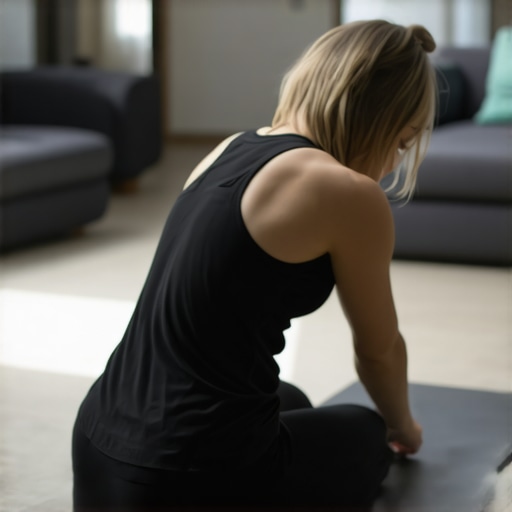
Remember how I mentioned nerve mobility can influence pain? The first step I took was practicing simple nerve glide exercises. These movements gently mobilize the sciatic nerve, reducing irritation. I sat on the floor, straightened my leg, and slowly moved my ankle back and forth, feeling a gentle stretch along my hamstring and lower back. This simple motion helped me decrease the stabbing sensation and improved my mobility over time.
Master the Art of the Hip Hinge
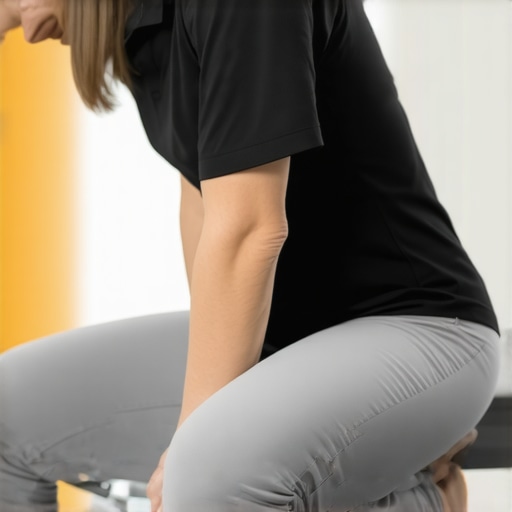
Think of your hips as a hinge on a door—proper movement here prevents strain on your lower back. I started incorporating hip hinge drills, like bending at the hips while keeping my spine straight—as if closing a pair of curtains behind me. This drill significantly reduced pressure on my sacrum and eased my sciatica symptoms. Practice this movement in front of a mirror initially to ensure correct form, and gradually integrate it into your daily routine.
Implement Daily Mobility Rituals
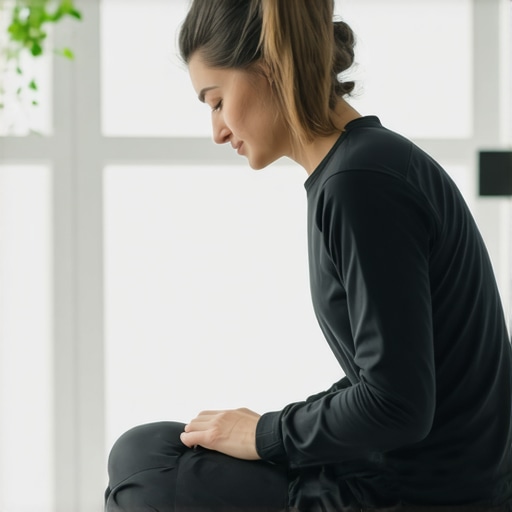
Consistency was key. I committed to daily routines focused on spinal and hip mobility. One move I found particularly effective was the seated pelvic tilt, where I gently rocked my pelvis back and forth in a seated position. This movement helps restore natural spinal curves and alleviates nerve compression. Regularly performing these targeted exercises, as outlined in mobility mastery tips, gradually lessened my pain episodes, making outdoor adventures more enjoyable.
Address Posture and Ergonomics Throughout the Day
Much of my discomfort stemmed from poor posture, especially after long hikes. I started paying attention to how I sat, stood, and moved during daily activities. Think of your spine as a coiled spring—if it’s constantly compressed or bent, pain follows. I switched to ergonomic chairs and kept screens at eye level to reduce neck strain, referencing tips from posture correction strategies. These adjustments helped maintain proper spinal alignment, preventing nerve pinching and reducing inflammation.
Incorporate Restorative Movements
After trying to push through pain, I realized that resting with gentle movement was more effective. I avoided prolonged sitting and instead broke my day with short walks and gentle stretches. The aim was to promote blood flow and decrease inflammation—think of your muscles as sponges that soak up nutrients best when gently squeezed and released. An example I used was the 3-minute gentle cat-cow stretch, which mobilizes the spine and relieves tension. Regular active rest prevented my symptoms from flaring and enhanced recovery.
Stay Consistent with Lifestyle Changes
Implementing these practical steps took time and patience. I kept a journal to track what movements worked best and adjusted accordingly. If you want to deepen your understanding and craft a tailored plan, exploring resources like lifestyle strategies for sciatic relief can be beneficial. Remember, small consistent actions build a foundation for long-term relief and prevent setbacks from re-injury or flare-ups.
,While many believe that simply stretching or taking painkillers will resolve back and neck issues, the reality is far more nuanced. A common misconception is that pain always indicates damage that needs to be isolated or fixed immediately. In reality, ongoing pain often results from faulty movement patterns and poor mobility habits that develop subtly over time. For example, do you know that some exercises thought to be helpful might actually reinforce bad posture if not performed correctly? Studies show that improper movement techniques can reinforce dysfunctional patterns, leading to chronic pain cycles (source: posture and pain connection).
Another overlooked nuance is the danger of treating symptoms without addressing underlying mobility deficits. Many people focus solely on the area of pain, ignoring how restricted movement elsewhere can perpetuate discomfort. For instance, limited hip mobility can increase load on the lower back, exacerbating sciatica or neck pain. Improving overall mobility through targeted exercises can disrupt this cycle, as explained in mobility mastery tips.
One significant trap is the myth that rest is always the best remedy. While resting might seem intuitive, prolonged inactivity causes further stiffness and weakens stabilizing muscles, making pain worse long-term. Instead, incorporating gentle movement, like nerve glides or posture correction, can accelerate recovery and restore function. Be cautious of quick fixes or passive therapies that don’t promote active recovery.
Most importantly, many underestimate the complexity of nerve involvement in pain syndromes. Nerves require specific mobilization rather than generic stretching; otherwise, you risk aggravating inflammation. Techniques like nerve mobilization exercises, as opposed to traditional stretching, have demonstrated superior outcomes in reducing nerve compression and associated symptoms (nerve mobilization research).
Are you guilty of believing simple solutions will fix deep-rooted mobility issues? Recognizing these misconceptions is the first step toward effective, lasting relief. Remember, addressing the nuances—like proper movement habits and nerve health—can make a world of difference in overcoming persistent pain. Want to dive deeper into specific exercises and strategies? Check out this resource. Have you ever fallen into this trap? Let me know in the comments.
Maintaining lifelong back health requires more than just sporadic exercises and quick fixes. It’s about integrating reliable tools and establishing routines that keep your mobility and pain management sustainable over time. One of my favorite investments has been a high-quality foam roller. I use it daily to release tension in my muscles and fascial tissue, helping prevent stiffness that could lead to nerve compression or flare-ups. A foam roller like the TriggerPoint GRID provides targeted pressure and is excellent for self-myofascial release, especially after long days of activity or sitting. I recommend pairing it with a soft massage ball for more localized relief around your hips and lower back, areas critical for nerve health.
In addition to manual tools, embracing technology has dramatically improved my ability to stay on top of my mobility. I rely on a smart posture tracker, like the Lumo Lift, which vibrates gently when I slouch. This real-time feedback discourages poor posture habits that can exacerbate neck and back pain, particularly during extended desk sessions. Regularly monitoring your posture ensures that you’re making adjustments before pain becomes chronic, aligning with insights from posture and pain connection.
Creating a balanced routine involves scheduled mobility sessions, which should include a mix of nerve gliding exercises, hip hinges, and spinal mobilizations. To make this easier, I’ve adopted a digital planner with reminders to perform short mobility drills, such as those outlined in mobility mastery tips. These routines only take a few minutes but accumulate to substantial long-term benefits, reducing inflammation and preventing degeneration.
Looking ahead, I predict that integrating wearable devices capable of real-time biomechanical analysis will become standard in personal health protocols. These smart tools will offer personalized feedback, allowing us to adjust movements dynamically and prevent pain before it develops. As technology evolves, expect more AI-driven systems capable of designing tailored mobility and strength plans, making maintenance both effortless and highly effective.
Question: How Do I Keep Up My Back and Neck Health for Years to Come?
The key lies in consistency and smart maintenance. Incorporate tools like foam rollers and posture trackers into your daily routine, and stay informed about new techniques through reliable resources. For instance, dedicating a few minutes each day to nerve glide exercises or ergonomic adjustments can dramatically improve your quality of life. Don’t forget to periodically revisit your habits—what worked last year might need tweaking now. Regular check-ins with professionals or using apps designed for mobility tracking can help you retain optimal function. If you’re ready to accelerate your progress, I suggest trying advanced nerve mobilization techniques, which have scientific backing for enhancing nerve health and reducing chronic pain (see this article). Remember, maintaining your mobility is an ongoing process, but with the right tools and habits, you’ll set yourself up for a pain-free future.
Less Conventional Wisdom: Lessons Only the Skilled Learner Gains
- I realized that the biggest obstacle was my own stubbornness—clinging to quick fixes when what I needed was consistent movement and mindfulness about posture. That lightbulb moment shifted my entire approach, emphasizing that healing is more about sustainable habits than quick results.
- Understanding that nerve mobility isn’t just about stretching but about specific glide exercises changed my perspective. Once I adopted these techniques, I noticed my pain diminishing even after long days of activity, proving that targeted movement outperforms generic routines.
- One surprising insight was recognizing how small daily habits—like how I sat or moved during routine tasks—accumulated over time, making the difference between persistent discomfort and genuine recovery. It’s a reminder that every little action counts toward long-term health.
My Trusted Arsenal for Lasting Mobility and Pain Relief
- Mobility mastery tips – These simple daily routines helped me regain control over my body’s health, emphasizing that sustainable change is built into small, consistent steps.
- Expert strategies for lasting comfort – Evidence-backed techniques focused on nerve mobilization transformed my approach from reactive to proactive, preventing flare-ups before they started.
- Neck pain solutions – These methods helped me specifically target neck tension linked to stress and posture, offering relief that persists beyond temporary fixes.
- Back mobility exercises – Incorporating these into my daily routine accelerated recovery and kept my back resilient over time.
Your Next Chapter Starts Today—Don’t Wait for the Pain to Dictate Your Moves
Every journey to overcoming back pain, sciatica, or neck discomfort is deeply personal, but the principles remain universal: consistency, awareness, and patience. By integrating targeted exercises, ergonomic mindful habits, and trusted tools, you’re empowering yourself to take control of your mobility. Remember, pain is often a signal—not a sentence. So, take that first step today toward a healthier, more liberated you. If you’re ready to deepen your understanding and find personalized solutions, visit our contact page and start rewriting your story of movement and relief. What small change will you commit to today to improve your back and neck health? Let’s talk below!”}#}#}#}#}#}#}#}#}#}#}#}#}#}#}#}#}#}#}#}#}#}#}#}#}#}#}#}#}#}#}#}#}#}#}#}#}#}#}#}#}#}#}#}#}#}#}#}#}#}#}#}#}#}#}#}#}#}#}#}#}#}#}#}#}#}#}#}#}#}#}#}#}#}#}#}#}#}#}#}#}#}#}#}#}#}#}#}#}#}#}#}#}#}#}#}#}#}#}#}#}#}#}#}#}#}#}#}#}#}#}#}#}#}#}#}#}#}#}#}#}#}#}#}#}#}#}#}#}#}#}#}#}#}#}#}#}#}#}#}#}#}#}#}#}#}#}#}#}#}#}#}#}#}#}#}#}#}#}#}#}#}#}#}#}#}#}#}#}#}#}#}#}#}#}#}#}#}#}#}#}#}#}#}#}#}#}#}#}#}#}#}#}#}#}#}#}#}#}#}#}#}#}#}#}#}#}#}#}#}#}#}#}#}#}#}#}#}#}#}#}#}#}#}#}#}#}#}#}#}#}#}#}#}#}#}#}#}#}#}#}#}#}#}#}#}#}#}#}#}#}#}#}#}#}#}#}#}#}#}#}#}#}#}#}#}#}#}#}#}#}#}#}#}#}#}#}#}#}#}#}#}#}#}#}#}#}#}#}#}#}#}#}#}#}#}#}#}#}#}#}#}#}#}#}#}#}#}#}#}#}#}#}#}#}#}#}#}#}#}#}#}#}#}#}#}#}#}#}#}#}#}#}#}#}#}#}#}#}#}#}#}#}#}#}#}#}#}#}#}#}#}#}#}#}#}#}#}#}#}#}#}#}#}#}#}#}#}#}#}#}#}#}#}#}#}#}#}#}#}#}#}#}#}#}#}#}#}#}#}#}#}#}#}#}#}#}#}#}#}#}#}#}#}#}#}#}#}#}#}#}#}#}#}#}#}#}#}#}#}#}#}#}#}#}#}#}#}#}#}#}#}#}#}#}#}#}#}#}#}#}#}#}#}#}#}#}#}#}#}#}#}#}#}#}#}#}#}#}#}#}#}#}#}#}#}#}#}#}#}#}#}#}#}#}#}#}#}#}#}#}#}#}#}#}#}#}#}#}#}#}#}#}#}#}#}#}#}#}#}#}#}#}#}#}#}#}#}#}#}#}#}#}#}#}#}#}#}#}#}#}#}#}#}#}#}#}#}#}#}#}#}#}#}#}#}#}#}#}#}#}#}#}#}#}#}#}#}#}#}#}#}#}#}#}#}#}#}#}#}#}#}#}#}#}#}#}#}#}#}#}#}#}#}#}#}#}#}#}#}#}#}#}#}#}#}#}#}#}#}#}#}#}#}#}#}#}#}#}#}#}#}#}#}#}#}#}#}#}#}#}#}#}#}#}#}#}#}#}#}#}#}#}#}#}#}#}#}#}#}#}#}#}#}#}#}#}#}#}#}#}#}#}#}#}#}#}#}#}#}#}#}#}#}#}#}#}#}#}#}#}#}#}#}#}#}#}#}#}#}#}#}#}#}#}#}#}#}#}#}#}#}#}#}#}#}#}#}#}#}#}#}#}#}#}#}#}#}#}#}#}#}#}#}#}#}#}#}#}#}#}#}#}#}#}#}#}#}#}#}#}#}#}#}#}#}#}#}#}#}#}#}#}#}#}#}#}#}#}#}#}#}#}#}#}#}#}#}#}#}#}#}#}#}#}#}#}#}#}#}#}#}#}#}#}#}#}#}#}#}#}#}#}#}#}#}#}#}#}#}#}#}#}#}#}#}#}#}#}#}#}#}#}#}#}#}#}#}#}#}#}#}#}#}#}#}#}#}#}#}#}#}#}#}#}#}#}#}#}#}#}#}#}#}#}#}#}#}#}#}#}#}#}#}#}#}#}#}#}#}#}#}#}#}#}#}#}#}#}#}#}#}#}#}#}#}#}#}#}#}#}#}#}#}#}#}#}#}#}#}#}#}#}#}#}#}#}#}#}#}#}#}#}#}#}#}#}#}#}#}#}#}#}#}#}#}#}#}#}#}#}#}#}#}#}#}#}#}#}#}#}#}#}#}#}#}#}#}#}#}#}#}#}#}#}#}#}#}#}#}#}#}#}#}#}#}#}#}#}#}#}#}#}#}#}#}#}#}#}#}#}#}#}#}#}#}#}#}#}#}#}#}#}#}#}#}#}#}#}#}#}#}#}#}#}#}#}#}#}#}#}#}#}#}#}#}#}#}#}#}#}#}#}#}#}#}#}#}#}#}#}#}#}#}#}#}#}#}#}#}#}#}#}#}#}#}#}#}#}#}#}#}#}#}#}#}#}#}#}#}#}#}#}#}#}#}#}#}#}#}#}#}#}#}#}#}#}#}#}#}#}#}#}#}#}#}#}#}#}#}#}#}#}#}#}#}#}#}#}#}#}#}#}#}#}#}#}#}#}#}#}#}#}#}#}#}#}#}#}#}#}#}#}#}#}#}#}#}#}#}#}#}#}#}#}#}#}#}#}#}#}#}#}#}#}#}#}#}#}#}#}#}#}#}#}#}#}#}#}#}#}#}#}#}#}#}#}#}#}#}#}#}#}#}#}#}#}#}#}#}#}#}#}#}#}#}#}#}#}#}#}#}#}#}#}#}#}#}#}#}#}#}#}#}#}#}#}#}#}#}#}#}#}#}#}#}#}#}#}#}#}#}#}#}#}#}#}#}#}#}#}#}#}#}#}#}#}#}#}#}#}#}#}#}#}#}#}#}#}#}#}#}#}#}#}#}#}#}#}#}#}#}#}#}#}#}#}#}#}#}#}#}#}#}#}#}#}#}#}#}#}#}#}#}#}#}#}#}#}#}#}#}#}#}#}#}#}#}#}#}#}#}#}#}#}#}#}#}#}#}#}#}#}#}#}#}#}#}#}#}#}#}#}#}#}#}#}#}#}#}#}#}#}#}#}#}#}#}#}#}#}#}#}#}#}#}#}#}#}#}#}#}#}#}#}#}#}#}#}#}#}#}#}#}#}#}#}#}#}#}#}#}#}#}#}#}#}#}#}#}#}#}#}#}#}#}#}#}#}#}#}#}#}#}#}#}#}#}#}#}#}#}#}#}#}#}#}#}#}#}#}#}#}#}#}#}#}#}#}#}#}#}#}#}#}#}#}#}#}#}#}#}#}#}#}#}#}#}#}#}#}#}#}#}#}#}#}#}#}#}#}#}#}#}#}#}#}#}#}#}#}#}#}#}#}#}#}#}#}#}#}#}#}#}#}#}#}#}#}#}#}#}#}#}#}#}#}#}#}#}#}#}#}#}#}#}#}#}#}#}#}#}#}#}#}#}#}#}#}#}#}#}#}#}#}#}#}#}#}#}#}#}#}#}#}#}#}#}#}#}#}#}#}#}#}#}#}#}#}#}#}#}#}#}#}#}#}#}#}#}#}#}#}#}#}#}#}#}#}#}#}#}#}#}#}#}#}#}#}#}#}#}#}#}#}#}#}#}#}#}#}#}#}#}#}#}#}#}#}#}#}#}#}#}#}#}#}#}#}#}#}#}#}#}#}#}#}#}#}#}#}#}#}#}#}#}#}#}#}#}#}#}#}#}#}#}#}#}#}#}#}#}#}#}#}#}#}#}#}#}#}#}#}#}#}#}#}#}#}#}#}#}#}#}#}#}#}#}#}#}#}#}#}#}#}#}#}#}#}#}#}#}#}#}#}#}#}#}#}#}#}#}#}#}#}#}#}#}#}#}#}#}#}#}#}#}#}#}#}#}#}#}#}#}#}#}#}#}#}#}#}#}#}#}#}#}#}#}#}#}#}#}#}#}#}#}#}#}#}#}#}#}#}#}#}#}#}#}#}#}#}#}#}#}#}#}#}#}#}#}#}#}#}#}#}#}#}#}#}#}#}#}#}#}#}#}#}#}#}#}#}#}#}#}#}#}#}#}#}#}#}#}#}#}#}#}#}#}#}#}#}#}#}#}#}#}#}#}#}#}#}#}#}#}#}#}#}#}#}#}#}#}#}#}#}#}#}#}#}#}#}#}#}#}#}#}#}#}#}#}#}#}#}#}#}#}#}#}#}#}#}#}#}#}#}#}#}#}#}#}#}#}#}#}#}#}#}#}#}#}#}#}#}#}#}#}#}#}#}#}#}#}#}#}#}#}#}#}#}#}#}#}#}#}#}#}#}#}#}#}#}#}#}#}#}#}#}#}#}#}#}#}#}#}#}#}#}#}#}#}#}#}#}#}#}#}#}#}#}#}#}#}#}#}#}#}#}#}#}#}#}#}#}#}#}#}#}#}#}#}#}#}#}#}#}#}#}#}#}#}#}#}#}#}#}#}#}#}#}#}#}#}#}#}#}#}#}#}#}#}#}#}#}#}#}#}#}#}#}#}#}#}#}#}#}#}#}#}#}#}#}#}#}#}#}#}#}#}#}#}#}#}#}#}#}#}#}#}#}#}#}#}#}#}#}#}#}#}#}#}#}#}#}#}#}#}#}#}#}#}#}#}#}#}#}#}#}#}#}#}#}#}#}#}#}#}#}#}#}#}#}#}#}#}#}#}#}#}#}#}#}#}#}#}#}#}#}#}#}#}#}#}#}#}#}#}#}#}#}#}#}#}#}#}#}#}#}#}#}#}#}#}#}#}#}#}#}#}#}#}#}#}#}#}#}#}#}#}#}#}#}#}#}#}#}#}#}#}#}#}#}#}#}#}#}#}#}#}#}#}#}#}#}#}#}#}#}#}#}#}#}#}#}#}#}#}#}#}#}#}#}#}#}#}#}#}#}#}#}#}#}#}#}#}#}#}#}#}#}#}#}#}#}#}#}#}#}#}#}#}#}#}#}#}#}#}#}#}#}#}#}#}#}#}#}#}#}#}#}#}#}#}#}#}#}#}#}#}#}#}#}#}#}#}#}#}#}#}#}#}#}#}#}#}#}#}#}#}#}#}#}#}#}#}#}#}#}#}#}#}#}#}#}#}#}#}#}#}#}#}#}#}#}#}#}#}#}#}#}#}#}#}#}#}#}#}#}#}#}#}#}#}#}#}#}#}#}#}#}#}#}#}#}#}#}#}#}#}#}#}#}#}#}#}#}#}#}#}#}#}#}#}#}#}#}#}#}#}#}#}#}#}#}#}#}#}#}#}#}#}#}#}#}#}#}#}#}#}#}#}#}#}#}#}#}#}#}#}#}#}#}#}#}#}#}#}#}#}#}#}#}#}#}#}#}#}#}#}#}#}#}#}#}#}#}#}#}#}#}#}#}#}#}#}#}#}#}#}#}#}#}#}#}#}#}#}#}#}#}#}#}#}#}#}#}#}#}#}#}#}#}#}#}#}#}#}#}#}#}#}#}#}#}#}#}#}#}#}#}#}#}#}#}#}#}#}#}#}#}#}#}#}#}#}#}#}#}#}#}#}#}#}#}#}#}#}#}#}#}#}#}#}#}#}#}#}#}#}#}#}#}#}#}#}#}#}#}#}#}#}#}#}#}#}#}#}#}#}#}#}#}#}#}#}#}#}#}#}#}#}#}#}#}#}#}#}#}#}#}#}#}#}#}#}#}#}#}#}#}#}#}#}#}#}#}#}#}#}#}#}#}#}#}#}#}#}#}#}#}#}#}#}#}#}#}#}#}#}#}#}#}#}#}#}#}#}#}#}#}#}#}#}#}#}#}