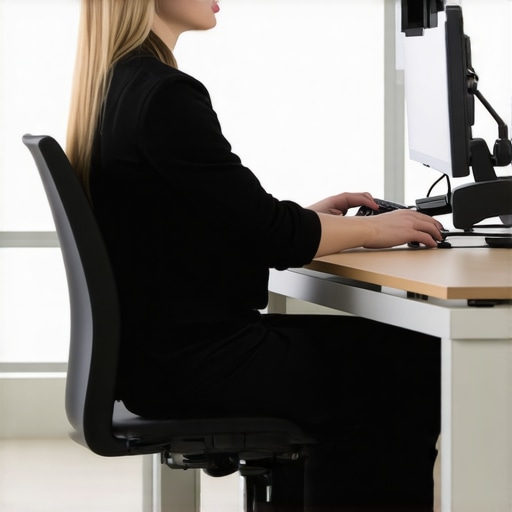
It was late at night, and I was deeply immersed in my favorite virtual game. My haptic vest was fully engaged, responding to every move with intense vibration feedback. But suddenly, a sharp dull ache shot through my neck and shoulders. I realized I had been sitting in the same awkward position for too long, tense and hunched over, trying to feel every sensation. That moment was a clear lightbulb for me—if I didn’t get ahead of this new gadget, it could become a threat to my health.
Why Your 2026 Haptic Game-Vest Could Be a Hidden Enemy to Your Posture
Since I started experimenting with these advanced haptic feedback devices, I’ve noticed a pattern. The more I relied on them, the more my neck and back suffered. Scientific studies show that prolonged poor posture can lead to chronic pain, reduced mobility, and even nerve compression. An alarming study states that incorrect posture not only hurts your body but can impair your cognitive function too. That’s why I decided to take immediate action.
But here’s the thing—I made a costly mistake early on. I thought I could just ignore the discomfort, thinking it would pass. Instead, ignoring warning signs only made things worse. So, if you’ve faced these nagging pains, keep reading. I want to show you how to enjoy cutting-edge tech without sacrificing your spine’s health.
Is Your New Haptic Device Actually Making Things Worse?
Let’s be honest—when I first got my haptic vest, I didn’t bother with proper setup or movement breaks. I was tempted to push through, believing “it’s just a gadget, it shouldn’t hurt me.” But that was a big mistake. Devices, no matter how innovative, shouldn’t cause pain. If you’re unsure whether your gear is harming you, you’re not alone. Many gamers and tech enthusiasts underestimate how crucial posture awareness is. Staying in the wrong position, especially for extended periods, amplifies strain.
So, are you noticing any neck stiffness, shoulder tension, or back aches after intense gaming sessions with your vest? If yes, you’re not alone. The good news is, with a few simple adjustments and habits, you can preserve your health while still enjoying the latest in gaming technology.
Ready to learn how to keep your posture healthy without turning your gaming setup into a health hazard? Let’s dive into practical strategies that make a real difference.
–>
Adjust Your Workspace for Better Posture
Begin by evaluating your immediate environment. Use ergonomic chairs that support your lower back, and ensure your monitor or VR device is at eye level to prevent neck strain. I once spent a day rearranging my setup, raising my screen with books. Within hours, I felt less tension in my neck and shoulders. This simple fix prevents the habit of craning your neck, which can cause long-term issues.
Optimize Your Sitting Habits
Stay aware of your sitting posture. Sit back fully in your chair, shoulders relaxed, feet flat on the ground. Avoid slouching or crossing your legs—these positions increase pressure on your sciatic nerve and compromise spinal alignment. When I caught myself slouching during a gaming marathon, I paused to straighten up, which instantly eased discomfort. Implement reminders or posture-crompting apps to keep consistent awareness.
Incorporate Movement and Micro-Exercises
Regular movement breaks are vital. Every 20 minutes, stand up, stretch gently, and perform specific mobility drills. For instance, the chin tuck exercise—tucking your chin slightly inward—reduces cervical strain. I integrated this into my routine during long gaming sessions; it reestablished neck mobility and reduced stiffness. These small movements are potent in preventing nerve compression and maintaining circulation.
Practice Targeted Mobility Drills
Apply exercises like lateral neck stretches or shoulder rolls to loosen tight muscles. To target tightness effectively, dedicate five minutes daily to these drills. When I experienced persistent shoulder tension, I noticed that incorporating shoulder blade squeezes not only alleviated pain but also improved posture. Consistency is key to unlocking long-term relief and better spinal health.
Strengthen Core and Back Muscles
A strong core supports spinal alignment, reducing undue pressure on your neck and back. Focus on exercises like dead bugs, planks, or bird dogs. I once neglected core work, and my sciatica worsened after a prolonged gaming session. Introducing simple core routines dramatically improved my posture and decreased nerve impingement symptoms. Incorporate these gradually to avoid strain and maximize benefits.
Maintain Proper Lifting and Movement Mechanics
When lifting objects, bend at the hips and knees rather than the waist, keeping the back straight. This reduces the risk of strain or injury that can aggravate back pain. I caught myself bending incorrectly during a delivery task, which caused sharp pain. Adjusting my technique instantly improved the situation. Use gentle movements, avoid twisting under load, and engage your core to protect your spine.
Implement Stress-Relief and Posture Checks
Chronic stress can tense muscles, worsening pain. Incorporate breathing exercises or short meditation sessions to relax the shoulders and neck. Periodic posture checks—perhaps every hour—can remind you to sit upright. I found that mindful breathing before long sessions kept muscle tension at bay. By integrating these habits, you reinforce healthy posture and reduce pain recurrence.
For additional strategies, consider visiting our comprehensive guides on breaking the pain cycle and mobility mastery tips. Consistent application of these core techniques will help you regain movement, prevent chronic pain, and maintain a healthy spine amid technological advancements.
Many people believe that neck pain, mobility issues, sciatic discomfort, and back pain are straightforward problems with simple solutions. However, this oversimplification often leads to misconceptions and ineffective treatments. A common myth is that stretching alone can resolve these issues. While stretching is beneficial, relying solely on it can overlook underlying causes such as muscle imbalances or poor posture habits. For instance, focusing only on flexibility without strengthening supporting muscles might temporarily relieve tension but won’t address the root factors, potentially leading to recurring pain.
Another trap many fall into is the idea that pain localization indicates the problem’s origin. For example, experiencing neck pain doesn’t necessarily mean the neck is the source; sometimes, shoulder or upper back issues might be the real culprits. Neural pathways are complex, and pain can radiate from different areas, masking the true cause. This misconception can delay proper diagnosis and prolong discomfort. To dig deeper into the interconnectedness, consider exploring how poor posture throughout the day or during specific activities contributes to chronic issues, as detailed in our posture and back pain guide.
Are You Overlooking the Subtle Signs of Lasting Damage?
Many individuals underestimate the importance of nuanced symptoms. Mild tingling, intermittent numbness, or subtle changes in movement often get dismissed as normal fatigue. However, these can be early indicators of nerve compression or inflammation that, if ignored, may worsen into persistent sciatica or advanced degeneration. Experts emphasize the significance of paying attention to these warning signs and seeking targeted interventions early on, as supported by recent research in pain management. For deep insight into this, see our article on hidden signs of sciatica complications.
Furthermore, many people fall into the ‘more is better’ mindset, believing that aggressive stretching or over-exercising can accelerate recovery. In reality, this can exacerbate tissue irritation or cause new injuries. Instead, adopting an integrated approach that combines mobility, strength, and proper ergonomics yields better, sustainable results. To avoid these pitfalls, review our proven techniques for neck mobility and learn how to tailor your regimen effectively.
Understanding these hidden nuances and debunking common myths is essential for anyone serious about health longevity. Dive into expert strategies, stay vigilant to subtle signs, and customize your approach for lasting relief. Have you ever fallen into this trap? Let me know in the comments.
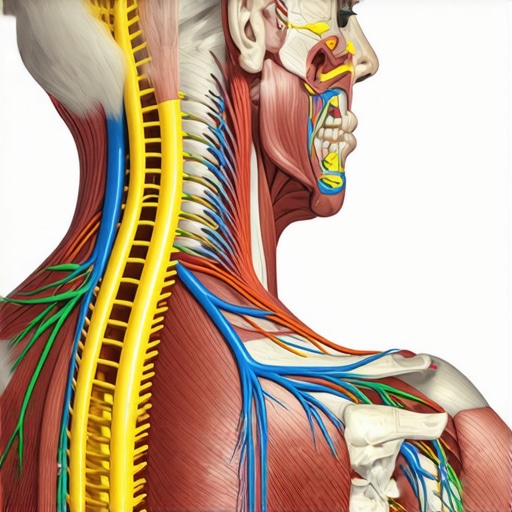
Maintaining long-term neck, back, and mobility health requires more than just awareness; it demands precision tools and tailored routines that fit into our increasingly tech-centric lifestyles. From ergonomic equipment to mobility devices, I personally choose tools that combine evidence-based benefits with ease of use, ensuring sustainable results. In this section, I’ll share the exact gear and methods I rely on daily.
Ergonomic Chairs Designed for Effective Support
My daily routine starts with a high-quality ergonomic chair, like the Herman Miller Aeron. I prefer this model because it offers adjustable lumbar support, breathable mesh for temperature regulation, and a seat depth that accommodates my leg length. Proper support prevents undue pressure on the sciatic nerve and encourages correct spinal alignment. Over time, this has significantly reduced my back pain and improved posture compliance during long work or gaming sessions. Choosing an ergonomic chair tailored to your body is essential; otherwise, the best mobility routines can be undermined by poor seating habits.
Mobility Tools That Amplify Flexibility
I incorporate foam rollers, particularly the TriggerPoint GRID Foam Roller, into my daily routine. This tool effectively breaks down myofascial adhesions post-exercise and helps me maintain healthy tissue pliability. I focus especially on the thoracic region and lumbar area, which are prone to stiffness from prolonged sitting or tech use. Regular foam rolling enhances circulation, eases nerve impingement, and prepares muscles for functional movements. For targeted relief, I also include simple mobility exercises using this device, which I find indispensable for long-term results.
Smart Devices For Posture and Movement Monitoring
To keep myself accountable, I use a UBiLIZE Posture Corrector coupled with a smartphone app that tracks my posture compliance. These devices vibrate gently when I slouch or tilt forward, providing immediate feedback and helping me develop ingrained healthy habits. Over time, this proactive approach has prevented the development of chronic issues, especially during periods of intensive desk work or gaming. As tech evolves, I predict a future where AI-powered sensors will offer even more precise, personalized ergonomics guidance, integrating seamlessly into our daily routines.
How do I maintain these tools over time?
Regular maintenance is crucial. I clean my foam roller with mild soap monthly to prevent bacteria buildup. My ergonomic chair’s adjustments are checked weekly to ensure continued support. I also update the posture app to the latest version, which often includes improved feedback algorithms. Staying proactive with these maintenance routines ensures my tools remain effective and durable. If you’re interested in more detailed routines, reviews, or updates, check our ongoing privacy policy for insights into data privacy with health tech. Moreover, combining these tools with practices I’ve highlighted earlier, like micro-movements and strength training, optimizes long-term health and mobility.
The future of mobility and posture support looks promising.
Advances in wearable tech, AI, and ergonomic design will make personalized, adaptive support more accessible. Expect seamless integrations that monitor your posture 24/7, suggesting adjustments in real-time and even alerting you to early signs of musculoskeletal strain. For now, the combination of ergonomic furniture, mobility tools, and smart posture monitors is the most effective approach. I recommend trying the use of a posture correction device alongside regular mobility drills—such as our recommended back mobility exercises. This combo has been transformative for me in maintaining a pain-free, mobile life and can be for you too.
3 Hidden Truths That Changed My Approach to Back and Neck Health
One of the most profound lessons I learned was that persistent pain often has subtle roots we overlook. For instance, I used to dismiss minor tingling or nagging stiffness as temporary; only later did I realize these were early signals of nerve compression. Recognizing these signs early, with help from expert guidance like our posture and back pain guide, allowed me to intervene before chronic issues set in. Additionally, I discovered that mobility routines alone aren’t enough—they need to be paired with ergonomic habits and strength training to be truly effective. Lastly, understanding that my environment tech setup could be sabotaging my posture was a game-changer—simple adjustments like proper chair support and monitor height made a world of difference.
Tools That Became My Allies for Lasting Relief
Over time, I relied on a few tried-and-true resources that genuinely support neck, back, and sciatic health. My ergonomic chair of choice, the Herman Miller Aeron, provides critical lumbar support and encourages proper alignment, which I trust to sustain my posture through long days. Foam rolling with the TriggerPoint GRID Foam Roller has been invaluable for releasing muscle tightness, especially after those extended gaming or work sessions. To keep myself accountable, I use the UBiLIZE Posture Corrector coupled with posture-tracking apps that gently remind me to sit upright—that proactive approach has prevented countless discomfort episodes. These tools—among others detailed on our site—have become integral parts of my wellness routine, helping me stay aligned and pain-free.
Keep Moving, Keep Healing: My Daily Non-Negotiables
Consistent movement is the cornerstone of my posture health. I make it a ritual to stand, stretch, and perform simple mobility drills every 20 minutes—this not only prevents stiffness but also re-engages my muscles in supporting my spine. Targeted exercises like neck lateral stretches or shoulder blade squeezes have become my go-to for relieving tension. Moreover, I dedicate time to core strengthening routines such as planks and bird dogs to support my back from within. Small lifestyle tweaks, like lifting objects with proper mechanics—bending at the hips and maintaining a neutral spine—have dramatically minimized injury risks. Combining these habits with stress-relief practices, such as mindful breathing, reinforces my posture’s resilience and keeps pain at bay.
Insider Wisdom from My Journey That Could Save You Years of Struggle
- Ignoring early warning signs—those subtle tingles or discomforts aren’t normal and often signal deeper issues. Address them promptly.
- Over-reliance on stretching alone—without strengthening supporting muscles or improving ergonomics, relief is short-lived.
- Poor environment choices—ergonomic setup and regularly updated workspace tools are game-changers.
- Neglecting micro-movements—integrate quick mobility routines into your daily rhythm to prevent chronic pain.
- Myth-busting—pain localization doesn’t always reveal the root cause. Listen to your body’s signals and seek targeted solutions.
Navigate Your Path with Confidence
If you’re ready to take control of your neck pain, sciatic discomfort, or back issues, start small but act consistently. Implement ergonomic adjustments, incorporate micro-movements, and leverage tools that support your journey. Remember, lasting health isn’t about quick fixes but creating habits that align with your tech-heavy lifestyle. For more insights and personalized strategies, explore our comprehensive resources and stay proactive on your wellness path. Your future self will thank you for the care you invest today.
What small change will you try first to improve your posture or reduce pain? Share your thoughts below—I’d love to hear your experience!
![Fix Forward Head Posture with This 2-Minute Daily Habit [2026]](https://bodyrenewtherapy.com/wp-content/uploads/2026/01/Fix-Forward-Head-Posture-with-This-2-Minute-Daily-Habit-2026.jpeg)