
How a tennis ball can relieve deep glute and sciatic pain
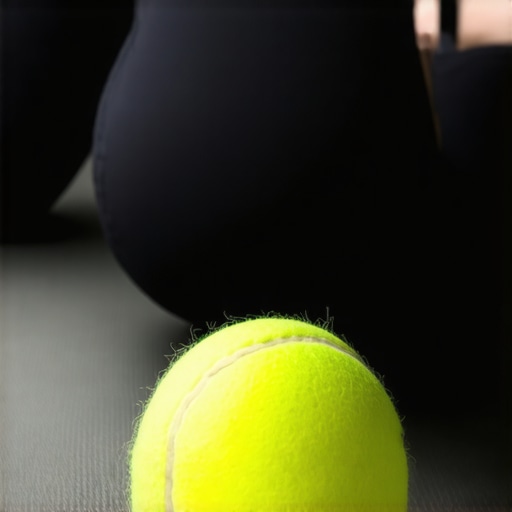
I’ll never forget the rainy Tuesday when I couldn’t even reach the coffee pot without clutching my hip and groaning like an old, rusted floorboard. I’d spent months convinced I was a candidate for surgery, terrified that my spine was failing me. I even went through a phase where I bought every “ergonomic” cushion on the market, but your favorite recliner might actually be causing your sciatica flares more than helping them. My biggest mistake was assuming that more support meant less pain. The reality was that my muscles were locked in a defensive spasm, strangling my nerves. The promise I’m making you today is simple: you can reclaim your mobility with something that costs less than a cup of coffee. We are going to bypass the expensive gadgets and get straight to the trigger point release that actually works.
Your glutes are acting like a vice on your nerves
When we sit for hours, our glutes basically go on strike. They stop firing correctly and start tightening up to “protect” our spine, but it’s a total backfire. This tightness puts direct pressure on the sciatic nerve, creating that familiar, burning agony. I used to think I just had tight hamstrings, but the hidden reason your hamstrings always feel tight is often because your pelvis is out of alignment from glute tension. Once I started using the tennis ball method, the “lightning” finally stopped. Have you ever felt that sharp, electric pinch while just trying to get out of your car? That’s your body begging for a release. It’s not just about the pain; it’s about getting your life back. Learning to tell if your sciatica is a disc or muscle issue was the turning point for me, as it changed how I approached my daily movement.
Is this little yellow ball actually worth the hype?
I was a total skeptic. I thought, “How can a dog toy do what a professional therapist can’t?” But the science backs it up. A study in the Journal of Bodywork and Movement Therapies suggests that focused ischemic pressure on trigger points can significantly lower pain intensity by improving blood flow to oxygen-starved tissue. My biggest fail early on was trying to “stretch” the pain away, but stretching your hamstrings often makes your sciatica worse because it pulls on an already irritated nerve. Using a tennis ball provides the perfect amount of “give” to encourage the muscle to relax. If you’re tired of the “zingers” every time you stand up, using a tennis ball to fix deep glute tension is the most practical home remedy I’ve ever found. We are going to stop guessing and start targeting the exact spots that are keeping you stiff. This isn’t just a temporary fix; it’s about conquering sciatica through proven approaches that you can do in your living room.
Pinpoint the exact knot that is choking your nerve
The goal here isn’t to massage your entire hip; it is to find the specific bully muscle and force it to let go. Think of your piriformis muscle like a kinked garden hose. If the hose is crimped, you can turn the faucet up as high as you want, but you won’t get a drop of water at the other end. You have to find the exact spot where the hose is folded and apply pressure to straighten it out. When I first started, I would just roll around aimlessly, hoping for a miracle. It wasn’t until I treated it like a surgical strike that the results changed. Using a tennis ball allows you to hit the L5-S1 transition zone with precision that a foam roller simply cannot match.
Pick a surface that doesn’t fight back
Don’t make my early mistake. I remember the first time I tried this; I laid right down on the hardwood floor in the hallway. It felt like I was trying to press a marble into a concrete slab. Within ten seconds, my body went into a full defensive spasm because the surface was too unforgiving. Move to a rug, a yoga mat, or even your bed if you’re in a high level of acute pain. You want a surface with a tiny bit of give so your muscles don’t go into a total lockdown. Knowing swift relief for sciatica quick home remedies that work often starts with simply controlling your environment before you begin the work.
Locate the hot spot without overdoing it
Sit on the floor with your knees bent and feet flat. Lean back on your hands and slide the tennis ball under the side of your glutes where the pain is radiating. You are looking for a spot that feels tender—that classic good hurt. Once you find it, stop. Do not roll back and forth like you are rolling out pizza dough. That’s a common error that just irritates the nerve further. Instead, let your body weight sink into the ball. I have found that how to use a tennis ball to relieve glute tension is most effective when you remain completely still for 30 to 60 seconds. 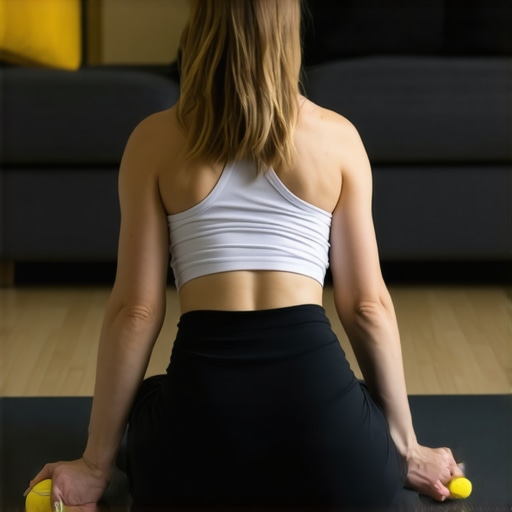
Apply the sink and breathe technique
As you sit on that spot, your brain is going to scream at you to hold your breath and tighten your jaw. This is your nervous system trying to protect you, but it’s actually blocking the healing. Take deep belly breaths and imagine the muscle fibers literally melting over the ball. This is one of those back pain breakthroughs navigating your path to restored mobility that feels too simple to be true until you feel that sudden whoosh of warmth as blood flow returns to the area. If the floor is too intense, you can perform this same move standing against a wall to better control how much weight you drop into the ball.
Shift into a gentle nerve glide
Once the muscle starts to soften, you need to remind the sciatic nerve that it is safe to move through the tunnel again. While keeping light pressure on the ball, slowly straighten and then bend your leg. This is essentially the nerve glide exercise that calms burning leg pain in action. You aren’t stretching the nerve; you’re flossing it through the now-relaxed tissue. I remember the first time I did this successfully—I stood up and realized I didn’t have to unfold myself for ten seconds before walking across the room. Integrating this with the 30 second stretch that relieves pressure on your sciatic nerve can turn a day of agony into a day of movement.Most ‘back pain experts’ will tell you that the secret to a pain-free life is a rock-solid core. They’ll have you doing planks and crunches until you’re blue in the face, but here is the truth: your core strength won’t fix your back if your hips are locked. I’ve seen people with ‘six-pack abs’ who can’t bend over to pick up a pencil because their pelvis is stuck in a permanent tilt. In my experience, focusing solely on the ‘abs’ often leads to a phenomenon called abdominal bracing, where you’re so stiff that you actually increase the pressure on your discs. 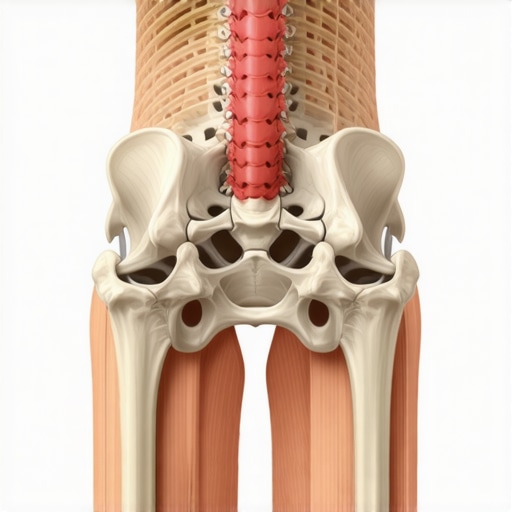
Your six-pack won’t save a locked-up pelvis
This is a nuance often missed in beginner fitness classes. You think you’re protecting your spine, but you might be crushing it. A study published in the Journal of Biomechanics suggests that excessive muscle co-contraction actually increases spinal compression, meaning your ‘protective’ bracing is doing more harm than good. I fell into this trap myself, thinking more tension equaled more stability. Instead, I needed to learn mobility mastery daily tips to keep your spine and joints healthy that focus on relaxation and movement variability rather than just raw power.
Why does my back still ache after I’ve spent thousands on ergonomic chairs?
It’s because the best chair in the world can’t compensate for a body that has forgotten how to move. I used to think my office setup was the villain, but why your perfect sitting posture is making you stiffer is one of the most eye-opening things I ever discovered. Constant ‘perfect’ posture is just another form of static load. Your spine craves movement, not a fixed position. Have you ever fallen into this trap of buying gear instead of fixing your mechanics? Let me know in the comments.
The ‘perfect posture’ trap is making you stiffer
Another common ‘oops’ factor is the tendency to stretch the area that hurts. If your back is screaming, you probably want to pull your knees to your chest. However, you should stop pulling your knees to your chest for back relief if you have a disc issue, as this can actually push the disc material further against the nerve. Professional insights from unlocking mobility expert tips on managing back pain in 2025 emphasize that relief often comes from the ground up. For instance, the connection between flat feet and recurrent lower back pain shows that your foundation matters more than your lumbar support. If you aren’t addressing the mechanical chain from your toes to your neck, you’re just putting a band-aid on a structural leak.
The biggest mistake I made for years was treating my recovery like a destination rather than a lifestyle. I’d feel a little bit better, toss my tennis ball in the junk drawer, and go right back to sitting for eight hours straight. Predictably, the pain would roar back within a month. Real progress happens when you realize that maintenance care is better than waiting for a spinal crisis. You wouldn’t drive your car 50,000 miles without an oil change, yet we expect our spines to handle decades of load without a single tune-up. I now treat my mobility like a daily hygiene ritual, much like brushing my teeth, because the alternative is a return to that terrifying ‘floorboard’ state I mentioned earlier.
The gear I actually pack in my suitcase
When I travel, I don’t leave my health to the mercy of hotel mattresses and airport seating. I have a very specific toolkit that keeps me from flaring up. First, I upgraded from a tennis ball to a lacrosse ball for my glutes; it’s firmer and doesn’t compress as much, which is vital once your muscles are no longer in an acute spasm. I also never travel without a D-shaped lumbar roll. I’ve found that using a lumbar roll prevents mid-day back fatigue, especially during those long hauls in a cramped car or plane. If you don’t have one, using a towel roll to support your neck or lower back is a fantastic, free alternative that I still use every night while watching TV.

How do I maintain my mobility gains for the long haul?
Consistency beats intensity every single time. You don’t need a two-hour gym session; you need five minutes of ‘spinal hygiene.’ I follow the principles laid out by Dr. Stuart McGill, a world-renowned spine biomechanics expert, who emphasizes the ‘Big 3’ exercises for core stability without the destructive crushing force of traditional sit-ups. I also integrate mobility mastery daily tips to keep your spine and joints healthy into my morning routine. This includes a quick hip reset and a few nerve glides before I even reach for my first cup of coffee. I predict that in the next few years, we are going to see a massive shift toward wearable haptic technology that alerts us when we’ve been static for too long, essentially automating the ‘movement breaks’ I had to learn the hard way.
Scaling your results means moving beyond just ‘not hurting.’ It means building a body that can handle life’s surprises. I’ve learned that simple exercises that make a difference aren’t about getting a six-pack; they are about teaching your hips and spine to work as a team. If you’re ready to stop the cycle of ‘fix and flare,’ I highly recommend you start by swapping your soft couch for a firm chair today. It’s a small tweak, but as I’ve learned, your environment dictates your recovery. Take that lacrosse ball, find that one tight spot in your glute, and commit to holding it for sixty seconds right now—your future self will thank you for the relief.
The Hardest Lesson I Learned About Chasing the Symptom
For years, I was my own worst enemy because I only focused on where the fire was burning rather than who was holding the match. I finally realized that the pain in my leg was just a messenger. If I only treated the leg, I was essentially shooting the messenger and wondering why the news didn’t get better. One of the most important sciatica relief secrets I ever learned was that you have to look away from the site of the pain to find the actual mechanical cause. Another lightbulb moment was discovering that frequency matters more than intensity; five minutes of daily release is infinitely better than an hour-long session once a week that leaves you bruised and sore. Lastly, I had to accept that sometimes your back pain is a sign of something more serious, and learning to listen to those subtle signals saved me from years of additional damage.
My Essential Kit for Long-Term Spine Health
I don’t leave my mobility to chance anymore. My toolkit is simple but effective, and it’s what keeps me active even when I’m traveling. I highly recommend graduating to a high-density lacrosse ball once the tennis ball starts feeling too soft; its firmness allows for a deeper release of the piriformis. I also swear by a D-shaped lumbar roll for any chair I sit in for more than twenty minutes. For those who struggle with morning stiffness, finding expert strategies for lasting comfort often starts with your sleeping environment. I also suggest checking out the works of Dr. Stuart McGill; his exercises are the gold standard for stabilizing the spine without the fluff. If you’re a side sleeper, remember that the side sleeping fix for hip issues can also take massive pressure off your sciatic nerve overnight.
Your Body Is Ready to Heal if You Let It
The journey from feeling like a rusted floorboard to moving with fluid ease isn’t a straight line, but it is entirely possible. You don’t need a medical degree or a thousand-dollar machine to start feeling better today. You just need a little yellow ball, a bit of floor space, and the patience to breathe through the tension. By focusing on conquering sciatica through proven approaches, you’re not just masking a symptom; you’re rebuilding your physical foundation from the ground up. Don’t let another day go by where you feel trapped in your own skin. Have you ever noticed a specific activity that triggers your glute tension the most? Let me know in the comments below!