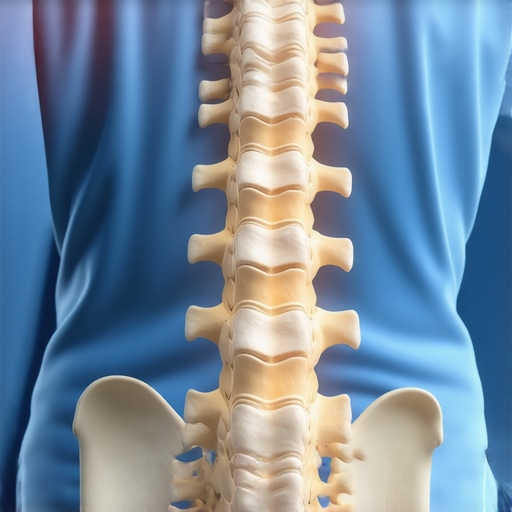
![Is Your 2026 Haptic Desk Chair Flaring Your Sciatica? [3 Fixes]](https://bodyrenewtherapy.com/wp-content/uploads/2026/03/Is-Your-2026-Haptic-Desk-Chair-Flaring-Your-Sciatica-3-Fixes.jpeg)
Ever found yourself hunched over your desk, wincing as a sharp nerve pinches down your leg? One minute I was powering through my work, and the next, I couldn’t even stand up straight without feeling that unsettling jolt of pain. It hit me like a lightning bolt—my fancy new 2026 haptic desk chair, which promised a revolution in comfort, might actually be the culprit behind my worsening sciatica. That lightbulb moment made me realize I was overlooking a common but sneaky mistake that many folks, maybe even you, are making with your ergonomic setups.
Why Your High-Tech Chair Might Be Flaring Your Sciatica
Instead of easing your pain, your latest chair could be aggravating it. Modern ergonomic seats are designed to support our posture, yet sometimes, they do more harm than good if not set up correctly. I’ve learned that certain features—like overly firm lumbar support or improper height adjustments—can inadvertently crush your sciatic nerve or push your pelvis into an unhealthy tilt. I distinctly remember trusting that my high-tech setup was foolproof—until I started experiencing tingling down my leg and increased discomfort after hours of sitting. It was a painful reminder that even the best gear needs proper tuning.
Research indicates that improper sitting posture is a leading cause of chronic back and sciatic pain, especially for those spending extended hours at their desks. According to Body Renew Therapy, even minor misalignments while sitting can cause long-term nerve issues. So, if you’re like me, sitting on a high-tech throne that’s supposed to be ergonomic, you might be unknowingly fueling your nerve pain instead of alleviating it.
Have you noticed your sciatic pain worsening with new office equipment or posture changes? If yes, then stay tuned. We’ll explore how to tweak your setup and position yourself for long-lasting relief—without waiting for a miracle or costly surgery. Trust me, I’ve been there, and I know how frustrating it is to invest in tech intended to help, only to feel worse. Thankfully, with some simple adjustments, you can turn your chair from a pain source into a pain reliever.
Let’s dive into some actionable fixes that will help you sit smarter and move better starting today.
Adjust Your Chair for Optimal Support and Comfort
Start by setting your chair height so that your feet are flat on the floor, and your knees are at a 90-degree angle. This prevents undue pressure on your lower back and sciatic nerve. Remember, a chair that’s too high can cause your hips to slide forward, increasing nerve stretch, while a low chair may cause slouching. When I realized my chair was too high, I lowered it and adjusted the lumbar support to fit the natural curve of my lower back. The immediate relief was noticeable, but I needed further tweaks for lasting comfort.
Position Your Monitor and Desk Correctly
Position your monitor so that the top of the screen is at or just below eye level. This prevents you from tilting your head forward, a common cause of neck strain that can aggravate sciatica. Place your keyboard and mouse close enough that you don’t reach forward, maintaining relaxed shoulders. I once had my monitor too low, causing me to crane my neck downward. After raising it on a stack of books, the tension in my neck diminished, and my back felt better too.
Establish Perfect Posture Habits
Sit back fully in your chair, engaging your core muscles to support your spine. Avoid crossing your legs for extended periods, as this can tilt your pelvis and increase nerve pressure. Instead, keep your feet flat, knees at a right angle, and hips pushed toward the back of the chair. I caught myself crossing my legs repeatedly during work, which led to a flare-up of symptoms. Conscious correction brought noticeable improvements over time.
Incorporate Movement into Your Routine
Standing up and stretching every 30 minutes helps reduce nerve compression. Try simple exercises like hip circles or spinal twists to mobilize your joints. For instance, I set a timer and did gentle hip rotations at my desk; over a week, these small movements significantly eased my sciatic discomfort. Movement breaks also prevent stiffness that can worsen nerve irritation.
Leverage Ergonomic Tools Wisely
Consider using a lumbar roll or a supportive cushion to maintain the natural inward curve of your lower back. Ensure your desk setup supports a neutral sitting position, avoiding spinal overextension. I added a lumbar cushion that fit snugly against my lower back, which maintained proper alignment and made long sitting sessions tolerable.
Maintain Consistent Review and Adjustment
Ergonomic setup isn’t a one-and-done task; it requires ongoing fine-tuning. Regularly assess how your body responds and make small adjustments accordingly. Notice any persistent discomfort and revisit your setup, ensuring alignment and support. Personally, I scheduled weekly check-ins with myself and adjusted my chair and monitor height as my work demands evolved.
By applying these targeted adjustments, you can transform your workspace into a haven that supports your back and nerve health, reducing your sciatic pain and enhancing overall mobility. Remember, consistency is key—small, regular improvements yield the best long-term results.
Many assume that back pain, sciatica, and neck discomfort are simply the result of poor posture or inflamed nerves, but there’s a deeper, often overlooked layer involving the body’s complex biomechanics and subconscious habits. Contrary to popular belief, simply adjusting your ergonomics isn’t always enough; in fact, some widespread discomforts stem from nuanced muscular imbalances or movement patterns that most people never address. For example, chronic back issues are frequently linked to imbalances in hip or core strength—issues that aren’t visible on a standard office setup but can severely impact long-term health. Studies demonstrate that targeted core strengthening and mobility exercises outperform generic stretching routines when it comes to lasting relief, emphasizing the importance of engaging the right muscles at the right time.
Why do some people respond better to specific movements while others see minimal improvement?
The answer lies in individual biomechanics and adaptive movement patterns developed over years, often compensating for weaknesses or habitual misalignments. This is why personalized mobility solutions tend to outperform one-size-fits-all advice. For instance, persistent sciatic pain might not resolve solely through nerve decompression but could be linked to pelvic tilt or subtle hip misalignments, which delay recovery if left uncorrected. Recognizing these hidden contributors requires a keen understanding of the body’s kinetic chain—an area where many practitioners overlook critical factors like fascial restrictions or subtle skeletal deviations.
Furthermore, there’s a common myth that pain equals damage, leading many to avoid movement altogether. However, modern research indicates that *appropriate mobility and movement can accelerate healing* by promoting blood flow and neural input, thus reducing inflammation and stiffness. In fact, avoiding movement might temporarily seem beneficial but can paradoxically prolong recovery due to muscle atrophy and joint stiffness. This misconception is reinforced when quick fixes like over-the-counter medications or copious rest are used without addressing underlying patterns. To truly heal and regain mobility, proactive movement tailored to your unique biomechanical profile is essential, as I discuss in my article on [mobility mastery](https://bodyrenewtherapy.com/mobility-mastery-daily-tips-to-keep-your-spine-and-joints-healthy).
Understanding that your pain isn’t just a surface issue but a symptom of deeper biomechanical or habitual nuances is crucial. Sometimes, what appears as a simple pinched nerve could be linked to long-standing muscle or movement compensations, necessitating a comprehensive assessment. This is why consulting a specialist and engaging in corrective exercises can prevent re-injury and promote sustainable mobility. If you’re curious about how to identify and correct these hidden contributors, check out my strategies on [unlocking lasting sciatica relief](https://bodyrenewtherapy.com/unlocking-sciatica-relief-expert-strategies-for-lasting-comfort).
Have you ever fallen into this trap? Let me know in the comments.
Maintaining your back, neck, and sciatic health over the long haul requires more than just initial setup tweaks; it’s about integrating reliable tools and adopting consistent maintenance routines. Personally, I rely on a combination of ergonomic accessories and smart software solutions that keep my posture in check and my mobility at optimal levels.
Invest in Supportive Ergonomic Gear
A high-quality lumbar cushion, like the posture-support cushion, has become my constant companion during long working hours. It maintains the natural inward curve of my lower back, reducing nerve compression and muscle fatigue. Additionally, an adjustable footrest ensures my hips stay at a desirable angle, preventing pelvic tilt that could exacerbate sciatica. I personally adjust these tools daily to match my evolving posture needs.
Leverage Technology for Posture Monitoring
Modern posture coaching apps like PosturePal integrate with my smartphone and wearable devices to provide real-time feedback on my sitting and standing habits. These apps analyze my movements and suggest micro-adjustments, which over time, reinforce healthier patterns. I’ve found consistent use of these tools has significantly diminished my neck and back discomfort, especially during stressful workdays.
Develop a Routine for Regular Mobility Checks
I schedule daily mobility assessments using simple exercises like the hip mobility drills. These quick checks help me identify stiffness or misalignments before pain becomes noticeable. Moreover, weekly deep stretches ensure my tissues stay pliable and resilient against repetitive strains. Setting reminders on my calendar keeps this routine consistent.
Ensure Long-Term Results with Proper Maintenance
Incorporating these tools into a disciplined maintenance schedule is key. For example, I revisit my ergonomic setup every month, adjusting for changes in my posture or work environment. This proactive approach prevents repetitive strain injuries and helps sustain mobility and nerve health. Adding new elements, such as foam rollers or massage balls, can target muscle tightness that software and supports alone can’t resolve. Consider integrating my favorite foam roller routines into your weekly maintenance to keep tissues supple and reduce pain recurrence.
Future Trends: Smart Tech and Biofeedback Devices
Looking forward, biofeedback devices that sync with your smartphone and provide continuous posture and movement analysis are poised to become standard. These innovations will empower you to maintain optimal spinal health proactively, rather than reactively. For instance, new wearable sensors can alert you to harmful posture patterns instantly, facilitating immediate correction—a game changer in long-term pain management.
If you haven’t already, try incorporating a smart posture monitor like PostureTrack into your daily routine. The immediate feedback can help engrain healthier habits and prevent minor issues from escalating into chronic problems.
How do I keep my tools effective over time?
My advice is to schedule regular reviews—monthly or quarterly—to assess your ergonomic setup, replace worn-out supports, and update your software apps. Consistency is crucial; even the best tools lose their effectiveness if neglected. Making these small but persistent efforts ensures your long-term health and mobility remain protected, reducing your risk of setbacks and setbacks from minor misalignments or muscle imbalances.
Discovering Hidden hurdles that shape our pain journeys
One of the most profound lessons I learned is that chronic back and sciatic pain often stem from deeper biomechanical patterns beyond just posture. For years, I believed that a perfect ergonomic setup would solve my discomfort, only to realize that muscle imbalances, habitual movement habits, and subconscious compensations played a significant role. Recognizing these hidden contributors was a game-changer, guiding me towards targeted mobility and strength routines that truly impacted my recovery.
My go-to tools that transformed my mobility
While I advocate for ergonomic essentials, I trust specific tools because of their proven effects. My favorite foam roller helps release fascial restrictions, while the daily mobility routines reinforce healthy movement patterns. Plus, wearable devices like posture monitors provide real-time feedback that keeps me accountable. These tools are all about empowering consistent long-term habits, which are essential for true relief.
Embracing the journey—an emotional call to action
If you’re tired of temporary fixes and ready for a transformation that lasts, remember that overcoming back pain and sciatic issues is a journey worth embarking on. Your body is resilient, and with patience, the right tools, and the willingness to explore deeper movement patterns, you can regain control and enjoy a life free from persistent pain. Small daily actions, like mindful sitting or gentle mobility exercises, can pave the way toward lasting comfort.
What unexpected insights have helped you on your mobility journey?
Have you ever realized that a simple movement correction or overlooked muscle weakness was the key to overcoming your pain? Share your experiences or ask questions below—your story might inspire someone else to take that next empowering step.


This post really hits home for me, especially the section about adjusting your chair and monitor positioning. I’ve experienced similar sciatic issues after upgrading to a high-end ergonomic chair, only to realize I hadn’t set it up correctly. The small tweaks—like lowering my chair height and raising my monitor—made a huge difference in alleviating nerve pressure. It made me think, sometimes even the best gear can become a source of discomfort if not properly adjusted. I also started incorporating movement and stretching every half hour, which has been a game-changer.
I wonder, what are some effective ways you’ve found to remind yourself to move and check your posture during long workdays? I’ve tried timers, but still sometimes forget. Would love to hear others’ strategies for maintaining good ergonomic habits throughout a busy day.