
The Best Morning Stretches for People Over 50

I will never forget the morning I turned fifty-one, swinging my legs out of bed only to feel a sharp, freezing jolt shoot straight through my lower back. I stood frozen in place, gripping the nightstand like a life raft, wondering how on earth my own body had turned into a rusty hinge overnight. For months, my routine was the same: shuffle to the coffee maker, groan while bending down to feed the dog, and assume this was just the tax for getting older. It was a miserable way to start the day, and quite frankly, it made me feel twice my actual age.
Your Morning Stiffness Is Not a Life Sentence
The mistake I made early on was trying to power through with aggressive, toe-touching stretches right after opening my eyes. I thought if I just forced my body to bend, it would eventually yield. Instead, I ended up aggravating my sciatic nerve, realizing too late that some sciatica stretches actually pinch the nerve further when done incorrectly. The truth is, your joints lose lubricating fluid while you sleep, and your spinal discs swell naturally overnight. Jumping straight into intense movement is a recipe for disaster, but a gentle, targeted routine can change everything.
Today, we are going to solve this morning stiffness once and for all. I want to show you the exact, gentle movements that restored my mobility and stopped that awful AM aching. We are not training for a marathon here; we are simply trying to get you out of bed with fluid grace and absolute confidence.
Are these morning routines actually worth the hype?
I hear the skepticism already. You might be thinking that your joints are simply too worn down for stretching to make a real difference, or perhaps you are afraid of throwing your back out again. According to a study published by the Journal of Physical Therapy Science, gentle movement in the early morning significantly improves joint range of motion and reduces muscle tension by promoting blood flow. The secret lies in using passive support, such as learning how to use a pillow between your knees to stop morning back stiffness, before you even take your first step of the day. This simple alignment prep paves the way for gentle, active stretching that rejuvenates your spine instead of stressing it.
Have you ever found yourself standing by your bed, waiting for your back to “unlock” before you can even walk to the kitchen? Let me know in the comments below, because you are definitely not alone. Now, let us dive into the gentle movements that will completely redefine how you greet the morning.
The Three-Step Bedside Protocol to Reclaim Your Range of Motion
When your alarm goes off, your natural instinct is to sit straight up, swing your legs over the frame, and rush to start your day. To your spine, this sudden movement is like trying to bend a frozen garden hose. Instead of forcing your stiff joints to perform under pressure, you need to transition them slowly. By introducing progressive movement before you even put your feet on the floor, you hydrate your spinal discs and prepare your nervous system for weight-bearing activity.
I learned this lesson the hard way during a freezing winter morning in 2022. I leaped out of bed to silence a ringing phone, only to have my lower back lock up so violently that I collapsed onto the rug. I spent the next twenty minutes crawling toward the hallway because I had skipped the fundamental transition steps. Since that messy, humbling morning, I have never once stood up without warming up my spine while still horizontal.
Begin with the Gentle Side-to-Side Rock
Before you lift your head from the pillow, bend your knees and place your feet flat on the mattress. Keeping your shoulders pinned down, slowly let your knees drift two to three inches to the left, and then to the right. This is not a deep, athletic twist; it is a microscopic shift designed to pump synovial fluid into your lower back. Think of this movement as turning the key in your car’s ignition on a freezing morning and letting the engine idle before you drive away. If you suffer from nerve irritation down your leg, this small motion acts as a diagnostic test, allowing you to gauge your comfort level without risking a flare-up. For those dealing with persistent symptoms, practicing the morning habit that prevents your sciatica from flare-ups before moving will build a protective shield around sensitive nerves.

Decompress Your Spine with Active Diaphragmatic Breathing
Once you have initiated gentle movement, you need to use your breath to create space from the inside out. Place one hand on your chest and the other on your belly. Inhale deeply through your nose, focusing on pushing your belly outward toward the ceiling rather than raising your chest. When you breathe using your diaphragm, you naturally expand the lower rib cage and stretch the deep stabilizing muscles of your core. This internal pressure acts like a natural traction table, gently separating your lumbar vertebrae. Learning how to breathe into your lower back to release deep muscle tension creates physical room for compressed nerves and coaxes rigid muscles to let go of their overnight grip.
Transition to Your Side Before Sitting Up
The transition from lying down to sitting up is where most people trigger a spasm. They perform a sudden, straight-legged sit-up that places immense pressure on the front of their spinal discs. Instead, roll onto your side in one cohesive unit, keeping your shoulders and hips aligned. Slide your knees toward your chest, and use your bottom arm to push your torso upright while simultaneously letting your feet swing off the edge of the bed. This leverage system keeps your spine neutral and completely bypasses the compressive forces of a sit-up. If you suffer from radiating leg pain, mastering the specific way to roll over in bed without triggering a flare-up is the absolute foundation of morning comfort.
Wake Up Your Glutes and Hip Flexors
Once you are seated safely on the edge of your bed, take thirty seconds to prepare your hips for standing. Slide your hands down to your knees, tuck your chin slightly, and perform a few slow cat-cow movements while seated. After that, lift one knee slightly toward the ceiling, hold for two seconds, and repeat on the other side. This awakens your hip flexors and tells your brain that it is safe to transfer your weight to your feet. If your back still feels vulnerable, applying the specific way to use a lumbar roll for maximum relief while sitting on the edge of the bed can offer immediate stabilizing support before you stand.
When you are struggling to get out of bed without a groaning creak, the internet’s loudest fitness gurus will tell you that you simply need a stronger core or more intense hamstring flexibility. But here is the contrarian truth I learned after years of trial, error, and painful setbacks: obsessively trying to stretch your tight muscles first thing in the morning is actually keeping your back locked in a defensive spasm. We have been taught that tightness is a call for aggressive flexibility work, but in reality, your nervous system is tightening those muscles as a protective splint to keep an unstable joint safe. If you force a stretch on a muscle that is actively trying to guard a vulnerable spinal disc, your body will only grip tighter in response.
This protective response is precisely why traditional fitness advice often backfires. For instance, people struggling with morning stiffness frequently jump straight into classic abdominal exercises, unaware that they should stop doing sit-ups for core strength due to the massive spinal compression those movements create. When you aggressively flex your lumbar spine over and over, you are essentially pinching the front of your discs and pushing them backward toward your sensitive nerves. Instead of building a protective shield around your spine, you are actively wearing down your structural foundation.
Why do my muscles feel so incredibly tight if they do not actually need to be stretched?
This is the golden question that puzzles so many active people. A groundbreaking study published in the Journal of Orthopaedic & Sports Physical Therapy revealed that what we perceive as “muscle tightness” in the lower back is frequently a neurological response to poor joint mechanics or disc irritation, rather than a physical shortening of the muscle fibers themselves. When you try to force a stretch on these guarded tissues, you do not lengthen the muscle; instead, you trigger a stretch reflex that increases muscle tension. For example, many people spend twenty minutes stretching their thighs every morning, but your hamstrings are not the real reason your back is tight. Rather, your pelvis is likely tilted forward, putting those leg muscles on a constant, painful stretch already. Adding more tension to an already over-elongated muscle group is a recipe for chronic instability.

The real secret to lasting relief is not forcing flexibility, but rather restoring natural, fluid movement to your joints without triggering a neurological alarm. If you want to truly stabilize your spine while keeping your joints happy, swapping out high-impact core work for a low-tension alternative will change your entire day. Implementing the dead bug exercise variation that actually protects your spine is a fantastic way to wake up your deep abdominal stabilizers without placing unnecessary bending forces on your lower back. Have you ever fallen into this trap of stretching your back only to feel twice as stiff an hour later? Let me know in the comments below, because sharing our setbacks is how we finally find the solutions that work.
Once you step away from the edge of your bed and begin your day, the true test of your spinal health begins. It is one thing to achieve morning comfort using a gentle bedside protocol, but keeping your spine happy throughout a long workday requires a systematic approach to your environment. Over the years, I have realized that relying on sheer willpower to maintain perfect posture is a losing battle. Your muscles eventually fatigue, your attention drifts to your work, and you unconsciously slump back into a destructive shape. To prevent this, you must construct an environment that actively nudges your body into optimal alignment without requiring your constant, conscious effort.
How do I maintain my back mobility and keep pain from returning over time?
The secret to long-term spinal health is not hours of exhausting exercise; it is the integration of tiny, low-friction habits into your existing daily flow. First, you must evaluate the physical spaces where you spend the most time. If you sit at a desk, for example, simple adjustments make a massive difference. You can dramatically reduce daily spinal wear and tear by learning how to set up your home office for less than fifty dollars, which removes the physical triggers of chronic tension. Furthermore, we must look at how we rest. Spending your evenings sinking into plush cushions is incredibly tempting, but understanding the truth about soft sofas and chronic mid-back stiffness will help you choose seating options that support, rather than strain, your lumbar curve.
As we look to the future of spinal wellness, I predict a major shift away from passive, symptom-masking gadgets and a massive move toward bio-ergonomic integration. We are already starting to see smart furniture and wearable sensors that provide real-time feedback on spinal shear forces. However, until those technologies are perfected and widely accessible, the best tool in your arsenal is a simple, physical reminder. I personally use a small, firm lumbar roll on my office chair every single day. It physically prevents my pelvis from tilting backward, which keeps my deep spinal stabilizers active and happy. If you are ready to secure your progress, I highly recommend adopting mobility mastery daily tips to keep your spine and joints healthy as your long-term blueprint.
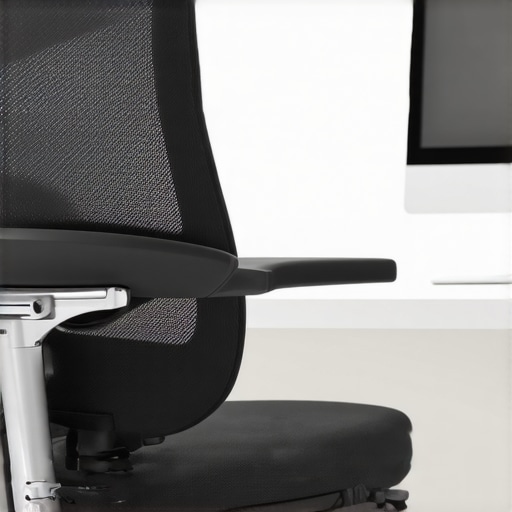
To dive deeper into this structural philosophy, we can look at the work of Dr. Stuart McGill, a leading authority on spine biomechanics at the University of Waterloo. His research demonstrates that maintaining a neutral spine throughout daily tasks—rather than repeatedly flexing to end-ranges—is the single most effective way to preserve disc health and avoid nerve compression. My challenge to you today is to implement just one change: adjust your workspace setup or place a lumbar support behind your back right now. Protecting your spine is an active, daily choice, and the efforts you make today will determine how easily you move tomorrow.
Over the years, navigating the rocky terrain of spinal health has taught me that the traditional path is often paved with well-meaning but counterproductive advice. When you are desperately searching for answers, you do not need more clinical jargon; you need practical, boots-on-the-ground wisdom that actually translates to your real, daily life.
The Hardest Lessons My Locked-Up Back Ever Taught Me
If I could go back in time and sit down with my stiff, fifty-one-year-old self, I would share a few hard-won truths that would have saved me months of agony. Here are the core realizations that shifted everything for me:
- The morning fight is won the night before: No amount of early stretching can undo eight hours of sleeping in a terrible position. If you sleep on your stomach, you are constantly hyper-extending your lumbar joints. Understanding the impact of stomach sleeping on your spinal disc health is the critical first step to stopping morning stiffness before it starts.
- Ice is often a false friend: When my back would lock up, my immediate instinct was to grab an ice pack to numb the area. However, cold temperatures actually cause tissues to contract and tighten further. I realized that you should stop icing your back after the first two days because heat is what actually coaxes stubborn, guarding muscles to relax.
- Your daily habits are your real physical therapy: You cannot expect thirty minutes of exercise to cancel out twelve hours of slumping at a desk or on the sofa. Your posture during mundane tasks is the true structural foundation of your life.
My Essential Spinal Toolkit for Daily Living
I do not believe in expensive, flashy gadgets that promise overnight miracles. Instead, my daily routine relies on a few simple, biomechanically sound tools and habits that keep my joints happy:
- The Lumbar Roll: This inexpensive foam cylinder resides permanently on my office chair. It gently preserves my natural lumbar curve and prevents my pelvis from tilting backward during long writing sessions.
- A Dedicated Knee Pillow: Whether you sleep on your side or your back, placing a supportive cushion between or under your knees maintains neutral spinal alignment and prevents your pelvis from twisting while you rest.
- A Solid Home Workspace: Investing a tiny amount of time and effort to elevate your computer screen to eye level and adjust your chair height will pay dividends for your spinal health for years to come.
Your Path to Fluid and Pain-Free Mornings
You do not have to accept morning stiffness as an inevitable tax for getting older. Your body is incredibly resilient, and by introducing gentle, respectful movement instead of forcing aggressive stretches, you can completely change how you greet the day. Reclaiming your active lifestyle starts with a single, mindful choice tomorrow morning. Why not take that first step toward lasting mobility and back pain management by simply rolling over to your side before sitting up?
Have you ever tried to stretch your back first thing in the morning only to have it lock up even tighter? Let me know your experience in the comments below!