
Why Your Lower Back Feels Fragile in the Morning

I still remember the exact Tuesday morning my back decided to hold me hostage. I rolled over to turn off my alarm, and a sudden, cold wave of vulnerability washed over my spine. It was not a sharp scream of pain yet, but a fragile, creaky sensation, like my lower back was made of thin glass. I stood up, moved like a ninety-year-old grandfather for twenty minutes, and wondered if this was just my new normal. For months, I made the classic mistake of immediately trying to bend over and stretch my tight hamstrings first thing in the morning, which only made the fragility worse.
The Real Reason Your Spine Feels Like Glass When You Wake Up
That fragile feeling is not in your head, and it is not just a sign of getting older. During the night, your spinal discs naturally absorb fluid and swell up to rehydrate. This is a good thing, but it means when you first stand up, those discs are extra plump and the surrounding ligaments are under much higher tension. According to a landmark study by spinal biomechanics expert Dr. Stuart McGill, bending forward repeatedly right after waking up places immense, unnecessary stress on these hydrated discs. When I finally stopped forcing my body into deep morning stretches, my daily back tissue irritation plummeted.
Is morning stiffness actually a sign of permanent spinal damage?
Fortunately, the answer is usually no. Most of the time, that morning fragility is simply a combination of natural disc swelling and temporary muscle guarding. But you can easily make it worse by choosing the wrong sleeping habits or morning movements. For instance, understanding the impact of stomach sleeping on your spinal disc health is a crucial starting point, as arching your back for eight hours straight leaves your joints highly compromised before you even open your eyes.
Have you ever experienced that sudden, terrifying catch in your lower back while simply reaching for your morning coffee? If so, you are definitely not alone. The secret to waking up without feeling like your spine is about to snap lies in how you treat those first thirty minutes of your day. Instead of aggressive stretching, we need to focus on gentle stabilization. I highly recommend checking out the morning routine that prevents lower back stiffness to learn how to transition from your bed to your feet safely, protecting your spine when it is at its most vulnerable.
How to Wake Up and Move Without Triggering a Flare-Up
To safely navigate those highly pressurized first thirty minutes of your day, you need a precise strategy. Think of your spine in the morning like a cold, tightly wound guitar string. If you pull it hard right out of the case, it snaps. But if you gently warm it up, it gains elasticity and handles tension beautifully. The goal is to gradually introduce movement without placing your lower back into deep, vulnerable flexion angles.
My turning point came on a cold Thursday morning after weeks of struggling. I had been trying to force myself into standard toe touches, which only made my back feel tighter. That morning, I decided to stay entirely neutral. I did not bend my spine at all for the first hour. Instead, I used my hips as the primary hinge to get out of bed, brushed my teeth while keeping a slight arch in my lower back, and walked around the kitchen. The difference was night and day; the familiar, deep ache simply did not arrive. Since then, I have refined this process into three non-negotiable morning phases.
Roll and Rise Using Your Whole Body as a Single Unit
The very first movement you make can set the tone for your entire afternoon. Most people sit straight up in bed, curling their spine forward while their joints are still cold. Instead, you must use a technique called the log roll. Keep your ears, shoulders, and hips in one straight line as you roll onto your side. From there, use your down-side arm to push your torso up while letting your legs swing gently over the edge of the mattress. By using your arms as levers, you spare your lower back from taking on the heavy load of lifting your upper body. To make this transition even smoother before you even roll, it helps to understand how to use a pillow between your knees to stop morning back stiffness, which keeps your pelvis perfectly neutral during the night.

Ditch the Sit-Ups and Activate Your Deep Core Neutrally
Once your feet hit the floor, your immediate instinct might be to stretch your hamstrings or do a few light sit-ups to get things moving. This is a massive mistake. Traditional abdominal curls compress those highly hydrated spinal discs with immense force. Instead, you want to wake up the deep stabilizing muscles that wrap around your spine like a protective weight belt. A modified bird-dog exercise or a gentle, non-flexion dead bug variation will wake up the transverse abdominis without bending your spine. For a detailed breakdown on why old-school core routines do more harm than good in the morning, check out why you should stop doing sit-ups for core strength and focus on true stabilization instead.
Hinge at the Hips for Every Morning Chore
Your spine is particularly vulnerable during simple, everyday tasks like spitting out your toothpaste, picking up a dog bowl, or reaching for coffee mugs in low cabinets. To protect your lower back, you must master the hip hinge. This means keeping your spine perfectly straight and pushing your hips backward, letting your glutes and hamstrings take the weight rather than your spinal ligaments. If you struggle to keep your spine straight during these micro-movements, you can easily practice this alignment throughout the day. Learning how to fix your pelvic alignment while washing dishes is an excellent, low-stress way to build this healthy habit into your muscle memory without needing extra gym time.
We have all been told that stretching is the ultimate cure-all for a stiff body. When you wake up feeling like a folded piece of cardboard, the most intuitive reaction is to reach for your toes or pull your knees to your chest. But this is exactly where the conventional wisdom fails us. In my years of navigating spinal health, I have learned that chasing flexibility first thing in the morning is actually a recipe for chronic micro-tears and prolonged discomfort. Let us dig deeper into the actual biomechanics of spinal recovery.
The Core-Tightening Illusion and the Stretch Reflex Trap
The biggest myth circulating in the fitness and rehab world is that tight hamstrings are the primary cause of your lower back stiffness. Everyone says to stretch them out, but in my experience, stabilization works infinitely better. In fact, your hamstrings are often acting as a protective neurological brake. When your brain senses that your lower back is unstable or that your pelvis is misaligned, it dials up the tension in your legs to keep you from bending too far and hurting your spinal discs. If you force those hamstrings to stretch, you release that safety brake, exposing your vulnerable lumbar joints to excessive movement.
This is why so many people find themselves in a frustrating cycle: they stretch, feel a brief sense of relief due to the temporary numbing of the stretch reflex, and then wake up even stiffer the next day. A landmark study published in the Journal of Biomechanics demonstrated that aggressive hamstring stretching can actually increase shear stress on the lower lumbar vertebrae. Instead of forcing length into protesting muscles, you need to address the root stabilizer. If you want to break this cycle, you must learn why your hamstrings are not the real reason your back is tight and shift your focus toward pelvic stability.
Why does my lower back ache worse after a day of resting on the couch?
It sounds incredibly counterintuitive, but rest is often the enemy of acute spinal recovery. When you sink into a soft sofa for hours, your spine settles into a long, continuous C-shaped curve. This passive flexion stretches out the posterior spinal ligaments and compresses the front of your discs, pushing the internal gel backward. When you finally stand up, your stabilizing muscles are completely offline, and your discs are highly vulnerable. To understand why this happens and how to stay active safely, read about why your back hurts more after a day of resting on the couch.
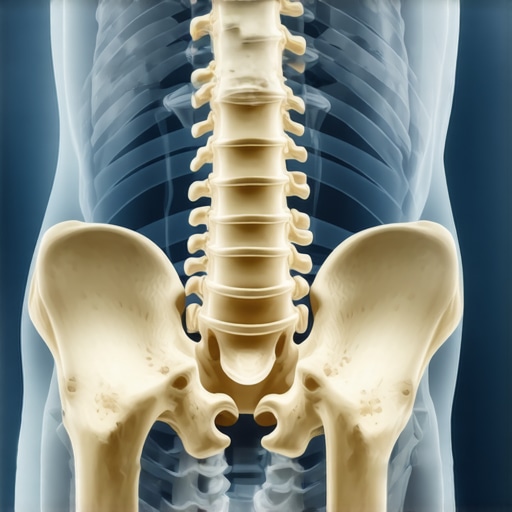
The Static Sitting Trap that Hijacks Your Recovery
Another massive trap is the belief that a perfectly upright posture will save you. Many people try to sit like military officers at their desks, straining their upper back muscles while keeping their pelvis locked in an unnatural position. This active, tense posture fatigue-drains your deep core muscles within fifteen minutes, leaving your spine completely unsupported for the rest of the workday. True spinal health comes from dynamic movement and subtle angles, not static stiffness.
A simple adjustment to how you sit can completely change the neural feedback traveling down your legs. If you struggle with nerve pain, for example, minor adjustments to your desk setup make a world of difference. Understanding how a slight change in your sitting angle stops leg numbness is far more effective than trying to maintain an exhausting, perfectly straight posture all afternoon. Have you ever fallen into this trap? Let me know in the comments below, and let us start moving toward real, lasting stability.
Once you break free from the cycle of aggressive morning stretching, the next challenge is maintaining those hard-won spinal gains over the long haul. My personal rehabilitation journey truly clicked when I stopped looking at spinal hygiene as a temporary chore and started treating it like brushing my teeth. It is not about a grueling hour-long gym session; it is about the targeted tools and highly specific strategies that keep your vertebrae aligned during the mundane moments of your day.
The Non-Negotiable Tools I Use to Keep My Spine Happy
I do not believe in buying expensive, gimmicky gadgets that promise overnight cures. Instead, I rely on a few scientifically sound tools that actively support my biomechanical alignment. My absolute favorite is a simple, high-density foam lumbar roll. I keep one strapped to my office chair and another in my car. If you do not have one yet, learning the specific way to use a lumbar roll for maximum relief is a cheap, incredibly effective way to prevent your lower back from flattening out while you work.
For my core stability routine, I completely threw out traditional floor mats and upgraded to a heavy-duty Swiss stability ball. Using a stability ball forces your deep stabilizer muscles to fire constantly through micro-adjustments. When I perform my modified bird-dogs and dead bugs, I often perform the dead bug exercise variation that actually protects your spine to build deep trunk endurance without risking disc herniation. This simple swap has kept my lower back completely pain-free even during intense writing blocks.
How do I maintain spinal mobility and joint health over time?
Consistency in your daily environment beats a weekly recovery session every single time. To protect your progress, you must audit how you move when you are not thinking about your back. This means adjusting your workspaces so your body defaults to natural alignment. For example, if you find yourself working from a laptop on the couch, you are actively inviting a flare-up. Instead, discover how to set up your home office for less than fifty dollars to create an ergonomic sanctuary that supports your neck and lower back without breaking the bank.
The Future of Spinal Preservation and Active Recovery
The spinal health industry is rapidly shifting away from passive treatments like traction and heat wraps, moving instead toward active, neuromuscular re-education. Experts like Dr. Stuart McGill emphasize that building a rigid core “shield” through coordinated muscular bracing is what truly prevents micro-movements of the vertebrae. In the coming years, we will see even more wearable technology designed to give real-time haptic feedback whenever our posture slips into hazardous flexion zones, retraining our brains to protect our spines automatically.
My challenge to you today is to implement just one specific change: audit your workspace setup. If you suffer from frequent neck stiffness, raise your screen or adjust your seat immediately. You might be surprised to learn how easily you can eliminate that afternoon tension. Take a moment to read about why your laptop screen height is the primary cause of your headaches, adjust your monitor, and let your deep postural muscles finally breathe.
When it comes to safeguarding your lower back, some lessons are only learned through stubborn repetition. I spent years forcing my body into deep morning stretches, thinking I was doing my spine a favor. Here is the contrarian reality I had to accept to finally heal.
The Core Truths About Morning Recovery I Had to Learn the Hard Way
- Passive stretching is often a sensory illusion: Stretching a cold, highly pressurized morning spine feels good temporarily because it dulls your pain receptors, but it secretly creates micro-tears in your stabilizing ligaments.
- Your hamstrings are rarely the enemy: If your legs feel incredibly tight when you stand up, it is usually your nervous system actively locking them down to prevent you from bending over and injuring an already unstable lumbar region.
- Rest is not a passive cure: Spending a whole Sunday lying on a soft sofa actually starves your spinal discs of fluid circulation, leaving you stiffer than if you had gone for three short, brisk walks.
The Simple Tools I Trust to Keep My Spine Happy
You do not need an expensive home gym or clinical decompression tables to protect your alignment. I keep my routine incredibly simple, relying on just three foundational elements. First, a firm, high-density lumbar roll is non-negotiable for my office chair to prevent my pelvis from rolling backward. Second, a standard Swiss stability ball has completely replaced my traditional floor core exercises, allowing me to build deep endurance safely. Finally, I highly recommend a simple home office upgrade; adjusting your monitor height is the easiest way to prevent your upper body from pulling your lower spine into a forward slump. For a complete guide on designing a supportive setup, discover how to set up your home office for less than fifty dollars.
Your Path to a Pain-Free Morning Starts Tomorrow
Reclaiming your morning mobility is not about a sudden, dramatic lifestyle overhaul. It is about committing to small, protective habits during those first thirty minutes after you open your eyes. By rolling out of bed as a single unit, avoiding aggressive forward bends, and letting your hips take the load of your daily chores, you actively build a resilient, pain-free spine. You do not have to live with that fragile, glass-like sensation forever. Start small, be consistent, and let your body’s natural stabilization mechanisms do the heavy lifting.
Have you ever experienced that sudden, terrifying catch in your lower back while reaching for something in the morning? Let me know in the comments below, and let us get you moving safely again.