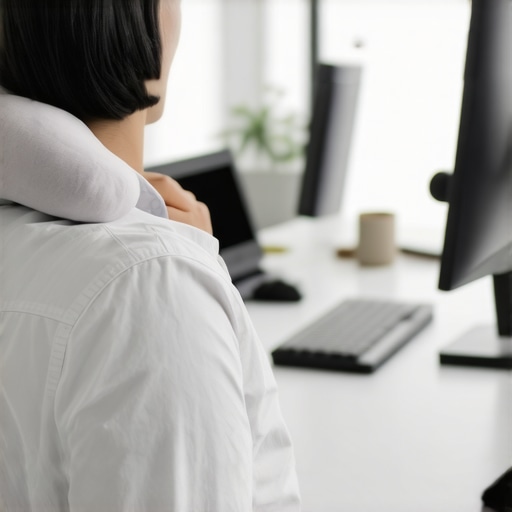
It was a typical Monday morning when I first felt the stabbing ache in my neck after a long day of staring at my AI screen. At first, I brushed it off as just another tension headache. But days turned into weeks, and that tension morphed into persistent pain that refused to budge. I was caught in that frustrating loop—trying to work, trying to stay productive, but hampered by this stubborn discomfort. Sound familiar? If you’ve found yourself in this same boat, you’re not alone. Many of us are unknowingly falling victim to what I call the ‘AI-slump’ neck pain—a sneaky, persistent stiffness that’s set to become even more common by 2026.
Why 2026 Could Be the Year Your Neck Truly Pays the Price
The rise of AI and digital dependence hasn’t just transformed our work routines; it’s also dramatically changed how our bodies react. According to research published in the Journal of Back and Musculoskeletal Medicine, poor posture during screen use can increase neck strain by over 60% in just a few years (source: https://bodyrenewtherapy.com/understanding-the-link-between-poor-posture-and-chronic-back-pain). That’s alarming, especially considering how many of us are glued to devices for hours on end.
But here’s the thing: I learned early on that these aches aren’t inevitable. My initial mistake was ignoring the small signs and trusting quick fixes that only made things worse. Over time, I realized the importance of intentional movement and targeted techniques. I want to share with you some of the most effective fast mobility fixes I discovered—simple but powerful strategies to reclaim your neck’s health before it’s too late.
Let’s dive into what works and how you can start today.
Start With Gentle Neck Mobilizations
Begin your journey by gently moving your neck to ease stiffness. Imagine your neck as a hinge—that needs oiling daily. I once sat with a stiff neck after a long workday. I slowly led my head side to side, holding each position for a few seconds, feeling the tension melt away. Repeat this 10 times, and you’ll notice improved range of motion.
Incorporate Daily Posture Checks
Think of your posture as a personal posture accountant—keep it balanced and in check. During a particularly busy week, I set a reminder to correct my monitor height and sit upright. This action prevented worsening pain and improved my overall comfort. Aim to check your alignment every hour, ensuring your ears are over your shoulders, not forward.
Perform Targeted Stretching
Stretching your shoulder blades and upper back can relieve neck strain, much like loosening a tight knot. For example, I hold a gentle shoulder blade squeeze for 5 seconds, then release. Doing this 10 times daily can prevent stiffness. Focus on areas that feel tight, and add stretches like kitty-cow or neck tilts to your routine.
Move Regularly During Work
Imagine your body as a machine that needs oiling—standing still causes friction. I used to work for hours without moving, leading to excruciating stiffness. Now, I set a timer every 30 minutes; I walk briefly or do neck rolls. This quick maintenance keeps my joints flexible and pain-free. Aim for micro-movements every 20-30 minutes.
Utilize Quick Relief Techniques
When pain strikes unexpectedly, a fast fix can save your day. One effective method is the 30-second chin tuck—tucking your chin gently to your chest, then releasing. I tried this during a frustrating work meeting, and it instantly reduced my neck tension. Practice this regularly, especially if your head tends to protrude forward from prolonged device use.
Build Strength to Support Your Neck
Think of your neck as the crown on a building—it needs a strong foundation. Incorporate simple isometric exercises like pressing your palm against your forehead, resisting the movement, for 5 seconds. Over time, this stabilizes your neck muscles, reducing pain and preventing future injury. Consider integrating core strengthening routines, as they align and support your entire spine.
Adjust Your Workspace Ergonomics
Your environment plays a crucial role. Ensure your screen is eye level, your chair supports your lower back, and your feet are flat on the floor. Small adjustments can prevent the c-curve slouch that often causes neck strain. For detailed ergonomic tips, explore these proven sitting fixes.
Prioritize Stress Reduction Practices
Stress tightens muscles, adding to neck discomfort. Practices like deep breathing or mindfulness help loosen these knots. I found that taking five minutes daily for deep breaths after a stressful call significantly reduced my neck tension. Incorporate quick relaxation methods to keep your muscles relaxed and pain-free.
Many assume that neck and back pain originate solely from obvious causes like sudden injury or poor posture, but this oversimplification can lead you astray. A common myth is that pain is always due to structural issues that require aggressive interventions; however, recent research highlights the significant role of neural sensitization and chronic inflammation. In some cases, persistent pain persists long after the initial injury heals, trapping individuals in a cycle of discomfort that many overlook. Understanding this nuance is crucial because it shifts the focus from just mechanical fixes to addressing the nervous system’s role in pain perception. For example, experts like Dr. David Butler emphasize the importance of neural health in pain management, advocating for therapies that retrain the nervous system rather than solely targeting physical structures.
Another mistake is to think that mobility exercises alone can resolve all issues without considering underlying lifestyle factors. Overdoing mobility drills without addressing stress, ergonomics, or movement habits can sometimes exacerbate symptoms, especially if you ignore signs of overload or improper technique. This is why integrating a comprehensive approach, including lifestyle adjustments and stress management, yields better and longer-lasting results. To deepen your understanding, check out our guide on simple exercises that boost your back mobility.
Why do some individuals experience recurring sciatic issues even after multiple treatments? The answer often lies in overlooked factors like pelvic alignment, asymmetrical muscle tension, or nerve entrapments that require advanced assessment. Addressing these nuances can dramatically improve outcomes. I recommend exploring posture and chronic back pain link for a deeper dive into the complex interplay between posture, nerve health, and pain.
Beware of the trap where people focus solely on stretching or strengthening, neglecting the importance of neural mobility and tissue quality. Incorporating targeted nerve gliding techniques and optimizing tissue hydration can unlock significant relief—something I personally discovered through experimenting with nerve mobilization exercises. For a step-by-step approach, visit proven techniques to regain neck mobility.
In summary, understanding the hidden layers of neck and back pain, including neural sensitization, lifestyle factors, and tissue health, empowers you to craft a truly effective strategy. Don’t settle for temporary fixes—invest in a comprehensive plan that addresses these nuanced issues for lasting relief. Have you ever fallen into this trap? Let me know in the comments.Maintaining your neck and back health over time requires consistent effort and the right tools. Personally, I recommend investing in a high-quality ergonomic office setup, including an adjustable sit-stand desk and a supportive ergonomic chair, which are game-changers for preventing strain. A sit-stand desk, like the Fully Jarvis, allows me to switch positions throughout the day, reducing static postures that contribute to pain. Pair this with an ergonomic chair that promotes proper lumbar support and encourages upright sitting, helping to maintain spinal alignment.
In addition to furniture, I use foam rollers and massage balls for self-myofascial release, which help break down tissue adhesions and improve mobility. I swear by a tennis ball for targeting specific trigger points in my upper back and neck, which I roll over gently to alleviate tension.
In terms of software, I utilize reminders and posture tracking apps such as ‘Lumo Lift’ that vibrate when I slouch or adopt poor alignment. These digital nudges keep me mindful of my posture throughout the day. Incorporating these tools into my routine has significantly decreased discomfort and improved my overall mobility.
Prediction-wise, the future points toward smart equipment integrated with biofeedback technology. Devices will increasingly monitor your posture and provide real-time coaching, making maintenance proactive and effortless.
To really optimize your neck and back health, try integrating a daily mobility routine with specific exercises like the ones detailed in our guide on [boosting your back mobility](https://bodyrenewtherapy.com/boost-your-back-mobility-simple-exercises-that-make-a-difference). Establishing these habits using the right tools ensures long-term results and helps prevent setbacks.
**How do I maintain my mobility and posture over time?** Consistency is key. Regularly scheduled mobility drills, combined with ergonomic adjustments and digital reminders, keep your spine healthy and pain-free. Remember, small daily habits compound into lasting improvements. If you’re unsure where to start, reach out through our [contact page](https://bodyrenewtherapy.com/contact-us) for personalized recommendations. Incorporating these tools and practices is an investment that pays off by preventing chronic pain and enhancing your overall quality of life—so don’t wait to get started.
What I Wish I Knew Sooner About Neck and Back Struggles
- Ignoring Early Signs Is Costly: I often dismissed minor discomfort, thinking it was just stress, but small issues snowballed into months of pain. Recognizing early signals can prevent chronic issues.
- Simple Movements Can Make a Big Difference: Incorporating daily neck mobilizations and stretch routines drastically improved my mobility and reduced reliance on painkillers. Consistency trumps intensity.
- The Mind-Body Connection Matters: Stress exacerbates physical tension. Mindfulness and breathing exercises became crucial tools for my recovery, emphasizing the importance of holistic health practices.
Tools and Resources That Transformed My Approach
- Boost Your Back Mobility Guide: A comprehensive collection of exercises that improved my flexibility and helped prevent setbacks.
- Neck Pain Solutions: Proven techniques that provided immediate relief and long-term benefits, proving that care doesn’t have to be complex.
- Posture and Chronic Back Pain: Deep insights into how alignment impacts pain, which shifted my entire perspective on daily habits.
This Is Your Moment to Turn Knowledge into Action
Addressing neck and back pain isn’t about quick fixes; it’s about building sustainable habits that support your body’s natural resilience. The tools, techniques, and mindsets shared here can empower you to reclaim comfort and mobility. Remember, your body deserves proactive care—start today, and watch how your life transforms. Are you ready to take that first step towards pain-free movement? Share your thoughts below and let’s keep the conversation going.