I remember the moment vividly—standing in my kitchen, bending down to grab the coffee mug, and realizing I didn’t wince or feel that familiar shooting pain down my leg. That was a lightbulb moment for me, a sign that my longstanding sciatic pain was finally starting to fade. After years of battling discomfort, Mobility struggles, and endless stretches that seemed to do more harm than good, I finally felt hope. If you’ve been fighting stubborn sciatic nerve pain, I bet you’ve experienced that frustrating cycle of hope and disappointment too.
Today, I want to share with you the three clear signs that your 2026 sciatic nerve might finally be healing. Yes, it’s possible, and you don’t have to rely solely on painful treatments or invasive surgeries. Instead, understanding these signs can help you stay motivated and focused as you continue your recovery journey.
But before we dive in, let’s talk about why recognizing these signs matters. It’s one thing to feel better temporarily after a workout or a massage, but true healing involves consistent progress that lasts. By knowing what to look for, you can avoid the common mistake of mistaking temporary relief for lasting recovery. Early on, I made this mistake myself—thinking that any reduction in pain meant I was healed. Turns out, that was just the calm before the storm.
A recent study from the Cleveland Clinic pointed out that early signs of nerve recovery include decreased numbness and stronger muscle function, key indicators that nerve signaling is improving (source: https://bodyrenewtherapy.com/unlocking-sciatica-relief-expert-strategies-for-lasting-comfort). Recognizing these signs early can help you adjust your recovery plan and possibly prevent setbacks.
So, do you find yourself wondering if your efforts are paying off or if your sciatic symptoms are truly on the mend? If so, you’re not alone. Many people overlook the subtle cues their body gives, and that delay can cost them precious time.
Now, let’s explore the first sign that your sciatic nerve is healing—something you might not even expect at first glance.
Target Your Posture Habits Throughout the Day
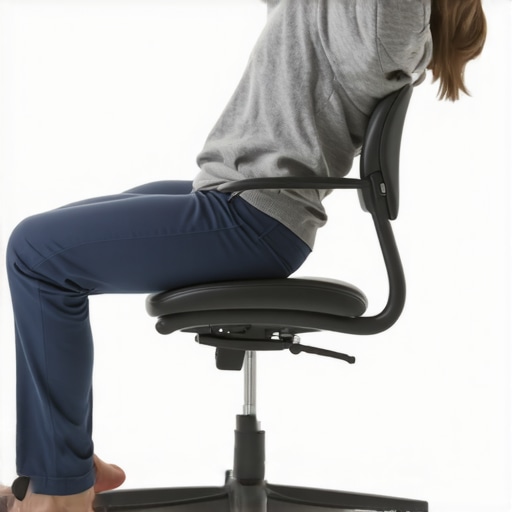
Smart posture is the foundation of sciatic relief. Start by assessing your typical sitting and standing patterns. For instance, I caught myself slouching while working at my desk, which worsened my pain. To fix this, I adjusted my chair height, ensuring my feet were flat on the floor and my hips aligned with my knees. This simple change prevented additional nerve compression. For detailed ergonomic adjustments, check out ergonomic tips.
Make Every Movement Count
Focus on quality over quantity when moving. Incorporate movement patterns that ease tension rather than exacerbate it. For example, I started practicing pelvic tilts and gentle core engagement exercises. These help stabilize your lower back and reduce pressure on the sciatic nerve. Use simple exercises to guide your routine.
Incorporate Targeted stretches and Strengthening
The right stretches loosen tight muscles that may be aggravating your nerve. For instance, I found that limiting hamstring stretches worsened my symptoms, so I shifted focus to hip flexor and piriformis stretches. Holding these for 30 seconds, twice daily, made noticeable differences. To optimize your routine, explore stretching tips. Conversely, strengthening core muscles enhances support for your spine, preventing nerve pinching over time. A plank variation I tried regularly built resilience and reduced flare-ups.
Adjust Your Daily Environment and Habits
Small changes to your environment can prevent nerve irritation. For example, I upgraded my desk setup to ensure my monitor was at eye level and avoided crossing my legs while seated. These adjustments reduce strain on your lumbar region. Learn more about proper setup at standing desk fixes. Additionally, monitor how you sleep; a supportive pillow and sleeping position can make a big difference in morning pain. For sleep guidance, see pillow tips.
Stay Consistent with Movement and Posture Checks
Consistency is key. I set daily reminders to adjust my posture and perform brief mobility drills. For instance, I would stand, roll my shoulders, and do a quick spine twist. These micro-movements prevent stiffness and maintain nerve health. Incorporate exercises like those found at mobility mastery into your routine.
Use Quick Relief Techniques During Flare-Ups
When pain spikes, quick remedies can provide immediate relief. Applying cold packs on the lower back or doing gentle neural gliding exercises can interrupt the pain cycle. I found that performing a 2-minute nerve reset, as described in hip reset drills, helped reduce acute discomfort. Regularly practicing these techniques can empower you to manage flare-ups without panic.
Seek Feedback and Professional Guidance
Regular check-ins with a physical therapist can keep you on track. I initially struggled to judge whether my progress was genuine, but professional assessments clarified my improvements and adjusted my plans accordingly. For personalized support, visit contact us. Remember, listening to your body’s cues and making incremental adjustments accelerates healing and builds resilience against future setbacks.Many people believe they fully understand their back or neck pain, but the truth is, there are several misconceptions and subtle nuances that often lead to ineffective recovery strategies. One widespread myth is that rest is always the best remedy. While taking a break from aggravating movements can help initially, prolonged inactivity can actually hinder healing by weakening supporting muscles and decreasing circulation, which are critical for nerve regeneration. Experts like Dr. Stuart McGill emphasize the importance of controlled, gentle movement to promote recovery instead of complete bed rest.
Another common mistake is overlooking the role of posture in long-term pain. Many focus solely on exercises or pain management, thinking posture is secondary. However, poor ergonomic habits—such as slouching during work or crossing legs habitually—can perpetuate nerve irritation and structural imbalance. An ergonomic review of your workspace can reveal hidden stressors, as detailed in this guide. Recognizing these subtleties can save months of discomfort.
Now, let’s tackle a question that confuses many:
Is all nerve pain from sciatica the same, or are there nuances I should know about?
In fact, nerve pain can differ significantly depending on its origin and severity. Some pains are due to mechanical compression, while others stem from inflammation or nerve sensitization. Studies indicate that the underlying cause influences treatment—what works for one type may worsen another. For example, aggressive stretching might alleviate minor tightness but could aggravate nerve inflammation if misapplied, leading to worsening symptoms.
Beyond these myths, recognize that early signs of improvement aren’t always obvious. A decrease in numbness or tingling might seem minor, but they signal nerve recovery and should be celebrated. Moreover, paying attention to subtle cues like improved muscle strength or easier movement can help you gauge progress better than solely relying on pain levels.
Avoid the trap of getting caught up in quick fixes or superficial solutions. Instead, focus on comprehensive, evidence-based approaches. For instance, integrating targeted mobilization exercises and ergonomic habits can accelerate healing in ways that generic stretches can’t match. Comprehensive strategies, as discussed in this article, address the nuanced interplay between posture, movement, and nerve health.
Do you ever find yourself misinterpreting subtle signs of progress? Share your experience below! Recognizing these hidden nuances can make the difference between temporary relief and lasting recovery.Achieving lasting relief from back and neck pain isn’t just about temporary fixes; it requires consistent maintenance and the right tools to support your mobility journey. One of my top recommendations is investing in a high-quality foam roller. I personally use a dense, 36-inch foam roller because it effectively releases tense muscles and fascia, especially around the hips and lower back. Regular myofascial release with this tool helps prevent knots that could trigger sciatic flare-ups, making it a cornerstone of my daily routine. Additionally, incorporating a set of resistance bands can enhance your strengthening exercises. I prefer loop bands with moderate resistance because they add gentle tension during core and hip stabilization movements, critical for maintaining spinal health long-term. These tools are simple but incredibly effective—they empower you to continue your routine at home, even if you can’t visit a therapist regularly. Looking ahead, I predict a growing integration of smart wearable tech for posture correction, helping users maintain optimal alignment throughout the day, which could revolutionize self-care practices. For practical tips on ergonomic setups supporting mobility, check out this guide. How do I maintain my mobility goals over time? Consistency is key. I set daily reminders to perform targeted stretches and use tools like the foam roller and resistance bands. This habit ensures muscle tension doesn’t creep back, and posture stays aligned. Remember, a well-maintained routine utilizing these tools fosters resilience against setbacks and promotes long-term health. Incorporate this approach today and experience the difference firsthand.
The Hardest Lesson I Learned About back pain,mobility,sciatica,neck pain
One of my biggest realizations was that recovery isn’t linear. Early in my journey, I thought consistent pain meant failure, but I learned that setbacks are part of progress. Recognizing that healing involves patience allowed me to stay committed and avoid frustration.
Why Making Posture Changes Is a Game-Changer
Adjusting even minor daily habits made an enormous difference. Improving my workspace ergonomics and being mindful of sitting habits helped reduce nerve compression episodes, teaching me that small, consistent changes yield big results.
The Unexpected Power of Mindful Movement
Gentle, deliberate movements like pelvic tilts and core exercises strengthened my support system for the spine. This approach not only alleviated pain but also empowered me to take control, illustrating that mindful action accelerates healing more than brute force.
My Essential Toolkit for Back and Neck Recovery
- Foam Roller: I swear by my dense foam roller; it melts muscle knots that contribute to nerve irritation.
- Resistance Bands: These provide adaptable tension to support my core and stabilize my hips.
- Ergonomic Aids: An adjustable chair and proper desk setup have been lifesavers, as detailed in ergonomic tips.
- Educational Resources: The articles and guides on posture and mobility helped me understand the importance of body awareness and tailored exercises.
Embrace Your Journey Today — It’s Worth It
Healing from sciatic pain is a marathon, not a sprint. With patience, consistent effort, and the right tools, you’ll find that relief becomes a part of your everyday life. Remember, your body is resilient, and every small step forward counts. What is one habit you’re willing to change today to support your back health? Share your plans below—I’d love to hear from you!