
How to hold your baby without straining your lower back

I remember the exact moment my back gave out. It was 3 AM, the nursery was freezing, and my daughter was hitting a high-pitch wail that could shatter glass. I reached deep into the crib, kept my legs locked straight, and hoisted her up. *Pop.* That familiar, sickening electric jolt shot straight down my spine and radiated into my hips. I was stuck in a half-bent position, clutching a crying infant and wondering if I’d ever walk normally again. It’s a miserable feeling, being a parent who is physically afraid to pick up their own child because their body feels like a betrayal. But here is the good news: your spine isn’t broken, it’s just being bullied by bad habits and poor leverage. We’re going to fix your “dad back” or “mom hip” today so you can focus on the snuggles, not the spasms. Have you ever felt that terrifying “zap” in your spine while lifting your little one? If so, you know that fear that stays with you all day long, making every movement feel like a gamble.
Your Spine Is Not a Mechanical Crane
When I first started out, I made the classic rookie mistake of the “reach and hoist.” I would stand a foot away from the changing table or crib and use my arms and lower back to bridge the gap. It’s the same mistake people make when they don’t know how to load the dishwasher without hurting your lower back. By holding your baby away from your torso, you are essentially turning your lower back into a fulcrum for a very heavy lever. It is simple physics, but the results are debilitating. According to researchers at the Mayo Clinic, lifting with your back instead of your legs is a primary cause of acute muscle strains and long-term disc issues. You need a back pain breakthrough that starts with your feet and ends with your core, not just “powering through” the ache with handfuls of ibuprofen. We often ignore the link between poor posture and chronic back pain until we’re forced to stay on the floor because standing up simply hurts too much. I spent weeks thinking it would just “go away,” but my mobility only got worse because I kept repeating the same lifting patterns every single day.
Can you actually avoid pain with a heavy toddler?
It sounds impossible, right? They’re squirmy, they’re heavy, and they always want to be held exactly when your back feels like a dry twig about to snap. You might be worried that this is just your “new normal” or, worse, that you’re seeing warning signs your sciatica needs professional help. I used to think the same thing until I learned how to move with my kid rather than against them. Even if you’ve already mastered how to pick up a toddler without risking a disc flare-up, there are subtle nuances in the way you carry them during the day that change everything. We aren’t just talking about a five-second lift from the floor; we are talking about the long-haul holding that happens during a grocery trip or a walk in the park. This isn’t about getting “gym strong,” it’s about getting “parent smart” with your body mechanics and learning to protect your longevity.
The Hug-and-Hinge Protocol
Think of your body as a forklift rather than a construction crane. A crane extends its arm far out to move a load, creating massive tension at the base. A forklift gets its forks directly under the weight before lifting. To save your spine, you must become the forklift. This starts with erasing the space between you and your child. If there is a gap of air between your chest and their body, your lower back is paying a ‘tax’ in the form of sheer force.
Get Your Belly to the Kid
Distance is the primary driver of disc herniations. Before you even think about bending your knees, get as close as humanly possible. If they are in a crib, press your thighs against the railing. If they are on the floor, step right up until your toes are almost under them. I remember a particularly rainy Tuesday when my son decided to go ‘limp noodle’ in the middle of a muddy parking lot. My instinct was to reach out and grab him quickly to stay dry, but I caught myself. I stepped into the mud, got my shins right against his side, and pulled him into my center of mass before moving an inch upward. It wasn’t pretty, and my jeans were ruined, but my back didn’t ‘pop.’
Stop Bending and Start Hinging
Most people think ‘lift with your legs’ just means bending your knees, but if your butt is tucked under you, you’re still in trouble. You need to learn how to do a proper squat to protect your knees and back by sending your hips backward. Imagine there is a button behind you that you need to press with your glutes. This ‘hinge’ loads the big, powerful muscles of your posterior chain instead of the tiny, sensitive ligaments in your lumbar spine. If your hips are tight from sitting all day, you might find this difficult because your core strength wont fix your back if your hips are locked. Before you start your ‘parenting shift’ in the morning, try the 10-second hip reset for relief after sitting to make sure your pelvis can actually move the way it’s supposed to. 
Brace Like Someone Is About to Poke You
Your core isn’t just about six-pack abs; it’s a biological weightlifting belt. Before you lift, take a quick breath and tighten your midsection as if you’re bracing for a playful poke from a toddler. This internal pressure creates a ‘pillar’ of support around your discs. This is the correct way to use your core when lifting heavy groceries or a twenty-pound human. If you feel a wobbling sensation in your pelvis, you might need to focus on the specific core move that stabilizes the si joint.
The Car Seat Struggle
The car seat is the ultimate back-killer because it combines a heavy load with a twist. Never stand outside the car and reach in with straight arms. Instead, put one foot inside the car on the floorboard. This brings your torso closer to the base. By creating this ‘tripod’ stance, you can use your legs to slide the child into the seat rather than using your spine as a cantilever. If you find yourself stiffening up after these car maneuvers, learning how a simple breath reset can calm a back spasm can stop a minor tweak from turning into a week-long disability. You can even use how to use a lumbar roll to prevent mid-day back fatigue during the actual car ride to keep your spine primed for the next lift.Most parents I talk to tell me they spend twenty minutes every morning desperately stretching their hamstrings to fix their back. Here’s the hard truth: learning why stretching your hamstrings often makes your sciatica worse is one of the most misunderstood concepts in modern recovery. When your sciatic nerve is irritated, stretching it is like pulling on a frayed, angry rubber band. You aren’t ‘loosening’ it; you’re agitating it further and potentially increasing neural inflammation. Have you ever fallen into this trap of stretching harder when the pain increases? Let me know in the comments. We often mistake ‘tension’ for ‘shortness,’ but your muscles aren’t actually short; they are guarding. This protective tension is your brain’s way of creating a biological splint to keep your spine from moving into a dangerous range. This is exactly why you should stop pulling your knees to your chest for back relief during an acute flare-up. Research published in the Journal of Orthopaedic & Sports Physical Therapy suggests that these ‘feel-good’ positions can significantly increase intradiscal pressure, which is the last thing you want when your lower back is already on the edge of a crisis.
Why does my back feel worse after a full night of sleep?
It feels like a betrayal when you finally get the baby down for a six-hour stretch only to wake up feeling like your spine is made of rusted iron. The culprit usually isn’t the mattress; it is the inflammatory ‘stasis’ that happens when you don’t move for hours. If you are a side sleeper with a toddler who sneaks into your bed, your pelvis is likely rotating all night, causing the side sleeping fix for constant hip bursitis and lower back strain. You also need to consider why your favorite sleeping position is causing morning neck stiffness, as your cervical alignment directly influences the tension in your lower lumbar region through the dural sac. 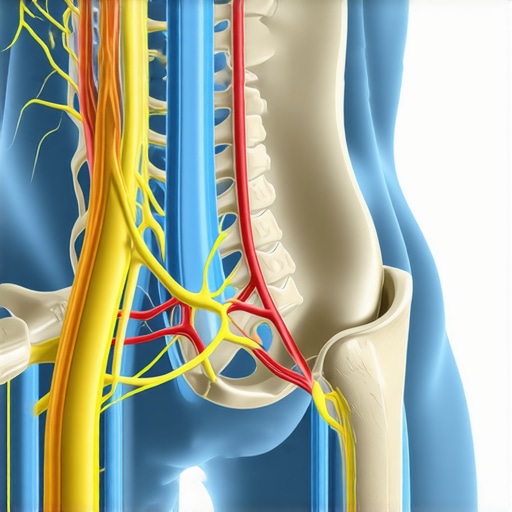
The Trap of Temporary Relief
I used to be the king of the ‘foam roller fix.’ I would spend forty minutes rolling out my IT bands and lower back, feeling great for exactly one hour before the pain returned with a vengeance. This is the ‘Oops Factor’ of self-treatment: treating the symptom of tightness rather than the cause of instability. If you find yourself constantly needing to ‘crack’ your own back, you are likely creating hypermobility in segments that are already overworked. This is a clear sign that is your back pain a sign of something more serious and requires a more nuanced approach than just more rolling. You have to understand why maintenance care is better than waiting for a spinal crisis. Instead of fighting the tension with aggressive stretching, focus on ‘reset’ movements that tell your nervous system it’s safe to let go. This shift from ‘attacking’ the pain to ‘calming’ the system is the secret to long-term mobility as a parent. If you’ve been stuck in the cycle of stretch-pain-repeat, it’s time to stop and look at your movement patterns instead of your muscle length.
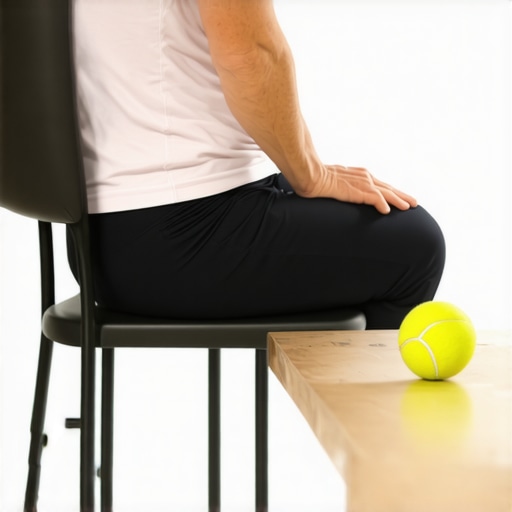
I stopped buying every gadget on Amazon and narrowed it down to two things: a $15 lumbar roll and a simple tennis ball. I carry the roll everywhere now. When I’m nursing or bottle-feeding, I tuck it behind my back to ensure I don’t slouch into a ‘C-shape.’ It is the easiest way to learn how to use a lumbar roll to prevent mid-day back fatigue. The tennis ball is for those nights when the glutes feel like concrete after a day of chasing a crawler. By applying targeted pressure to the piriformis, you can learn how a tennis ball can relieve deep glute and sciatic pain without needing a professional massage every Tuesday.
The Small Equipment That Makes a Big Difference
Dr. Stuart McGill, a world-renowned spine biomechanics expert and author of ‘Back Mechanic,’ notes in his research that ‘spine hygiene’—the way we move throughout the day—is more important than any single exercise or stretch. This means focusing on mobility mastery and daily tips to keep your spine and joints healthy is a 24/7 job, not just a twenty-minute gym session. If you are sitting for long periods, your desk chair height might be working against you; you need to understand why your desk chair height is wrecking your hips before you can fix the referred pain in your back.
How do I keep my spine resilient as my toddler gets heavier?
The answer isn’t necessarily doing more reps at the gym; it’s raising your ‘movement floor.’ You need to realize why maintenance care is better than waiting for a spinal crisis. Every time you lift your child, it should be a ‘clean’ rep. If you feel a twinge, don’t ignore it—use a wall to reset. If you’ve reached the point where you’re constantly wondering is your back pain a sign of something more serious, it’s likely because you’ve neglected the small resets that keep the nervous system calm.
Wearable Tech and the Future of Parent Posture
As we look toward 2025, I suspect we will see a massive shift toward wearable biofeedback devices that alert us when our spine is in a compromised position during childcare. We are already seeing expert tips on managing back pain in 2025 focusing more on neurological ‘checks’ and real-time posture correction than just muscle stretching. Until that tech is perfected, you have to be your own sensor. Try this advanced tip tomorrow morning: before you even get out of bed, perform a ‘nerve floss’ to ensure your sciatic nerve is moving freely through the hip. It takes thirty seconds and can prevent a whole day of stiffness. If you are ready to stop guessing, it might be time to contact us for a personalized plan.
Three Hard Truths About Parenting Your Own Spine
Looking back at my journey from being stuck on the floor to running at the park, I realized that the most dangerous phase was the ‘fake recovery.’ You feel eighty percent better, so you stop using the hinge and start reaching into the backseat again. This is why maintenance care is better than waiting for a spinal crisis. Another big realization was that my ‘tight’ hamstrings were actually a protection mechanism. I spent years trying to stretch them out, only to find out the hidden reason your hamstrings always feel tight was a lack of core stability. Finally, I had to accept that why cracking your back at home is a temporary fix that often led to more instability. You cannot just ‘pop’ your way out of bad mechanics.
Gear That Saved My Sanity and My Sciatica
I do not believe in expensive gadgets, but there are a few non-negotiables in my home. First is the McKenzie Method approach—it is the gold standard for understanding disc mechanics. Second is a simple high-density foam roller, provided you know how to use a foam roller for sciatica without making it worse. Third, never underestimate the power of a firm chair. I had to learn how to pick a chair that actually supports your lumbar curve to prevent that mid-day slump. Lastly, if you are dealing with localized knots, how a simple tennis ball can fix deep glute tension is a trick you will use for the rest of your life.
#IMAGE_PLACEHOLDER_E#
You Deserve to Play Without Fearing the Flare-up
It is incredibly easy to feel like your body is failing you when you are in the thick of chronic back pain. But remember, your body is resilient—it just needs the right inputs and a bit of patience. By implementing these hinges, braces, and resets, you are building a foundation that allows you to be the active, present parent you want to be. Do not let the fear of a ‘pop’ keep you from the floor. You have the tools now to enhance your back mobility and get back to what matters most. If you ever feel lost or the pain feels too complex to handle alone, do not hesitate to contact us for expert guidance. Have you ever felt a sharp pinch while leaning over a crib or lifting a stroller? Let me know your experience in the comments below!