I remember the first time I experienced that desperate, dull ache creeping up my lower back after hours of working at my desk. It was a slow realization that my trusty laptop stand, which I thought was making my setup ergonomic, was actually causing me more harm than good. That lightbulb moment made me reevaluate my entire approach to posture and device setup. If you’ve found yourself in similar shoes—waking up with stiff hips or that nagging sciatic pain—you’re not alone.
Why Your Laptop Stand Could Be Sabotaging Your Back
In today’s busy world, many of us rely heavily on laptop stands to create a better viewing angle and reduce eye strain. But here’s the catch: if not set up correctly, these stands might be doing more harm than good. Poorly positioned screens can lead to slouching, neck straining, and a hunched posture that, over time, wreaks havoc on your lower back. It’s a classic case of convenience undermining health. I once made the mistake of just stacking my laptop on a box without adjusting for height, and within weeks, my pain worsened. Learning to recognize and correct these small setup errors changed everything.
> Did you know that prolonged poor posture can decrease your spinal mobility and increase the risk of chronic pain? According to research by the CDC, 80% of adults experience back pain at some point, often linked to posture issues.
Today, I’ll guide you through how to stop your 2026 laptop stand from ruining your lower back and help you set up your workspace for lasting comfort. Ready to make some simple, effective changes?
Is Your Laptop Setup Actually Worth the Hype? The Common Skeptics’ Dilemma
I used to believe that any ergonomic accessories would automatically solve my back problems. My mistake was assuming that buying the latest stand meant I was set for good. That early assumption was wrong—and costly. The truth is, even the most expensive stand won’t help if it’s not used correctly or tailored to your body. You need a setup that promotes healthy spinal alignment, not just a trendy gadget.
If you’ve tried various setups without relief, don’t worry. Small adjustments can make a huge difference—and I’ll show you how. For starters, learning to properly adjust your workstation can be a game-changer. You might want to explore some easy mobility exercises to boost your back health, like those outlined in [this guide](https://bodyrenewtherapy.com/boost-your-back-mobility-simple-exercises-that-make-a-difference). These quick routines can help undo some of the damage caused by static sitting.
Now that I’ve shared my experience and initial mistakes, let’s move on to clear, actionable steps to ensure your setup supports your back rather than sabotages it. Because nobody wants to deal with chronic pain simply because of an unoptimized workspace.
Adjust Your Monitor and Keyboard Height
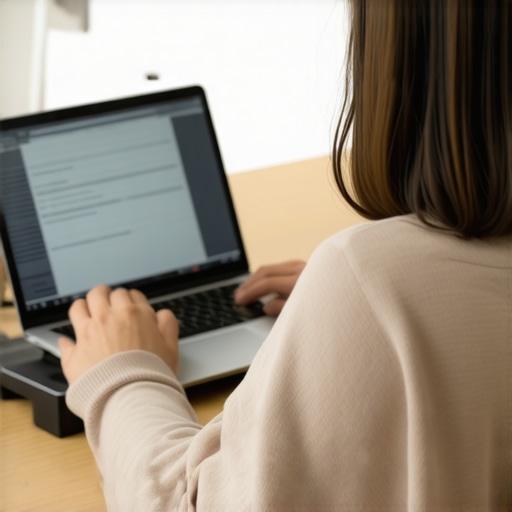
Start by ensuring your laptop or monitor is at eye level to prevent neck strain. Place your screen so that the top line is slightly below eye height when sitting upright. Use a stack of sturdy books or a dedicated riser to elevate your device if needed. Align your keyboard so your elbows are at a 90-degree angle, keeping your wrists straight. I once used a pile of notebooks and found that my neck pain reduced significantly after a few days.
Invest in Ergonomic Accessories
Use a supportive laptop stand designed for ergonomic comfort. Look for stands with adjustable height and angle features—this allows you to fine-tune your setup easily. Pair it with an external keyboard and mouse to maintain proper posture. I bought an adjustable stand from a local store and quickly noticed my back and neck discomfort diminish as my setup became more natural.
Create a Comfortable Seating Environment
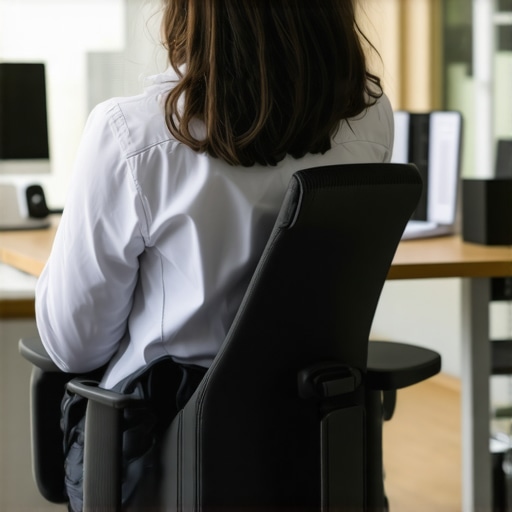
Your chair should support your lower back and encourage good posture. Sit with your hips pushed back and feet flat on the ground. Use a cushion if your chair is too hard or if your feet don’t touch the floor comfortably. Remember, a well-supported seat reduces pressure on your lumbar spine, much like how a good mattress supports your whole body during sleep.
Ensure Proper Spinal Alignment During Work
Keep your shoulders relaxed and your back straight. Avoid slouching or leaning forward for extended periods. Set timers to take short breaks every 30 minutes to stand, stretch, or walk. A helpful routine I adopted was the 5-minute stretch every half hour, which improved my mobility and prevented stiffness. Explore some simple mobility exercises (here) to keep your spine healthy.
Stretch and Mobilize Regularly
Incorporate daily stretches targeting your hips, hamstrings, and lower back to reduce tension. For example, a quick 2-minute couch stretch can relieve tightness that contributes to pain (learn more). Consistent mobility work prevents your muscles from becoming stiff and keeps your spine flexible, similar to how oil keeps a machine running smoothly.
Be Mindful of Repetitive Movements and Postures
Avoid crossing your legs or sitting on one side longer than the other, as these habits can imbalance your pelvis and worsen discomfort. Also, ensure your phone, tablet, or other devices are positioned to keep your neck in a neutral position. Small tweaks to your daily habits can significantly impact your back health over time.
Many believe that pain simply results from overexertion or sleeping in the wrong position, but this oversimplification can lead to costly misconceptions. In my experience, a common error is underestimating the complexity of spinal issues, especially the role of subtle muscle imbalances and movement patterns. For example, some assume that stretching alone can fix chronic neck or back pain, yet research indicates that addressing underlying neuromuscular patterns yields better, longer-lasting results. Studies published in the Journal of Orthopedic & Sports Physical Therapy highlight that targeted mobility exercises, like those found here, can dramatically improve spinal function by restoring proper joint mechanics.
A critical nuance often missed is the misconception that pain is always a sign of damage needing rest. Far from it—pain can be a warning of faulty movement patterns or muscle recruitment errors that perpetuate instability. Continuing to ignore these can reinforce maladaptive habits, compounding issues over time. For instance, many people unknowingly develop a forward head posture, which shifts the load distribution in the cervical spine, increasing strain. Correcting this involves not just stretching the neck but also retraining how you engage your deep neck muscles and posture habits.
**Why is it so challenging to correct these misconceptions?** One reason is the prevalence of quick fixes propagated by social media, promising instant relief with minimal effort. These approaches often overlook the interconnectedness of muscle chains and joint health. Such oversights can lead to the so-called ‘Oops’ trap—where your efforts worsen the issue. For example, aggressive stretching of a tight hamstring without addressing pelvis stability can unintentionally increase lower back stress, as detailed in this article.
Now, you might wonder: *Is there a way to identify whether my pain stems from mobility issues or structural damage?* Considering persistent or worsening symptoms warrants professional evaluation. Symptoms like numbness or weakness could signal nerve involvement needing urgent attention. Otherwise, focusing on improving your joint and muscle function through guided mobility exercises can be transformative. For instance, integrating simple daily routines from Mobility Mastery helps restore optimal movement patterns. Remember, understanding these subtle nuances empowers you to break free from ineffective routines and foster lasting spinal health.
Have you ever fallen into this trap? Let me know in the comments.Maintaining a healthy back and neck over the long term requires more than just awareness; it demands reliable tools and consistent routines. One essential tool I personally swear by is a high-quality foam roller. Specifically, the **Deep Tissue Foam Roller** I use helps me release muscle tightness and restore my mobility after intense days. I find that using it for just 5-10 minutes in the evening significantly reduces my morning stiffness and keeps my muscles supple, which is crucial for long-term spinal health. For more targeted relief, I rely on my **massage balls**, which allow me to access hard-to-reach trigger points around my shoulders and upper back, helping to prevent the buildup of muscle knots that can exacerbate pain.
Technology plays a pivotal role in my maintenance routine as well. I utilize **mobility tracking apps**, which remind me to perform specific exercises, such as those outlined in [this guide](https://bodyrenewtherapy.com/boost-your-back-mobility-simple-exercises-that-make-a-difference), ensuring I stay consistent. These apps can monitor progress and help identify recurring issues before they develop into chronic pain.
In terms of software, I implement short, daily mobility routines using video-guided sessions from reputable sources. Regularly following programs like **Mobility Mastery** has helped me integrate movement drills seamlessly into my day. It’s fascinating that ongoing research, such as the work published in the *Journal of Orthopedic & Sports Physical Therapy*, confirms that consistent, targeted mobility exercises are essential to prevent joint stiffness and muscle imbalance.
Looking ahead, I predict an increase in the integration of wearable tech with AI to customize mobility and posture improvement plans dynamically. Devices like smart posture trainers and biofeedback tools are becoming more intuitive and user-friendly, allowing for personalized, real-time adjustments that can prevent pain before it starts.
**How do I keep it working over time?** Consistency is key. I set specific times daily for my mobility drills and regularly update my equipment. For instance, I replace my foam roller every six months to ensure optimal effectiveness, and I stay connected with my practitioners for periodic assessments. Additionally, I make it a point to revisit my ergonomic setup periodically, adjusting my workstation to accommodate any postural changes and prevent habits that could reintroduce pain.
To make this easier, I encourage you to try integrating a simple yet effective tool: a massage ball. It’s inexpensive, portable, and incredibly effective at releasing tight muscles that contribute to back and neck issues. Start with 2-minute sessions on your upper trapezius or hip flexors daily. Over time, you’ll likely notice improved mobility and decreased discomfort.
Remember, your spine benefits from proactive maintenance just as much as routine checkups. Incorporate these tools and habits into your daily life, and you’ll build resilience against future pain. If you’re unsure where to start or need guidance, consider reaching out through [this contact page](https://bodyrenewtherapy.com/contact-us). Stay proactive and keep your movement free and pain-free!
The Hardest Lesson I Learned About Spinal Pain
One of my most profound realizations was understanding that quick fixes often hide deeper issues. I used to believe that stretching alone would eradicate my chronic pain, but I discovered that imbalances and movement patterns play a pivotal role. This lightbulb moment taught me the importance of addressing the root causes rather than just symptoms.
Why Ignoring Ergonomics Can Worsen Your Back
Despite investing in ergonomic gadgets, I realized that improper setup—even slight misalignments—can intensify pain over time. Regularly revisiting and fine-tuning my workspace became essential. This experience highlighted that ergonomics isn’t a one-time fix but a continuous process of adjustment and awareness.
Patience Outperforms Pressure in Healing
Waiting and consistent effort beat rushing into aggressive routines. I learned that nurturing my back with gentle mobility exercises, like those showcased here, fosters sustainable relief. True progress demands patience and persistence more than quick fixes.
Curated Tools That Transformed My Approach
Over the years, I curated a set of reliable tools that supported my recovery. A quality foam roller, for instance, became indispensable for muscle release. I also trusted instructional resources like Mobility Mastery to guide my daily routines. These resources grounded my efforts in proven techniques and sustained progress.
Embracing a Mindful Routine to Stay Pain-Free
Finally, integrating daily mindfulness—being aware of posture and movement—ensured I stayed attentive to my body’s signals. Resting in a supportive position, taking regular breaks, and practicing simple stretches not only reduced pain but also fostered a healthier relationship with movement. Remember, small, consistent habits shape long-term spinal health.

![Stop Lifting Your Kids Like This: 3 Back Pain Fixes [2026]](https://bodyrenewtherapy.com/wp-content/uploads/2026/02/Stop-Lifting-Your-Kids-Like-This-3-Back-Pain-Fixes-2026.jpeg)