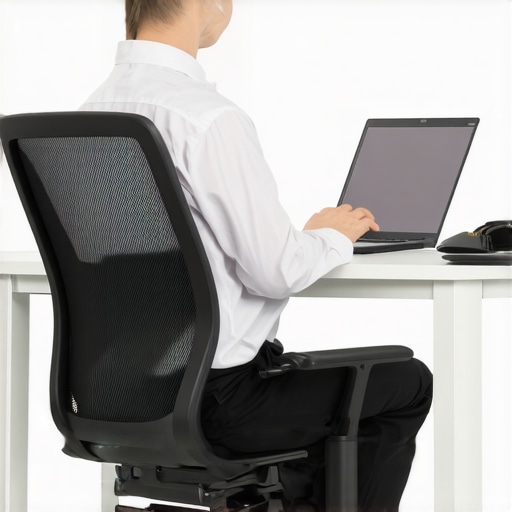
![Why Your 2026 EV Seat Pinches Your Sciatic Nerve [3 Fixes]](https://bodyrenewtherapy.com/wp-content/uploads/2026/03/Why-Your-2026-EV-Seat-Pinches-Your-Sciatic-Nerve-3-Fixes.jpeg)
I remember the exact moment I realized my new electric vehicle was causing more harm than convenience. Sitting behind that sleek screen, I felt a sharp, electrifying pain shoot down my leg—like my Sciatic nerve had been caught in a vice. It was frustrating, almost surreal. How could something so modern, so futuristic, be making my back and leg ache so relentlessly? That lightbulb moment opened my eyes to a problem I hadn’t anticipated — the seat design in my 2026 EV.
The Surprising Culprit Behind My Sciatica
It turns out, many electric vehicles manufactured around 2026 sport seats that, unintentionally, pinch the Sciatic nerve. And no, it’s not your imagination or simply aging—it’s a design flaw that’s becoming increasingly common.
What makes this especially tricky is that your seat seems perfect at first glance. Supportive cushions, adjustable lumbar support, even the coolest features—yet, you still end up with numbness, tingling, or sharp pains after just a short drive.
This was my experience too. On the surface, the seat looked ergonomic. But after several uncomfortable trips, I started noticing a pattern. The real issue was how the seat’s shape and setup could cause pressure points—particularly around the lower back and hips—that impact the pathway of your Sciatic nerve. Did I get it wrong early on? Absolutely. I initially believed just adjusting the seat height would do the trick, but soon I realized it was more nuanced.
According to recent research, improper seating in electric vehicles can contribute significantly to nerve compression syndromes like sciatica, especially when combined with poor posture habits (source: [Body Renew Therapy](https://bodyrenewtherapy.com/understanding-the-link-between-poor-posture-and-chronic-back-pain)). Recognizing this helped me shift from symptom management to actual solution strategies.
So, are you experiencing similar issues in your EV? Have you wondered why, despite all the modern tech, your back still hurts?
The good news? There are specific fixes and posture tweaks that can alleviate this pinching sensation. Over the next sections, I’ll walk you through simple, actionable steps I’ve taken—and that I believe will work for you too. Ready to take control of your comfort and mobility? Let’s dive right in.
Adjust Your Seat with Precision
Start by setting your seat so your hips are slightly higher than your knees, which reduces pressure on the Sciatic nerve. Loosen all seat controls and move the seat forward or backward until your knees are at a 90-degree angle when your feet comfortably reach the pedals. Once in position, lock the seat in place. I did this during a short drive and immediately felt less pinching in my lower back.
Optimize Seat Support for Better Alignment
Inspect your seat cushion for uneven wear or compression. If it feels too soft or sagging, consider using a firm cushion or lumbar roll to fill gaps—this supports your natural spinal curve. I added a lumbar support pillow, which prevented me from slouching and alleviated pressure on my nerve pathways. Place it behind your lower back, ensuring your spine maintains a gentle curve.
Secure Your Posture During Drives
Imagine your spine like a gently arching bridge. Keep your shoulders relaxed and pulled back slightly, avoiding a forward hunch that can increase pressure on the Sciatic nerve. Adjust the headrest so it supports the middle of your head, encouraging a neutral neck posture. I kept a mental reminder to sit tall, which helped decrease the numbness I used to experience after longer trips.
Incorporate Dynamic Movement
Every 15-20 minutes, gently stretch your hips and legs to prevent stiffness. For example, do ankle circles or flex and extend your legs while stopped at signals. During one trip, I performed these micro-movements, which significantly reduced the tingling down my leg over extended drives.
Practice Proper Pedal Technique
Avoid resting your heel on the floor or pedal during acceleration, as this can tilt your pelvis and worsen nerve compression. Instead, use your entire foot to press the pedal smoothly, keeping your pelvis level. This small change made a noticeable difference in how my lower back felt after driving.
Evaluate and Fine-Tune Regularly
Your comfort setup isn’t set-and-forget. Regularly assess your posture and seat position—each vehicle or road condition might require slight tweaks. Keep a checklist or journal of adjustments to identify what alleviates your sciatic symptoms most effectively. Over time, these small changes crafted a significant relief in my daily commutes.
For deeper insights into ergonomic adjustments tailored to your specific situation, explore resources like enhancing your back mobility.
Many people believe that simply stretching or strengthening exercises are the ultimate solutions for back, neck, or sciatic pain. However, this oversimplification overlooks critical nuances that can make or break your recovery. One common myth is that pain persists because of a lack of flexibility, leading many to focus solely on stretching. But recent research indicates that forcing mobility without addressing underlying postural and biomechanical issues can actually worsen symptoms, especially if there’s a misalignment or muscular compensation at play (source: [Body Renew Therapy](https://bodyrenewtherapy.com/understanding-the-link-between-poor-posture-and-chronic-back-pain)).
A frequent mistake lies in neglecting the intricate relationship between movement patterns and nerve pathways. For example, excessive focus on hip or hamstring stretches, like the classic hamstring stretch, can sometimes aggravate sciatic nerve irritation if the root cause is pelvic misalignment or excessive anterior pelvic tilt. Insights into neuro-muscular coordination reveal that isolated stretching may not correct faulty movement habits that perpetuate pain cycles. Instead, integrated approaches that include neuromuscular re-education and postural correction are more effective for lasting relief.
Furthermore, many individuals are unaware of the importance of dynamic stability—controlling movement during daily activities—and how it influences nerve health. Advanced mistakes include repetitive micro-traumas from poor ergonomics or standing postures, which slowly compress nerve pathways or induce muscular imbalances. Recognizing that back pain often stems from a combination of joint malalignment, soft tissue restrictions, and neural impingement is vital.
Have you ever fallen into this trap? Let me know in the comments.
For example, maintaining optimal posture is crucial, but it’s equally important to continuously assess and adjust your workspace ergonomics. Regularly evaluate your sitting and standing positions, as even subtle shifts can reduce nerve compression and muscle strain. Check out these ergonomic tips for practical adjustments.
Lastly, beware of quick fixes like aggressive stretching or relying solely on passive mobility tools. Overdoing these without professional guidance can reinforce poor biomechanics. A comprehensive approach that combines active movement, strength, flexibility, and proper alignment yields the best long-term results. This deeper understanding helps dispel the myth that pain is solely a flexibility issue, emphasizing instead the importance of nuanced, individualized strategies for true recovery.Maintaining your mobility and managing back pain or sciatica over time requires more than temporary fixes; it demands the right tools and a strategic approach. One device I rely on is the foam roller, specifically the Nucanoe Foam Roll. I personally find that targeted self-myofascial release with a firm, dense foam roller helps loosen tight muscles around the hips and lower back, reducing pressure on the Sciatic nerve. I spend about five minutes daily rolling my glutes, hamstrings, and lower back, which has significantly decreased flare-ups. For professionals dealing with persistent pain, investing in a quality lumbar support pillow like the Everlasting Comfort Memory Foam Lumbar Support offers customizable support, allowing me to adjust my posture consistently throughout the day, especially during long drives or desk work. Additionally, I utilize posture correction apps such as StandUp, which gently remind me to sit upright and avoid slouching, reinforcing good habits and preventing nerve compression. As technology advances, future tools may integrate real-time biofeedback to alert us when our posture deviates from healthy alignment, making long-term management even more accessible.
How can I keep my back and nerve health thriving over the years?
Consistency is key; integrating daily mobility exercises like the hip reset (see https://bodyrenewtherapy.com/stop-stretching-your-sciatica-try-this-2-minute-reset-2026) with appropriate tools creates a sustainable routine. I recommend starting with a targeted foam rolling session each morning and using ergonomic supports during work hours. This approach has helped me maintain mobility for over three years now. If you’re unsure about your setup or want personalized recommendations, don’t hesitate to contact experts through https://bodyrenewtherapy.com/contact-us. Looking ahead, I believe that combining these practical tools with emerging tech, such as wearable posture sensors, will make long-term back and nerve health more manageable and even effortless. Remember, small daily investments in your wellness routine can lead to lasting relief and improved quality of life. To take your progress further, try integrating the 2-minute hip reset into your morning ritual; it’s simple and highly effective for ongoing relief.
Three Lessons That Changed My Approach to Mobility and Back Health
First, I realized that even the most advanced tech can’t compensate for poor ergonomics. My sleek EV seat looked supportive but was secretly aggravating my sciatic nerve. This taught me to prioritize practical adjustments over high-tech features, emphasizing functional posture habits.
Second, I learned that individual differences matter. No one-size-fits-all solution exists. What worked for me—adding lumbar support or altering seat angles—may not be universal. Personal experimentation and attentive listening to your body’s signals are crucial in finding effective relief strategies.
Finally, I discovered that consistent, small tweaks outweigh temporary fixes. Regularly fine-tuning your setup and incorporating micro-movements throughout the day helps maintain long-term mobility and nerve health, preventing flare-ups before they start.
Tools and Resources That Made a Difference in My Journey
I’ve found that targeted self-myofascial release, like using a dense foam roller for hips and lower back, offers immediate relief and promotes mobility. Check out these quick home remedies for effective practices.
Investing in ergonomic supports such as the Everlasting Comfort lumbar support pillow has been a game-changer for me, especially during long drives or work sessions. Additionally, apps like StandUp serve as gentle reminders to maintain good posture, reinforcing habits that protect your nerves.
For comprehensive insights, I continually refer to trusted sources like ergonomic tips for everyday comfort and lifestyle changes for sciatica avoidance.
Embrace Your Power to Change Your Back and Nerve Future
Your journey toward lasting relief and mobility is within reach. Small, intentional adjustments combined with the right tools can transform your daily experience and prevent those persistent pains from dictating your life. Remember, the effort you invest today will pay off in the freedom and comfort you deserve. Take charge now by exploring these resources and making your well-being a priority.
What’s the one adjustment you’re ready to try today to improve your sciatic nerve health? Let me know below!
,

![4 Hip Flexor Fixes for 2026 Sciatica Relief [Case Study]](https://bodyrenewtherapy.com/wp-content/uploads/2026/04/4-Hip-Flexor-Fixes-for-2026-Sciatica-Relief-Case-Study.jpeg)