
How to wash your hair in the shower without neck strain

I’ll never forget the Tuesday morning my shower turned into a crime scene—well, minus the actual crime. I was just trying to rinse out a handful of expensive conditioner when I tilted my head back just a little too far. Snap. A sharp, lightning bolt of pain shot from my cervical spine straight down to my shoulder blade. I stood there, soapy and pathetic, wondering how a basic hygiene routine had suddenly become a high-stakes physical therapy session. It’s a common struggle I see all the time; we think we’re being thorough, but we’re actually wrecking our alignment. If you’ve ever felt that dreaded twinge while scrubbing, you know exactly what I’m talking about. Today, I’m going to show you how to navigate your morning routine without making your neck pain worse. We aren’t just talking about soap and water; we’re talking about preserving your mobility so you don’t spend the rest of the day looking like a stiff-necked robot. [image_placeholder_1]
Stop Tilting Your Head Back Like a Pez Dispenser
For years, I made the classic mistake of thinking I needed to stare directly into the showerhead to get a good rinse. I was basically forcing my neck into an extreme extension—a position that puts incredible pressure on those tiny joints. It turns out, that clean feeling isn’t worth a week of tension headaches. According to research cited by the Mayo Clinic, the average human head weighs about 10 to 12 pounds, but tilting it back at extreme angles can effectively increase the force on your neck structures to nearly 60 pounds. That’s like balancing a medium-sized dog on your cervical spine while you’re trying to enjoy your lavender-scented suds! When you combine that strain with the slippery environment of a shower, you’re one wrong move away from a flare-up.
Is a pain-free rinse actually possible?
I get it. You’re skeptical. You think that if you don’t tilt back, you’ll end up with a face full of stinging suds or a greasy patch at the nape of your neck. I used to think the same thing until I realized that regaining your range of motion often starts with these tiny, daily adjustments. Trust me, your hair will be just as clean, and your spine will be much happier. Have you ever had to cut a shower short because your neck or back just couldn’t take the leaning anymore? It’s a frustrating way to start the day, isn’t it? Let’s look at how we can flip the script. We’re going to dive into the exact body mechanics you need to keep your spine neutral, even when you’re scrubbing. We’ll even touch on why avoiding certain sleeping positions the night before might be making your morning stiffness even more sensitive to that shower spray.
Keep Your Chin Tucked and Your Spine Happy
The first thing you need to master is the neutral gaze during your morning scrub. Think of your neck as a stack of fragile ceramic plates; if you tilt the top one too far, the weight distribution shifts, and the whole stack becomes dangerously unstable. Instead of looking up directly into the water stream, keep your chin slightly tucked toward your chest—a move very similar to the 30-second neck tuck to stop tension headaches at your desk. This position keeps the cervical vertebrae stacked properly and prevents the tiny suboccipital muscles at the base of your skull from shortening and going into a painful spasm. To get the water where it needs to go, move your entire body as a single unit. Imagine you are a piece of heavy machinery on a swivel; you rotate from the feet and the hips rather than twisting your neck. This prevents the shearing forces that often trigger those sharp, breath-catching pains.
The Hip Hinge Secret for Rinsing Long Hair
If you have long hair, you know the struggle of getting thick conditioner out of the nape of your neck. Most people instinctively solve this by arching their upper back and throwing their head into a deep extension. This is a recipe for disaster if you are already dealing with disc issues. Instead, use a hip hinge. By slightly softening your knees and bending at the waist while keeping your back straight, you let gravity do the heavy lifting. This is essentially applying the mechanics of how to do a proper squat to protect your knees and back within the confines of your tub. I remember one Tuesday morning, frustrated by a recurring pinch that felt like a hot needle in my shoulder, I decided to treat my shower like a physical therapy session. I stood with my feet wide for stability, engaged my core, and instead of looking up at the showerhead, I leaned my whole torso forward from the hips. I looked like a confused stork, and I definitely splashed more water on the bath mat than usual, but for the first time in weeks, I finished my shower without that dreaded zap. It was a messy, wet victory, but it proved that neck pain solutions often involve engaging your lower body to protect your upper body. 
Switch to a Handheld Showerhead to Control the Angle
If you are tired of the shower dance where you are constantly dodging and weaving to get rinsed, the best investment you can make is a detachable handheld showerhead. This simple hardware swap removes the physical requirement for you to move your neck into awkward positions. Instead of being a passive recipient of the water spray, you become the active director. This level of control is one of the most effective ways to enhance your back mobility with ergonomic tips for everyday comfort because it eliminates the micro-strains that happen when you reach blindly for a bottle or struggle against a fixed nozzle. When you bring the water to your head rather than forcing your head to the water, you eliminate the mechanical disadvantage that contributes to understanding the link between poor posture and chronic back pain. It is about reducing the overhead on your nervous system by making the environment work for you, rather than against you.Most of us were taught that if something feels tight, we should pull on it. It’s a basic human instinct. But when it comes to chronic aches, this ‘stretch it until it gives’ mentality is exactly why so many people stay stuck in a cycle of inflammation.
Why Your Hamstring Stretch is Sabotaging Your Sciatica
I see this every single week: someone with shooting leg pain spends twenty minutes a day touching their toes, trying to ‘loosen up’ their hamstrings. They think they’re being proactive, but they’re actually yanking on an inflamed sciatic nerve like it’s a frayed bungee cord. Here is the nuance most people miss: nerves don’t like to be stretched; they like to slide. This is why stretching your hamstrings can actually flare up sciatica rather than fixing it. When you pull a muscle, it eventually relaxes. When you pull an irritated nerve, it protects itself by tightening even more. It’s a physiological ‘oops’ that keeps you in pain. A 2015 study published in the Journal of Orthopaedic & Sports Physical Therapy (JOSPT) confirms this, noting that aggressive static stretching can increase neural mechanosensitivity. In plain English? You’re making your nerves more ‘touchy’ and reactive to every movement you make.
Is your ‘tightness’ actually a nerve signaling for help?
If you feel a ‘tightness’ that feels more like a zing, a burn, or a dull toothache in your glute, stop stretching and start sliding. You need sciatica relief secrets that focus on nerve flossing—gentle movements that encourage the nerve to glide through its surrounding tissue without being tensioned at both ends. 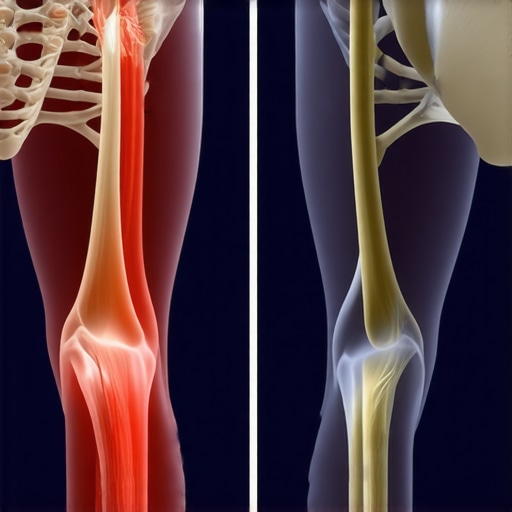
Ditch the Military Posture for Real Spinal Freedom
Another common trap is the obsession with ‘perfect’ upright posture. We’ve been told to ‘sit up straight’ for so long that we’ve collectively turned into statues. But why your perfect upright posture is actually tensing your spine comes down to muscle fatigue. Holding a rigid, military-style pose requires constant isometric contraction of the small paraspinal muscles. Eventually, they give out, and you end up with more spasms than if you had just relaxed. True mobility mastery isn’t about finding one perfect position and staying there; it’s about the ability to move through many positions without fear. You should also stop stretching your back into a C-shape if you’re currently in an acute flare-up, as this can increase intradiscal pressure. Instead of forcing a stretch, focus on small, frequent movements that break up the ‘stiction’ in your joints. You might even find that how a stiff ankle is actually causing your recurrent lower back aches is the missing piece of your puzzle, as limited ankle range forces the lumbar spine to overcompensate during every step. For those with upper body issues, remember that why your shoulder blade pain might be a rib out of place is a common nuance that stretching your neck simply won’t fix. Have you ever fallen into the ‘stretch harder to fix it’ trap? Let me know in the comments.Maintaining your progress is where most people fail because they stop doing the ‘boring’ stuff once the sharp pain disappears. I’ve found that the best way to keep your results is to automate your environment. For me, that meant ditching the fancy ergonomic chair for a simple, firm seat paired with a specific lumbar roll. If you’ve ever wondered why your lumbar support might be making your back stiffer, it’s usually because it’s placed too high or is too soft to actually support the weight of your torso. I personally swear by the McKenzie Method’s principles of ‘spine hygiene.’ Dr. Stuart McGill, a world-renowned spine biomechanics expert and author of Back Mechanic, emphasizes that we only have a certain number of ‘flexion cycles’ in our discs before they start to wear out. By treating your spine like a bank account—saving your movements for when they really matter—you avoid the bankrupting pain of a relapse.
Can you actually keep your spine healthy as you get older?
Absolutely, but it requires a shift from ‘fixing’ to ‘managing’ through constant, small environmental adjustments. This is why I always recommend mobility mastery through daily tips rather than a once-a-week gym session. I also use a simple tennis ball for self-massage. It sounds low-tech, but learning how a simple tennis ball can fix deep glute tension has saved me hundreds in massage therapist bills. As we look toward 2025, I predict we will see a massive shift toward bio-feedback wearables—sensors built into shirts that vibrate when you’ve been in a slouched position for more than three minutes. We are moving away from passive treatments and toward active, real-time data that helps us correct habits as they happen. 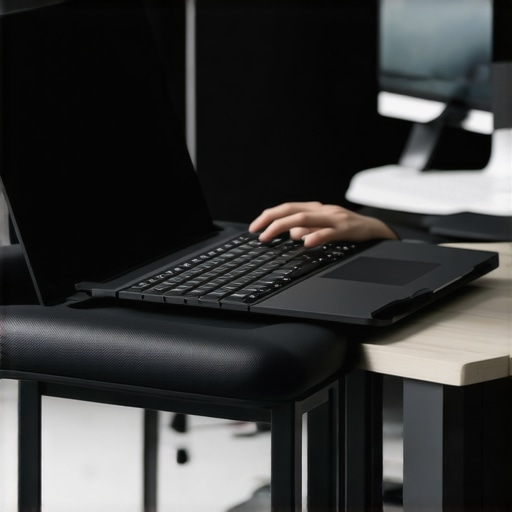
Invest in Tools That Do the Thinking for You
If you work from home, your setup is likely your biggest enemy. I spent months trying to figure out why my neck felt like it was in a vice until I realized my monitor was three inches too low. Learning how your monitor height is causing those recurring headaches was a total game-changer. I now use a dedicated laptop riser and an external keyboard so my hands and eyes can operate on different planes. It’s an easy way to enhance your back mobility with ergonomic tips without having to think about your posture every second of the day. If you’re struggling with leg issues, don’t overlook your footwear. Switching to shoes that allow for natural foot spread and zero-drop alignment is one of those lifestyle changes for better quality of life that people often ignore. This isn’t just about comfort; it’s about how your foundation affects your entire kinetic chain. My challenge for you today is simple: go into your bathroom and check your mirror. If you have to tilt your head or slouch to see yourself, raise that mirror or change your stance. Start with one small environmental tweak today and feel the difference by tomorrow.
The One Lesson My Body Took Years to Teach Me
I spent years thinking I could ‘muscle through’ the discomfort, but my biggest lightbulb moment was realizing that my body wasn’t failing me; I was failing to listen to it. First, I learned that pain isn’t a sign to stop moving—it’s a sign to change *how* I move. If you’re constantly wondering is your back pain a sign of something more serious, it’s usually your body’s way of asking for better mechanics during mundane tasks. Second, I realized that the most ‘boring’ changes, like why your wallet belongs in your front pocket to save your hips, often yield the biggest long-term results. Finally, I stopped seeking a ‘cure’ and started seeking a lifestyle of back pain breakthroughs through small, daily wins.
What Lives in My Own Home Care Kit
I don’t believe in expensive gadgets that gather dust. Instead, I rely on a few specific tools that align with the principles of biomechanics. I always recommend Back Mechanic by Dr. Stuart McGill; it’s the only book that actually explains the ‘why’ behind disc health. For physical tools, a high-quality handheld showerhead is non-negotiable for anyone with chronic stiffness. I also keep a simple set of tennis balls nearby because how a tennis ball can relieve deep glute and sciatic pain is a secret every desk worker needs to know. These aren’t just things I use; they are the foundation of my personal boost in back mobility that keeps me out of the doctor’s office.
Start Reclaiming Your Morning Right Now
Your morning routine should be a sanctuary, not a source of stress. Whether it’s adjusting your rinse angle or learning the proper way to brush your teeth without straining your back, these seconds of mindfulness add up to years of freedom. You have the power to stop the cycle of neck pain today by simply deciding that your alignment matters more than doing things the ‘usual’ way. You’ve got this, and your spine will thank you for the extra care.
Have you ever noticed a sharp twinge while doing something as simple as washing your hair or reaching for the soap? Let me know in the comments below!