
The correct way to wear a backpack to avoid mid-back fatigue
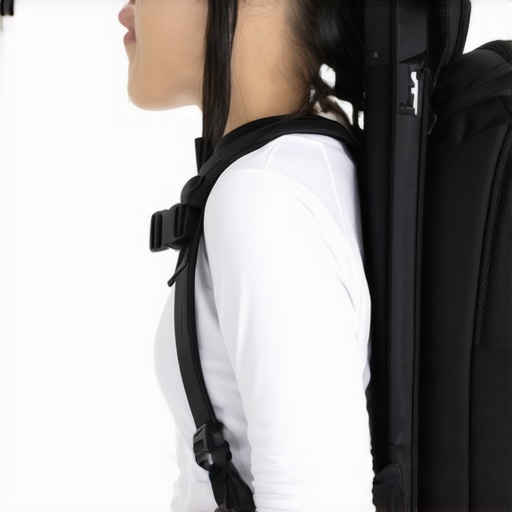
I’ll never forget the afternoon my back finally gave out. I was halfway through a weekend hike, my trusty backpack loaded with gear, when a sharp, nagging ache settled right between my shoulder blades. I adjusted the straps. I shifted the weight. Nothing worked. By the time I got back to the car, my mid-back felt like it was being squeezed in a vice. I spent the next three days wondering is your back pain a sign of something more serious or if I was just getting old. The truth was much simpler: I was wearing my pack all wrong, and my muscles were screaming for mercy. If you’ve ever felt that burning sensation after a long day of carrying a bag, you aren’t alone. We’re going to fix that today by looking at the small, often-overlooked adjustments that make a massive difference in your daily comfort.
Ditch the Low-Slung Look to Protect Your Rib Cage
For years, I made the classic mistake of letting my backpack sag toward my lower back. I thought it looked relaxed, but my body was doing anything but relaxing. When your bag hangs too low, it creates a massive lever effect that pulls your shoulders back and forces your mid-back to overcompensate. This is often why you feel a burning sensation between your shoulder blades after just twenty minutes of walking. It turns out that according to the American Occupational Therapy Association, a backpack should never weigh more than 10% to 15% of your body weight and must be positioned to distribute that weight evenly across the strongest muscles. I used to ignore the chest and waist straps because I felt they were too ‘intense’ for a simple walk to the coffee shop. That was a huge error. Without those stabilizers, the bag bounces with every step, creating micro-traumas in your soft tissue. If you’ve been struggling with chronic mid-back stiffness, it might not be your chair—it might be your commute. Have you ever noticed your posture change the second you put your bag on?
Does adjusting my straps really matter that much?
You might be skeptical. You might think your back is just ‘weak’ or that you need more gym time to handle the load. But even the strongest athlete will eventually crumble under poorly distributed weight. When you learn how to carry a heavy backpack without leaning forward, you stop fighting your own center of gravity. It’s about working with your anatomy, not against it. By the end of this guide, you’ll know exactly how to dial in your fit so you can walk for miles without that familiar mid-day fatigue. It’s time to enhance your back mobility by simply tightening a few buckles and rethinking how you load your gear.
Keep the Heaviest Items Tucked Against Your Spine
Think of your backpack like a see-saw. If you place your heaviest gear—like a laptop, a thick textbook, or a full water bladder—at the very back of the bag (furthest from your body), it creates a massive lever effect. This pulls your center of gravity backward, forcing you to lean forward just to stay upright. To fix this, always slide the densest objects into the sleeve closest to your back panel. When I first started hiking, I used to just toss my heavy camera gear into the main compartment wherever it fit. By mile three, I was hunched over like a question mark. The moment I started packing the heavy stuff against my spine, the constant tugging on my traps disappeared. This simple change is the first step in learning how to carry a heavy backpack without leaning forward.
Tighten the Hip Belt Before Touching the Shoulders
Most people put their bag on and immediately yank the shoulder straps tight. This is a mistake. You want your pelvis to do the heavy lifting, not your delicate neck and shoulder muscles. Start by loosening all the straps. Put the bag on, and fasten the waist belt first. It should sit right on top of your hip bones (the iliac crest), not around your soft belly. Tighten it until you feel the weight shift from your shoulders down to your legs. This transition is vital because understanding the link between poor posture and chronic back pain starts with where you carry the load. If you feel a pinching sensation in your lower half, you might be over-tightening, which is why some sciatica relief secrets how to banish pain quickly today focus so heavily on hip mobility and proper weight distribution. 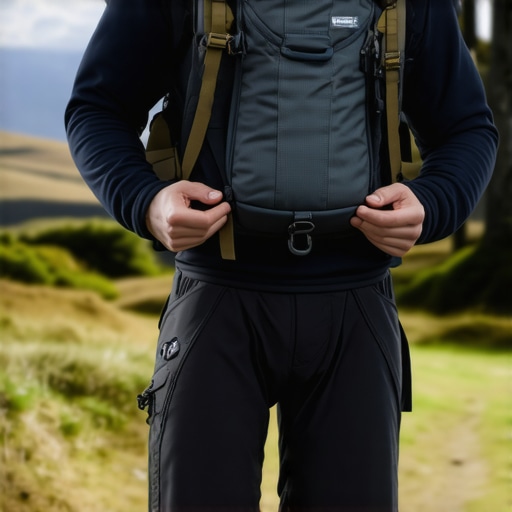
Use the Chest Strap to Free Your Rib Cage
Once the waist is set, pull the shoulder straps until the bag snuggly hugs your back, then clip the sternum (chest) strap. This strap isn’t just for show; it pulls the shoulder straps inward, preventing them from digging into your armpits and compressing the nerves that lead to your hands. However, don’t crank it so tight that it restricts your breathing. I once made the mistake of cinching my chest strap so hard during a climb that I couldn’t take a full breath, which ironically made my back tighter. This is a common breathing habit that is keeping your back muscles tight without you even realizing it. The goal is to keep the straps stable while allowing your chest to expand. This balance is critical because why your rib cage position determines your shoulder health is all about maintaining enough space for your diaphragm to move.
The Two-Finger Gap Test for Daily Comfort
After you think you’re locked in, perform a quick check. You should be able to slide two fingers between the top of the shoulder strap and your shoulder blade. If it’s tighter than that, you’re likely compressing the upper trapezius, which leads to those mid-afternoon tension headaches. If it’s looser, the bag will sway, creating friction and instability. Maintaining this small gap is a key part of mobility mastery daily tips to keep your spine and joints healthy. If you still feel stiff after adjusting, try the 30-second doorway stretch for people who work at a laptop to reset your chest muscles before you head out. Constant micro-adjustments throughout your walk will keep your muscles from locking into one guarded position.But here is where things get counterintuitive. We’ve been told since kindergarten to ‘stand up straight,’ but in my experience, why standing up straight is actually making your back pain worse is a reality for many. When you force a rigid, military-style posture, you aren’t actually supporting your spine; you’re just fatiguing your stabilizers. This creates a state of ‘hyper-vigilance’ in your muscles. They never get a chance to relax because you’re constantly bracing. One major ‘oops’ factor I see often is people over-engaging their core during a simple walk. They think they’re protecting their discs, but they’re actually increasing intra-abdominal pressure and locking the pelvis. This is a classic trap where why a tight psoas is often actually a weak psoas comes into play. If your psoas is constantly ‘on’ because you’re bracing your spine, it stops acting as a dynamic muscle and starts acting like a tether, pulling your lower back into a permanent state of tension.
Why Forcing a Straight Back Is Backfiring
To fix this, we need to address the ‘pelvic tilt’ myth. Many people are told they have an ‘anterior pelvic tilt’ and spend hours trying to tuck their tailbones under. Tucking your tailbone can actually flatten the natural lumbar curve, leading to disc compression. This is a core concept in back pain breakthroughs navigating your path to restored mobility: realizing that your body needs that curve to absorb shock. If you take it away in the name of ‘alignment,’ you’re just transferring that force to your knees and neck.
Is Your Rigid Core Work Actually Increasing Your Nerve Compression?
The answer usually lies in the lack of micro-movements. According to a study published in the *Journal of Physical Therapy Science*, there is no single ‘ideal’ static posture that prevents pain; rather, the healthiest posture is a dynamic one. When you sit in that ‘perfect’ 90-degree angle, you are actually concentrating the load on specific vertebrae. This is why I often suggest overcoming sciatica top lifestyle changes for better quality of life involves more movement, not more ‘correct’ sitting. If you’re trying to be a statue, you’re going to crumble. 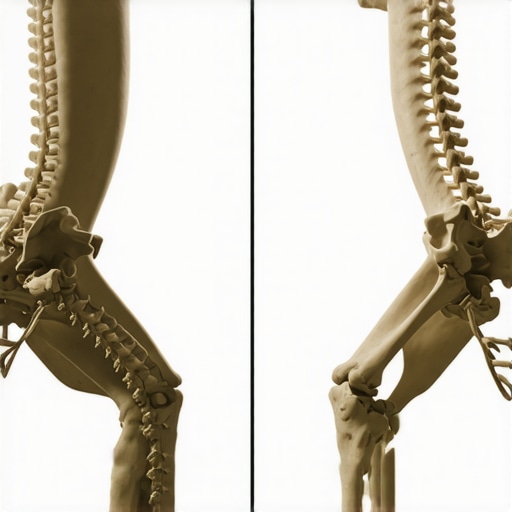
Drop the Rib Cage to Save Your Neck
Lastly, don’t ignore the role of the rib cage. If your ribs are constantly flared upward—which happens when you ‘pin your shoulders back’—your diaphragm can’t drop properly. This forces you to use your neck muscles to breathe. It’s a vicious cycle. If you’ve been searching for neck pain solutions proven techniques to regain your range of motion, start by letting your ribs drop down and your shoulders relax forward slightly. It feels ‘wrong’ because it’s not the stiff pose we were taught, but it’s how your body was designed to function. Your neck pain and stress how to break the cycle for good are often linked to this exact bracing behavior. Have you ever fallen into this trap of trying so hard to have ‘good posture’ that you actually ended up in more pain? Let me know in the comments. If you’re wondering is your back pain a sign of something more serious, see if your pain subsides when you stop ‘trying’ to hold yourself up so rigidly. For professional guidance, you can always contact us to dive deeper into your alignment.
Once you stop fighting your own anatomy, you need a toolkit to keep those gains. I don’t mean a five-thousand-dollar ergonomic chair that looks like a cockpit. In fact, most of the equipment I use daily fits inside a small gym bag. When I realized that my back pain wasn’t a life sentence but a mechanical issue, I started looking for ways to maintain that freedom without needing a therapist on speed dial. One of the most effective items I carry is a simple tennis ball. It sounds too basic to be true, but learning how a simple tennis ball can release your deep glute tension saved me during a twelve-hour road trip last summer. By placing it right against the gluteus medius while sitting, you can prevent the entire pelvic chain from locking up before the pain even starts.
The Secret Weapon Hiding in My Gym Bag
I also became obsessed with my workspace layout. I used to think a laptop stand was enough, but I learned the hard way that why your laptop stand might be making your neck knots worse often comes down to keyboard height. Now, I follow the 15-degree rule for your computer monitor to save your neck, ensuring my eyes are level with the top third of the screen. This small adjustment keeps my cervical spine in a neutral position, preventing the ‘heavy head’ feeling by mid-afternoon. If you’re working from home, you don’t need a massive budget; you just need to know how to set up your home office for less than fifty dollars using things you already own, like books to elevate your screen or a rolled-up towel for lumbar support.

Can I actually keep these results for the long haul?
Maintenance is where most people fail because they treat mobility like a temporary fix rather than a lifestyle. I look at it like brushing my teeth. As Dr. Stuart McGill, a renowned expert in spine biomechanics and author of Back Mechanic, often points out, the goal is to build ‘spine hygiene’ into your daily movements. This means instead of one hour of intense stretching, you focus on small, frequent resets. I personally swear by mobility mastery daily tips to keep your spine and joints healthy, such as taking a ‘movement snack’ every sixty minutes. Even a simple change like the simple footstool trick to stop lower back pain while sitting can prevent the sciatic nerve from being compressed during long Zoom calls. These micro-habits are what lead to back pain breakthroughs navigating your path to restored mobility over months and years, not just days.
Look Into the Future of Spinal Health
As we move further into this decade, I predict we are going to see a massive shift toward wearable biofeedback. In my view of unlocking mobility expert tips on managing back pain in 2025, we won’t just be guessing about our posture; our clothes or even small sensors behind our ears will provide haptic feedback when our breathing becomes shallow or our shoulders creep toward our ears. This real-time data will make overcoming sciatica top lifestyle changes for better quality of life much easier to track and achieve. But until that tech is universal, we have to rely on our own body awareness. I challenge you to try the 10-second wall slide for instant shoulder tension relief right now. Stand against any flat surface and feel your shoulder blades engage. It’s the fastest way to reset your system when you feel that familiar burn starting to creep back in.
Three Hard Lessons I Learned While Healing My Spine
The biggest lightbulb moment for me was realizing that my body was often using stiffness as a protective shield. I spent years forcing a military posture, only to find out why standing up straight is actually making your back pain worse by locking my joints into a fragile, over-tensioned state. Another hard lesson? My back pain wasn’t always a back problem. Sometimes the tension started in my feet after a long hike, and I found that the 2-minute foot massage that helps your lower back relax did more for my spine than a dozen aggressive stretches ever could. Lastly, I learned to stop fear-avoiding movement; your back is designed to be a dynamic shock absorber, not a rigid statue.
My Personal Gear List for Constant Comfort
You don’t need a massive budget to fix your mechanics. I rely on a few specific tools that keep me mobile regardless of whether I’m on a trail or at a desk. First, I always have a tennis ball nearby to release deep glute tension during long drives. Second, I’ve optimized my workspace using how to set up your home office for less than fifty dollars, focusing specifically on monitor height to prevent ‘text neck.’ Finally, I highly recommend Dr. Stuart McGill’s work on spine hygiene; his approach provides the biological ‘why’ behind the movements that actually protect your discs for the long haul. These aren’t just gadgets; they are my daily insurance policy against stiffness.
#IMAGE_PLACEHOLDER_E#
Your Path to a Healthier Back Starts Today
Living with back pain often feels like a life sentence, but it doesn’t have to be. By adjusting your backpack, rethinking your posture, and incorporating frequent ‘movement snacks,’ you can reclaim your freedom of movement. The goal isn’t perfect alignment 100% of the time; it’s consistency in small, smart habits. As you work to enhance your back mobility, you’ll notice that the ‘burning’ and ‘aching’ start to fade into the background of a more active life. Don’t be afraid to take that first step today. Have you tried adjusting your chest strap yet, and did it change how deeply you could breathe during your walk? Let me know in the comments below!