
The wall-supported move that fixes slumping posture fast
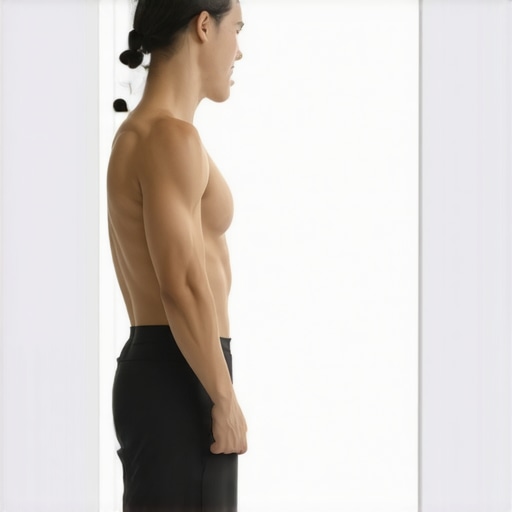
I remember the exact moment I realized my posture was a disaster. I was catching my reflection in a store window downtown, and I actually looked around to see who that slumped-over person was. It was me. My shoulders were practically touching my ears, and my mid-back had developed this permanent, heavy ache that no amount of “sitting up tall” could fix. I felt like a human accordion. For years, I’d just accept it as part of the job, but that day, the burning sensation between my shoulder blades was so intense I knew something had to change. We often think of posture as a vanity issue, but it’s really about how your body handles gravity. If you’ve been feeling that familiar tightness, you are definitely not alone.
Your Spine Is Paying the Price for Your Digital Life
We spend hours hunched over laptops and phones, unknowingly training our bodies to collapse. It’s more than just looking tired; it’s a structural shift that leads to some nasty side effects. I spent way too much money on fancy ergonomic chairs, but I eventually realized why your desk chair height is wrecking your hips and that a chair alone can’t fix a weak foundation. According to a study published in Surgical Technology International, tilting your head forward 60 degrees to look at a phone can put up to 60 pounds of pressure on your cervical spine. That’s like carrying an average-sized eight-year-old on your neck all day! This constant strain is why your reading habit is causing that hump in your neck. Today, I want to show you the one wall-supported move that changed everything for me. It’s fast, it’s free, and it actually works to reverse the damage. Have you ever caught your reflection and felt shocked by your own slouch?
Is This Simple Wall Move Actually Worth Your Time?
You might be thinking that standing against a wall sounds too simple to be effective. I was skeptical too. Early on, I made the classic mistake of thinking I needed to do heavy gym lifting to fix my back, but I just ended up needing to stop pulling my knees to my chest for back relief because I was over-stretching the wrong areas. The reality is that the wall slide isn’t about brute strength; it’s about recalibrating your nervous system and opening up the chest while engaging the muscles that keep your shoulder blades in place. It’s the ultimate thoracic bridge move that fixes slouching by tackling the root cause. When you understand the link between poor posture and chronic back pain, you realize that five minutes against a flat surface can save you years of discomfort. This move specifically targets the fix for that constant burning sensation between your shoulder blades that most of us just live with. Now, let’s get into exactly how to set this up so you don’t make the same alignment mistakes I did.
Mastering the Wall Slide to Erase That Mid-Back Ache
To get this right, you have to treat your spine like the mast of a ship—it needs tension and support in all the right places, or the whole thing tips. Start by standing against a flat wall with your feet about six inches away from the baseboard. This isn’t about standing perfectly vertical; it’s about creating a stable base. Lean back so your glutes, upper back, and the back of your head are all making contact. I remember the first time I tried this; I was so tight that my lower back arched immediately, leaving a gap big enough for a cat to crawl through. I was fighting my own stiffness. That’s the first mistake to avoid: letting your back lift off the surface just to reach higher.
Flatten Your Back Against the Wall
The secret sauce here is your core. If your lower back is arching, you aren’t actually stretching your chest; you’re just hinging at your spine. Think about pulling your belly button toward the wall. This is a crucial part of mobility mastery. Once your spine is flat, bring your arms up into a ‘W’ shape. Your elbows and the backs of your hands should ideally touch the wall. If they don’t, don’t force it. Forced movement is exactly why you should stop stretching your back into a c-shape when seeking relief, as it compromises your alignment for the sake of range. 
Slide with Control Not Speed
Slowly slide your hands upward, keeping your elbows and wrists glued to the wall. This is the ultimate 30-second wall stretch that releases shoulder blade knots. If your hands start to lift off, stop there—that’s your current limit. I used to get frustrated when I couldn’t reach full extension, but then I realized my body was just protecting itself from years of hunching. Consistency here is better than how high you go. This move is a powerful way to boost your back mobility because it forces the small stabilizer muscles to wake up and do their job.
Don’t Let Your Chin Jut Forward
As you move your arms up, your head will naturally want to poke forward like a turtle. Resist it. Tuck your chin slightly as if you’re making a ‘double chin’ to keep your neck aligned. This prevents the strain that leads to lasting pain. If you feel a burning sensation, that’s often your nervous system recalibrating. It’s similar to the 30-second neck tuck that stops headaches before they start. When I finally mastered this, the persistent ache I had while working disappeared within a week, even though I hadn’t changed how to adjust my monitor yet. The wall slide provides the structural reset your body craves after hours of digital collapse.While the wall slide is a game-changer, I need to address the elephant in the room: the ‘perfect posture’ myth. We’ve been told since kindergarten to sit up straight and pull our shoulders back, but in my experience, trying to maintain a rigid, military-style posture is exactly why your perfect sitting posture is making you stiffer. The human spine isn’t a steel beam; it’s a dynamic shock absorber. When you force it into a static position for hours, you aren’t ‘fixing’ your posture; you’re creating chronic muscle guarding. Dr. Stuart McGill, a leading expert in spine biomechanics, emphasizes that ‘movement variability’ is more important than any single posture. If you’re sitting perfectly still, you’re losing. This is where most people fail—they treat their body like a statue instead of a living system.
Is Your Sciatica Actually Coming from Your Hamstrings?
This is a question I get constantly from people who have been stretching their legs for months with zero results. Here is the contrarian truth: that ‘tightness’ you feel in the back of your leg might not be a muscle issue at all. If you have nerve irritation, reaching for your toes is often the worst thing you can do. This is why stretching your hamstrings often makes your sciatica worse; you are literally ‘tugging’ on an already inflamed nerve. Instead of aggressive stretching, you need to focus on the nerve glide exercise that calms burning leg pain. It’s about creating space, not more tension. 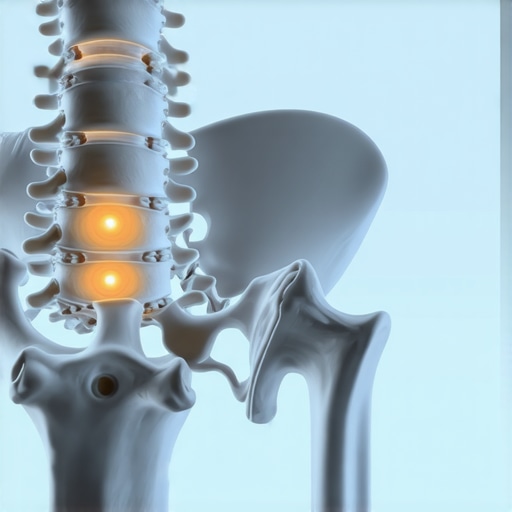
Stop Obsessing Over Core Strength Alone
Another massive trap is the belief that ‘more planks’ will solve a bad back. I’ve seen athletes with six-packs who can’t touch their knees because their pelvis is stuck. You have to understand why your core strength won’t fix your back if your hips are locked. If your hip joints don’t rotate, your lower lumbar spine is forced to rotate instead, and that’s a recipe for a disc injury. We often look at the site of the pain, but the source is usually a joint above or below it. For instance, did you know your head tension might start in your mouth? There is a profound connection between jaw clenching and chronic neck pain that most people ignore. If you’re grinding your teeth at night, no amount of neck stretching will provide innovative strategies for fast recovery until you address that cranial tension. Have you ever fallen into the trap of ‘stretching through the pain’ only to wake up stiffer the next day? Let me know in the comments, because I’ve definitely been there. Real progress comes from unlocking mobility through smart mechanics, not brute force.
I’ve wasted hundreds on high-vibration massage guns, but honestly, they often just numb the area without solving the underlying tension. My favorite tool—and the one I recommend to everyone—is a plain, five-dollar tennis ball. I use it because it allows for a level of precision that a foam roller or a bulky machine just can’t match. By pinning a tennis ball between your shoulder blades and the wall, you can hunt down those ‘trigger points’ and breathe into them until they melt. It’s the same logic behind how a simple tennis ball can fix deep glute tension or how to use a tennis ball to release tension in your upper traps. This isn’t about pummeling your muscles into submission; it’s about localized pressure that signals your brain to let go of the ‘guarding’ reflex that keeps you stiff.
How can I actually keep these mobility gains for the long haul?
The biggest mistake I see is the ‘sprint and stop’ approach. People work hard for two weeks, feel better, and then go right back to the exact habits that broke them in the first place. You have to realize why maintenance care is better than waiting for a spinal crisis. I treat my movement like brushing my teeth—it’s a non-negotiable daily ritual. This means integrating mobility mastery directly into my workday. According to Robin McKenzie’s technical research in the book ‘Treat Your Own Back,’ maintaining a consistent lumbar lordosis (the natural inward curve of your low back) while sitting is the single most effective way to reduce intradiscal pressure and prevent painful disc protrusions. I personally use a small lumbar roll, which is a total life-saver when you are trying to enhance your back mobility through simple ergonomic tweaks.

The future of spinal health is hiding in your shirt
Beyond tools, you need to look at your environment as a living system. If your screen is too low, your neck is essentially doomed to strain. I’ve written extensively about how to adjust your monitor to stop that burning neck pain because if your workspace is working against you, no amount of stretching will save you. Looking ahead, I predict the next five years will bring a surge in biometric wearable tech—specifically haptic-feedback sensors woven directly into shirts that gently vibrate when your thoracic spine rounds too far. This ‘real-time’ correction will be a massive shift in managing back pain in 2025 and beyond. For now, don’t wait for a fancy shirt to save you. My advanced tip for you today: try the 10-second hip reset every single time you stand up from your chair. It recalibrates your pelvis and prevents that ‘locked’ feeling that usually ruins your evening after a long day of work.
Why Chasing Perfection Made My Back Stiffer
I used to think I could solve my body once and for all by simply forcing myself into a military-straight position. I was wrong. The biggest lesson I learned was that movement is medicine, but it has to be the right kind. I spent months doing the wrong stretches before realizing that my body was bracing against the very things I thought were helping. For example, I found out the hard way why stretching your hamstrings often makes your sciatica worse by aggravating the nerves. Another lightbulb moment was realizing my neck pain and stress were in a feedback loop; my brain was tensing my shoulders to protect me from psychological deadlines. Real progress started when I stopped fighting my body and started listening to its signals.
The Tools I Actually Use Every Single Day
You do not need a thousand-dollar home gym or high-end gadgets to see results. I swear by a five-dollar tennis ball as my secret weapon because I can use a tennis ball to release tension in your upper traps with more precision than any machine. I also never travel or work without a small roll to support my lower spine; I had to learn how to use a lumbar roll to prevent mid-day back fatigue during those long eight-hour sessions. These tools, paired with mobility mastery, create a sustainable environment for your spine. I trust these methods because they focus on long-term structural changes rather than the quick, temporary fixes that lead to a cycle of frustration.
You Do Not Have to Live with a Stiff Spine
Reclaiming your body takes time, but the relief is worth every ounce of effort. You are not destined to be a human accordion just because you work at a computer. Start small by doing one wall slide between your morning meetings or using swift relief for sciatica techniques when you feel a lower body flare coming on. You now have the knowledge to navigate your own back pain breakthroughs and move with confidence again. Remember, your body wants to be in balance; you just have to give it the right environment to get there. Consistency is the only bridge between chronic back pain and lasting freedom. What is the one area where you feel the most stuck during your workday—is it your neck, your mid-back, or your hips? Let me know in the comments below.