
Why you should avoid the ‘cobra’ stretch during a back spasm
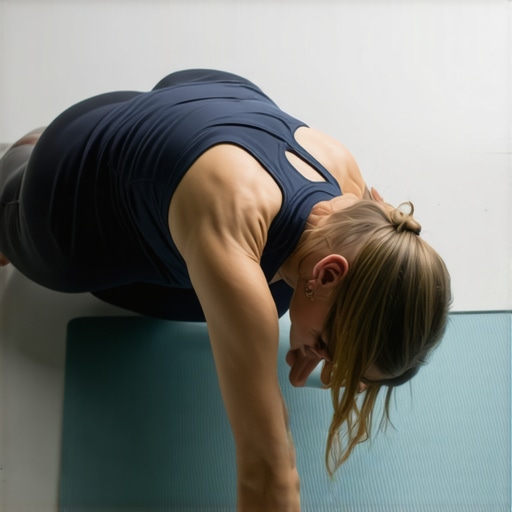
I was face-down on my living room rug, sweating, and wondering if I’d have to call my sister to come unlock the front door because I physically could not stand up. It was a classic ‘threw out my back’ moment. Naturally, I did what I thought was the ‘right’ thing. I channeled my inner yogi and pushed my chest off the floor into a deep, arching cobra stretch. CRACK. It wasn’t the satisfying release I expected. It was a lightning bolt of agony that felt like someone had jammed a live wire into my lumbar spine. I’ve been there, and I’ve made that exact mistake more times than I’d like to admit. If you are currently gripping the side of your chair or wondering is your back pain a sign of something more serious, let me save you a lot of heartache: put down the yoga mat for a second. Today, we are going to dive into why your body is actually trying to protect you by locking up, and why forcing it into extension is the fastest way to turn a two-day twinge into a two-week nightmare. Have you ever tried to ‘stretch out’ a spasm only to have it bite back even harder?
Stop Pushing Through the Pain When Your Back Locks Up
The biggest mistake I made early on was treating a back spasm like it was just a tight muscle that needed a good pull. It isn’t. A spasm is a protective ‘splinting’ mechanism. Your brain has detected a perceived threat—maybe a disc issue or a joint tweak—and has commanded your muscles to clamp down like a vice to prevent further movement. When you force a cobra stretch, you are essentially trying to break a lock that your body put there for a reason. Instead of finding relief, you end up triggering more inflammation. I learned the hard way that how a simple breath reset can calm a back spasm is infinitely more effective than trying to manhandle your vertebrae into a shape they aren’t ready for. Extension-based stretches during an acute flare-up can actually increase intradiscal pressure or irritate the facet joints further. According to clinical observations in the Journal of Manual & Manipulative Therapy, aggressive spinal extension in the presence of acute guarding can lead to increased neural tension. It’s much better to focus on simple exercises that make a difference without the high-intensity arching.
Can a Gentle Yoga Move Really Do That Much Damage?
You might be thinking, ‘But my yoga instructor always says cobra is the best for back health!’ They aren’t wrong—for a healthy, mobile spine. But the rules of the game change completely the moment you are in an acute inflammatory state. I used to think I was being ‘tough’ by pushing through the discomfort, but I was actually ignoring the very signals meant to keep me out of the doctor’s office. If you’re struggling right now, checking the specific way to sit on a couch to avoid lower back spasms is a much better first step than trying to perform advanced gymnastics on your carpet. We need to respect the spasm, not fight it. Let’s look at what’s actually happening under the skin when those muscles seize up.
Ditch the Force and Breathe Your Way to Relief
Instead of pulling on the muscle like a stubborn rubber band, you need to speak the language of your nervous system. The most direct line to your brain’s ’emergency brake’ is your diaphragm. When I was stuck on that rug, I finally stopped arching my spine and focused on the 10-second breathing trick for instant lower back relief. It sounds almost too simple to be true, but by expanding your lower ribs and belly, you create internal pressure that stabilizes the spine from the inside out. This ‘air-bag’ effect provides support without requiring your exhausted back muscles to do any heavy lifting. I used this exact method last winter when I tweaked my back shoveling snow; by focusing on the breath rather than the stretch, I felt the ‘grip’ of the spasm loosen in under five minutes. When you are in the middle of a flare-up, how a simple breath reset can calm a back spasm is your most powerful tool to lower the volume on pain signals before they become chronic. 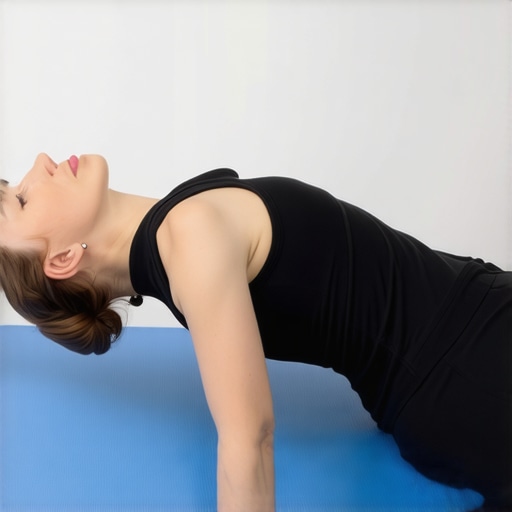
Your Favorite Sitting Posture Might Be Making You Stiffer
Most people think they need to sit up like a soldier to protect their spine, but that rigid ‘upright’ position can actually keep your back in a state of high alert. I spent years trying to maintain a ‘perfect’ posture at my desk, only to realize why your perfect sitting posture is making you stiffer: it creates a constant, low-level contraction in the lumbar muscles. During an acute episode, you need a ‘neutral safe harbor.’ This doesn’t mean slouching into a beanbag, but it does mean allowing the spine to rest in its natural curves. If you’re trying to sleep through the pain, learning how to sleep with a pillow between your knees for back relief is a game changer. It prevents your top leg from pulling your pelvis into a rotation that yanks on your sensitive lower vertebrae all night long.
Move Your Hips to Give Your Spine a Break
The real secret to lasting relief is shifting the workload. If your back is in a spasm, it has officially retired from active duty. It is not going to help you move, so you have to recruit the neighbors. I often tell my clients that why your core strength wont fix your back if your hips are locked is the most important concept in mobility. If your hip joints are stiff, every time you take a step or reach for a coffee mug, your lower back is forced to compensate. This is how the cycle of pain repeats. I recall being in a hotel room, barely able to reach the TV remote because my back was so tight. Instead of trying to touch my toes—which would have been a disaster—I performed a 10-second hip reset against the wall. By waking up my glutes and ‘opening’ the hip capsule, I showed my brain that my hips were ready to take the load. Within minutes, the tension in my back dropped significantly. You can’t force the back to move; you have to prove to your brain that your hips can handle the work. If you are curious about your own limitations, you should learn how to check your own hip mobility in under a minute to see if your hips are the silent saboteur behind your recurring pain.
O n e o f t h e b i g g e s t ‘ e x p e r t s – s a y ‘ m y t h s t h a t d r i v e s m e c r a z y i s t h e o b s e s s i o n w i t h s t r e t c h i n g y o u r h a m s t r i n g s t o f i x l o w e r b a c k p a i n . Y o u ’ v e h e a r d i t a t h o u s a n d t i m e s : ‘ Y o u r b a c k h u r t s b e c a u s e y o u r h a m s t r i n g s a r e t i g h t . ‘ S o , y o u s p e n d t w e n t y m i n u t e s a d a y t r y i n g t o t o u c h y o u r t o e s , y e t t h e p a i n n e v e r b u d g e s . H e r e i s t h e h i d d e n n u a n c e : m o s t o f t h e t i m e , t h o s e h a m s t r i n g s a r e n ‘ t a c t u a l l y s h o r t ; t h e y a r e i n a s t a t e o f ‘ p r o t e c t i v e t e n s i o n ‘ b e c a u s e y o u r s c i a t i c n e r v e i s b e i n g i r r i t a t e d . W h e n y o u y a n k o n y o u r h a m s t r i n g s , y o u a r e n ‘ t l e n g t h e n i n g a m u s c l e ; y o u a r e l i t e r a l l y p u l l i n g o n a n i n f l a m e d n e r v e l i k e a b o w s t r i n g . T h i s i s e x a c t l y < a h r e f = " h t t p s : / / b o d y r e n e w t h e r a p y . c o m / w h y - s t r e t c h i n g - y o u r - h a m s t r i n g s - o f t e n - m a k e s - y o u r - s c i a t i c a - w o r s e " > w h y s t r e t c h i n g y o u r h a m s t r i n g s o f t e n m a k e s y o u r s c i a t i c a w o r s e < / a > . I ’ v e s e e n p a t i e n t s w h o w e r e o n e s t r e t c h a w a y f r o m a f u l l – b l o w n f l a r e – u p b e c a u s e t h e y d i d n ‘ t r e a l i z e t h e < a h r e f = " h t t p s : / / b o d y r e n e w t h e r a p y . c o m / t h e - h i d d e n - r e a s o n - y o u r - h a m s t r i n g s - a l w a y s - f e e l - t i g h t " > h i d d e n r e a s o n y o u r h a m s t r i n g s a l w a y s f e e l t i g h t < / a > i s o f t e n a n e u r a l d e f e n s e m e c h a n i s m , n o t a l a c k o f f l e x i b i l i t y . < / p > < h 3 > I s I t a M u s c l e P u l l o r I s Y o u r N e r v e J u s t S t u c k ? < / h 3 > < p > T h e d i f f e r e n c e b e t w e e n a t i g h t m u s c l e a n d n e u r a l t e n s i o n i s e v e r y t h i n g . A s t u d y p u b l i s h e d i n t h e < i > J o u r n a l o f O r t h o p a e d i c & S p o r t s P h y s i c a l T h e r a p y < / i > h i g h l i g h t s t h a t f o r p a t i e n t s w i t h n e r v e – r e l a t e d l e g p a i n , t r a d i t i o n a l s t a t i c s t r e t c h i n g c a n i n c r e a s e m e c h a n o s e n s i t i v i t y o f t h e n e r v o u s s y s t e m . I n p l a i n E n g l i s h : t h e m o r e y o u p u l l , t h e m o r e y o u r n e r v e s s c r e a m . I n s t e a d o f t h e ‘ n o p a i n , n o g a i n ‘ a p p r o a c h , w e n e e d t o u s e ‘ n e r v e f l o s s i n g ‘ o r g l i d e s t h a t a l l o w t h e n e r v e t o m o v e t h r o u g h i t s s h e a t h w i t h o u t b e i n g o v e r s t r e t c h e d . I f y o u a r e n ‘ t s u r e w h i c h o n e y o u ‘ r e d e a l i n g w i t h , t a k i n g < a h r e f = " h t t p s : / / b o d y r e n e w t h e r a p y . c o m / t h e - s i m p l e - t e s t - t o - s e e - i f - y o u r - l e g - p a i n - i s - a c t u a l l y - s c i a t i c a " > t h e s i m p l e t e s t t o s e e i f y o u r l e g p a i n i s a c t u a l l y s c i a t i c a < / a > c a n p r e v e n t y o u f r o m d o i n g m o r e d a m a g e . < / p > # I M A G E _ P L A C E H O L D E R _ C # < h 2 > S t o p M a s h i n g Y o u r N e r v e s w i t h a F o a m R o l l e r < / h 2 > < p > A n o t h e r m a j o r ‘ o o p s ‘ f a c t o r I s e e i n v o l v e s t h e f o a m r o l l e r . P e o p l e l o v e t o ‘ m a s h ‘ t h e i r g l u t e s w h e n t h e y f e e l t h a t d e e p p a i n , b u t i f y o u h a v e a d i s c i s s u e , s i t t i n g o n a h a r d f o a m r o l l e r a n d g r i n d i n g i n t o t h e a r e a c a n c o m p r e s s t h e s c i a t i c n e r v e a g a i n s t t h e p e l v i s . T h i s i s w h y y o u m u s t l e a r n < a h r e f = " h t t p s : / / b o d y r e n e w t h e r a p y . c o m / h o w - t o - u s e - a - f o a m - r o l l e r - f o r - s c i a t i c a - w i t h o u t - m a k i n g - i t - w o r s e " > h o w t o u s e a f o a m r o l l e r f o r s c i a t i c a w i t h o u t m a k i n g i t w o r s e < / a > . I t ’ s a b o u t c r e a t i n g s p a c e , n o t c r u s h i n g t i s s u e . S i m i l a r l y , m a n y p e o p l e t h i n k a ‘ d e e p e n o u g h ‘ m a s s a g e w i l l e v e n t u a l l y r e l e a s e t h e k n o t , b u t t h e y f a i l t o r e a l i z e < a h r e f = " h t t p s : / / b o d y r e n e w t h e r a p y . c o m / w h y - d e e p - t i s s u e - m a s s a g e - i s n t - f i x i n g - y o u r - r e c u r r i n g - b a c k - p a i n " > w h y d e e p t i s s u e m a s s a g e i s n t f i x i n g y o u r r e c u r r i n g b a c k p a i n < / a > — i t ‘ s b e c a u s e t h e ‘ k n o t ‘ i s a s y m p t o m o f i n s t a b i l i t y e l s e w h e r e , o f t e n i n t h e c o r e o r h i p s . < / p > < p > H a v e y o u e v e r f a l l e n i n t o t h i s t r a p o f s t r e t c h i n g h a r d e r a n d h a r d e r o n l y t o f e e l w o r s e t h e n e x t d a y ? L e t m e k n o w i n t h e c o m m e n t s b e l o w . W e n e e d t o s h i f t t h e f o u c s f r o m ‘ s t r e t c h i n g ‘ t o < a h r e f = " h t t p s : / / b o d y r e n e w t h e r a p y . c o m / c o n q u e r i n g - s c i a t i c a - p r o v e n - a p p r o a c h e s - t o - e n d - d i s c o m f o r t - n o w " > c o n q u e r i n g s c i a t i c a t h r o u g h p r o v e n a p p r o a c h e s < / a > t h a t r e s p e c t t h e d e l i c a t e n a t u r e o f o u r n e r v e s . < / p >
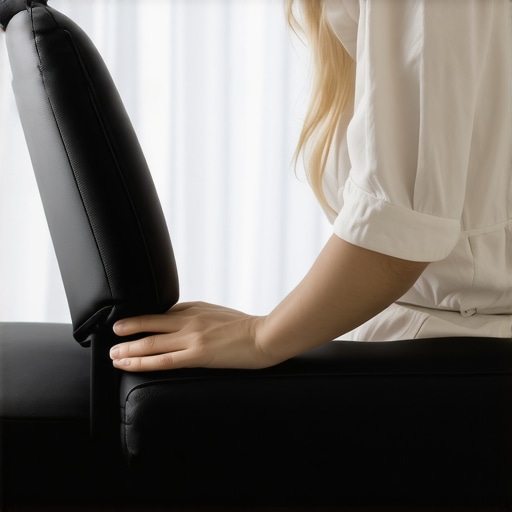
Once you’ve lowered the alarm bells of a spasm, the real work—the maintenance—begins. I realized early on that I couldn’t rely on luck; I needed a system that worked even when I was too busy to think about my posture. The first thing I overhauled was my workspace. While everyone was jumping on the standing desk bandwagon, I found that how to transition to a standing desk without leg pain required a lot more nuance than just standing up all day. I actually prefer a hybrid approach, using a high-quality seat and a lumbar roll. I use a McKenzie Lumbar Roll every single day; knowing how to use a lumbar roll to prevent mid-day back fatigue has saved me from that familiar 3 PM ache more times than I can count. It isn’t just about buying gear, though; it’s about knowing how to pick a chair that actually supports your lumbar curve so the furniture works for you, not against you.
How can I maintain a healthy spine without it becoming a second job?
The secret isn’t a 90-minute yoga session every morning. It’s what I call ‘micro-maintenance.’ I’ve integrated specific movements into my chores so I don’t even have to think about them. For instance, I changed the proper way to brush your teeth without straining your back by engaging my core and avoiding that awkward sink-lean. I also mastered how to load the dishwasher without hurting your lower back by using a golfer’s lift or a lunge. These tiny shifts are the foundation of mobility mastery: daily tips to keep your spine and joints healthy. Even in the kitchen, I keep a small platform nearby because how to use a step stool to save your lower back in the kitchen takes the pressure off my SI joint when I’m prepping a big meal. If you’re older, these small tweaks are the secret to pain-free gardening for people over fifty and other hobbies you love.
The gear that actually earned a permanent spot in my home
Beyond the lumbar roll, my most used ‘tool’ is actually my monitor stand. According to Dr. Alan Hedge at the Cornell University Ergonomics Web, improper monitor height is the leading cause of ‘turtling’—where your chin creeps forward and wreaks havoc on your cervical spine. Learning how to adjust your monitor to stop that burning neck pain was a revelation for my headaches. I also keep a simple tennis ball in my bag; how a tennis ball can relieve deep glute and sciatic pain is my go-to move when I’ve been stuck in a car or a plane for too long. Looking ahead, I predict unlocking mobility: expert tips on managing back pain in 2025 will involve wearable biofeedback sensors that gently vibrate when your spine loses its neutral curve. We are moving toward a world where tech helps us feel our bodies better, rather than just numbing the pain. This is why why maintenance care is better than waiting for a spinal crisis is the mantra of the future. I want you to try one thing today: go to your desk and raise your monitor so the top third is at eye level. It’s a tiny move that yields massive long-term results.
The Hardest Lesson I Learned About Chronic Back Tension
Looking back at my time on that living room rug, I realized that my biggest hurdle wasn’t the injury itself—it was my ego. I thought I could out-stretch the pain, but the real back pain breakthroughs happened when I finally surrendered to the body’s need for stability. One major ‘lightbulb moment’ was discovering why cracking your back at home is a temporary fix; it felt good for a second but did nothing to address why my muscles were guarding in the first place. I also learned that if my hips aren’t moving, my lower back will always pay the price. Treating the site of the pain is almost never the solution to the source of the problem, and forcing extension during a flare-up is like yelling at someone to relax when they are already in a panic.
The Only Three Tools I Actually Use for My Spine
I’ve tested every gadget on the market, but only a few stay in my kit for long-term health. First is a standard tennis ball; I’ve found that how a simple tennis ball can fix deep glute tension is more effective than many expensive therapy sessions if you know where to apply the pressure. Second is my monitor stand, because I finally connected my recurring back pain to my workstation posture and realized how your phone habits are creating a permanent neck hump that pulls on the entire spinal chain. Finally, I trust the science behind restored mobility programs that prioritize functional movement over simple flexibility. These tools aren’t about being perfect; they are about making the healthy choice the easiest choice for your nervous system.
#IMAGE_PLACEHOLDER_E#
You Are Not Defined by Your Mobility Limitations
The most important thing I can tell you is that your current state of stiffness is not your permanent destination. Your body wants to heal; it just needs the right environment and the right signals to turn off the alarm bells. By moving away from aggressive force and toward mindful mobility, you are building a foundation that will last decades. Whether you are currently unlocking sciatica relief or just trying to get through a workday without a nagging ache, remember that consistency in small movements beats intensity every time. For those ready to go deeper and take control of their recovery, I highly recommend exploring these expert strategies for lasting comfort. You’ve got this, and your spine will thank you for the patience.
Have you ever had a ‘lightbulb moment’ where you realized a specific daily habit was actually the hidden cause of your back stiffness? Let me know in the comments below!