
The truth about standing desks and lower back fatigue
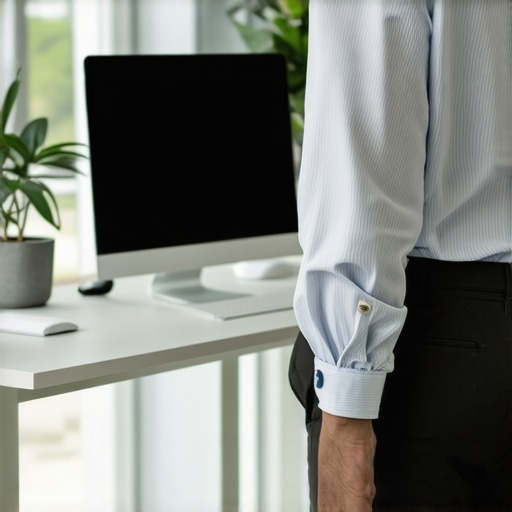
I remember the exact moment I realized my fancy new standing desk was a lie. I had spent nearly five hundred dollars on a top-of-the-line motorized frame, convinced it would finally solve my nagging lumbar issues. Instead, three days in, I found myself lying flat on the cold hardwood floor at noon because my lower back felt like it was made of brittle glass. I’d fallen into the classic trap of static standing. I thought if sitting was bad, standing must be the holy grail. I was wrong. The reality is that why your standing desk is giving you lower back pain usually comes down to how we treat our muscles while we’re upright. Today, I want to show you the mistakes I made and the specific shifts that finally gave me the mobility I craved. Have you ever felt that deep, dull ache in your hips after only twenty minutes of standing? [image_placeholder_1]
Standing all day is not the magic bullet you think it is
When I first started, I stood like a statue. I locked my knees, arched my back, and let my belly hang forward. According to research from Cornell University’s Ergonomics Department, standing for long periods significantly increases the risk of carotid atherosclerosis and puts immense strain on the circulatory system and the lower back. I was essentially trading one type of stuck for another. It is all about understanding the link between poor posture and chronic back pain. If you do not have a plan for movement, that desk is just an expensive way to get tired.
Is a standing desk actually worth the investment?
Many of my neighbors ask me if they should just return their desks. My answer is always a firm maybe. It is worth it only if you know how to transition to a standing desk without leg pain. The desk itself is just a tool; the way you use your body is the real solution.
The rookie mistake that left me limping
My biggest blunder was ignoring my glutes. I used to just hang on my joints. I did not realize that a simple 5-second glute squeeze that prevents sciatica flares while standing could have saved me months of discomfort. I was so focused on the desk height that I forgot about the engine—my hips and core—that actually supports my spine. We are going to break down how to stop that static load and start moving while you work.To break the cycle of stiffness, you need to think of your body as a dynamic system rather than a support beam. I used to think that ‘good posture’ meant holding a specific shape, but I eventually learned that why your perfect upright posture is actually tensing your spine comes down to muscle fatigue from over-correction. If you’re tensing every muscle to stay straight, you’re just creating a different kind of injury.
Use the one-foot-up rule to offload your spine
One of the simplest changes I made was adding a small six-inch footstool under my desk. It sounds like such a minor thing, but it completely changed the tilt of my pelvis. I first tried this while doing the dishes, applying the one-foot-up rule for pain-free dishwashing and chores to my workspace. By resting one foot on the stool, you naturally take the pressure off your lumbar discs and prevent that deep, gnawing ache in the lower back. I remember one Tuesday, I was deep into a spreadsheet for four hours without moving. When I finally tried to walk to the kitchen, my hips were so locked I looked like a LEGO figurine. That was the moment I realized that static standing is just as dangerous as static sitting. 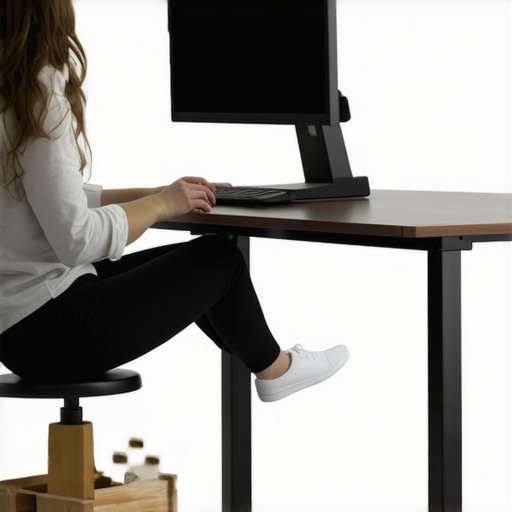
Your thin shoes are killing your progress
I also learned the hard way that standing on hardwood in socks is a recipe for disaster. Your feet are your foundation, and why your thin shoes are impacting your lower back shock absorption becomes obvious after an eight-hour day. I bought a high-quality anti-fatigue mat, but even that wasn’t enough until I started wearing supportive indoor shoes. Think of your spine like a car’s suspension; if the tires (your feet) have no air, the shocks (your back) take all the hits.
Stabilize your hips with a hidden core move
You don’t need to do sit-ups at your desk, but you do need stability. I found that the specific core move that stabilizes the si joint is a game-changer when you’re upright. It’s a subtle drawing-in of the lower abdominals, almost like you’re trying to pull your belly button away from your belt buckle. This creates a natural weight-lifting belt out of your own muscles. When I started doing this, the stabbing sensation I used to get in my sacroiliac joint virtually vanished.
Elevate your screen to save your neck
Most people lower their desk because their arms get tired, but then their neck suffers. I realized how your monitor height is causing those recurring headaches when I caught my reflection in the window—I looked like a turtle peeking out of its shell. Your eyes will always follow the screen, and if that screen is too low, your neck vertebrae are being ground together. Lift that monitor until the top third is at eye level. If you need to, boost your back mobility with simple exercises that make a difference during your lunch break to keep the thoracic spine from freezing up.
The twenty-minute rule for constant circulation
I used to set a timer for two hours, but that was far too long for my joints to remain stationary. Now, I move every twenty minutes. I don’t necessarily sit down; I just change the state of my joints. I’ll do a quick calf stretch, shift my weight from side to side, or perform a few glute squeezes. This prevents the blood from pooling in your legs and keeps the nerves in your lower back from getting inflamed from the constant downward pressure.
Stop training your core until you fix your hips
I used to think that the answer to my desk-induced agony was more planks and crunches. I fell for the ‘weak core’ narrative that dominates every fitness blog. However, the advanced reality is that why your core strength wont fix your back if your hips are locked is a fundamental mechanical law. If your hip flexors are shortened from years of sitting, they pull your pelvis into a permanent forward tilt. In this position, your abdominal muscles are physically unable to engage correctly. You are essentially trying to build a house on a slanted foundation. When I finally stopped obsessing over ‘strength’ and started focusing on hip decompression, my back pain didn’t just fade—it vanished. Have you ever spent weeks at the gym only to feel stiffer than when you started? Let me know in the comments if you have fallen into this ‘strength first’ trap. 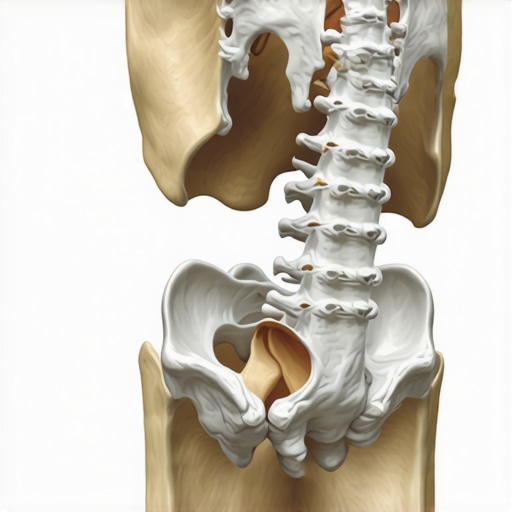
Why stretching your hamstrings might be making your sciatica worse
This is the biggest ‘oops’ factor I see with standing desk users. When your legs feel tight, your instinct is to reach for your toes. But here is the nuance: if that tightness is actually neural tension from the sciatic nerve, stretching is the worst thing you can do. A study published in the Journal of Physical Therapy Science highlights that aggressive stretching of an inflamed nerve can trigger protective muscle guarding, essentially locking your back in a state of spasm. I learned that why stretching your hamstrings can actually flare up sciatica is because you are literally pulling on a sensitive wire rather than a flexible rubber band. Instead of stretching, you need sciatica relief secrets how to banish pain quickly today that involve nerve gliding and decompression rather than tension.
How do I know if this leg pain is actually a nerve issue?
It is easy to mistake a muscle pull for a disc issue, but the distinction is vital for your recovery. If you feel a zing, a burn, or a numbness that travels past your knee, you are likely dealing with the nerve. You can use the simple test to see if your leg pain is actually sciatica to narrow it down at home. If it is a nerve, stop the ‘heavy’ mobility work and switch to gentle resets.
Look at your ankles to save your lower back
Most people never look below the knee when their back hurts, but your body is a kinetic chain. I discovered that how a stiff ankle is actually causing your recurrent lower back aches was the missing piece of my puzzle. If your ankles lack dorsiflexion, your body compensates by over-extending the lumbar spine every time you stand or walk. You might be ‘cracking’ your back for relief, but why cracking your own back is making your joints more unstable becomes clear when you realize you are just treating a symptom of frozen ankles. By freeing up my lower legs, my spine finally had the ‘slack’ it needed to stay neutral without effort.Once you fix the immediate fire of back pain, the real challenge begins: not letting it come back. I used to think I needed a thousand-dollar chair to stay healthy, but I found that the most effective tools in my arsenal actually cost less than a lunch date.
The three dollar tool that beats a professional massage
My secret weapon isn’t a high-tech vibrating gun; it’s a simple lacrosse ball. While foam rollers are great for large surface areas, they often lack the density to get into the deep hip rotators that cause so much trouble. I learned how a tennis ball can relieve deep glute and sciatic pain by pinpointing those specific trigger points that a roller just bridges over. If you spend your day standing or sitting, your piriformis muscle is likely screaming for release. By pinning the ball between my glute and a wall for sixty seconds, I can manually reset my pelvic tension. It’s a form of self-maintenance that keeps me from needing emergency appointments. According to a study published in the International Journal of Environmental Research and Public Health, intermittent movement breaks and targeted self-myofascial release are significantly more effective at reducing muscle fatigue than even the most expensive ergonomic chair designs. 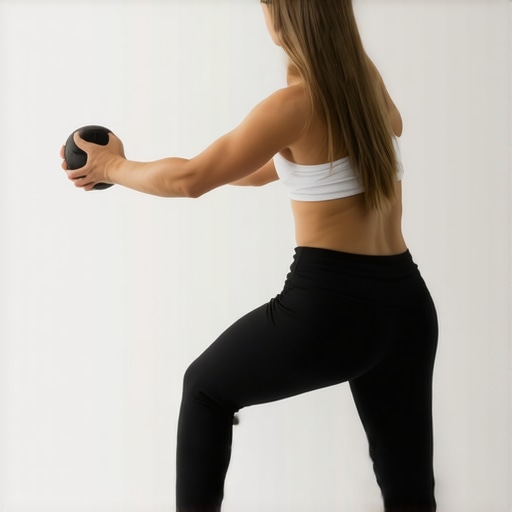
Let your computer handle your movement schedule
Human beings are notoriously bad at sensing when we’ve been still for too long. We get into a ‘flow state’ and suddenly three hours have passed. To combat this, I started using a lightweight software called Stretchly. It forces a 20-second break every 10 minutes and a longer break every hour. This is where I implement the 20-20-20 rule for neck and eye strain relief. During those twenty seconds, I’m not just looking away from the screen; I’m performing a quick chin tuck or a shoulder blade squeeze. This habit is what finally helped me find neck pain and stress how to break the cycle for good. You cannot rely on your memory; you have to rely on a system.
How can I keep my spine supple for the next decade?
Consistency beats intensity every single time. I don’t do an hour of stretching on Sundays; I do three minutes of mobility mastery daily tips to keep your spine and joints healthy every single morning. This ‘micro-dosing’ of movement prevents the tissues from ever getting truly stuck. Looking ahead, I believe the future of spine health is going to be dominated by wearable biofeedback. We are already seeing devices that vibrate when you slouch, and soon, AI-driven desks will automatically adjust their height based on your muscle fatigue markers. Until then, you are the pilot of your own recovery. My challenge for you today is simple: download a break-reminder app or set a recurring timer on your phone for every 25 minutes. Use that time to do one unlocking mobility expert tips on managing back pain in 2025 move. Your future self will thank you for the lack of stiffness tonight.
Why my expensive desk failed me until I changed my mindset
Reflecting on my journey from chronic stiffness to fluid movement, I’ve realized that the desk was never the enemy—it was my lack of variety. One of the biggest shifts was realizing that standing is an athletic activity, not a break. I stopped trying to force a ‘perfect’ posture and started embracing the wiggle. I also learned that if your pain keeps coming back despite these changes, it is vital to see if is your back pain a sign of something more serious key symptoms to watch. It’s about being proactive rather than reactive. I used to think I was failing if I felt a twinge, but now I know it’s just my body asking for a shift in position.
- Movement is the only medicine: The best posture is actually your next posture. Never stay in one spot for more than twenty minutes.
- Listen to the zing: If you feel a sharp pull or burn, it is usually a nerve, not a muscle. Treat it with nerve glides rather than aggressive stretching.
- Support starts at the floor: Your choice of footwear and a quality anti-fatigue mat are the foundation of your spine’s health.
[image_placeholder_final]
My essential toolkit for standing desk longevity
You don’t need a massive budget to fix your back. I swear by a few simple items that have made a world of difference in my daily routine. First, I keep a dense lacrosse ball nearby to use these how a tennis ball can relieve deep glute and sciatic pain techniques whenever my hips feel locked from standing. Second, I use digital break reminders to keep me honest about my movement intervals. Finally, I’ve integrated unlocking mobility expert tips on managing back pain in 2025 into my morning routine to ensure I start the day with a supple spine. These are not just gadgets; they are systems that protect your body for the long haul.
Take that first step toward lasting comfort
Transitioning to a more active workspace is a marathon, not a sprint. You might feel a few new aches as your body adapts, but don’t let that discourage you from the goal. By combining smart equipment with movement-based habits, you can transform your workspace into a place of health rather than a source of tension. If you’re currently in the middle of a painful flare-up, check out these sciatica relief secrets how to banish pain quickly today to get back on your feet faster. You have the tools, the knowledge, and the power to reclaim your physical freedom. Have you ever tried using a footstool or a simple lacrosse ball while working? Let me know your results in the comments below!