
The Proper Way to Sit on a Bleacher Without Back Pain
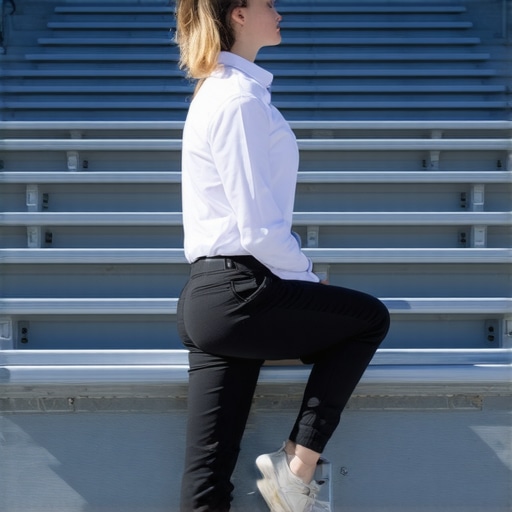
I remember the exact moment my lower back decided to quit on me. It was a crisp Friday night, third quarter of my nephew’s high school football game. I went to stand up to cheer, and a sharp, white-hot spike shot straight from my glute down to my ankle. I gasped, fell back onto that cold, unforgiving metal bench, and spent the rest of the game gripping the rusted railing in absolute agony. I had triggered a massive flare-up of my sciatic nerve, and it took weeks to recover. It was humiliating, painful, and entirely preventable. If you have ever felt that familiar ache creeping up your spine by halftime, you are not alone. Metal and wood stadium benches are designed for maximum capacity, not human anatomy. Today, I am going to share the exact posture shift that saved my weekend outings, so you can enjoy the game without paying for it in pain for the next fortnight.
Why Metal Benches Are a Disappointment for Your Spine
That agonizing Friday night taught me a brutal lesson about pelvic alignment. When we sit on a flat surface with no back support, our pelvis naturally rolls backward. This slump flattens the natural curve of the lower back, putting immense pressure on our spinal discs and stretching the surrounding ligaments to their absolute limit. In fact, sitting in a slumped position increases disc pressure by up to 150% compared to standing. I used to think I was just getting older, but the real culprit was how I was positioning myself. I made the classic mistake of leaning far forward with my elbows on my knees, thinking I was giving my back a break. Instead, I was actually stretching my hamstrings and glutes tight, which pulled my pelvis into an even worse tilt. If you are struggling with a similar sensation during your daily commutes or work hours, you might find it helpful to learn how to fix your slump while driving long distances, as the mechanical strain is incredibly similar to sitting on those terrible stadium benches.
Are Bleacher Seats Really That Bad, or Am I Just Out of Shape?
Let’s address the elephant on the bleacher: is it actually the seat’s fault, or is your body just fragile? It is easy to blame a lack of core strength or flexibility when your back starts barking after forty-five minutes on metal. However, even elite athletes suffer when forced to sit without spinal support for hours. The human spine relies on a delicate balance of muscular engagement and bone alignment. When you sit on a hard bench without a backrest, your deep core stabilizers have to work on overdrive. Eventually, they fatigue, transfer the load to your lower back joints, and trigger protective spasms. Knowing is your back pain a sign of something more serious can help you distinguish between simple muscle fatigue from a long game and a deeper structural issue. Have you ever had to leave a game early or stand at the back fence just to escape the agonizing ache of a metal bleacher? Tell me about your worst stadium seating experiences in the comments below, because I bet we have lived through the exact same misery.
The Pelvic Tilt Method That Saves Your Spine
Think of your pelvis as a bowl filled to the brim with water. When you sit on a flat, backless metal bench, that bowl naturally tilts backward, spilling the water out behind you. This posture drags your entire lumbar spine into a rounded shape, forcing your muscles to fight gravity just to keep you upright. To stop this from happening, you must perform a active forward pelvic tilt. Lean forward slightly from your hips, pull your sit bones back, and sit down so you are resting on the front of these bones rather than rolling back onto your tailbone. This tiny shift restores the natural inward curve of your lower back, instantly reducing the load on your spinal discs. I remember testing this actively at a soccer tournament last spring. The aluminum benches were freezing and slick, but by focusing on keeping my ‘pelvic bowl’ level, I managed to get through two full games without that deep, sickening ache in my lower back. If you struggle to maintain this positioning naturally, learning the simple way to check your own spine for pelvic tilt can help you identify exactly where your alignment is failing.
Use Your Jacket as a Strategic Lumbar Support
You do not need to haul a massive, heavy orthopedic cushion into the stadium to protect your spine. Your jacket, sweater, or even a rolled-up blanket can serve as a highly effective tool. Instead of sitting directly on your coat, roll it into a firm, cylindrical shape. Place this roll directly behind your lower back, right above your belt line. If there is a backrest, this acts as a perfect lumbar support. If you are on a backless bench, sit slightly forward and tuck the rolled jacket under the back half of your sit bones. This creates a slight downward slope, which mechanically forces your pelvis forward and prevents slouching. Finding ways to enhance your back mobility with ergonomic tips for everyday comfort like this makes a massive difference when you are stuck in unforgiving seating environments for hours.

The Standing Reset You Must Do Every Half Hour
No matter how perfect your sitting posture is, the human spine is not built for static compression. Every thirty minutes, you must break the cycle of stagnation. When the whistle blows for a timeout or a quarter break, stand up immediately. Do not just stand there waiting; perform a simple standing extension. Place your hands on your hips, gently push your pelvis forward, and look up slightly toward the sky. This movement acts like a reset button, pumping fresh, oxygenated blood back into your spinal discs and reversing the constant forward flexion of sitting. If you have chronic issues that flare up during long periods of sitting, implementing the morning habit that prevents your sciatica from flaring up can prepare your body for the physical toll of these stadium outings. Keep your movements controlled, avoid sudden jerking motions, and let your core support your weight as you transition between sitting and standing.
The Deceptive Trap of Standing Up Straighter When Your Back Starts to Hurt
Most people believe that the absolute best antidote to a slumped, rounded spine is to force themselves into a military-style, hyper-upright posture. I used to do this constantly on the bleachers. The moment my lower back started to ache, I would throw my shoulders back, puff out my chest, and arch my spine as hard as possible. But here is the contrarian truth: this aggressive correction is actually making your pain worse. When you force a rigid, unnatural arch, you over-activate your superficial erector spinae muscles, causing them to clamp down in a state of constant, oxygen-deprived contraction. A study published in the Journal of Electromyography and Kinesiology demonstrated that rigid, self-enforced upright posture actually increases spinal load and muscle fatigue compared to a relaxed, neutral posture. Instead of forcing rigidity, you need to find a relaxed neutral alignment. If you are struggling with this balance, understanding why standing up straight is actually making your back pain worse will completely change how you approach spinal alignment.
Why Is Your Post-Game Hamstring Stretch Actually Triggering Your Sciatica?
Many fans leave the stadium feeling incredibly tight and immediately drop into a forward bend to stretch their hamstrings. This is the ultimate ‘oops’ factor. If your pain is originating from a bulging disc or a pinched sciatic nerve, bending forward to touch your toes puts massive hydrostatic pressure on your lumbar discs, pushing them further backward into the nerve roots. It also puts the sciatic nerve under maximum physical tension, essentially sawing it against the surrounding tissue. If you want to keep your nerve paths clear and moving freely, you should focus on the nerve flossing routine for stubborn leg numbness and tingling instead of static forward bending. Have you ever fallen into this stretching trap only to find yourself stiffer the next morning? Let me know in the comments below!
The Pelvic Rotation Mistake You are Probably Making Right Now
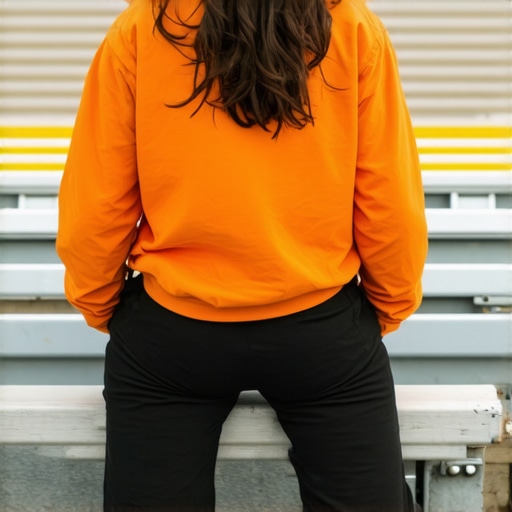
Another subtle nuance that most people miss is lateral pelvic rotation. When we sit on benches, we rarely distribute our weight evenly. We lean to one side, rest an elbow on one knee, or slide our wallet into our back pocket. This raises one side of the pelvis, forcing the lumbar spine to curve sideways to keep our head level. Over time, this asymmetrical loading wears down your joint facets and creates localized muscular knots. If you have a habit of sitting unevenly, you might also realize why crossing your legs is the fastest way to tilt your pelvis and how that mechanical imbalance translates directly to your stadium seating discomfort. To combat this, perform a quick check: sit on both sit bones evenly, keep your knees pointing forward, and let your core stabilize your torso naturally without leaning to one side. Taking control of these small, daily mechanical habits is the absolute key to enjoying the game and waking up pain-free the next morning.
My Personal Toolkit for Surviving Any Bleacher Experience
Maintaining a healthy lumbar curve during a three-hour game isn’t just about willpower; it is about preparation. Personally, I never head to a stadium without my preferred biomechanical aid: a dense, dual-zone portable lumbar cushion that physically prevents posterior pelvic tilt. While many fans use cheap, soft foam pads, those actually fail because they compress too easily under your body weight. I use a firmer polyurethane travel roll because it maintains its structural integrity against cold metal, guaranteeing that my pelvis remains in that optimal forward-tilted position. If you want to make your seat even more resilient, implementing ergonomic tips for everyday comfort is the best way to prep your tissues before you ever sit down. I also pair this with a simple, high-density lacrosse ball in my jacket pocket, which I use against the stadium wall during halftime to roll out tension in my glutes and piriformis muscle.
How Do I Keep My Spine Resilient for Long Stadium Seasons?
Maintaining your spinal health throughout a full season of sporting events requires a consistent off-field routine. You cannot expect your body to tolerate hours on a hard, flat surface if you neglect your core and hip stability during the week. To build true, lasting resilience, you must train the deep stabilizers of your spine. I highly recommend incorporating the dead bug exercise variation that actually protects your spine into your morning routine. This specific movement teaches your core to resist hyperextension and lateral shearing forces, which are the exact micro-movements that wear down your discs while sitting on uneven benches. Furthermore, ensuring that you maintain optimal hydration levels is vital; according to clinical guidance from the Mayo Clinic, proper fluid intake directly influences the height and shock-absorbing capacity of your intervertebral discs. To support this biological process, practicing how proper hydration keeps your spinal discs plump and healthy will keep your back supple enough to withstand the compression of those unforgiving bleachers.
The Future of Ergonomics in Public Seating and Stadium Design
Looking ahead, the days of the flat, featureless aluminum plank are numbered. I predict we are going to see a major shift in how stadium venues approach spectator comfort, especially as public awareness of spinal biomechanics grows. We are already beginning to see modern arenas experiment with slightly angled, contoured plastic seats that naturally encourage a neutral pelvic alignment, even without a backrest. Some innovative European stadiums are even testing micro-textured surfaces that prevent fans from sliding forward into a slump. Until these designs become the global standard, however, the responsibility of spinal defense rests entirely on your shoulders. If you are already dealing with the aftermath of a rough weekend on the bleachers, utilizing quick home remedies that work can help calm your irritated nervous system before the next kickoff. Do not wait for a major flare-up to take action; grab your jacket, roll it up, and actively tilt your pelvis forward during your next game to feel the immediate difference.
What Everyone Gets Wrong About Sitting Through a Three-Hour Game
Over years of working with sports fans and active individuals, I have noticed a massive disconnect in how we view discomfort. Most people believe that sitting quietly is a passive activity that requires zero effort. In reality, maintaining a seated posture on backless aluminum bleachers is a highly active physical challenge. The most common mistake is assuming that your spine will simply hold itself up without conscious effort. It won’t. When we lose active focus, our stabilizers shut down, and we collapse directly into our passive joint structures. Another common pitfall is relying on the thick winter coats we wear during late-season games; while they keep us warm, sitting on a bulky, uneven layer of fabric actually tilts our pelvis to the side, forcing our lumbar spine to curve laterally to compensate. Understanding the link between poor posture and chronic back pain helps clarify why these minor, cumulative physical stresses eventually boil over into debilitating spasms on Monday morning.
The Core Essentials I Pack for Every Live Sporting Event
To keep my spine protected while sitting on rigid metal benches, I rely on a select few tools that guarantee structural alignment:
- A High-Density Polyurethane Lumbar Roll: Soft, fluffy pillows compress to nothing within ten minutes. A firm foam roll retains its shape, physically supporting the lumbar curve and stopping the pelvis from rolling backward.
- A Dense Lacrosse Ball: This is my secret weapon for halftime. I press it against concrete stadium walls to perform targeted trigger point release on my glutes and piriformis muscle, preventing deep sciatic tension.
- A Specialized Core Prep Routine: Before heading to the parking lot, I perform a specific, gentle core sequence. I highly recommend trying the bridge variation that targets deep spinal stabilizers to wake up the deep muscular corset that keeps you upright and comfortable.
Take Back Your Weekends and Stand Proud After the Final Whistle
You do not have to sacrifice your love for live sports to protect your physical well-being. By applying these smart pelvic adjustments, taking regular standing resets, and preparing your body beforehand, you can enjoy every touchdown, goal, and home run without anticipating a painful recovery afterward. If you are already managing a stubborn flare-up from a recent weekend event, exploring expert strategies for lasting comfort will help you calm your nervous system and restore your mobility. Do not let stiff stadium seats dictate your social life anymore; take control of your alignment and enjoy the game to its very end. Have you ever had to stand at the back of the stands just to escape the ache of a metal bleacher? Let me know your worst stadium seating stories in the comments below!