
How to fix your ‘slump’ while driving long distances

I remember pulling into my driveway after a cross-country trip, feeling like my spine had been replaced by a rusted iron rod. I literally had to roll out of the driver’s seat. My neck was locked, my lower back was screaming, and I felt ten years older than I actually was. I spent the next two days walking like a zombie, all because I didn’t respect the ‘slump.’ Most of us treat driving as a passive activity, but your body is working hard to stay upright while being vibrated and jostled. If you’ve ever felt that deep, dull ache in your hips or a sharp pinch in your neck after an hour on the interstate, you know exactly what I’m talking about. Today, I want to share the simple, realistic shifts I’ve made that turned my long hauls from painful chores into comfortable journeys.
Your Car Seat is Quietly Stealing Your Mobility
The ‘slump’ isn’t just about looking lazy; it’s a physical collapse. When we drive, we tend to slide our hips forward and round our shoulders, creating a C-curve in the spine that puts massive pressure on our discs. One of the biggest mistakes I made for years was trying to ‘fix’ this with a massive, squishy pillow I bought at a gas station. I thought more padding was the answer, but I quickly learned that why your lumbar support might be making your back stiffer is a common trap when the support isn’t actually hitting the right spot. I also used to keep my thick leather wallet in my back pocket. It seems minor, but how your wallet in your back pocket is ruining your alignment is a real thing; it tilts your pelvis and forces your lower back to compensate for the imbalance for hundreds of miles.
We’re going to fix this today. I’m going to show you how a simple mirror adjustment can act as your personal posture coach. We’ll also tackle why your legs go numb and how to exit your vehicle without that dreaded ‘tweak’ in your lower back. Have you ever felt like you needed a crane to lift you out of the car after a long trip? Drop a comment and tell me where it hurts most—I’d love to hear about your own road trip recovery stories! According to the Mayo Clinic, sitting for extended periods—especially in a vibrating vehicle—can increase the risk of chronic back pain because it places more stress on your spinal discs than standing or walking. It’s time we stopped letting our cars dictate our health.
Wait, Can I Really Fix This Without a New Car?
I get it. You’re skeptical. You think your car just has ‘bad seats’ and there’s nothing you can do about it. I thought the same thing until I started focusing on the small wins. For instance, did you know that the simple chair height trick to stop your legs from falling asleep works just as well in your SUV as it does at your office desk? By adjusting the angle of your seat pan, you can take the pressure off your sciatic nerve. And speaking of nerves, why your glutes turn off when you sit for over an hour is the main reason you feel so unstable when you finally stand up at a rest stop. Your muscles have literally gone to sleep! One of my favorite ‘hacks’ is learning how to adjust your rearview mirror to force better driving posture. You set it while sitting perfectly upright, and the second you start to slump, your view disappears. It’s a genius, low-tech reminder to keep your spine happy. Finally, when you reach your destination, don’t just tumble out; knowing how to get out of your car without twisting your lower spine is the final step in protecting all that hard work you did while driving.
Let Your Rearview Mirror Act as Your Spines Alarm System
Before you even put the car in gear, you need to set your biological alarm. Most people adjust their mirrors based on where they are slumped after five minutes in the car. Instead, sit with your chest open and your spine tall—not rigid, but supported. Set your mirror perfectly from this position. The moment you start to fatigue and the ‘slump’ takes over, your view in the mirror will literally disappear. This is your immediate signal that you are understanding the link between poor posture and chronic back pain in real-time. Knowing how to adjust your rearview mirror to force better driving posture turns a passive piece of glass into a posture coach that refuses to let you collapse.

Stop the Sciatic Nerve Pinch Before Your Legs Go Numb
Think of your sciatic nerve like a garden hose. When the angle of your seat is too flat, or worse, angled upward like a bucket, you are effectively putting a kink in that hose. This is why many drivers experience that tingling or heavy sensation in their thighs. I discovered that how a slight change in your sitting angle stops leg numbness by simply leveling the seat pan. If your car allows, tilt the front of the seat down slightly. This opens up the hip angle and prevents the edge of the seat from digging into the underside of your legs. If you combine this with the simple chair height trick to stop your legs from falling asleep, you’ll find you can drive for double the time without that nagging ache in your hamstrings.
Wake Up Your Glutes While You are Stuck in Traffic
I remember being stuck on I-80 for two hours during a construction delay outside of Omaha. My lower back started to throb because my glutes had completely ‘turned off.’ When those muscles go dormant, your lower back has to do all the work of stabilizing your torso against the car’s vibrations. I started performing isometric glute squeezes—clench for five seconds, release for five. It felt a bit ridiculous at first, but the 5-second glute squeeze that prevents sciatica flares while standing works just as well when you are seated. It keeps the blood flowing and reminds your brain that those muscles are still on duty. When I finally reached my destination, I didn’t have that ‘jelly leg’ feeling or the usual stiffness in my SI joints.
Why You Should Never Reach for the Backseat
This is the most common way drivers end up with a ‘tweak’ that ruins their whole week. You’re at a red light, and you reach back to grab a water bottle or a bag from the passenger-side floorboard. That combination of seated compression and deep rotation is a recipe for a disc injury. I’ve learned the hard way that why you should never reach for the backseat while driving is a non-negotiable rule. If you need something, wait until you stop. When things get tight, the 10-second breathing trick for instant lower back relief can help decompress the spine far better than a dangerous, twisting stretch ever will.
Dont Tweak Your Spine on the Way Out
The journey isn’t over until you are standing on the pavement. Most people lead with one leg and twist their entire torso to get out, which puts a massive shear force on the lumbar spine. Instead, pivot your whole body as one unit until both feet are out of the car and facing the sidewalk. Only then should you stand up. Mastering how to get out of your car without twisting your lower spine is the final piece of back pain breakthroughs navigating your path to restored mobility. To keep your spine primed for the rest of the day, consider the simple morning move to prime your spine for the day before your next leg of the trip. These small, direct actions are what separate a painful commute from a comfortable adventure, especially when unlocking mobility expert tips on managing back pain in 2025 becomes a priority for your long-term health.
I see it all the time in the comments and at rest stops: people trying to ‘walk off’ the stiffness by reaching for their toes or pulling their knees to their chest. We’ve been conditioned to believe that if a muscle feels tight, we must stretch it. But here is the nuance that most people miss: tightness is often a protective mechanism, not a lack of flexibility. If you are dealing with nerve irritation, that ‘tight’ feeling in your legs isn’t your muscle—it’s your sciatic nerve screaming for slack. In fact, why your hamstrings feel tight but never get better with stretching is usually because the nerve is being pulled like a guitar string, and every stretch just makes the inflammation worse.
Why does my back hurt more when I try to sit perfectly straight?
This is the ultimate ‘trap’ for the health-conscious driver. You think you are doing the right thing by forcing that rigid, military-style posture, but you are actually creating a massive amount of muscular fatigue. Research published in the Journal of Biomechanics suggests that static, over-corrected postures can increase intra-discal pressure and lead to quicker muscle exhaustion than a naturally supported, slightly relaxed spine. When you force your back into an unnatural arch, why your straight posture is actually straining your muscles becomes clear; you are trading one type of stress for another. Instead of forcing ‘straightness,’ you should be looking for ‘support’ that maintains your natural lumbar curve without constant effort. Have you ever fallen into this trap of trying to sit too straight only to end up more exhausted? Let me know in the comments—I’d love to know if your ‘perfect’ posture is actually the culprit.
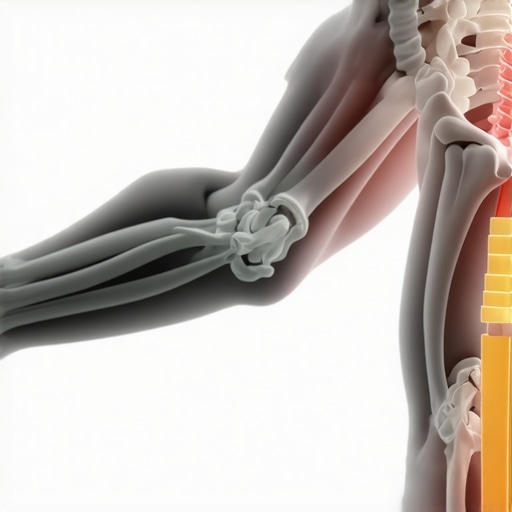
Another common mistake is the obsession with ice. While it’s great for an acute injury like a sprained ankle, chronic stiffness from driving often responds better to movement and gentle warmth. If you’ve been icing your lower back every night after a commute, the truth about using heat packs versus ice for chronic stiffness is that heat helps increase blood flow to those oxygen-starved muscles that have been compressed in the car seat all day. If you keep pulling on those nerves, why stretching your hamstrings can actually flare up sciatica will become a painful reality that keeps you off the road. You need to look for the one sign that your sciatica is finally starting to heal, which is ‘centralization’—when the pain moves out of your leg and back into your lower back. If your stretches are making the pain travel further down your leg, stop immediately.
Finally, we have to talk about the warning signs. Most driving-related aches are just part of the job, but it’s vital to know is your back pain a sign of something more serious key symptoms to watch. If you experience sudden weakness in your foot or loss of bladder control, that isn’t a ‘posture’ issue; that is a medical emergency. For the rest of us, the secret isn’t more intensity—it’s more intelligence in how we move. Stop the aggressive stretching and start focusing on the small, supportive shifts that keep your nerves happy and your spine neutral.
Why Your Car Needs a Spine Maintenance Kit
It’s one thing to survive a single drive, but it’s another to build a body that doesn’t fear the open road. I’ve found that the secret isn’t in a new car; it’s in a specific set of tools and a commitment to maintenance. For me, the game-changer was a genuine McKenzie Lumbar Roll. I stopped using generic gas station pillows because they lacked the density needed to maintain the lumbar curve over long distances. If you’ve noticed that your current setup feels off, it might be because why your lumbar support might be making your back stiffer often comes down to improper placement against the vertebrae. Research in the Journal of Sound and Vibration highlights that whole-body vibration significantly contributes to muscle fatigue and disc degeneration in professional drivers. This is why tools like the McKenzie roll are essential—they provide a mechanical stop against the slouch that vibration encourages. I also keep a tennis ball in my glove box. During rest stops, I use it against a wall to hit my piriformis, because how a simple tennis ball can release your deep glute tension is the fastest way to reset your hips after hours of high-frequency road vibration.
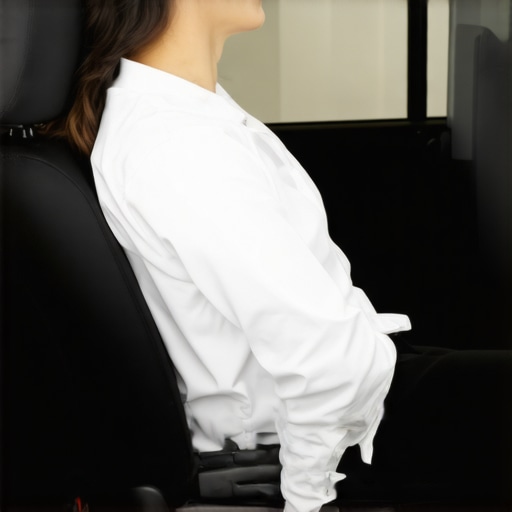
How can I keep my spine resilient for years to come?
Long-term success isn’t about massive overhauls; it’s about mobility mastery daily tips to keep your spine and joints healthy. I treat my spine like I treat my car’s engine—it needs regular ‘oil changes’ in the form of movement. Dr. Stuart McGill, a world-renowned spine biomechanics expert at the University of Waterloo, emphasizes the ‘Big Three’ exercises—the Bird-Dog, the Side Bridge, and the McGill Curl-up—to stabilize the core without taxing the spinal discs. Integrating these into your routine is vital for anyone spending more than ten hours a week behind the wheel. I also make sure to start every single day with the simple morning move to prime your spine for the day. This creates a baseline of stability before I even touch the steering wheel. If you are already feeling the zing of nerve pain, looking into swift relief for sciatica quick home remedies that work can prevent a minor flare-up from becoming a debilitating event. These small habits are the foundation of back pain breakthroughs navigating your path to restored mobility.
Looking ahead, I predict we are going to see a massive shift in automotive technology where seats use haptic feedback—gentle pulses—to nudge us when our posture begins to fail. We are moving toward ‘active’ seating environments that adjust to our spinal fatigue in real-time. We might even see sensors that detect when your glutes have ‘turned off’ and apply targeted stimulation. But until your SUV can talk to your lower back, you have to be the one in charge of unlocking mobility expert tips on managing back pain in 2025. Don’t wait for the pain to return to take action. My challenge to you today: go out to your car right now and set that rearview mirror while sitting perfectly tall. It’s a 30-second commitment that will save you years of stiffness.
Why My Quest for ‘Perfect Posture’ Actually Backfired
For years, I thought I was being a ‘good’ patient by sitting as straight as a board. I would grip the wheel, pull my shoulders back, and force my spine into what I thought was an ideal alignment. But here is the insider truth: rigid isn’t resilient. I eventually learned that why your straight posture is actually straining your muscles is one of the most common causes of fatigue-based spasms because it prevents natural movement. I also realized that my ‘tight hamstrings’ weren’t a muscle problem at all; they were a protective response from my nervous system. If you keep stretching them without addressing the root, you are just pulling on a sensitive nerve. Realizing that sciatica relief secrets how to banish pain quickly today often involve stabilization rather than aggressive stretching was a massive lightbulb moment for me.
The Road Trip Survival Gear I Never Leave Without
If you looked in my trunk today, you would not find a mountain of pillows. Instead, I rely on a few high-quality tools that serve a specific purpose. First, I use a high-density McKenzie Lumbar Roll. Unlike squishy gas station cushions, this provides a firm mechanical stop that prevents the lower back from rounding into that dreaded C-curve during vibration. Second, I never go on a haul without a tennis ball. Learning how a simple tennis ball can release your deep glute tension at a rest stop is the fastest way I have found to ‘reset’ the hips after a long stretch behind the wheel. Finally, I have committed to the ‘Big Three’ core stabilizers. Integrating these boost your back mobility simple exercises that make a difference into my daily routine has given my spine the endurance it needs to handle a six-hour drive without a single tweak.
Stop Dreading the Miles Ahead
You do not have to choose between your love of travel and your physical health. The most important thing I can tell you is that your body is incredibly adaptable if you give it the right cues and support. By making these small, intentional shifts—from mirror adjustments to isometric squeezes—you are taking active control of your comfort rather than just suffering through the trip. This is the heart of back pain breakthroughs navigating your path to restored mobility. The road is waiting for you, and it feels a lot shorter when you are not counting the minutes until the next stretch. Have you ever had to pull over because of a sharp pinch in your back or a numb leg? Let me know in the comments below—I would love to help you troubleshoot your driving setup!