
How your high-heeled shoes are changing your spine’s natural curve
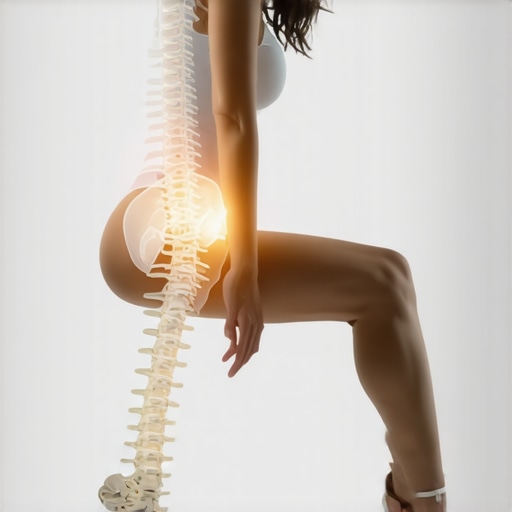
I was standing at my best friend’s wedding, clutching a glass of lukewarm champagne and trying desperately to look like I was enjoying the music. But truth be told? Every time I shifted my weight, a hot, electric wire of pain shot from my lower back right down to my heels. I blamed it on the dancing. I blamed it on the “cheap” insoles I’d bought at the drugstore. It took me years to realize that the four-inch stilettos I wore weren’t just making my feet ache; they were literally reshaping the way my spine sits in my body. It wasn’t just a “long day” problem—it was a structural one that was slowly narrowing the curve of my back.
Your Spine Is Paying for That Extra Two Inches of Height
We’ve all heard that heels aren’t exactly “good” for us, but the reality is much more invasive than just a few blisters or sore arches. When you slide your foot into a heel, you’re essentially forcing your body to walk on its tiptoes all day. This isn’t just about your feet; it’s a kinetic chain reaction. I remember one specific Tuesday at the office wearing gorgeous navy pumps. By 2:00 PM, I wasn’t thinking about spreadsheets; I was thinking about how much I wanted to crawl under my desk and lie flat on the floor. My lower back felt like it was being compressed into a tiny, painful accordion. To keep you from falling forward, your body has to compensate. Your pelvis tips forward, your lower back arches excessively, and your center of gravity shifts. You might think you’re just understanding the link between poor posture and chronic back pain, but you’re actually training your spine to live in a state of constant, exhausting stress. In those early days, I made the classic mistake of thinking that as long as I stretched my calves at night, I’d be fine. I treated the symptom, not the source. I didn’t realize that why your high-arched shoes are causing your lower back to ache had everything to do with my lumbar curve being pushed to its absolute limit. Today, I want to show you exactly how this chain reaction happens and how you can reclaim your comfort without throwing every pair of designer pumps in the trash.
Are My Shoes Truly Ruining My Posture for Good?
It’s easy to feel a bit skeptical. After all, millions of people wear heels every day, right? But the science behind the “S-curve” of your spine is pretty startling. According to research cited by the American Osteopathic Association, wearing high heels can lead to a condition called spondylolisthesis, where one vertebra slides forward over another, simply because the shoes force the lower back to over-arch. It’s not just a temporary tilt; over time, the muscles in your lower back can shorten and tighten, making it harder to find back pain breakthroughs navigating your path to restored mobility when you finally do switch to flats or sneakers. Have you ever felt that sharp, nagging pinch in your low back the morning after a night out in your favorite heels? It’s your spine’s way of screaming for a break. We’re going to dive into the specific mechanics of this “high-heel hangover” and look at mobility mastery daily tips to keep your spine and joints healthy so you can stop the cycle of pain. Even why your thin shoes are impacting your lower back shock absorption plays a role in how we recover from these fashion choices. Let’s get into the nitty-gritty of why your back feels like it’s in a vice after a day at the office.
Find Your Center Without the Arch
Think of your pelvis as a bucket of water. When you wear heels, that bucket tips forward, spilling water out the front. This is an anterior pelvic tilt, and it’s the primary reason your lower back feels like it’s under a microscope. To fix this, you have to learn to level the bucket. I remember standing in line at a grocery store after a marathon week of conferences in three-inch heels. I tried to stand ‘tall’ by pulling my shoulders back, but my lower back felt like a snapped rubber band. It was then I realized that why your perfect upright posture is actually tensing your spine. I was forcing a shape instead of finding balance. The first step is to soften your knees—never lock them. Then, imagine a string pulling your tailbone slightly toward the floor while your lower ribs knit inward. You can even try the 10-second breathing trick for instant lower back relief to help your diaphragm and pelvic floor sync up, which naturally takes the pressure off those overworked lumbar muscles. 
Loosen the Anchor in Your Calves
Your spine doesn’t end at your waist; the tension starts at your heels. When you spend hours in pumps, your calf muscles (the gastrocnemius and soleus) literally shorten. This tightness pulls on the back of your knees, which pulls on your hamstrings, which eventually yanks your pelvis out of alignment. If you’ve ever wondered how a stiff ankle is actually causing your recurrent lower back aches, this is the mechanical smoking gun. You need to reclaim that ankle mobility. Instead of static stretching that can irritate nerves, try an active calf release. While standing, place the ball of your foot on a rolled-up towel and gently lower your heel toward the floor. This gradual lengthening tells your nervous system it’s safe to let go. Be careful not to overdo it, as why your workout might be causing your pelvic tilt often boils down to aggressive stretching that triggers more muscle guarding.
Small Shifts for the Kitchen and the Commute
The damage from heels doesn’t stop when you kick them off in the foyer. The compensation patterns stick with you. When I’m at home cooking or doing dishes, I use the one-foot-up rule for pain-free dishwashing and chores. By simply placing one foot on a small stool or inside the cabinet under the sink, you flatten the lumbar curve and give those back muscles a much-needed break. If you have to stand for long periods, implement the 5-second glute squeeze that prevents sciatica flares while standing. It’s a subtle move that engages your posterior chain and forces your pelvis back into a neutral home base. These aren’t just ‘exercises’; they are survival tactics for a modern life that demands fashion but requires function.I used to think that as long as I kept my ‘core’ tight, I was invincible. We’ve been fed this narrative that a six-pack is a bulletproof vest for the spine, but here is the contrarian truth: for many heel-wearers, chasing core strength is actually feeding the fire. If you’re forcing yourself into planks while your pelvis is already stuck in a forward tilt, you’re not stabilizing your spine—you’re compressing it. I’ve seen so many people try to ‘workout’ their way out of pain, only to find that why your core strength won’t fix your back if your hips are locked is the missing piece of the puzzle. When your hip flexors are shortened from years of heel use, a strong core just acts like a tighter rubber band pulling your spine into a dangerous arch. In fact, why you should stop doing planks if your back already hurts often comes down to the fact that you’re reinforcing a dysfunctional pattern rather than fixing the underlying mobility gap.
Stop Chasing Core Strength Until Your Hips Are Free
The ‘oops’ factor I see most often is the desperate attempt to ‘stretch out’ a sore back by rounding it into a ball. It feels good for about thirty seconds, right? But why you should stop stretching your back into a C-shape is grounded in disc mechanics. When you’ve been in heels all day, your discs are already under posterior pressure; rounding your back can actually push those discs further toward the nerves. This is especially true if you struggle with unlocking sciatica relief expert strategies for lasting comfort. Another major trap is the ‘self-crack.’ We’ve all done it—twisting suddenly to hear that satisfying pop. However, why cracking your own back is making your joints more unstable is a real concern. According to a study in the Journal of Manipulative and Physiological Therapeutics, localized self-adjustments usually target the ‘hypermobile’ joints—the ones already moving too much—while the truly ‘stuck’ segments remain frozen. You’re essentially loosening the bolts on a machine that’s already vibrating too much. 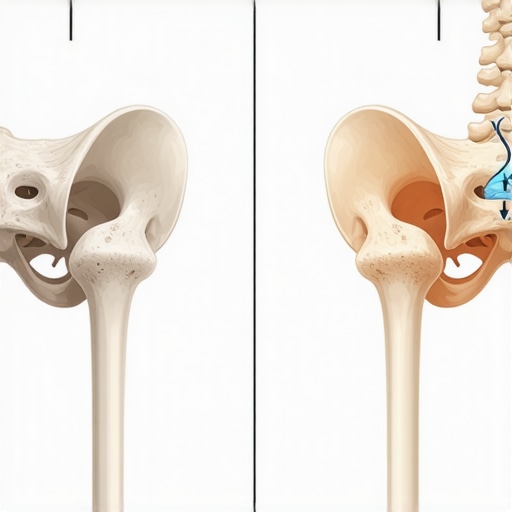
Why Does My Back Still Ache When I Wear Sneakers?
This is the question that plagues everyone who finally ditches the pumps. You switch to flats, yet the nagging pull in your legs and low back remains. This is usually because of ‘nerve tension’ rather than simple muscle tightness. If you’ve been aggressively pulling at your legs, you might find that why stretching your hamstrings can actually flare up sciatica is because you’re tugging on an irritated nerve, not a muscle. The nerve needs space and ‘gliding,’ not a high-tension pull. Real back pain breakthroughs navigating your path to restored mobility require you to stop treating your body like a collection of isolated parts and start seeing the kinetic chain. Have you ever fallen into the ‘stretch it out’ trap only to feel stiffer the next day? Let me know in the comments, and let’s figure out which part of your chain is actually stuck.
The Toolbox That Saved My Lower Back
Building a maintenance routine isn’t about being perfect every single day; it’s about having a toolkit that works when you’ve pushed your body too far. For me, the holy grail is a simple tennis ball. I don’t just roll aimlessly on the floor; I use it against a wall to target the piriformis muscle. I found that how a tennis ball can relieve deep glute and sciatic pain is much more effective than expensive massagers because it allows for precision. I specifically look for that deep, nagging tension in the hip that builds up after a day in restrictive footwear. I’ve learned that how a simple tennis ball can fix deep glute tension comes down to sustained pressure for about 90 seconds, rather than rapid rolling. This technique mimics the manual release I used to pay hundreds of dollars for. 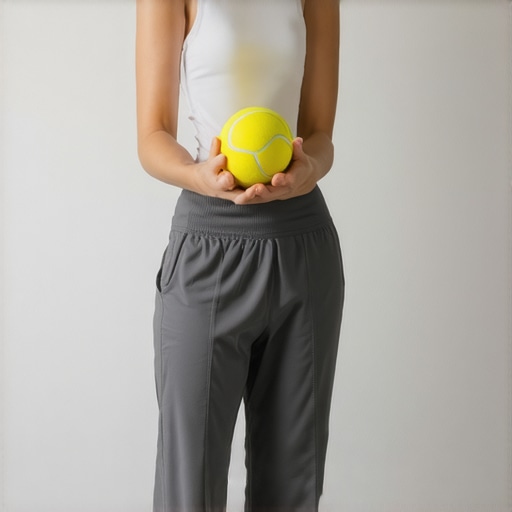
How do I keep my spine resilient for the long haul?
Maintenance requires you to look at the moments between your workouts. I’ve started using a specific lumbar roll in my car because the bucket seats in modern vehicles are notorious for killing the natural curve of the lower back. Learning how to use a lumbar roll to prevent mid-day back fatigue was a total game-changer for my commute. I even took it a step further and realized how to adjust your rearview mirror to force better driving posture. If the mirror is set for when I’m slouching, I’ll stay slouched. If I set it for when I’m sitting tall with a neutral pelvis, the mirror itself becomes a silent coach. Beyond the car, I prioritize boost-your-back-mobility-simple-exercises-that-make-a-difference like the ‘cat-cow’ and ‘bird-dog,’ which Dr. Stuart McGill, a world-renowned spine biomechanist, identifies as the ‘Big Three’ for creating a ‘stiff’ and protected core. He often says that the spine is like a radio mast; it needs the guy-wires (muscles) to be balanced and responsive, not just tight.
The Future of Spine-Friendly Fashion
Looking ahead, I predict a massive shift in how we view ‘professional’ attire. By 2025, the demand for ergonomic footwear that doesn’t look like orthopedic gear is going to explode. We are already seeing unlocking-mobility-expert-tips-on-managing-back-pain-in-2025 focusing on ‘zero-drop’ shoes that allow the heel and forefoot to sit at the same level, preventing that pelvic tilt we’ve been talking about. We are finally moving toward a world where you don’t have to choose between looking sharp and mobility-mastery-daily-tips-to-keep-your-spine-and-joints-healthy. My advice? Start integrating enhance-your-back-mobility-ergonomic-tips-for-everyday-comfort into your office life now. I want you to try this one thing tonight: grab a tennis ball and spend two minutes on each glute. It’s the smallest investment for the biggest relief. If you’re still feeling stuck, feel free to contact us to discuss a more personalized plan.
The Lessons I Learned the Hard Way About My Spine
Looking back on those years of stiletto-induced struggle, I realized that the body is incredibly forgiving—if you give it the right signals. One of my biggest lightbulb moments was realizing that restoring mobility is far more important than just stretching muscles. I spent years tugging on my hamstrings only to find that understanding the link between poor posture and chronic back pain meant looking at my hips and ankles first. I also learned that you can’t out-train a bad habit; spending eight hours in heels and then thirty minutes in the gym isn’t a fair trade. True relief comes from the small, consistent shifts in how you stand and move during the mundane moments of your day. Finally, I discovered that pain is a messenger, not an enemy. When my back flared up, it wasn’t a sign of ‘getting old’—it was a signal that my kinetic chain was out of sync.
Tools That Keep Me Moving When Gravity Wins
I’ve narrowed my recovery down to a few non-negotiables that have replaced a cabinet full of pain relievers. First, my trusty tennis ball is always in my bag. Knowing how a simple tennis ball can fix deep glute tension has saved me after long flights and networking events alike. Second, I swear by the ‘Big Three’ exercises from Dr. Stuart McGill; these moves build the functional stability required to keep the spine neutral without effort. Lastly, I never drive without support; learning how to use a lumbar roll to prevent mid-day back fatigue has completely eliminated the ‘stiff-man’ shuffle I used to do when exiting my car. These tools work because they address the physics of your frame rather than just masking the discomfort.
Give Your Body Permission to Heal
You don’t have to live in a state of constant compression just to feel professional or fashionable. The journey toward long-term comfort begins with a single choice to prioritize your structural health over a few extra inches of height. As you start to implement these shifts, you’ll find that your energy levels rise simply because your muscles aren’t working overtime just to keep you upright. We are entering an era of back pain breakthroughs navigating your path to restored mobility, and you are the best advocate for your own spine. Don’t wait for a crisis to start listening to your body. Take that first step toward a neutral, happy pelvis today. Have you ever noticed your back pain flares up specifically after wearing certain shoes? Let me know in the comments below.