
The Secret to Pain-Free Gardening as You Get Older

It happened on a crisp April Tuesday. I was knee-deep in mulch, finally getting those prize-winning hydrangeas into the ground, lost in the rhythm of the soil. I felt great—until the next morning. When I tried to roll over to hit the snooze button, my lower back let out a scream that made me rethink every life choice I’d made since the age of forty. I couldn’t even reach for my coffee mug without a sharp, biting reminder of my afternoon in the dirt. It felt like my spine had been fused into a solid, unforgiving rod of iron. For weeks, I thought my time in the garden was over, and that broke my heart. But I refused to let a little thing like ‘getting older’ steal my sanctuary. Today, I want to show you exactly how I reclaimed my flower beds by changing how I move, breathe, and prepare. We are going to fix that post-gardening ache for good.
Your Spine is Not a Crane
One of the biggest mistakes I made early on was assuming my spine was meant to do all the heavy lifting. I used to bend straight over from the waist, dangling my torso like a ragdoll while I weeded. No wonder I was constantly searching for sciatica relief secrets by nightfall. The truth is, your back isn’t a crane; it’s a stabilizer. When I finally learned how to lift using my hips instead of my spine, everything changed. I started using my legs for the power and my core for the protection. It’s a simple shift, but it’s the difference between a productive afternoon and a week on the sofa. According to a study in the Journal of Physical Therapy Science, targeted movement and proper ergonomic positioning can reduce musculoskeletal pain in seniors by up to 40%. It’s not about working less; it’s about working smarter so your body doesn’t pay the price later.
Can I really do this without three days of ibuprofen?
You might be thinking that your joints are just ‘past their prime’ or that the cartilage is gone and there’s nothing left to do. I’ve been there, staring at a bag of potting soil like it was a live grenade. But here’s the thing: pain isn’t an inevitable tax you pay for growing older; it’s often just a signal that your mechanics are out of whack. Have you ever felt like you had to choose between your hobby and your health? If you’ve ever woken up the day after a planting session feeling like you’ve been in a car wreck, I want to hear about it—have you found any tricks that actually work? Before we dive into the specific movements, we need to address the morning routine that prevents lower back stiffness so you can step into the yard with a spine that’s ready to work, not one that’s already on the edge of a spasm. If you’ve been struggling with general aches, check out these daily tips to keep your joints healthy or try some exercises that make a difference before you grab the trowel. Let’s look at the first physical adjustment that will save your season.To stop the cycle of gardening-induced agony, you have to treat your pelvis like a hinge on a heavy gate, not a flexible fishing rod. Think of your hips as the heavy-duty engine and your spine as the delicate steering column. Most people do the ‘C-shape’ bend where the spine takes 100% of the load. Instead, you need to master the hip hinge. I remember trying to hoist a damp 40-pound bag of potting soil three years ago. I reached out, back rounded, and felt a sharp ‘zip’ up my spine. I was horizontal for two days. Now, I stand close to the bag, shove my hips back like I am trying to close a car door with my backside, and keep my chest up. This is how to lift using your hips instead of your spine, and it applies whether it is a bag of mulch or a heavy ceramic pot. If you apply this, you will avoid the dreaded ‘oops’ moment that leads many to search for sciatica relief secrets.
Fill Your Internal Airbags Before You Lift
Before you even touch that trowel, you need to understand internal pressure. Your spine is like a stack of donuts; if you squeeze them unevenly, the jelly—your discs—wants to pop out. By using your breath, you create an internal airbag that supports the stack from the inside. I used to hold my breath while digging, which is a recipe for a blowout. Now, I take a big breath into my belly, not my chest, to create tension. Learning how your breathing pattern affects your core stability is the secret sauce for gardeners. You should even try to breathe into your lower back to release deep muscle tension during your water breaks. It keeps the muscles from clamping down in a defensive spasm that ruins your evening. #IMAGE_PLACE_HOLDER_B#
Get Down on Their Level
Stop reaching from a standing position. If the weeds are on the ground, you should be too. I spent years stooping, which meant my lower back was constantly under tension like a guitar string tuned too high. Now, I use a thick kneeling pad or sit directly on the ground. This is not just about comfort; it is about leverage. When you are closer to the soil, you do not have to overextend your reach, which prevents the upper back from rounding and pulling on the neck. If you struggle to get down low, it might be that the floor seated position is exactly what you need to practice in the off-season. Also, do not blame your back for everything; often, why your hamstrings are not the real reason your back is tight comes down to how you position your pelvis while you work. If you find yourself needing to lift something smaller, like a heavy watering can, remember the specific way to lift a grocery bag to avoid a spasm—keep the weight close to your center of gravity at all times. This shift in mechanics ensures you spend your time admiring your flowers rather than icing your lumbar.We need to talk about the ‘posture police’ myth that circulates through garden clubs every spring. Most people believe that to protect their back, they must stand as straight as a board while moving soil or pruning. In my experience, and after far too many flare-ups, I’ve realized this ‘military posture’ is a fast track to a debilitating spasm. When you force your shoulders back and tuck your chin aggressively, you are not being ‘correct’; you are simply creating massive, static tension in the surrounding muscles. This is exactly why standing up straight is actually making your back pain worse. Your spine is designed to have natural curves that act as shock absorbers. When you flatten those curves, you turn your spine into a structural steel beam that cannot handle the dynamic load of gardening.
Stop Trying to Stand Like a Soldier
Research in the Journal of Biomechanics suggests that rigid, conscious ‘bracing’ of the trunk can lead to significantly increased spinal compression during even simple movements. Instead of forcing a rigid shape, we should be looking for balance and fluid movement. When you ignore the link between poor posture and chronic back pain, you miss the vital fact that movement—not stillness—is the real cure. Your muscles are meant to cycle between tension and relaxation, not stay locked in a defensive ‘ideal’ position.
Is your favorite recliner secretly sabotaging your spine?
It sounds counterintuitive, but the ‘day of rest’ is often the most dangerous day for a gardener’s back. We finish a long session in the dirt, feel that familiar twinge, and immediately collapse into a soft, overstuffed chair. This is a massive ‘oops’ factor that most hobbyists fall for. I’ve found that why your back hurts more after a day of resting on the couch usually comes down to the total lack of pelvic support. When you sink into those cushions, your pelvis tucks and your ligaments start to ‘creep,’ stretching in all the wrong directions. If you are already dealing with nerve pain, you should know that your favorite recliner is the worst place for your sciatica because it puts the nerve on a constant, aggressive stretch while you think you are recovering.  Have you ever fallen into this trap—thinking a weekend of Netflix would fix your tweak only to wake up stiffer? Let me know in the comments—how did you feel the next morning?
Don’t get stuck in the icing loop
Another nuance I had to learn the hard way: stop the ice after the first 48 hours. We’ve been conditioned to think ‘RICE’ is the gold standard, but many modern sports medicine experts now argue that excessive icing can actually stall the natural healing process. While it numbs the immediate sting, why icing your lower back might be slowing down your recovery is because it restricts the very blood flow needed to repair the micro-tears in your muscles. You need that circulation to flush out metabolic waste from a hard day’s work.
The surprising link between your feet and your spine
Finally, let’s look at a detail even most ‘advanced’ fitness enthusiasts miss: your big toe. It sounds crazy, but if you lack mobility in your foot, your lower back has to pick up the slack every single time you walk or lunge to pull a stubborn weed. Understanding how a stiff big toe forces your lower back to overwork was a lightbulb moment for me. If you are constantly searching for sciatica relief secrets, stop looking at your lumbar for a moment and start looking at your foundation. Often, the back pain is just the messenger, while the criminal is actually hiding in your shoes.
The gear that actually saved my season
After that disastrous morning in April, I realized my old-school wooden-handled trowels were part of the problem. I swapped them for tools with ‘Radius’ grips—essentially handles that are curved to keep your wrist in a neutral position. When your wrist is cocked at an awkward angle, you create a kinetic chain of tension that ends up as a knot between your shoulder blades. I’ve found that using these ergonomic tools is one of the most overlooked neck pain solutions because it stops the strain before it ever reaches your upper back. I also invested in a rolling garden seat with a swivel. It sounds like something a ‘pro’ wouldn’t use, but being able to rotate my entire hips rather than twisting my mid-back changed everything. This prevents the torque that leads to a flare-up, making it much easier to avoid needing sciatica relief secrets at 9 PM. A study published in the Journal of Agricultural Safety and Health found that using long-handled tools and assistive seating can reduce spinal compression forces by nearly 30% during repetitive tasks. For me, that 30% is the difference between enjoying a sunset and lying on a heating pad. 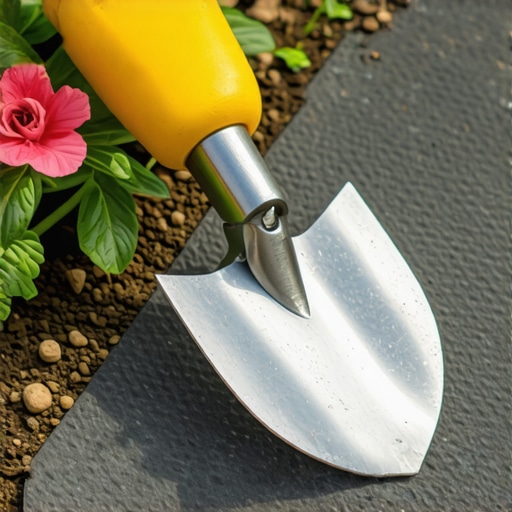
How do I keep my spine garden-ready all year long?
The biggest mistake I see—and one I lived through—is treating gardening like a seasonal sprint rather than a year-round marathon. When November hits and the hydrangeas go dormant, most people stop moving their bodies in those functional patterns. This is when the stiffness sets in. To prevent this, I’ve committed to mobility mastery through the winter. I focus on the ‘active rest’ concept. Instead of just sitting, I spend ten minutes a day doing the 30-second wall slide for better shoulder alignment to ensure my posture doesn’t collapse during the off-season. If you don’t maintain your range of motion, your first day back in the soil next spring will be a guaranteed injury. Think of your body like a classic car; you can’t leave it in the garage for six months and expect the engine to purr the moment you turn the key. I predict that by 2030, we’ll all be wearing haptic sensors in our gardening shirts that vibrate when our lower back starts to round too much—but until then, we have to be our own sensors. Start using a ‘movement snack’ approach. Every 20 minutes in the garden, I stand up and perform a gentle hip reset. This is one of the top expert tips on managing back pain in 2025 because it prevents the tissues from becoming ‘set’ in a bad position. If you’ve felt that ‘stuck’ sensation after weeding for an hour, I want you to try this: next time you’re out there, set a timer on your phone. Every time it dings, just stand up and reach for the sky. It sounds too simple to work, but it’s the most powerful tool in my shed.
The Hard Lessons I Learned Between the Flower Beds
If there is one thing that years of planting taught me, it is that you should never wait for the first twinge to take a break. By the time you feel that dull ache, the inflammation is already setting in. I’ve also realized that hydration isn’t just for your plants; it’s for your skeletal system. I finally understood how proper hydration keeps your spinal discs plump and healthy, which prevents them from compressing while you’re reaching for those stubborn weeds. Another lightbulb moment? My back pain often started in my feet. I started using a 2-minute foot massage that helps your lower back relax after every session, and it worked better than any heating pad ever did. It turns out, relaxing the fascia at the bottom of your feet releases the entire posterior chain.
The Garden Gear That Actually Saved My Spine
I stopped buying tools based on the price tag and started looking at the geometry. Ergonomic ‘radius’ trowels that allow for a neutral wrist position are non-negotiable for me now. If you’re dealing with lingering issues, it’s worth checking if your back pain is a sign of something more serious before you tackle a major landscaping project. I also highly recommend a low-profile rolling stool with a swivel seat. It keeps your center of gravity stable and prevents the constant up-and-down motion that wears out your knees and hips. For those days when the soil is particularly stubborn, remember that you can always boost your back mobility with simple exercises before you even step outside. Preparation is the best protection.
Reclaim Your Right to Get Your Hands Dirty
Gardening is supposed to be a sanctuary, not a source of dread. You don’t have to surrender your hobby just because your body is communicating its limits. By integrating these small shifts in mechanics and recovery, you can keep your garden blooming for decades to come. You no longer have to hunt for sciatica relief secrets every time the weather gets nice. Your spine is resilient, and with the right strategy, your best seasons are still ahead of you. What’s the one gardening chore that always leaves you feeling like a pretzel? Let me know in the comments below!